

10 Simple Skincare Tips for Naturally Glowing Skin
You open your bathroom cabinet and it looks like a small pharmacy, yet your skin still feels dull and tired. It is easy to believe that glowing skin needs ten steps and a big budget. It really doesn’t. Simple skincare works because your skin responds best to consistency and gentleness, not to a crowded shelf. Here are 10 easy, realistic tips to help your skin look fresh, soft, and naturally radiant.
1. Start With a Gentle Cleanser Your Skin Actually Likes
A good cleanser leaves your face feeling clean and comfortable, never tight or squeaky.
Choose a mild, fragrance-free formula and wash your face twice a day, once in the morning and once at night. Use lukewarm water, not hot, because hot water strips away the natural oils that keep your skin barrier healthy. If your skin is dry, a creamy cleanser works well. If it leans oily, a light gel is usually enough.
A common mistake is scrubbing hard to “get everything off.” That only irritates the skin and can make it look red and dull. Instead, massage the cleanser in with your fingertips for about 30 to 60 seconds, then rinse well and pat dry with a clean towel.

2. Never Skip Sunscreen, Even on Cloudy Days
Picture a soft gray morning where it feels like the sun has taken the day off. Your skin is still getting UV exposure.
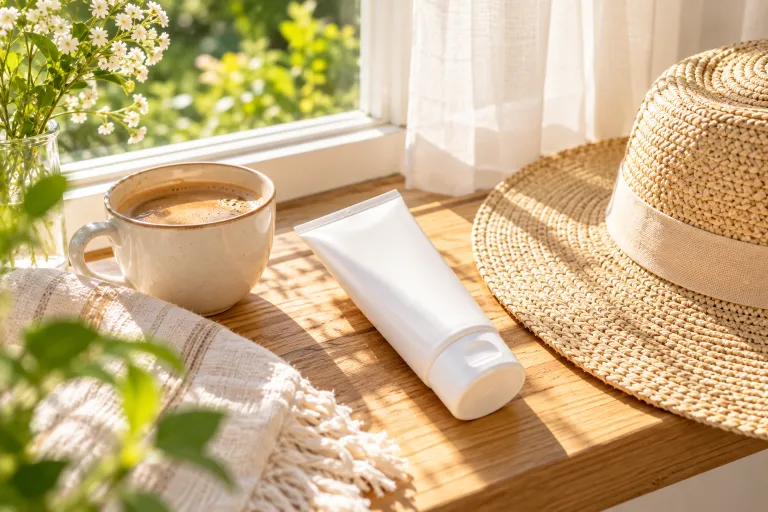
Daily sunscreen is the single most helpful step for protecting your skin from early dullness, dark spots, and uneven tone over time. Look for a broad-spectrum SPF 30 or higher and apply it as the last step of your morning routine. A lot of people use too little, so aim for about two finger lengths for your face and neck.
If heavy sunscreens make you feel greasy, try a lightweight fluid or a mineral formula. The best sunscreen is the one you will honestly wear every day. Reapply if you are outside for long stretches.
3. Moisturize While Your Skin Is Still Slightly Damp
Here is something most people overlook: timing matters as much as the product.
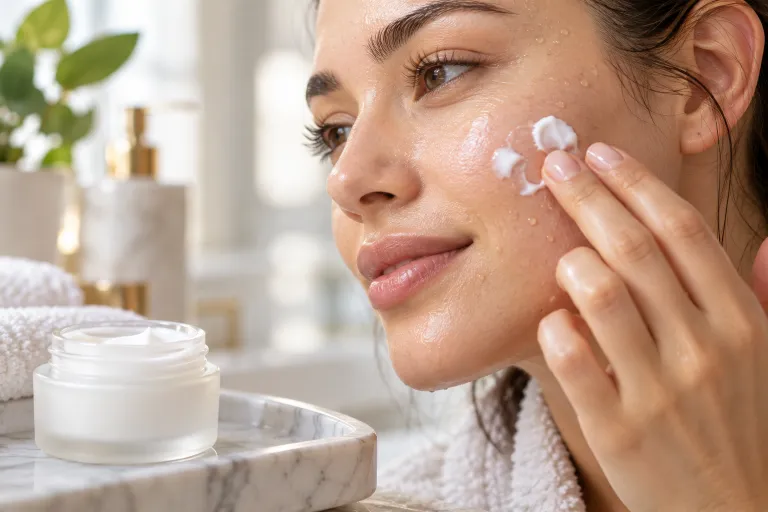
After cleansing, pat your face lightly so it stays a little damp, then apply your moisturizer right away. The moisturizer helps hold that surface water in, which gives your skin a plump, dewy look rather than a flat one. Oily and combination skin still needs moisture, just in a lighter gel or lotion form.
Look for simple ingredients like glycerin, hyaluronic acid, and ceramides. They support the skin barrier without feeling heavy. Picture your skin looking soft and lit from within by mid-morning, with no tight patches around your nose or cheeks.
4. Keep Your Routine Short and Stick With It
Ten products used on and off will do less than three used every day.
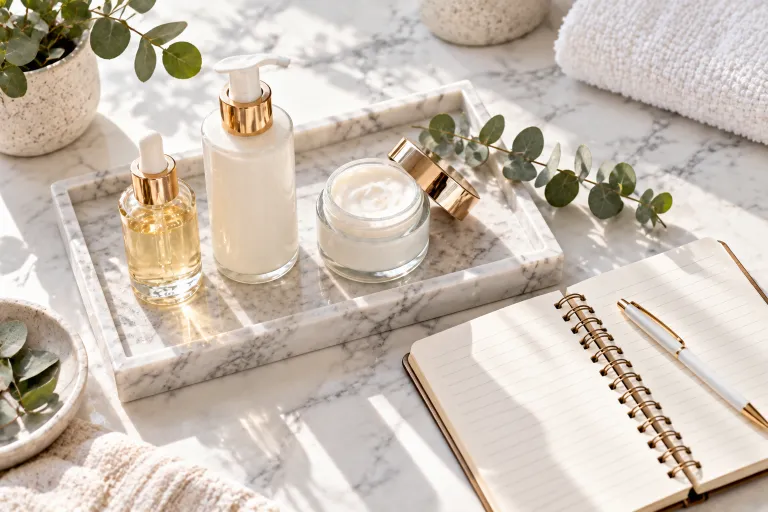
A beginner-friendly routine is a cleanser, a moisturizer, and sunscreen in the morning, then a cleanser and moisturizer at night. That is it. You can add one extra product later, such as a vitamin C serum in the morning or a gentle retinol at night, but only after your skin is comfortable with the basics.
The mistake here is starting several new products in the same week. If your skin reacts, you will not know what caused it. Add one new product at a time and give it about four weeks before judging the result. This is a routine worth saving, so you can come back to it whenever your shelf starts getting out of hand.

5. Exfoliate Gently, and Only Once or Twice a Week
Smooth skin reflects light better, which is why light exfoliation can bring back a fresh look.
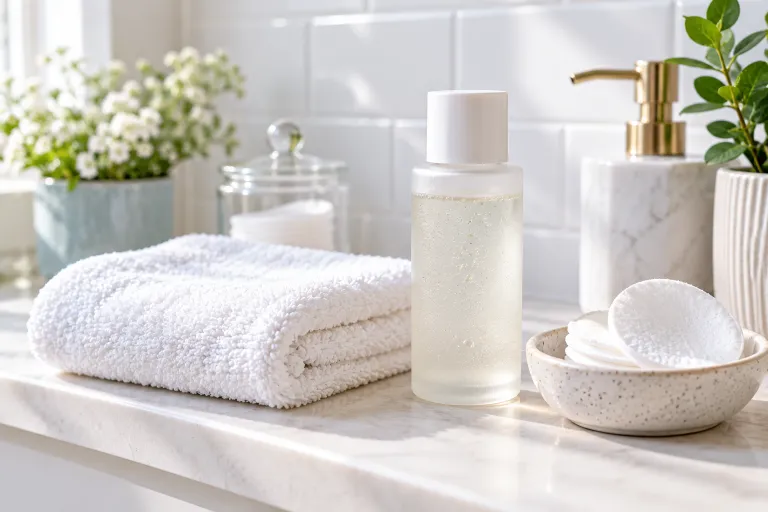
Choose a mild chemical exfoliant, such as lactic acid or a low-strength AHA, over a gritty scrub. These loosen dull surface cells without tiny scratches on the skin. Start with once a week and see how your skin feels. If it stays calm, move to twice a week at most.
Over-exfoliating is one of the most common reasons skin looks red, shiny, or sensitive. If your face stings when you apply moisturizer, take a break for a week and focus on gentle hydration. Glow comes from healthy skin, not stripped skin.

6. Drink Water and Eat Foods That Support Your Skin
Skincare does not stop at your bathroom counter.
Staying hydrated helps your whole body feel better, and many people notice their skin looks less tired when they drink water regularly. Add colorful foods too, such as berries, oranges, spinach, carrots, and nuts. They provide vitamins and antioxidants that support everyday skin health. This will not replace a good routine, but it works well beside one.
A simple trick for busy days is to keep a water bottle on your desk and refill it twice. Pair a snack like an orange or a handful of almonds with your afternoon tea. Small habits like these are easier to keep than big diet changes.
7. Protect Your Sleep, Because Skin Rests When You Do
Think about how your face looks after a rough night versus a restful one. The difference is real.
During sleep, your skin carries out much of its daily repair work. Aim for seven to nine hours when you can, and keep a regular bedtime. Washing your face before bed matters too, since sunscreen, makeup, and city dust sit on your skin overnight if you skip it.
If you have a bit of extra budget, a silk or satin pillowcase can feel gentler against your face and hair, and it is easy to wash. Change your pillowcase every few days so oil and product buildup do not collect against your skin. You will want to bookmark this tip for those weeks when everything feels off.

8. Try a Simple Natural Boost Once a Week
A weekly mask can feel like a small reset, and it does not need a long ingredient list.
For a soothing option, mix one tablespoon of plain yogurt with one teaspoon of raw honey and apply it to clean skin for about 10 minutes. Rinse with lukewarm water and follow with moisturizer. Honey feels comforting and yogurt is mild, which makes this a gentle choice for many skin types.
Always do a small patch test on your inner arm first, because natural does not always mean gentle for every person. Skip lemon juice and baking soda, which are popular online but can irritate the skin and upset its natural balance. Keep it simple, and treat it as a relaxing ritual, not a miracle cure.

9. Be Kind to Your Skin and Stop Picking
Picture a pimple that would have faded in three days, now a red mark that lingers for three weeks.
Picking and squeezing push bacteria deeper, cause irritation, and often lead to dark marks or scars. If you feel the urge, cover the spot with a small pimple patch, which keeps your hands away and helps absorb the surface fluid. Keep your phone screen and makeup brushes clean too, since they touch your face more than you might think.
Try to keep your hands off your face during the day. It is a small habit, but it makes a visible difference over time. If breakouts are frequent or painful, a visit to a dermatologist can save you months of guessing.
10. Choose Products for Your Skin Type and Patch Test New Ones
A product that works wonders for a friend might not suit you, and that is completely normal.
Start by noticing whether your skin feels dry, oily, combination, or sensitive. Then choose products made for that type, and read the ingredient list for things you already know bother you, such as strong fragrance. Before using anything new on your face, test a small amount behind your ear or on your inner forearm for 24 hours.
Price does not decide quality. Many affordable drugstore products are simple, effective, and well tested. Spend a little more on the items that stay on your skin the longest, like sunscreen and moisturizer, and keep the rest budget-friendly.

Final Thoughts
Glowing skin does not come from doing more. It comes from doing a few gentle things consistently, even on the days when you are tired and just want to fall into bed. Your skin has been working hard for you, and it responds well when you treat it kindly. Pick two tips from this list and try them this week, then add more as they start to feel natural. Save this article for the next time your routine feels overwhelming, and let it remind you that simple is enough.
6. Image Alt Text Suggestions
- Woman gently massaging creamy cleanser onto her damp face over a white bathroom sink
- Sunscreen squeezed onto two fingers near a sunny window with a small potted plant
- Close-up of a woman smoothing moisturizer onto her cheek with an open jar on a marble tray
- Three simple skincare bottles lined up on a light wooden shelf beside a folded towel
- Bottle of gentle liquid exfoliant and cotton pad on a white shelf next to a green plant
- Glass of water, sliced oranges, and berries on a kitchen table in morning light
- Neat bed with cream satin pillowcase and lamp light for restful sleep and healthy skin
- Wooden bowl of homemade yogurt and honey face mask with a spoon on a linen cloth
- Woman applying a small pimple patch to her chin in a bright bathroom mirror
- Woman reading the ingredient label on a skincare bottle in a pharmacy aisle
7. FAQ Section
What is the simplest skincare routine for glowing skin?
Use a gentle cleanser, a moisturizer, and sunscreen in the morning, then cleanse and moisturize again at night. This basic routine covers what most skin needs. You can add one targeted product later once your skin feels settled.
How long does it take to see results from a simple skincare routine?
Many people notice their skin feeling smoother and more comfortable within a couple of weeks. Visible changes in tone and texture usually take around four to six weeks, since skin renews itself gradually. Consistency matters more than adding extra products.
Do I really need sunscreen every day?
Yes, daily sunscreen is one of the most useful habits for protecting your skin from sun damage and uneven tone. UV rays are present even on cloudy days and through windows. Choose a broad-spectrum SPF 30 or higher that feels comfortable enough to wear daily.
Can I get glowing skin with natural remedies alone?
Natural ingredients like honey and yogurt can be soothing as an occasional treat, but they work best alongside a basic routine. Remedies are not a replacement for cleansing, moisturizing, and sun protection. Always patch test first, since natural ingredients can still irritate.
How often should I exfoliate if I have sensitive skin?
Start with once a week or even once every two weeks using a mild chemical exfoliant, not a scrub. Stop if you notice redness, stinging, or dryness. Sensitive skin often looks better with less exfoliation and more hydration.
Does drinking more water make skin glow?
Staying hydrated supports overall health, and your skin can look less tired when you drink enough. It will not fix everything on its own, though. Pair good hydration habits with a gentle routine and sunscreen for the best results.


