

10 Easy Ways to Clear Clogged Pores Naturally
You lean in close to the bathroom mirror and spot them again: tiny dark dots across your nose and a rough, bumpy patch on your chin. Clogged pores are frustrating because you can be doing “everything right” and still see them come back. The good news is that you do not need a shelf full of harsh products to deal with them. Here are 10 gentle, natural ideas you can start tonight with ingredients you probably already own.
1. Cleanse Away Clogged Pores With the Oil Method
Think of a warm, silky cleanse that melts away sunscreen and sebum instead of scrubbing at them.
Oil dissolves oil. That is why a light oil cleanse can loosen the waxy buildup that sits inside pores. Massage a teaspoon of jojoba or grapeseed oil onto dry skin for one full minute, then press a warm damp washcloth over your face and wipe gently. Follow with your regular gentle cleanser so no residue is left behind.
The mistake: reaching for coconut oil because it is in the kitchen. It is heavy and can clog pores on some faces. The fix: pick a lighter oil like jojoba or grapeseed, especially if you break out easily.
This works best for people who wear sunscreen or makeup daily and want a deeper evening cleanse.

2. Open Up Your Skin With a Gentle Warm Steam
Picture a warm cloud rising from a bowl while your shoulders drop and your face softens.
Warmth helps soften the plug of oil and dead skin sitting in your pores, which makes every step after it work better. Pour hot (not boiling) water into a clean bowl, lean back about 12 inches, and drape a towel over your head for 5 minutes. Do this once a week at most, right before a mask or cleanse.
If your skin is red, sensitive, or prone to flushing, skip the steam and use a warm washcloth instead. Hot steam can irritate already reactive skin. A warm cloth gives you a gentler version of the same softening effect.

3. Draw Out Clogged Pores With a Clay Mask
A thin, cool layer of clay that slowly turns pale and tight is one of the most satisfying parts of a weekly skin routine.
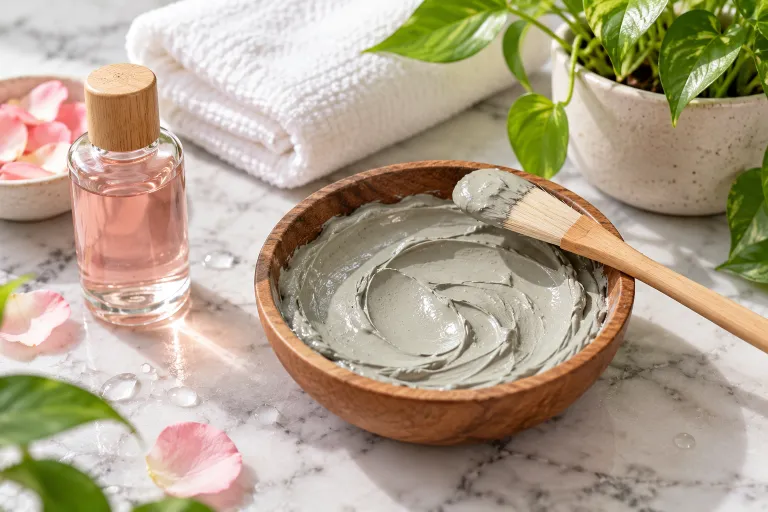
Kaolin and bentonite clay act like tiny sponges, soaking up extra surface oil that feeds blackheads. Mix one tablespoon of clay with enough water or plain rose water to make a smooth paste. Apply it only to the oily zones, like your nose, chin, and forehead, and rinse while it is still slightly damp.
The mistake: letting it dry until it cracks. That can leave skin tight and irritated. The fix: rinse at the 10 minute mark, then follow with a light moisturizer.
4. Soften Buildup With a Raw Honey Mask
Spoon a ribbon of golden honey onto clean fingertips and smooth it over your face like a glossy veil.
Raw honey is naturally sticky, gentle, and a humectant, which means it draws moisture into the skin. It will not scrub pores clean, but it softens the surface so cleansing works better, and it suits dry or sensitive skin that cannot handle clay. Leave a thin layer on for 10 to 15 minutes, then rinse with lukewarm water.
Honey is a great pick for combination skin, where your T-zone is congested but your cheeks feel tight. Use a clean spoon each time so you do not contaminate the jar.

5. Polish Away Dead Skin With Oatmeal
Imagine a soft, creamy paste that feels more like porridge than a scrub.
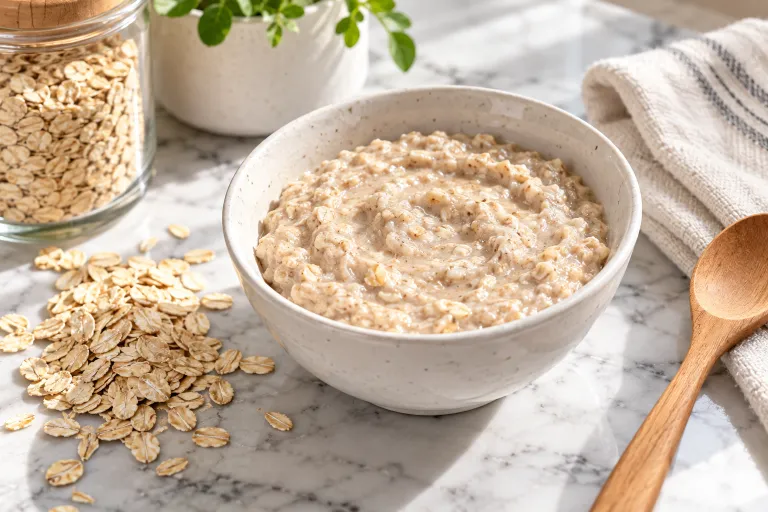
Dead cells that pile up on the surface are a big reason pores clog in the first place. Finely ground oats offer very mild exfoliation, and they calm the skin at the same time. Blend a tablespoon of plain oats into a powder, mix with a little water or yogurt, and massage in tiny circles for 30 seconds. Rinse and pat dry.
The mistake: scrubbing hard with sugar or crushed nuts. Rough grains create tiny tears that make skin angrier. The fix: let the oats do the work with feather-light pressure, no more than twice a week.
6. Calm Congestion With a Green Tea Toner
Brew a cup of green tea, let it cool, and keep a small bottle of it in the fridge for a refreshing evening splash.
Green tea contains plant compounds that are known for their soothing qualities, and it is a light, alcohol-free way to refresh skin after cleansing. Steep one bag in half a cup of hot water for 5 minutes, cool it completely, then pat it on with a cotton pad. Keep it in a clean, covered bottle in the fridge and toss it after 5 to 7 days.
This is a lovely idea for summer, humid climates, or anyone who dislikes the sting of store-bought toners.

7. Spot Treat Stubborn Bumps With Diluted Tea Tree Oil
A single drop of this potent oil goes a long way, so think tiny and precise.
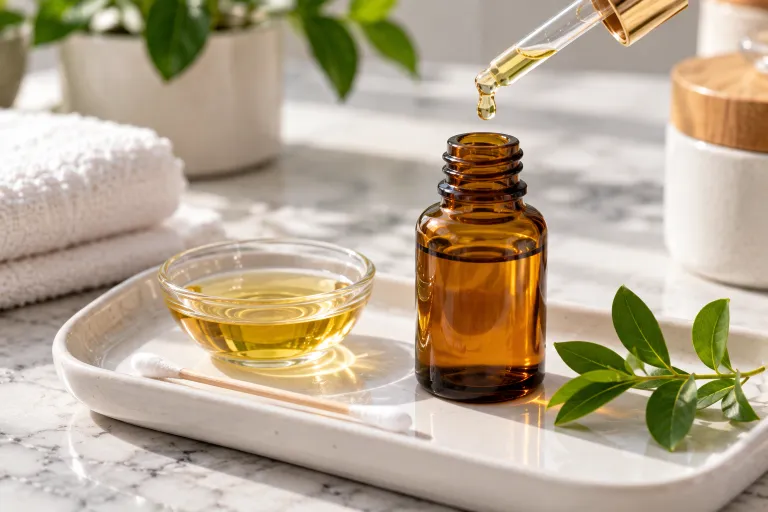
Tea tree oil is a well-known natural ingredient for blemish-prone skin, but it is strong. Never put it on your skin undiluted. Mix one drop into a teaspoon of jojoba oil, dab a little onto one bump with a clean cotton swab, and leave it on. Always patch test on your inner arm first and wait a day.
The mistake: dotting it all over your face because more feels more effective. The fix: use it on single spots only, and stop if you notice redness or stinging.
8. Hydrate With a Light Moisturizer or Pure Aloe
Skipping moisturizer feels logical when your skin is oily, but it often backfires.
When skin feels dehydrated, it can make extra oil to compensate, and that surplus feeds clogged pores. Pure aloe vera gel is a cool, lightweight option, and a gel moisturizer labeled non-comedogenic works well too. Smooth on a thin layer after cleansing, while your skin is still slightly damp so it locks in water.
Aloe is also a smart pick after clay masks and exfoliation, when your skin needs a little comfort. Look for a gel with a short ingredient list and no added fragrance.

9. Stop Clogged Pores Before They Start With Cleaner Habits
Sometimes the answer is not in your skin care at all, but on your pillow and your phone screen.
Pillowcases, makeup brushes, and phones collect oil, sweat, and product, then press it right back onto your skin. Swap your pillowcase every 2 to 3 days if you can, wash brushes weekly, and wipe your phone with a disinfectant wipe. Wash your face soon after workouts so sweat does not sit in your pores.
If you are on a budget, start with the pillowcase. A set of three inexpensive cotton cases rotated through the week makes a real difference.

10. Exfoliate Gently With a Plain Yogurt Mask
Cool, creamy yogurt on warm skin feels almost like a mini spa treatment at home.
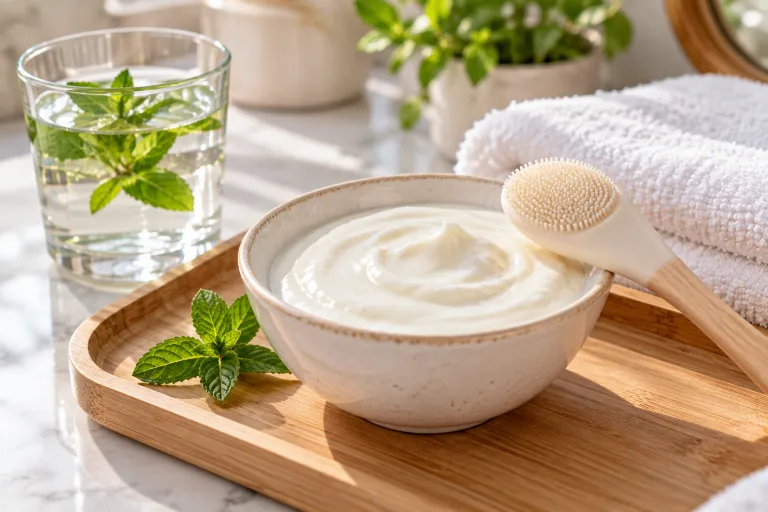
Plain yogurt contains lactic acid, a very mild exfoliating acid that helps loosen dull, dead surface cells without the grit of a scrub. Spread a thin layer of unsweetened plain yogurt over clean skin, leave it for 10 minutes, and rinse with cool water. Once a week is plenty.
This one is especially good for rough texture and dull skin. Check that your yogurt has no added sugar, flavors, or fruit pieces, and skip it if you have a dairy allergy.
Conclusion
Clogged pores can make you want to hide from the mirror, but they do not mean you are doing anything wrong. They are simply a sign your skin needs a little more gentleness and consistency. Pick two or three ideas from this list and give them a few weeks before judging the results. Save this article for your next self-care night, and try one tip this week to see how your skin responds.
Image Alt Text Suggestions
- Woman massaging jojoba oil onto her cheeks to cleanse clogged pores at a bathroom vanity
- Woman with a towel over her head steaming her face above a bowl of warm water
- Bowl of gray kaolin clay mask with a brush for clearing clogged pores
- Woman wearing a thin raw honey mask on her cheeks while holding a honey dipper
- Creamy oatmeal exfoliating paste in a bowl beside rolled oats and a towel
- Glass bottle of homemade green tea toner with a cotton pad on a bathroom shelf
- Amber dropper bottle and cotton swab for diluted tea tree oil spot treatment
- Woman applying clear aloe vera gel to her face with a fresh aloe leaf nearby
- Clean white pillowcase and makeup brushes on a nightstand for a cleaner skin routine
- Bowl of plain yogurt face mask with a silicone brush on a wooden tray
FAQ Section
1. Can you really clear clogged pores naturally?
Natural methods can loosen buildup, reduce surface oil, and keep pores from filling up again. They work best when used gently and consistently. Deeply stubborn congestion may take several weeks to improve.
2. How often should I use a clay mask for clogged pores?
Once or twice a week is plenty for most skin types. Using it more often can dry out your skin, which may lead to more oil production.
3. Is it safe to squeeze blackheads at home?
It is best to avoid it. Squeezing can push debris deeper, irritate the skin, and cause marks or scarring. Gentle steaming and masks are a safer way to help loosen them.
4. Do natural remedies shrink pores?
Pore size is mostly genetics, so nothing can truly shrink them. What you can do is clear out the buildup so they look smaller and smoother.
5. When should I see a dermatologist?
Talk to a dermatologist if you have painful, deep, or inflamed bumps, or if nothing improves after 6 to 8 weeks of steady care. They can recommend treatments that go beyond home remedies.


