

10 Acne Positivity Lessons for a Healthier Mindset
You wake up, walk to the bathroom, and your eyes go straight to the new spot on your chin. Suddenly the whole day feels heavier. If that sounds familiar, you are not being dramatic, and you are definitely not alone. Acne positivity is not about pretending breakouts do not bother you. It is about learning to treat yourself with kindness while your skin does its thing. Here are 10 lessons that can help you feel calmer, steadier, and more at home in your own face.
1. Acne Positivity Starts With Changing Your Inner Voice
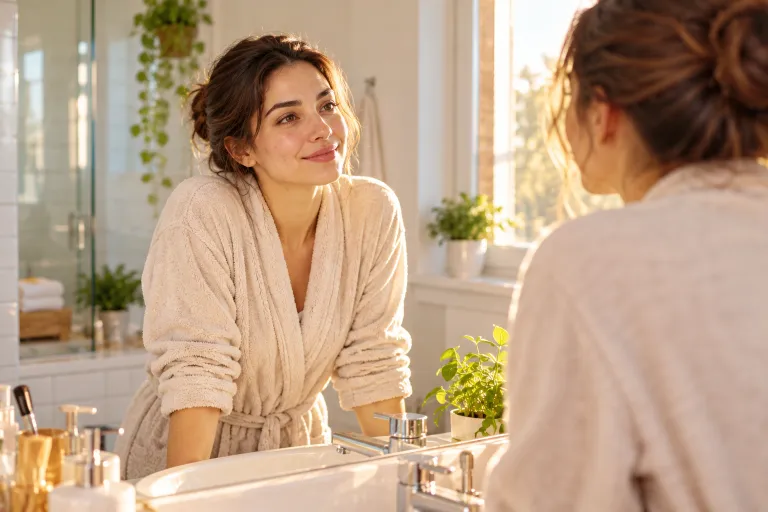
Listen to how you speak to yourself in the mirror. Would you say those words to your best friend?
Most of us would never call a friend “disgusting” because of a breakout, yet we say it to ourselves without blinking. Try this: the next time a harsh thought shows up, rewrite it in the voice you would use for someone you love. “My skin looks awful” can become “My skin is having a rough week, and that is okay.”
A common mistake is trying to force big, bubbly affirmations that feel fake. The fix is smaller. Aim for neutral and kind rather than perfect. This works best on low-confidence mornings when you just need to get out the door.
2. Remember That Acne Is Common and Not a Personal Failure
Picture a classroom, an office, a coffee shop line. Many of the people in that room have dealt with breakouts too, even if you cannot see it.
Acne is influenced by hormones, genetics, stress, and skin oil, and it affects people of many ages, including adults well into their 30s and 40s. It is not a sign that you are dirty or lazy. Many people who scrub harder or wash more often actually irritate their skin and make breakouts feel worse.
When shame creeps in, remind yourself of the facts. Breakouts are a skin condition, not a character flaw. Keep this thought handy for the days when you feel like the only one struggling.

3. Build a Gentle Skin Routine Instead of Declaring War on Your Face
Think of your skin barrier like a cozy sweater. Rough treatment pulls at the threads.
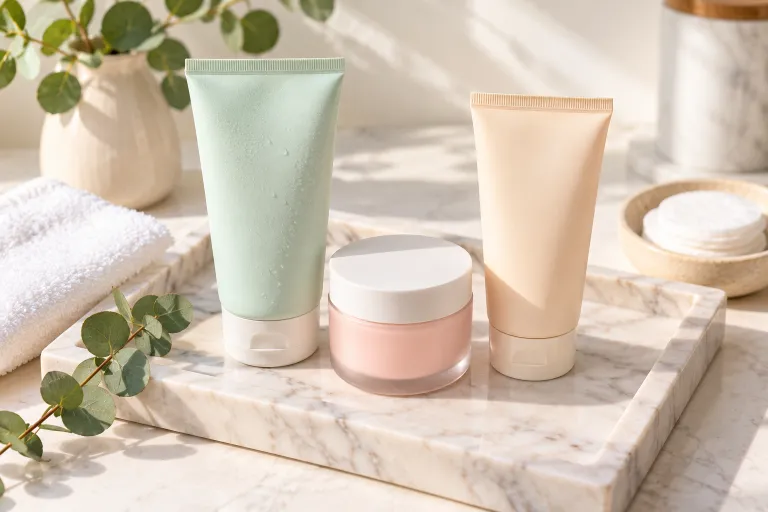
A gentle routine is simple: a mild cleanser twice a day, a lightweight moisturizer, and sunscreen in the morning. Many people reach for harsh scrubs and strong spot treatments all at once, then wonder why their face feels tight, red, and angry. If your skin stings or peels, scale back. Add one new product at a time and give it a few weeks before judging it.
This is a lovely lesson for anyone with sensitive or easily irritated skin. A calm routine also helps your mindset because you stop feeling like you are at battle with yourself.
4. Take a Break From Photo Filters and Heavy Editing
Smooth, poreless skin on your screen is often a trick of software, not real life.
Endless filtered photos can quietly reset what you think normal skin looks like. Real skin has texture, pores, and the occasional bump, even on people who look flawless online. If you notice your mood dip after scrolling, try a short break or follow accounts that show unedited skin.
A helpful tip is to look at a few real, close-up skin photos each week. It sounds small, but it trains your eyes to see normal as normal. Worth bookmarking for the next time social media leaves you feeling low.

5. Learn the Difference Between Skin Care and Skin Obsession
Caring for your skin feels peaceful. Obsessing over it feels like a trap.
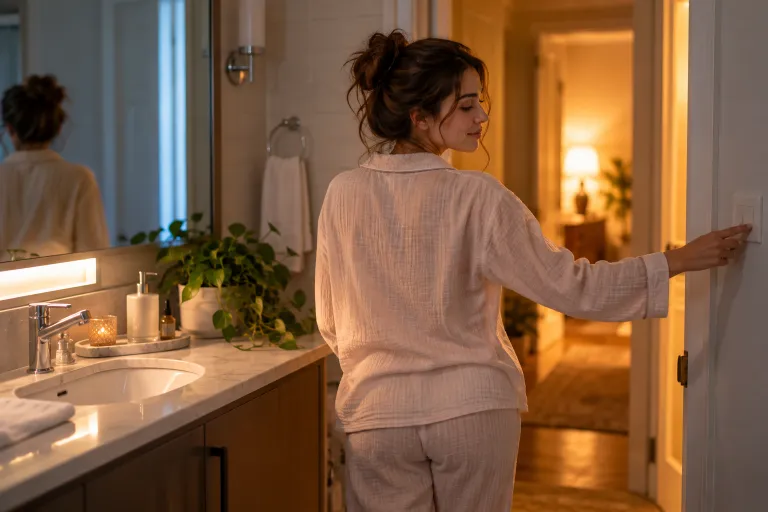
Signs you may have crossed the line include picking at spots for long stretches, checking the mirror again and again, or canceling plans because of a breakout. A good boundary is to set a mirror limit, like one check in the morning and one at night. Natural light can also be far more forgiving than harsh bathroom bulbs, which exaggerate every bump.
If your thoughts about your skin feel overwhelming or take over your day, it is worth talking to a doctor or a mental health professional. Asking for help is a sign of strength, not weakness.
6. Stop Picking and Treat Your Skin Like It Deserves Care
That quick squeeze can leave marks that last far longer than the pimple itself.
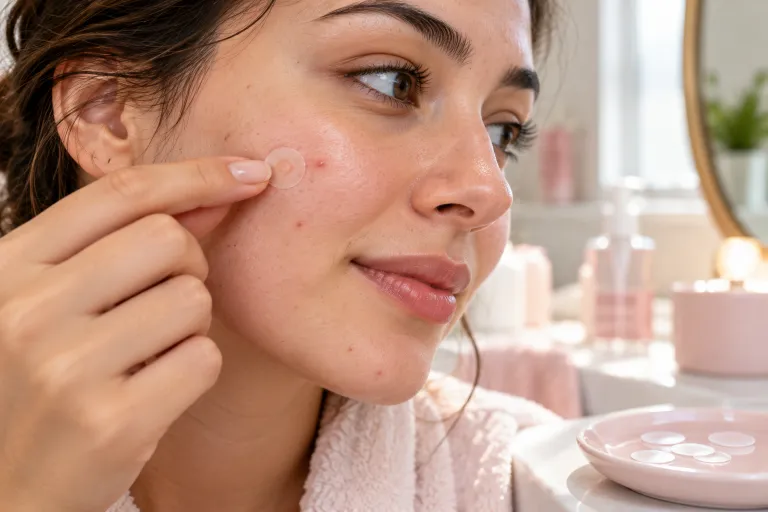
Picking pushes bacteria and inflammation deeper and can lead to dark marks or scarring. The fix is to keep your hands busy and your skin covered. A hydrocolloid pimple patch can protect a spot, absorb fluid, and make you less tempted to touch it. Keep a few in your bag for emergencies.
If you pick when you are anxious, try holding a smooth stone, a fidget ring, or a soft stress ball instead. This is especially helpful during long workdays or late-night scrolling sessions.
7. Celebrate What Your Body Does Beyond Your Skin
Your skin is one small part of a whole, hardworking person.
Make a quick list of things your body lets you do: hug your family, dance in the kitchen, walk in the sun, carry groceries up the stairs. When breakouts take over your thoughts, this list pulls your attention back to what really matters. Many people find it helps to write three things they appreciate about themselves each night, and none of them can be about skin.
This works well as a nightly ritual with a notebook by your bed. It is easy to forget, so save it for a rough day when you need a reset.

8. Lean on Real Support Instead of Hiding Away
Breakouts feel heavier when you carry them alone.
Tell a trusted friend how you really feel, join a supportive online community, or talk with someone who has been through it. Avoid spaces that only trade miracle cures and before-and-after photos, because they can fuel comparison. Look for people who share honest stories and gentle encouragement.
If your acne is painful, severe, or leaving marks, see a dermatologist. Professional treatments can make a real difference, and getting help is part of caring for yourself, not a sign you have failed at home care.

9. Be Patient With Healing and Skip the Overnight Fix Mindset
Skin works on its own slow schedule, and rushing it usually backfires.
Most new routines need around six to eight weeks before you can fairly judge them, since skin renews itself over several weeks. Jumping between products every few days confuses your skin and drains your wallet. A simple photo in the same light once a month can show progress you might miss in the mirror.
Treat patience as part of the plan. This is perfect for anyone who has tried ten different products in a row and ended up discouraged.
10. Wear Your Confidence, With or Without Makeup
Confidence is not the absence of breakouts. It is choosing to show up anyway.
If makeup makes you feel good, enjoy it. Lightweight, non-comedogenic formulas and clean brushes help keep skin comfortable. If you want a bare-faced day, that is wonderful too. The key is that the choice is yours and not driven by fear or hiding.
Try going makeup-free for one small outing, like a quick walk or a coffee run. It can feel scary at first, but many people find the world barely notices, and that discovery is freeing.

Conclusion
If the mirror has ever made you want to cancel your plans, I hope these lessons feel like a warm hand on your shoulder. Your skin may have good days and rough days, but your worth stays the same through all of them. Start with one gentle thought today and let it grow from there. Save this post for the mornings you need a reminder, and share it with a friend who could use some kindness too.
6. Image Alt Text Suggestions
- Woman smiling gently at a bathroom mirror, practicing acne positivity with a kind inner voice
- Group of friends laughing at a cafe, showing that acne is common and normal
- Gentle skincare routine products on a white tray, including cleanser, moisturizer, and sunscreen
- Phone face down on a cozy bed beside a cup of tea, taking a break from filtered photos
- Woman turning off the bathroom light to step away from the mirror and avoid skin obsession
- Hand applying a hydrocolloid pimple patch to a cheek to stop picking
- Journal, pen, and herbal tea on a bedside table for a nightly gratitude habit
- Two women sharing support on a sofa while talking about acne and self-care
- Wall calendar with check marks tracking patient skin progress
- Woman walking outdoors with bare skin, feeling confident without makeup
7. FAQ Section
What does acne positivity mean?
Acne positivity is the practice of accepting your skin while you treat it, without shame or harsh self-criticism. It means you can want clearer skin and still feel worthy and confident right now.
How can I feel confident with acne?
Start by changing how you talk to yourself and limiting time spent comparing your skin to filtered photos. Small habits like a gentle routine, supportive friends, and a few makeup-free outings can build confidence over time.
Is it normal to feel sad or anxious about breakouts?
Yes, many people feel upset about acne, and those feelings are valid. If they start affecting your daily life, talking with a doctor or mental health professional can help.
Does stress cause acne?
Stress can make breakouts worse for some people by affecting hormones and oil production. It is rarely the only cause, so it helps to combine stress care with a gentle skin routine.
Should I wear makeup if I have acne?
You can, if it makes you feel good. Choose lightweight, non-comedogenic products and keep your brushes clean, and take bare-skin days whenever you feel ready.
When should I see a dermatologist for acne?
Consider seeing one if your acne is painful, leaves scars or dark marks, or does not improve with gentle home care after a couple of months. A professional can offer treatments that are hard to get over the counter.
If you would like the feature image and the detailed generation prompts for each image, just say the word.


