

12 Skin Concern Secrets for a Healthy Glow
Have you ever tried a new product, waited weeks for results, and still felt stuck with the same skin concern? You are not alone. Most of us have stood in front of the mirror wondering why our skin looks tired, patchy, or just not like itself. The truth is, a lot of common skin concerns come down to a few small misunderstandings, not a lack of effort. This article walks through 12 secrets that explain what is really going on with your skin and what actually helps. By the end, you will have a clearer picture of your own skin and a simple plan to bring back that healthy glow.
1. Your Skin Type Can Change With the Seasons
Most people pick a skin type once and stick with it for years. That is one of the quietest reasons a skin concern keeps coming back. Skin that feels normal in summer can turn dry and tight once the weather cools down.
Pay attention to how your skin behaves each season instead of assuming it stays the same. If your winter skin feels rough even though your usual moisturizer worked fine in July, that is a sign to switch to something richer. A lightweight gel moisturizer might suit a humid August afternoon, while a cream with shea butter works better for a dry January morning.
Checking in with your skin every few months, instead of locking into one routine forever, is a small habit that solves a surprising number of skin concerns before they start.

2. Dry Skin and Dehydrated Skin Are Not the Same Thing
This is one of the most overlooked skin concerns out there. Dry skin lacks oil. Dehydrated skin lacks water. You can actually have oily, dehydrated skin at the same time, which confuses a lot of people.
The fix depends on which one you are dealing with. Dry skin needs oil based products like facial oils or heavier creams. Dehydrated skin needs water based ingredients like hyaluronic acid, applied to slightly damp skin so it can pull moisture in properly.
Common mistake: applying hyaluronic acid to bone dry skin and expecting it to work like a moisturizer. Hyaluronic acid draws water from the air or from lower layers of skin. If there is no water nearby, it can actually pull moisture out of your skin instead. The fix is simple: mist your face lightly or apply the serum right after washing, while your skin is still damp, then seal it in with a cream.

[INTERNAL LINK OPPORTUNITY: budget-friendly skin care swaps for dry winter skin]
3. A Damaged Skin Barrier Explains More Than You Think
If your skin stings when you apply products that never used to bother you, your barrier might be compromised. This thin outer layer protects your skin from irritation and holds moisture in. When it breaks down, almost every other skin concern gets worse.
Signs of a damaged barrier include tightness, redness, small bumps, and sensitivity to products you normally tolerate well. This often happens after using too many active ingredients at once, like retinol and exfoliating acids stacked together every night.
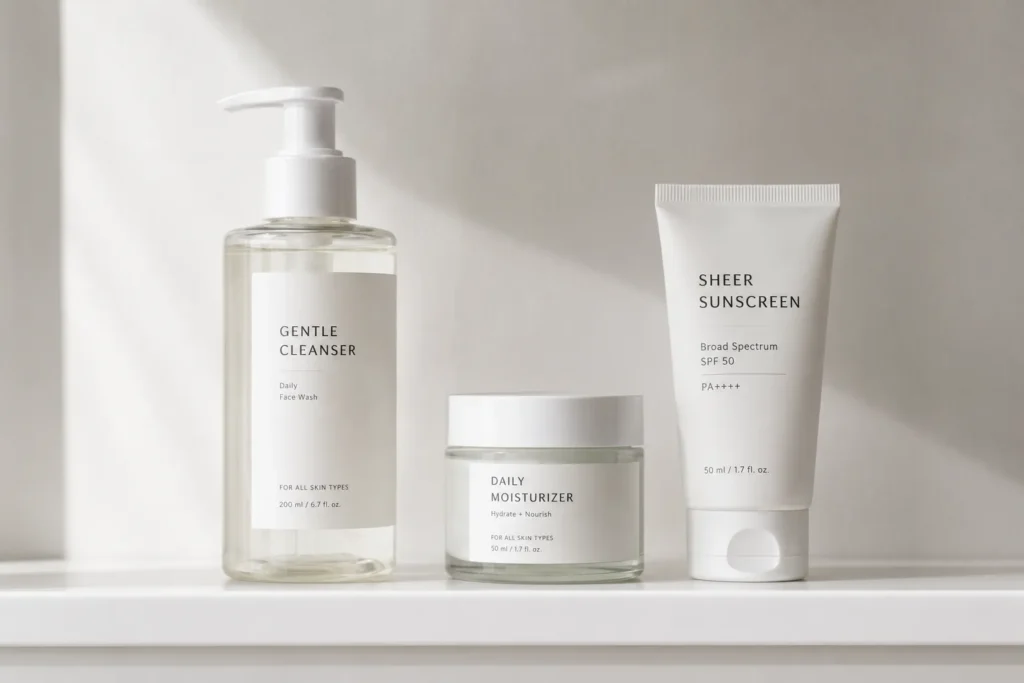
The repair process is quiet and boring on purpose. Cut back to a gentle cleanser, a simple moisturizer, and sunscreen for one to two weeks. Skip exfoliants and strong actives during this time. Think of it as giving your skin a rest, the same way a sore muscle needs a break before you push it again.
4. Overwashing Can Cause the Exact Problem You Are Trying to Fix
Washing your face more often feels like it should help oily or acne prone skin. In reality, it often backfires. Stripping your skin too much signals your oil glands to produce even more oil to compensate.
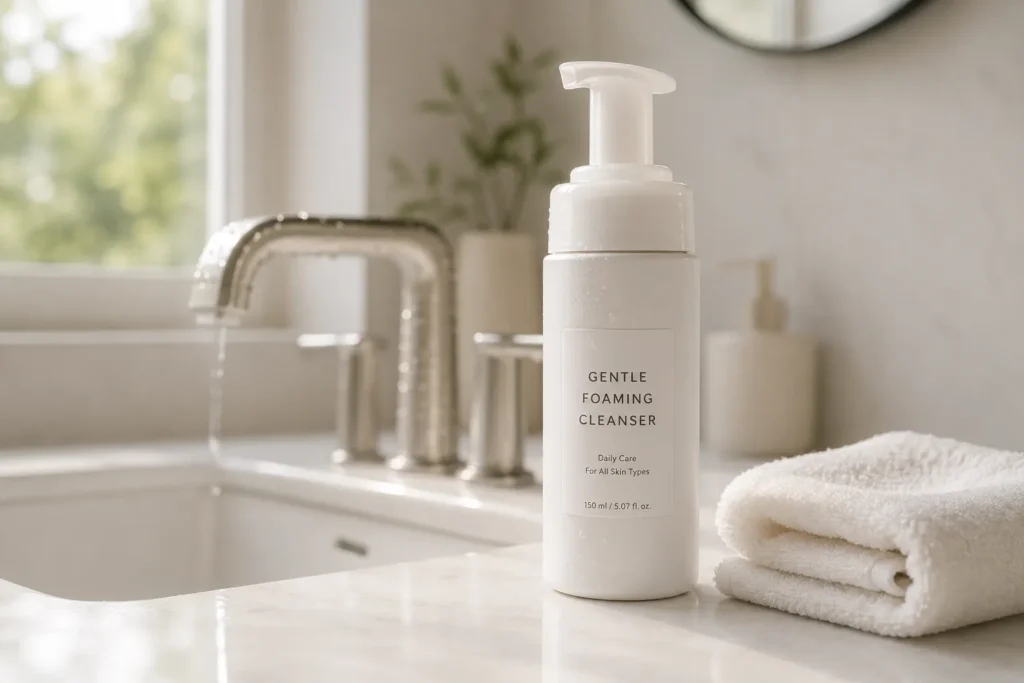
Common mistake: washing your face three or more times a day when breakouts show up. The correct approach is washing twice a day, morning and night, with a gentle cleanser that does not leave your skin feeling tight or squeaky clean.
If you sweat heavily during a workout, a quick rinse with water is enough in between your two real cleanses. This use case matters most for anyone dealing with both oiliness and breakouts, since overwashing is one of the most common hidden causes behind that combination.
5. Sun Damage Is the Quiet Cause Behind Many Skin Concerns
Dark spots, fine lines, and dull texture often get blamed on aging or genetics. Sun exposure is usually a bigger factor than people realize, and it builds up slowly over years without much warning.
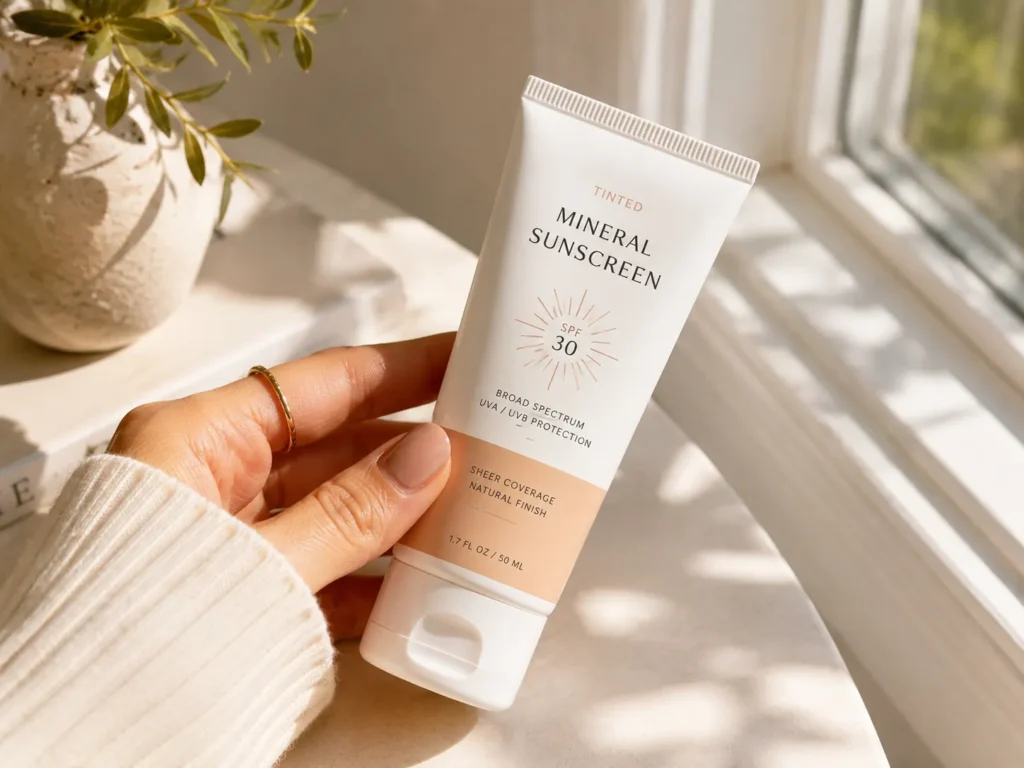
Daily sunscreen is the single most effective step for preventing new damage while your skin works on repairing existing spots. Look for at least SPF 30 for daily wear, and reapply if you are outside for long stretches. A tinted mineral sunscreen works well under makeup for anyone who dislikes the white cast some formulas leave behind.
This one habit does more for long term skin health than almost any serum on the market, which is worth remembering the next time you are tempted to skip it on a cloudy day.
6. Retinol Needs a Slow Introduction, Not a Fast Start
Retinol has a reputation for delivering real results, and it earns that reputation when used correctly. The problem shows up when people start too strong, too fast, hoping for quicker results.
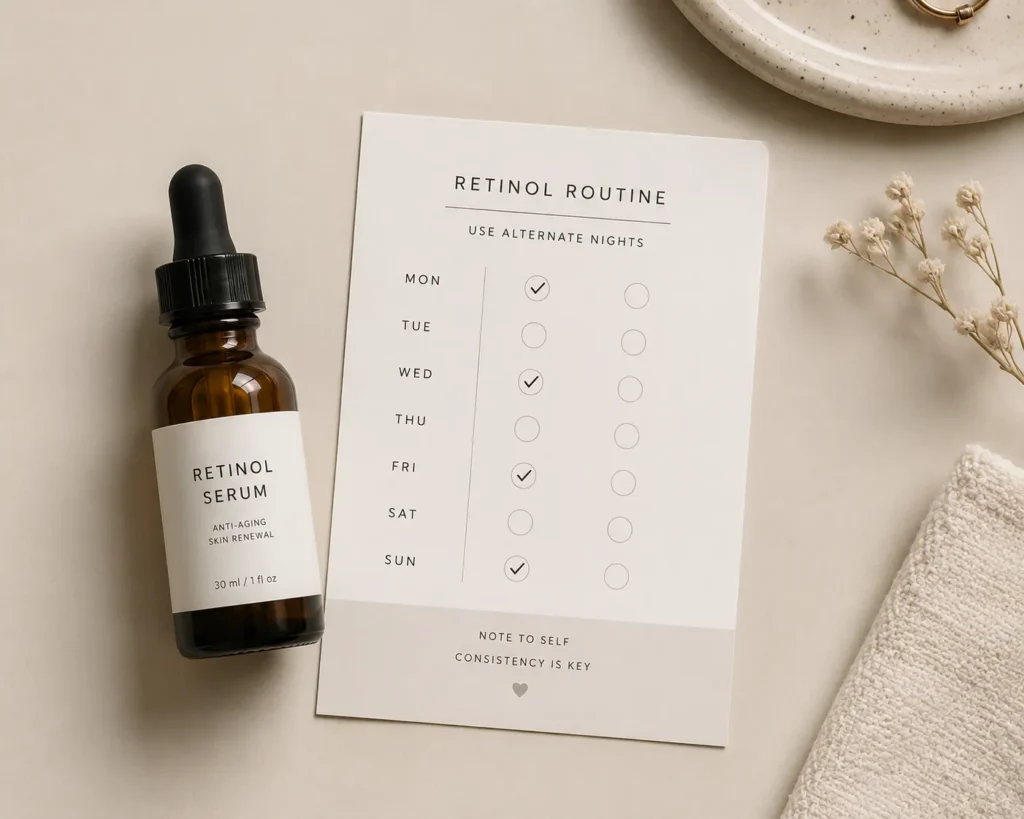
Begin with a low percentage retinol, applied two to three nights a week, always at night since it can increase sun sensitivity. Give your skin several weeks before increasing frequency. Some redness or light peeling in the first couple weeks is normal, but ongoing burning or swelling means you need to slow down.
A useful way to picture it: think of retinol like training for a run. You would not sprint a marathon on day one. Building up slowly gets you further with fewer setbacks along the way.
7. What You Eat Shows Up on Your Skin Eventually
Skin care products work on the surface, but diet plays a role in how your skin behaves underneath. Sudden breakouts after a week of heavy dairy or sugar are not just a coincidence for a lot of people.
This does not mean you need a strict diet to have clear skin. Small, realistic changes tend to help more than an all or nothing approach. Adding more water, leafy greens, and omega rich foods like salmon or walnuts supports skin from the inside, while cutting back slightly on sugary snacks can calm down persistent breakouts over a few weeks.
Think of your plate as one more tool in your skin care routine, not a replacement for it, but not something to ignore either.

8. Stress Breakouts Are a Real, Documented Pattern
Stress triggers a hormone called cortisol, and higher cortisol levels are linked to increased oil production and inflammation. That stubborn breakout during a stressful work week is not random bad luck.
You cannot eliminate stress completely, but a few small habits help your skin handle it better. A consistent sleep schedule, even ten minutes of quiet time before bed, and staying hydrated all support your skin’s ability to bounce back faster after a stressful stretch.
Save this one for later: the next time a breakout shows up right before a big event, check back on your stress levels from the past few days before blaming your skin care routine.

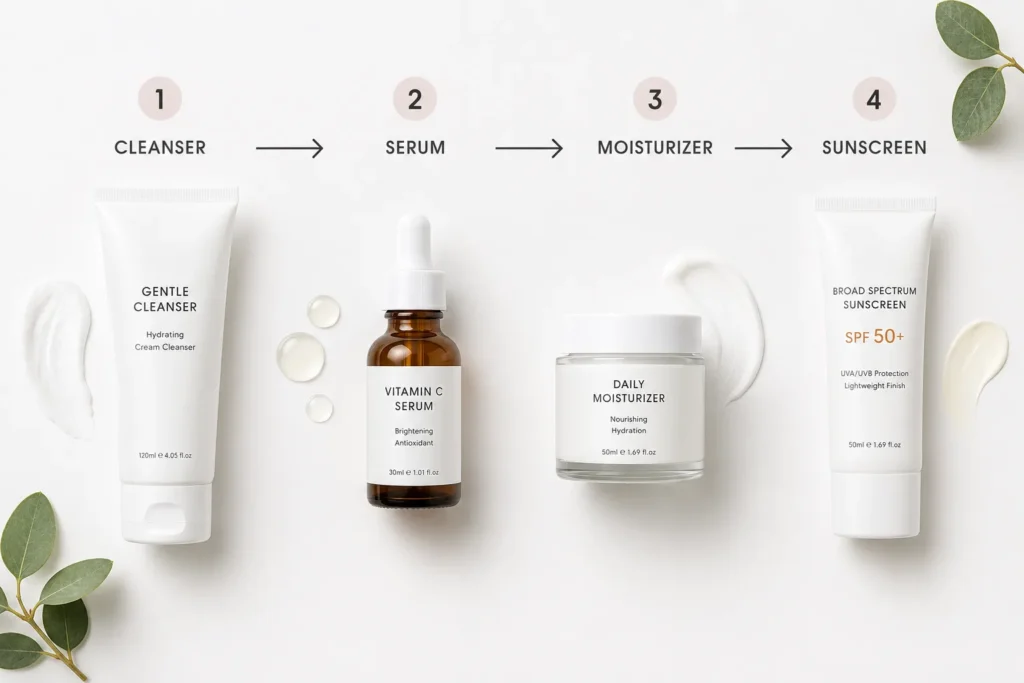
9. The Order You Apply Products Actually Matters
Applying products in the wrong order can cancel out their benefits or cause irritation. This is a skin concern people rarely think about, since most of us just layer things in whatever order feels natural.
The general rule is thinnest to thickest. Start with a gentle cleanser, follow with a toner if you use one, then water based serums, then oil based serums, then moisturizer, and sunscreen last during the day. Vitamin C works best in the morning under sunscreen, while retinol belongs at night after cleansing.
For anyone using several products at once, this order helps each one absorb properly instead of sitting on top of the last layer without doing much.
10. Spot Treating Acne Without Drying Out Everything Around It
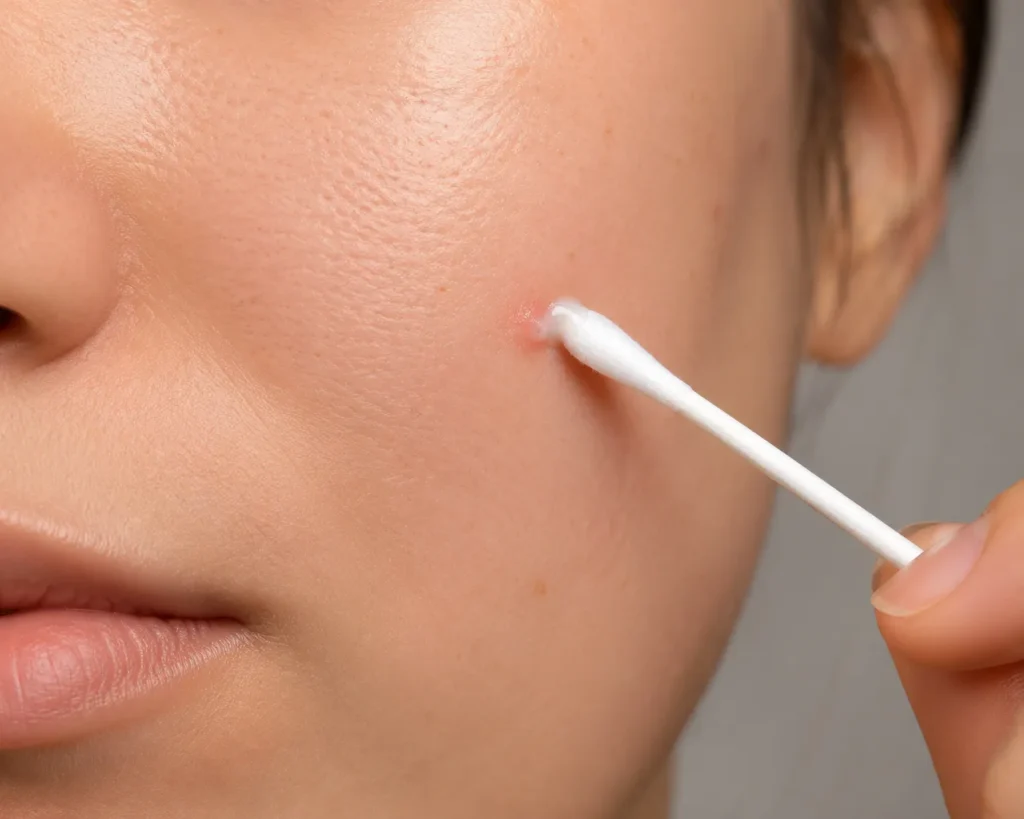
A common mistake is applying strong spot treatments over the entire face instead of just the breakout itself. This dries out healthy skin unnecessarily and can trigger even more oil production as a response.
Apply spot treatments with salicylic acid or benzoyl peroxide directly onto the blemish using a cotton swab, not your whole face. Keep the rest of your routine gentle and hydrating so your skin barrier stays balanced while the treatment does its job on the spot that actually needs it.
This targeted approach works especially well for anyone dealing with occasional hormonal breakouts rather than widespread acne, since it treats the problem without punishing the rest of your face.
11. Hyperpigmentation Takes Patience, Not Harsh Products
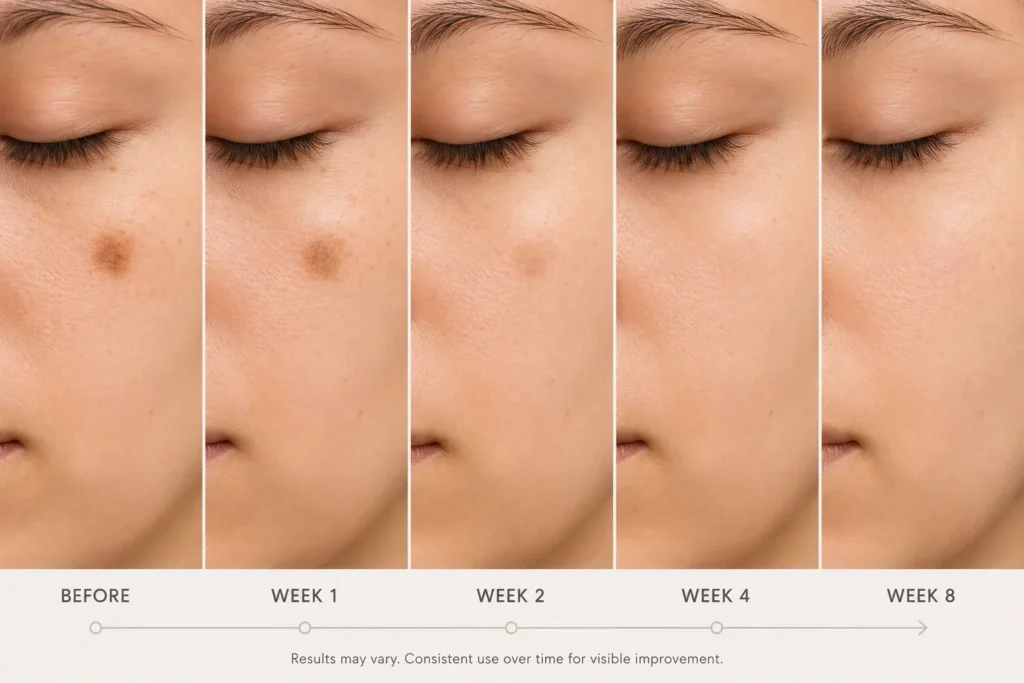
Dark spots left behind by old breakouts or sun exposure test everyone’s patience. It is tempting to reach for the strongest product on the shelf, hoping for a fast fix.
Ingredients like vitamin C, niacinamide, and gentle exfoliating acids fade hyperpigmentation gradually over eight to twelve weeks of consistent use. Sunscreen is non negotiable here, since sun exposure darkens these spots further and undoes any progress you have made.
Common mistake: switching products every two weeks because results feel slow. Skin cell turnover takes time, so give one routine a full two to three months before deciding it is not working.
12. Sleep Is When Your Skin Does Its Real Repair Work
Skin cell turnover and collagen repair both increase while you sleep, which is why one rough night shows up as dullness the next morning and one good stretch of sleep can bring back a noticeable glow.
Aim for a consistent bedtime rather than chasing an exact number of hours. A silk or satin pillowcase can also reduce friction on your skin overnight, which helps for anyone prone to sleep creases or irritation on one side of the face.
This is the skin concern secret most people skip, since it does not involve buying a product. But few habits affect your glow as directly as the quality of your sleep does.

[INTERNAL LINK OPPORTUNITY: healthy skin routines to wake up glowing daily]
A Few Final Thoughts
Every skin concern on this list comes back to the same idea: understanding what your skin actually needs instead of guessing. You do not need a shelf full of products or a complicated ten step routine to see real change. Start with just one or two of these secrets this week, maybe fixing your product order or finally committing to daily sunscreen, and give your skin time to respond. Save this article so you can come back to it whenever a new skin concern pops up. Your glow is closer than you think.
Image Alt Text Suggestions
- Lightweight gel and rich cream moisturizers grouped for seasonal skin care switching
- Water based serum applied to damp skin for better hydration absorption
- Simple gentle skin care routine of cleanser, moisturizer, and sunscreen for barrier repair
- Gentle foaming cleanser and soft washcloth for a balanced twice daily wash routine
- Tinted mineral sunscreen tube near a sunny window for daily sun protection
- Retinol dropper bottle with a weekly tracker for slow, gradual introduction
- Bowl of salmon, leafy greens, and walnuts for skin supporting nutrition
- Calming nighttime routine with tea and journal to manage stress related breakouts
- Flat lay of skin care products arranged in correct thinnest to thickest order
- Cotton swab applying targeted spot treatment to a single blemish
- Before and after progression showing gradual fading of hyperpigmentation over weeks
- Cozy bedroom with silk pillowcase supporting overnight skin repair and glow
FAQ Section
What is the most common skin concern people deal with? Dryness and dehydration top the list for most people, though many do not realize these are two separate issues. Figuring out which one you actually have makes it much easier to choose the right products.
How long does it take to see results from a new skin care routine? Most active ingredients need eight to twelve weeks of consistent use before you see real change. Skin cell turnover is a gradual process, so switching products too soon often resets progress you have already made.
Can stress really cause breakouts? Yes, stress raises cortisol levels, which can increase oil production and inflammation in the skin. Managing stress through sleep and small daily habits often improves stubborn breakouts more than a new product would.
Is it bad to use retinol and vitamin C together? They can be used on the same day but work best at different times. Vitamin C fits well into a morning routine under sunscreen, while retinol works best applied at night after cleansing.
Why does my skin feel oily and dry at the same time? This usually means your skin is oily but dehydrated, lacking water rather than oil. Adding a lightweight, water based hydrator can balance this out without adding extra oil to your routine.
Do I really need sunscreen every day, even when it is cloudy? Yes, UV rays pass through clouds and still cause damage over time. Daily sunscreen is one of the most effective ways to prevent new dark spots and slow down early signs of aging.


