

10 Simple Skincare Routine Ideas for Glowing Skin
Have you ever stood in front of your bathroom mirror with six bottles in your hands, wondering which one goes first? You are not alone, and it is exhausting. A simple skincare routine can feel impossible when every feed tells you to add one more step. This guide strips it back to what actually matters, so you can build healthy, glowing skin without the overwhelm.
1. Build a Simple Skincare Routine Around Three Core Steps
Think of your skin like a small garden. It needs cleaning, watering, and shade. In skincare terms, that means cleanser, moisturizer, and sunscreen.
Start there and nothing else for the first two weeks. If you have a busy morning, a three-step simple skincare routine takes about two minutes. That is easy to keep up, and keeping up is what makes skin look better over time.
A common mistake is adding a serum, a mask, and a toner all in the same week. If your skin gets irritated, you will have no idea which product caused it. The fix is to master the basics first, then add extras one at a time.
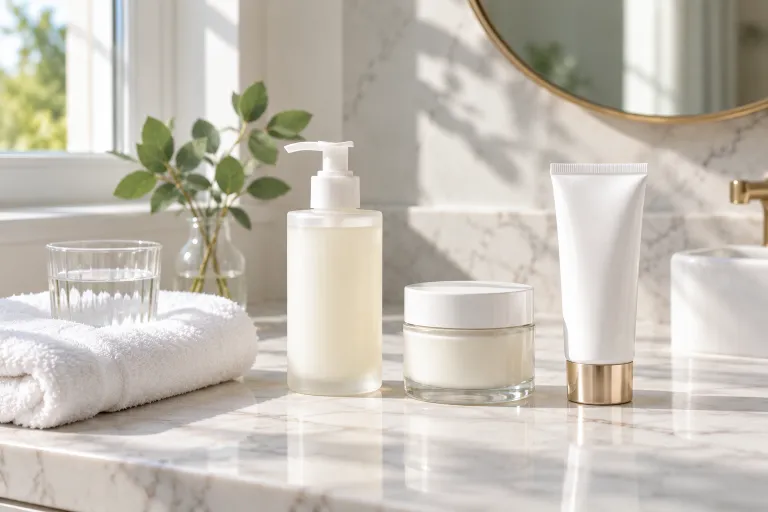
2. Pick a Gentle Cleanser That Leaves Skin Soft, Not Squeaky
Picture your face after washing. It should feel clean and comfortable, like a freshly rinsed cotton sheet. If it feels tight or squeaky, the cleanser is probably too harsh.
Look for creamy, gel, or milky formulas labeled “gentle” or “fragrance-free.” Dry or sensitive skin often does well with cream cleansers. Oily skin can do well with a light gel.
Most people overlook the water temperature. Hot water strips natural oils and can leave skin feeling dry. Use lukewarm water, massage for about 30 to 60 seconds, and pat dry with a clean towel instead of rubbing.

3. Layer a Hydrating Serum on Slightly Damp Skin
Skin that looks plump and dewy usually has plenty of water in it. A hydrating serum with ingredients like hyaluronic acid or glycerin helps hold that moisture close to the surface.
Here is a small trick that makes a big difference. Apply your serum while your face is still a little damp from cleansing. The damp skin gives the formula something to grab onto, so it feels smoother and absorbs more comfortably.
This works especially well for dry winter air or air-conditioned offices. Two or three drops are plenty. If you only add one extra step to your simple skincare routine, this is a lovely one to start with.

4. Moisturize Even If Your Skin Feels Oily
Many people with shiny skin skip moisturizer, hoping to dry out the oil. It often backfires. When skin feels dehydrated, it can look shinier and feel less balanced.
Choose a lightweight, oil-free gel moisturizer if you break out easily. Dry skin usually loves a richer cream with ingredients like ceramides or shea butter. Normal and combination skin can often use a middle-weight lotion.
Apply a pea-sized to nickel-sized amount to your face and neck, pressing it in with your palms. Think of it as sealing in everything underneath. Keep a travel-size tube in your bag for dry office afternoons.
5. Make Daily Sunscreen the Non-Negotiable Final Step
If you want glowing skin that stays that way, sunscreen is the quiet hero. Sun exposure is one of the biggest causes of uneven tone and early lines, and it happens even on cloudy days and through windows.
Choose a broad-spectrum SPF 30 or higher that you actually enjoy wearing. A sunscreen that feels greasy will sit in the drawer, so try lighter lotions, fluid textures, or mineral formulas until one feels comfortable.
The classic mistake is applying too little. A good guide is about two finger-lengths for the face and neck. Reapply every two hours if you are outside for long stretches.

6. Add One Active Ingredient at a Time
Actives such as vitamin C, niacinamide, or gentle exfoliating acids can brighten skin and even out texture. They are also easy to overdo.
Pick a single goal. If you want a brighter look, try vitamin C in the morning. If you want calmer, smoother-looking skin, niacinamide is often well tolerated. Use it every other day at first, then build up if your skin feels comfortable.
Wait at least two weeks before adding a second active. That gap lets you see how your skin responds. It is the easiest way to avoid redness, stinging, and a damaged skin barrier.
7. Exfoliate Gently, Once or Twice a Week
Dull skin often comes from dead skin cells sitting on the surface. Gentle exfoliation helps clear them away so your skin reflects light better.
Chemical exfoliants, like lactic acid or mandelic acid, are often kinder than rough scrubs with large particles. Start with once a week at night and see how you feel. Dry or sensitive skin may want to stay at that pace.
Skip exfoliating on days you have a sunburn, cuts, or irritated patches. Follow with a plain moisturizer. You will want to bookmark this one for the nights your skin feels rough and tired.

8. Create a Simple Night Skincare Routine That Takes Five Minutes
Your skin does much of its repair work while you sleep, so night is a great time to be gentle and consistent. A simple night skincare routine can be as short as cleanse, treat, and moisturize.
Start by removing makeup and sunscreen, either with a balm or micellar water first, then your regular cleanser. Pat dry, add your serum or active if you use one, then lock it in with moisturizer.
On tired nights, even cleanse and moisturize is a win. Going to bed with makeup or sunscreen still on your face is one of the most common habits that can leave skin looking clogged and dull the next day.
9. Support Your Glow With Sleep, Water, and Clean Pillowcases
Products help, but daily habits shape how your skin looks. Skin often looks more rested and fresh after good sleep, and drinking enough water helps you feel better overall.
A small and easy upgrade is your pillowcase. Change it once or twice a week, since it touches your face for hours every night. Softer fabrics like cotton or silk can also feel gentler on skin.
Keep your phone screen clean too, because it rests against your cheek during calls. These tiny shifts cost almost nothing, and they fit well into a busy week or a tight budget.

10. Patch Test New Products and Give Your Skin Time
Excited to try something new? Hold on a moment. Test it on a small area, like behind your ear or along your jaw, for a day or two before putting it on your whole face.
Then give each new product about four to six weeks before deciding if it works. Skin renews itself on a slow cycle, so quick judgments often lead to quitting too early or switching constantly.
If your skin keeps reacting, stinging, or breaking out, talk with a dermatologist. They can help you find what suits your skin, especially when you have ongoing concerns.

Final Thoughts
Great skin does not need a crowded shelf or a complicated plan. If your old routine left you confused and tired, a simpler one can feel like a relief. Choose just one idea from this list and try it this week. Small, steady steps are what bring that healthy, glowing look over time. Pin this article so it is waiting for you the next time you wonder where to begin.
6. Image Alt Text Suggestions
- Tidy bathroom counter with cleanser, moisturizer, and sunscreen for a simple skincare routine
- Woman rinsing her face with a gentle cleanser at a white sink in soft morning light
- Glass dropper bottle of hydrating serum held near a woman’s glowing cheek
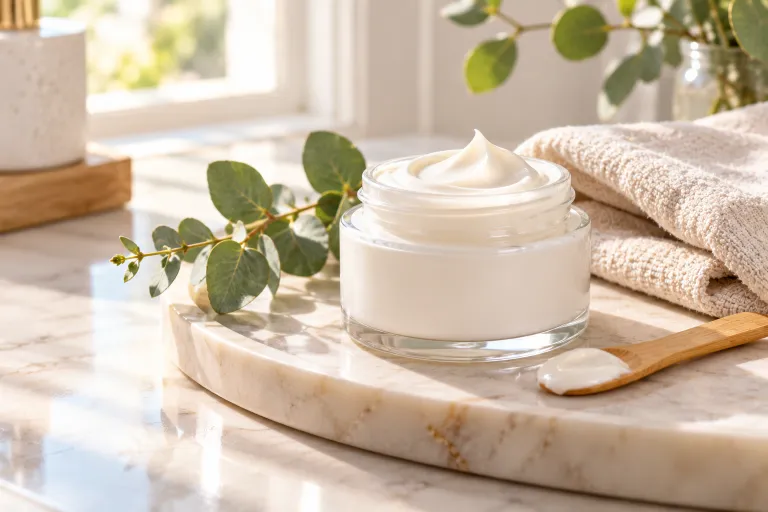
- Open jar of lightweight moisturizer on a marble tray with a folded linen towel
- Woman applying daily sunscreen to her cheek beside a sunny window
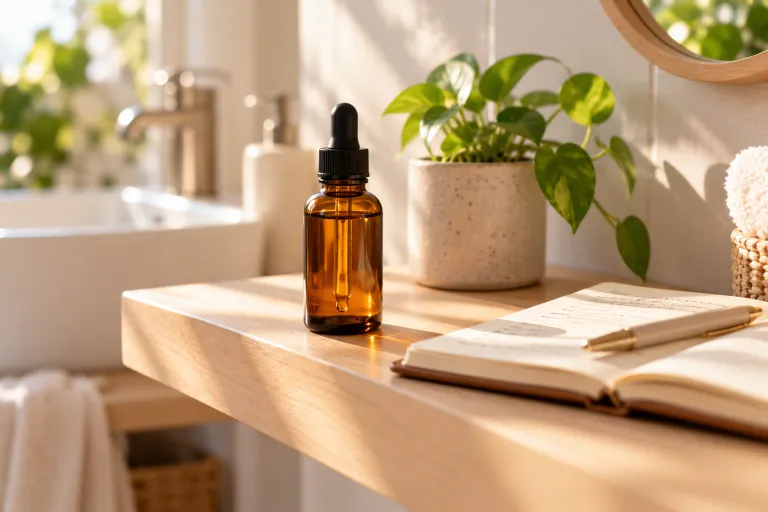
- Single amber serum bottle with a skincare notebook on a bathroom shelf
- Woman in a cream robe applying gentle exfoliating lotion with clean fingertips
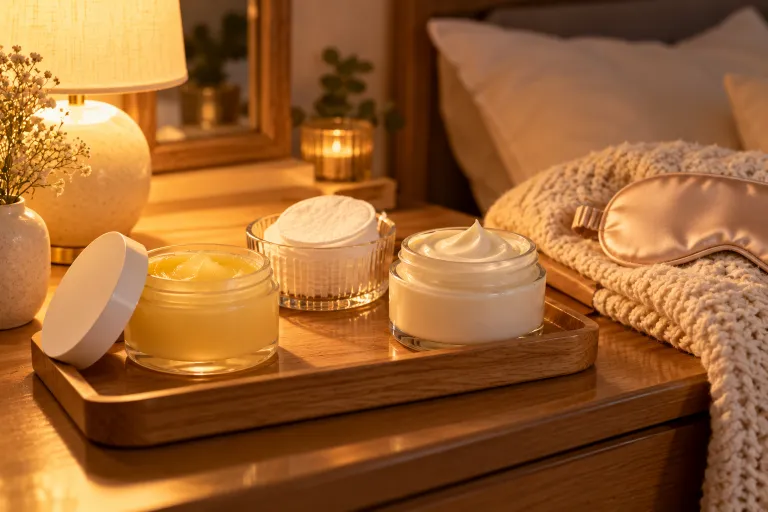
- Bedside vanity with cleansing balm, cotton pad, and night cream for a simple night skincare routine
- Freshly made bed with a white pillowcase and glass of water for glowing skin habits
- Woman patch testing a new skincare product below her ear in a bathroom mirror
7. FAQ Section
What is the simplest skincare routine for beginners?
Cleanse, moisturize, and apply sunscreen in the morning, then cleanse and moisturize at night. That is enough to build healthy habits. You can add a serum or an active ingredient later.
How many steps should a simple skincare routine have?
Three to four steps is plenty for most people. More steps do not always mean better results. Fewer products also make it easier to spot what your skin likes or dislikes.
Can I get glowing skin with just a few products?
Yes. A gentle cleanser, a good moisturizer, and daily SPF cover the most important needs. Consistency matters more than the number of products.
What order should I apply skincare products in?
Go from thinnest to thickest. Cleanser first, then serum, then moisturizer, and sunscreen last in the morning. At night, skip the sunscreen.
How long does it take to see results from a new routine?
Many people notice changes in about four to six weeks, since skin renews slowly. Mild hydration benefits may show up sooner. If irritation appears, stop and check with a dermatologist.


