

12 Kids Activities That Spark Creativity at Home Today
You know that moment when your kid says “I’m bored” for the fifth time before lunch, and you can feel your patience thinning out like it’s stretched over a rolling pin? You are not alone, and you are not failing at this. Most of the time, kids do not need more toys or another screen. They need a spark, something that gets their hands moving and their imagination working. This list gives you 12 simple kids activities you can start today with things already sitting in your kitchen drawers and craft bins, no special trip to the store required.
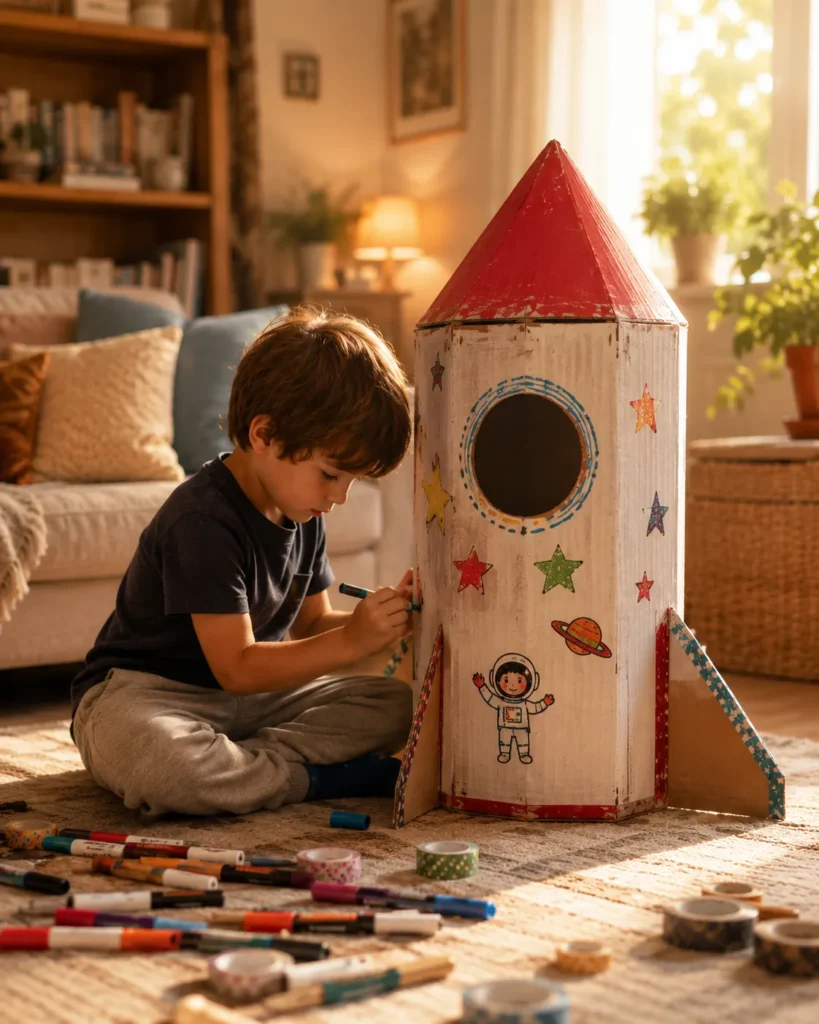
1. Cardboard Box Transformation Station
That empty delivery box is not trash, it is a blank canvas. Give your child markers, tape, and a few paper scraps, then let them decide if it becomes a race car, a puppet theater, or a robot costume. The magic here is that you do not tell them what to make. You just hand over the box and step back.
This works especially well for kids ages 4 to 8 who are old enough to plan a project but still love pretending. A common mistake parents make is jumping in to help cut or draw, which can shut down the child’s own ideas. Instead, offer safety scissors and let them struggle a little. That struggle is where the creative thinking actually happens.
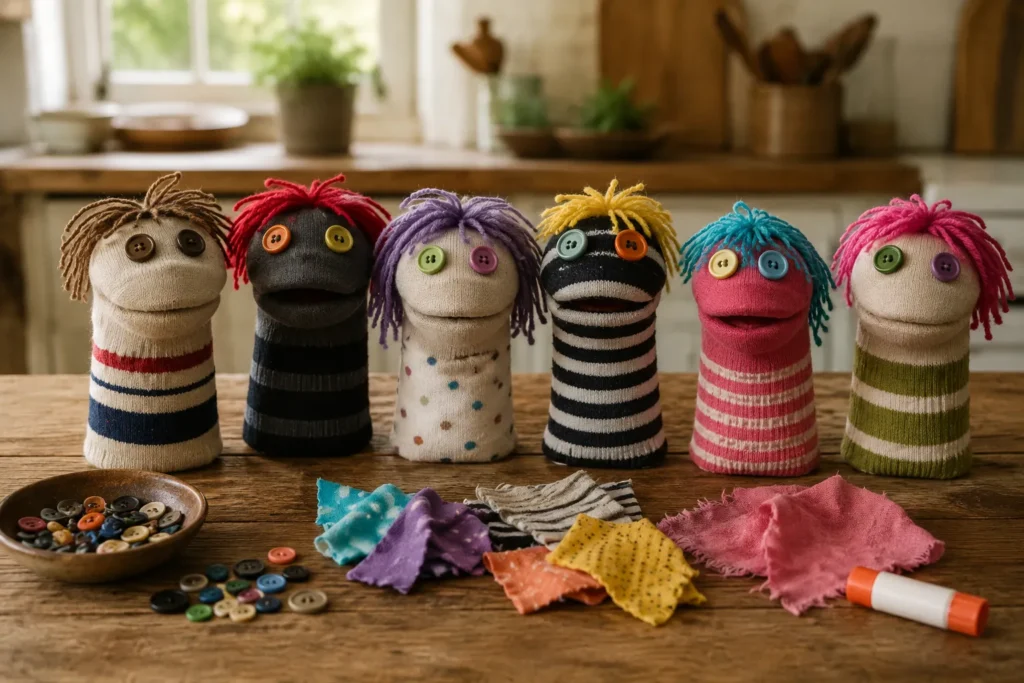
2. Sock Puppet Storytelling
Grab a few mismatched socks, some buttons, yarn, and fabric glue, and you have a full puppet making session. Once the puppets are done, encourage your child to put on a short show for you or a sibling. This activity works wonders for kids who feel shy talking about their day, because a puppet gives them a character to hide behind while their real feelings and ideas still come through.
Keep a small box of loose buttons and yarn scraps just for this so you are never scrambling for supplies. If you want to stretch the activity further, ask your child what problem their puppet needs to solve in the story. That single question turns simple crafting into real storytelling practice.
3. Kitchen Science Mix Lab
Set out small bowls of baking soda, vinegar, food coloring, and water, then let your child experiment with combinations on a tray. This is not about following a strict recipe. It is about watching bubbles form and colors mix and asking why that happened. Kids around 5 to 10 tend to love this one because it feels like real science, not a school worksheet.
A lot of parents skip this because they worry about mess, but a simple baking tray with raised edges keeps everything contained. Let your child predict what will happen before each mix. That guessing step builds the same thinking skills used in real experiments, and it turns a kitchen table into a lab bench.

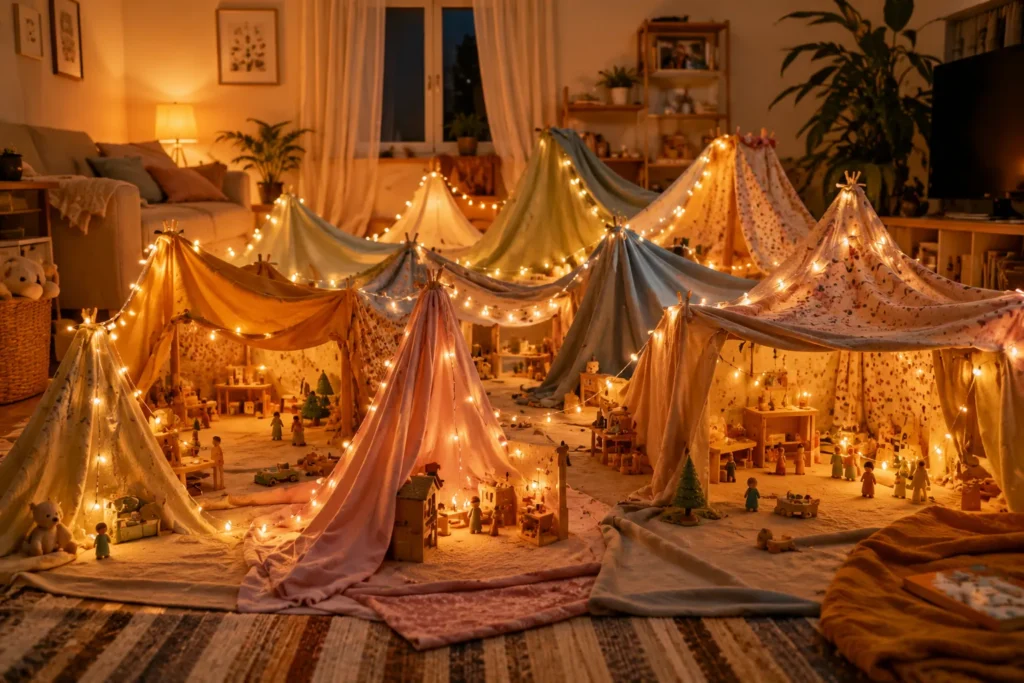
4. Blanket Fort City Planning
A pile of blankets, some clothespins, and a few chairs can become an entire city if you let the idea grow. Instead of building one fort, challenge your child to design a neighborhood of forts, each with a different purpose like a bakery, a library, or a firehouse. This use case framing turns a simple pillow fort into a full afternoon of imaginative planning.
This works best on a day when you have an hour or two free, since younger kids especially want you nearby even if you are not building anything yourself. Sitting close by reading a book while they work gives them the confidence to keep going without feeling like they have to entertain you too.
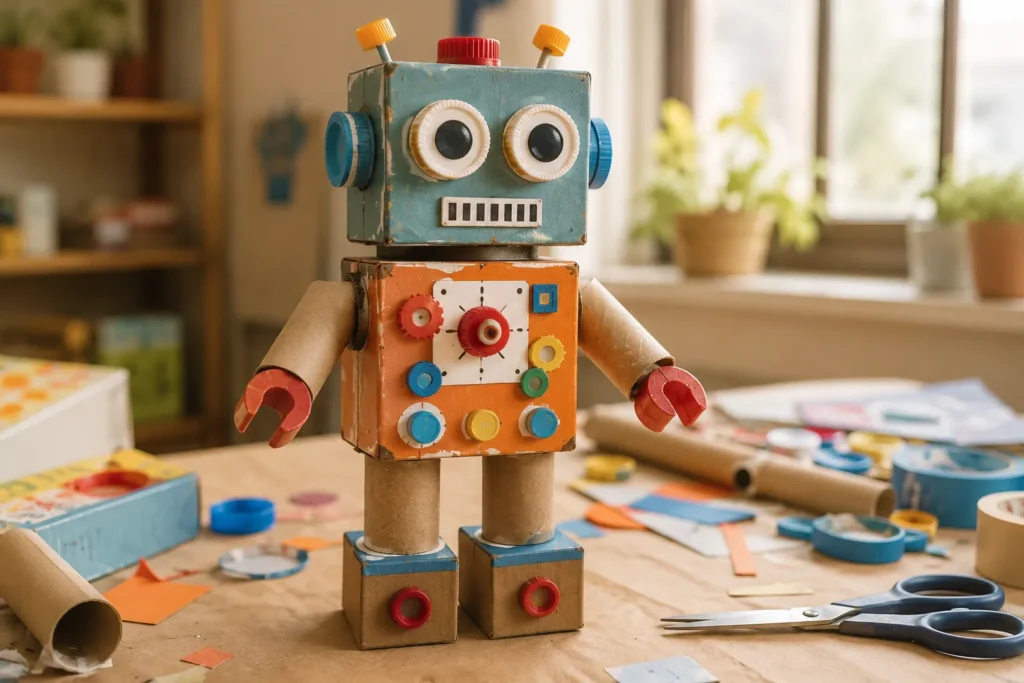
5. Recycled Material Sculpture
Bottle caps, cereal boxes, toilet paper rolls, and yogurt cups can turn into anything from a robot to an imaginary animal. Set a simple rule like “use only what is in this bin” and watch your child figure out how pieces fit together. This is one of those save worthy ideas you will want to come back to whenever your recycling bin fills up faster than usual.
The common mistake here is buying a kit that tells kids exactly what to build. Skip that. A loose pile of open ended materials asks more of a child’s brain than a kit with instructions ever could, because they have to solve the building problem themselves instead of following steps.
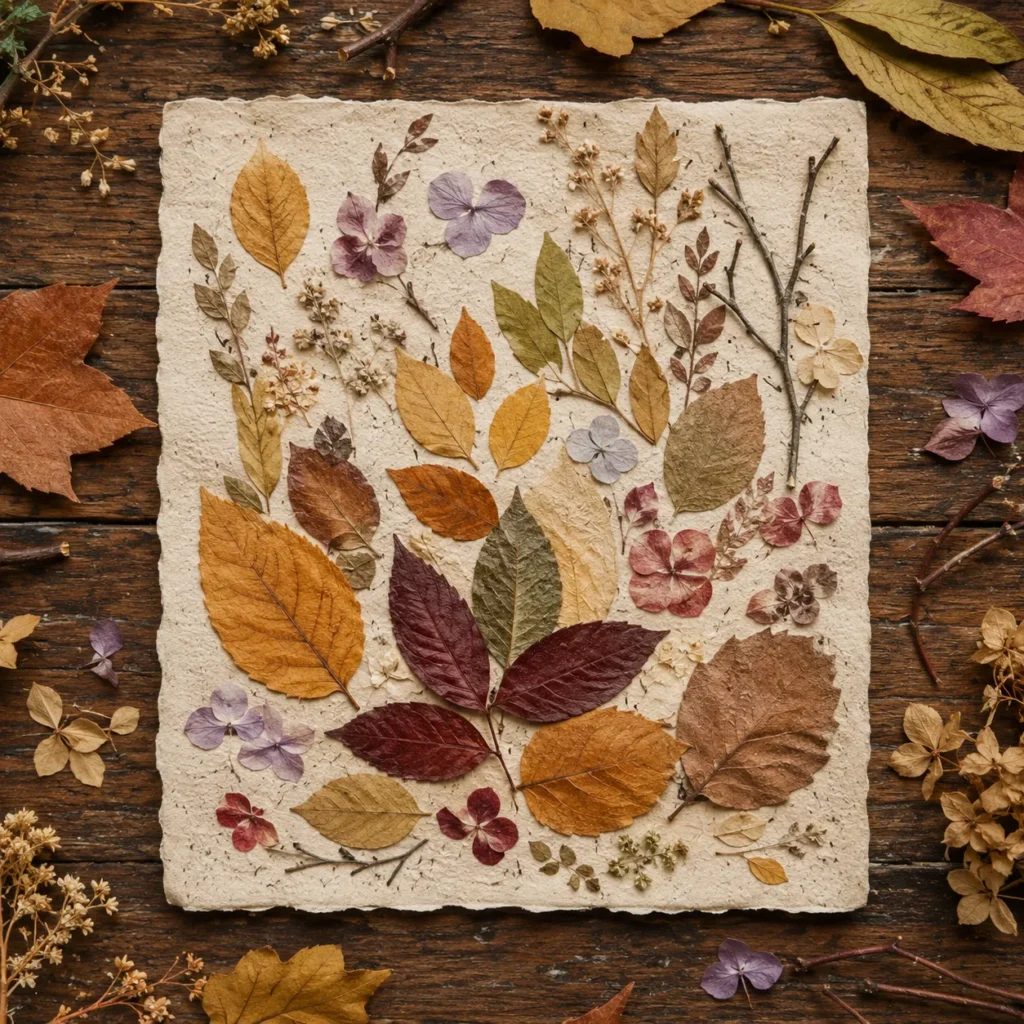
6. Nature Scavenger Hunt Art
Send your child outside with a small basket to collect leaves, pebbles, twigs, and flower petals, then bring everything inside to glue onto paper as a nature collage. This activity blends movement and quiet focus, which is a combination a lot of indoor crafts miss. It works especially well for kids who have a hard time sitting still for a full craft session.
If you live in an apartment without a yard, a short walk around the block works just as well. Ask your child to notice textures, not just colors, since that small shift in attention often leads to more detailed, thoughtful collages once they sit down to glue.

7. Invisible Ink Message Writing
Mix lemon juice with a little water, hand your child a cotton swab, and let them write secret messages on plain paper. Once the juice dries, the writing disappears until you hold the paper near a warm lightbulb or iron it gently, and the message turns brown. Kids around 7 and up especially love the mystery of this one, since it feels like something out of a spy movie.
A helpful detail here is using thick paper, since thin paper can scorch under heat faster than you expect. Always handle the heating step yourself rather than letting your child do it alone, since the goal is safe fun, not a trip to urgent care.
8. Marble Run Engineering Challenge
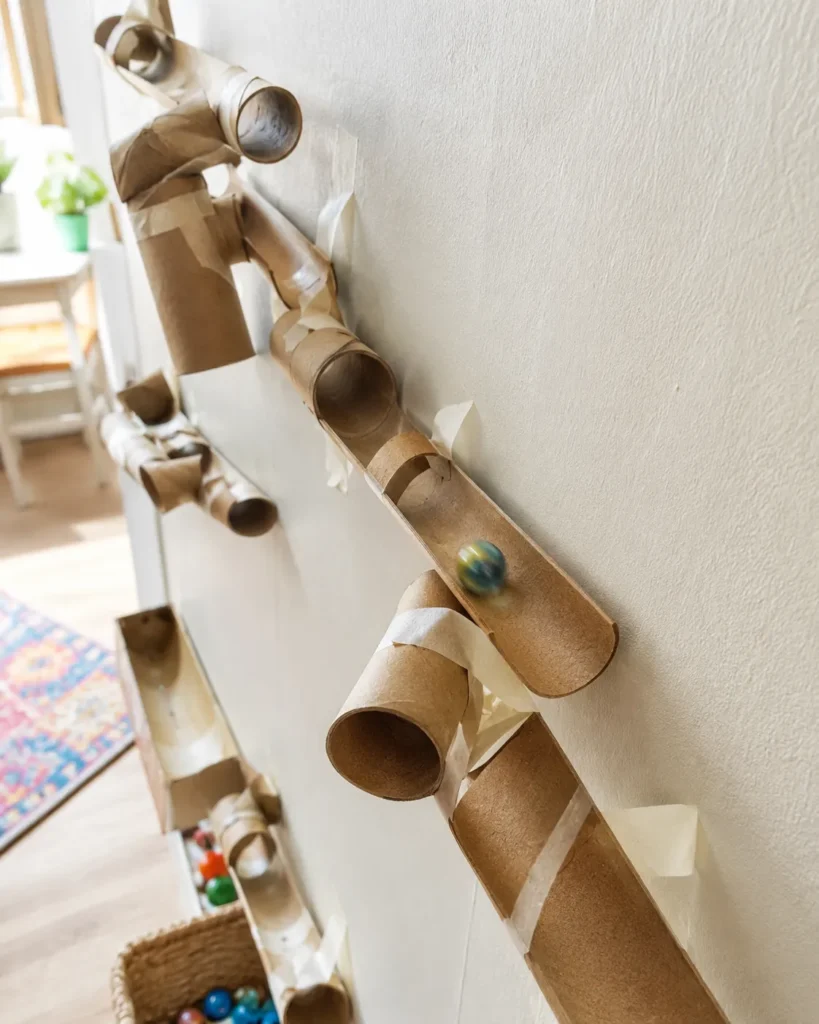
Toilet paper rolls, tape, and a few marbles are all you need to build a homemade marble run down a wall or the side of a bookshelf. Let your child figure out the angles through trial and error rather than showing them the “right” way. This activity quietly teaches basic physics concepts like gravity and momentum, though your child will just think they are playing.
A common mistake is taping everything down before testing it, which forces a full rebuild after every failed run. Instead, use a small amount of tape at first so pieces can shift and be adjusted quickly. That one change saves a lot of frustration and keeps kids experimenting instead of giving up.
9. Story Dice Adventure Telling
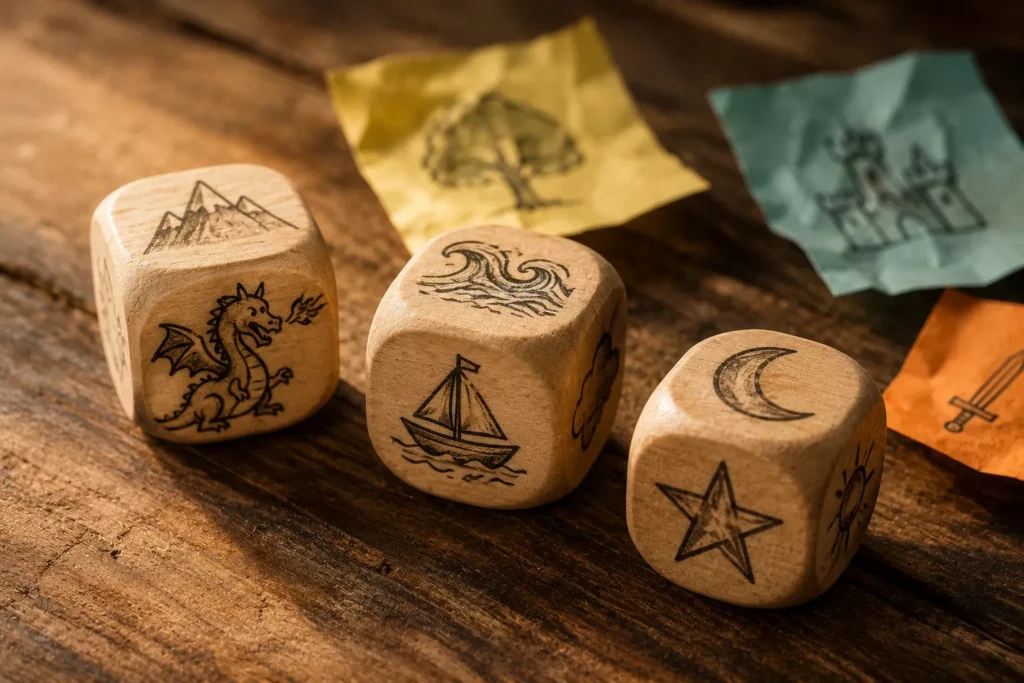
Write different picture prompts on the sides of a few small wooden cubes, or use sticky notes on regular dice, then roll them and ask your child to build a story connecting whatever pictures come up. This is a fantastic option for car rides or waiting rooms since it needs almost no supplies once the dice are made.
Kids who feel intimidated by a blank page for creative writing often do much better with this spoken version, since there is no pressure about spelling or handwriting. If your child gets stuck, ask one simple question like “what happens next” rather than suggesting the answer yourself.
10. Shadow Puppet Theater
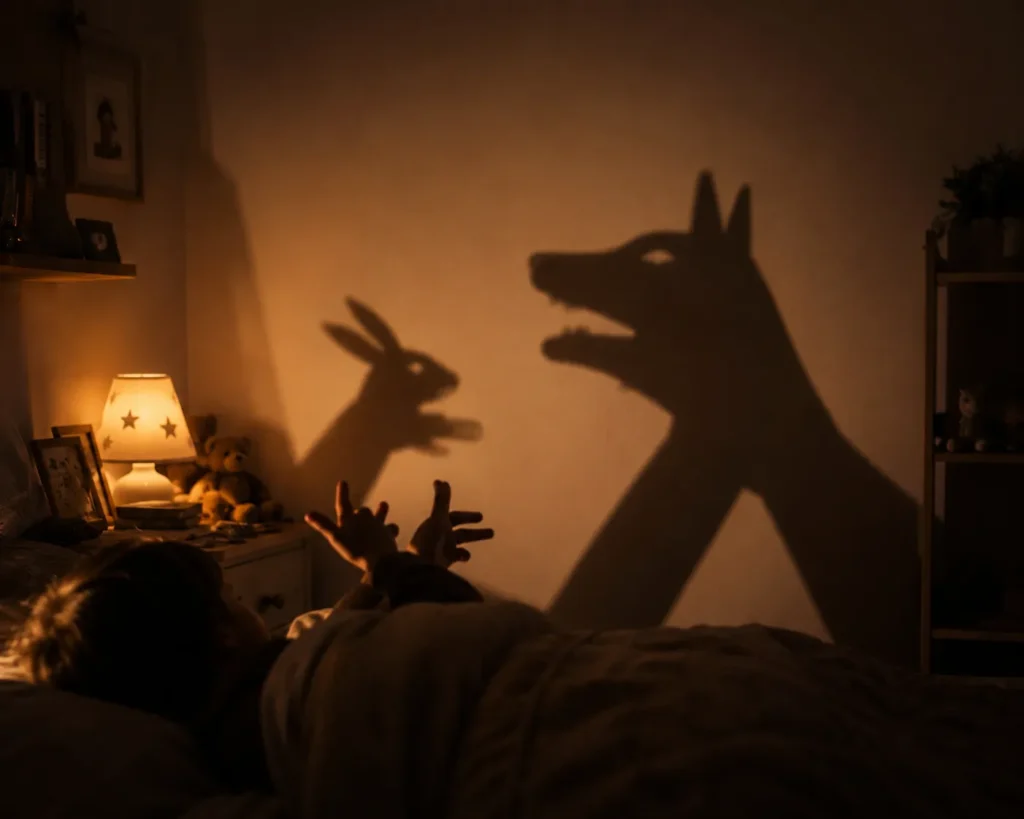
A flashlight, a blank wall, and your child’s own hands can create an entire shadow show. Add cut out paper shapes taped to pencils for more advanced characters like animals or people. This activity works beautifully right before bedtime since the dim lighting naturally calms kids down while still giving them a creative outlet.
The mistake most families make is only doing this once and forgetting about it. Keep a small shadow puppet kit in a drawer near the bed so it becomes a regular wind down activity instead of a one time novelty. Over time, kids start writing little shows on their own without needing you to prompt them.
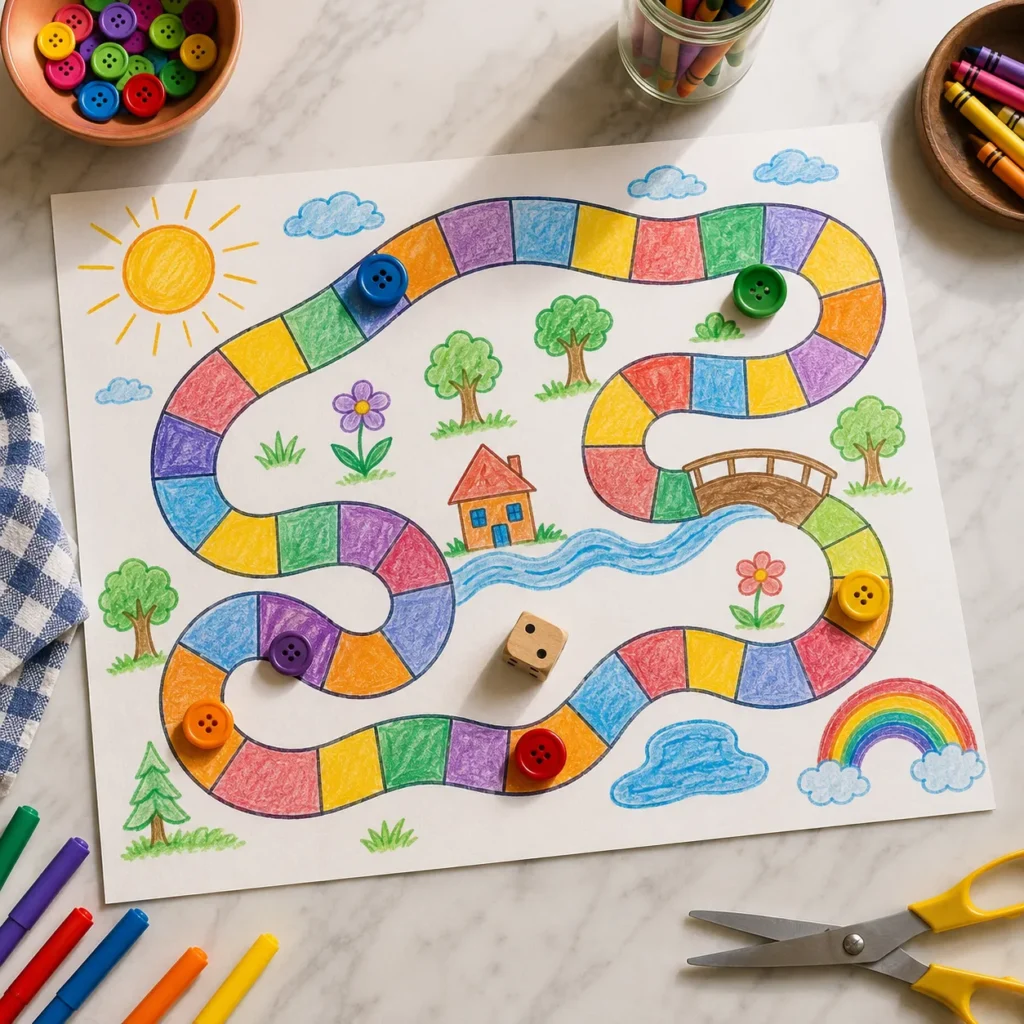
11. DIY Board Game Design
Hand your child a piece of poster board, some buttons for game pieces, and a die, then challenge them to design their own board game with rules they make up themselves. This is one of those ideas that seems simple but actually asks a lot of a child’s brain, since they have to think through fairness, sequencing, and what makes a game fun to play.
This works best for kids around 8 and up who already understand how existing board games work, since they will borrow ideas from games they know. Play the finished game with them at least once. That step matters more than the building itself, since it shows them their idea was worth the effort.
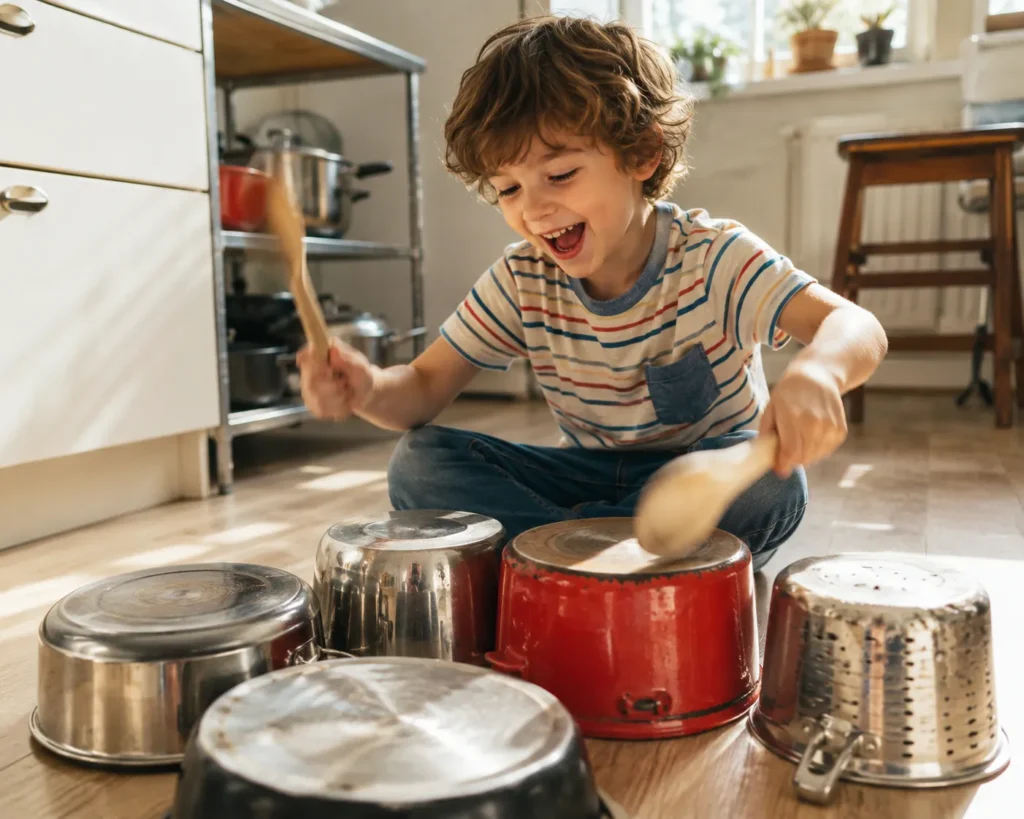
12. Music Making With Household Objects
Pots, wooden spoons, rubber bands stretched over a box, and empty containers filled with rice can all become instruments. Let your child experiment with different sounds before trying to play an actual song. This activity is especially good for younger kids who are full of energy and need a physical outlet that still counts as creative play.
A lot of parents assume this needs to end in noise chaos, but giving a simple structure, like “let’s make a song about rain,” helps kids channel the energy into something with a clear direction. You might be surprised how much focus shows up once there is a small goal attached to the noise making.
[INTERNAL LINK OPPORTUNITY: screen free rainy day activities for kids] [INTERNAL LINK OPPORTUNITY: sensory play ideas for toddlers at home]
A Few Ideas Worth Trying Today
None of these activities need a special trip to the craft store or a Pinterest worthy setup. What they need is a little bit of your time and a willingness to let your child lead. The next time you hear “I’m bored,” you will have something ready to reach for. Pick just one idea from this list to try this week, and notice how quickly a bored afternoon turns into a proud “look what I made.”
Image Alt Text Suggestions
- Child decorating a large cardboard box turned into a rocket ship craft project
- Homemade sock puppets with button eyes and yarn hair on a table
- Kitchen science experiment with colored baking soda and vinegar fizzing in bowls
- Living room blanket fort city connected with string lights
- Recycled material robot sculpture made from cereal boxes and bottle caps
- Nature collage art made from pressed leaves and flower petals
- Invisible lemon juice ink message appearing on paper near a lamp
- Homemade marble run built from taped toilet paper rolls
- Wooden story dice with hand drawn picture prompts for storytelling
- Hand shadow puppets projected on a bedroom wall at night
- Homemade board game on poster board with button game pieces
- Child playing homemade drums made from pots and wooden spoons
FAQ Section
What are good creative activities for kids at home? Simple activities using things you already own work best, like cardboard building, sock puppets, or nature collages. The goal is open ended play where your child makes the decisions instead of following strict instructions.
How do I get my child to be more creative without screens? Offer loose, open ended materials like boxes, fabric scraps, or recycled containers instead of kits with set instructions. Ask questions like “what happens next” instead of giving answers, which pushes your child to keep thinking on their own.
What creative activities work for toddlers versus older kids? Toddlers do best with sensory based play like music making or simple nature collecting, while kids 7 and up enjoy activities with more steps, like invisible ink writing or designing their own board game. Match the activity to your child’s attention span and fine motor skills.
How can I keep craft supplies ready without a big mess? Keep a small bin with basics like buttons, yarn, tape, and paper scraps so you are never scrambling last minute. A tray with raised edges also helps contain messier activities like the kitchen science mix lab.
What if my child says they don’t know what to make? Give them one small starting point, like a single material or a simple prompt, rather than a full plan. Kids often need just a nudge to get going, and the rest of the idea will come from them once they start touching the materials.
How long should a creativity activity for kids last? Some activities like shadow puppets can take 10 minutes, while others like blanket fort building can stretch over an hour. Let your child’s interest guide the timing rather than sticking to a set schedule, since forced time limits can cut a good idea short.


