

13 Skin Care Guide Tips Every Beauty Lover Needs Now
Do you ever feel like you have tried every product on the shelf but your skin still is not cooperating? You are not alone. So many of us buy serum after serum, hoping the next one will finally be the fix, only to end up with a bathroom shelf full of half used bottles and the same dull, uneven skin we started with. The truth is that most skin care struggles come down to a few simple habits, not a lack of expensive products. This skin care guide walks you through 13 real, doable tips that will help you get more out of the products you already own and finally build a routine that makes sense for your skin.
[INTERNAL LINK OPPORTUNITY: budget friendly skin care swaps for dry winter skin]
1. Know Your Skin Type Before You Buy Anything Else
Most skin care frustration starts here. If you do not know whether your skin leans oily, dry, combination, or sensitive, you are basically shopping in the dark. A simple way to check is to wash your face, wait an hour without applying anything, then see how it feels. Tight and flaky usually points to dry skin. Shiny across the forehead and nose points to oily or combination skin.
Once you know your type, every product choice gets easier. A woman with combination skin, for example, might need a lightweight gel moisturizer on her T-zone but something richer on her cheeks. Skipping this step is why so many products end up unused under the sink.

2. Cleanse Twice a Day, Not More
It is tempting to think more washing means cleaner skin, but that is a common mistake. Over cleansing strips your natural oils, which can actually make oily skin produce even more oil to compensate. Stick to washing once in the morning and once at night.
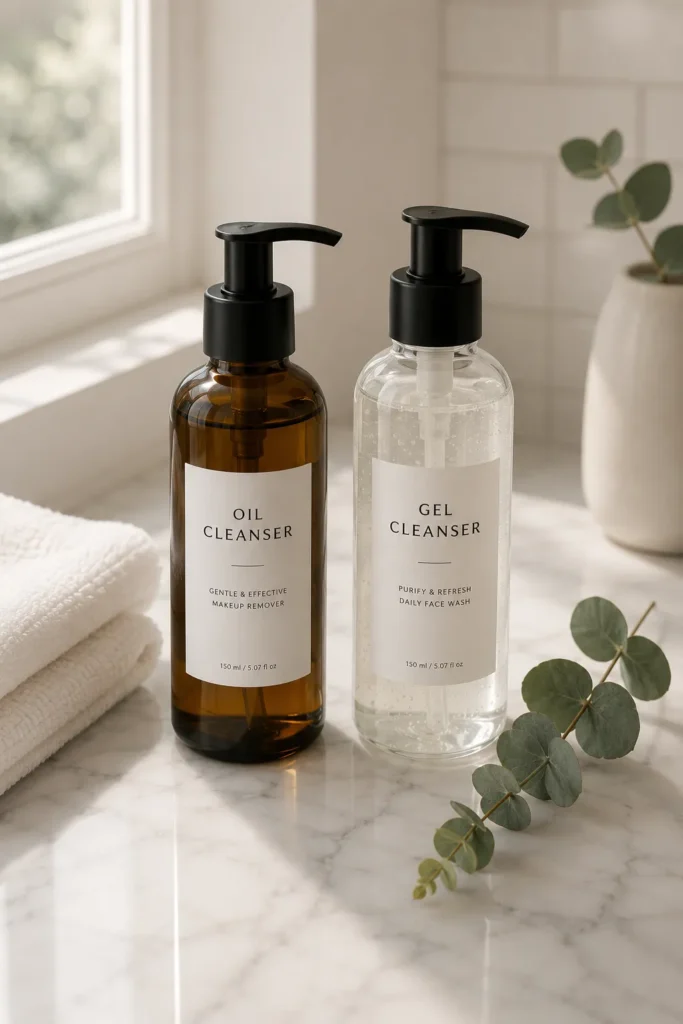
If you wear makeup or sunscreen, use an oil based cleanser first to break it down, then follow with a gentle water based cleanser. This two step method, sometimes called double cleansing, works well for anyone in a city with more pollution or for days when you have been sweating.
3. Apply Products From Thinnest to Thickest
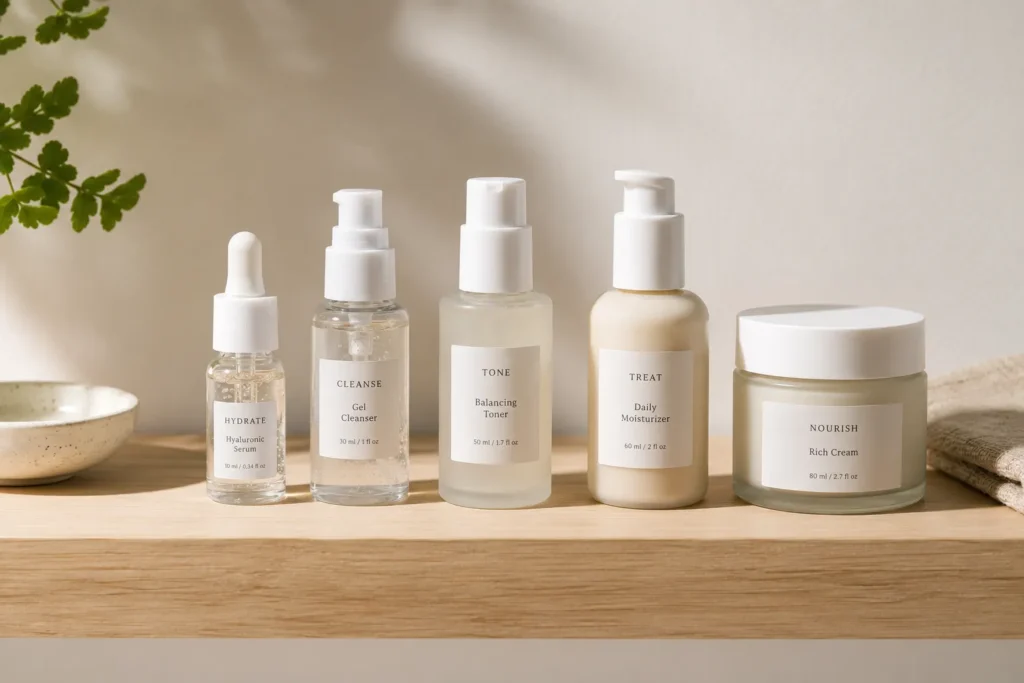
Here is something a lot of people get wrong without realizing it. If you put on a heavy cream before a lightweight serum, the serum cannot actually absorb into your skin. The correct order is cleanser, toner, serum, eye cream, moisturizer, then sunscreen in the morning.
Think of it like watering a plant. If you cover the soil with a thick layer of mulch first, the water just sits on top instead of soaking in. Your skin works the same way. This one small change in order can make your existing products noticeably more effective within a couple weeks.
4. Never Skip Sunscreen, Even Indoors
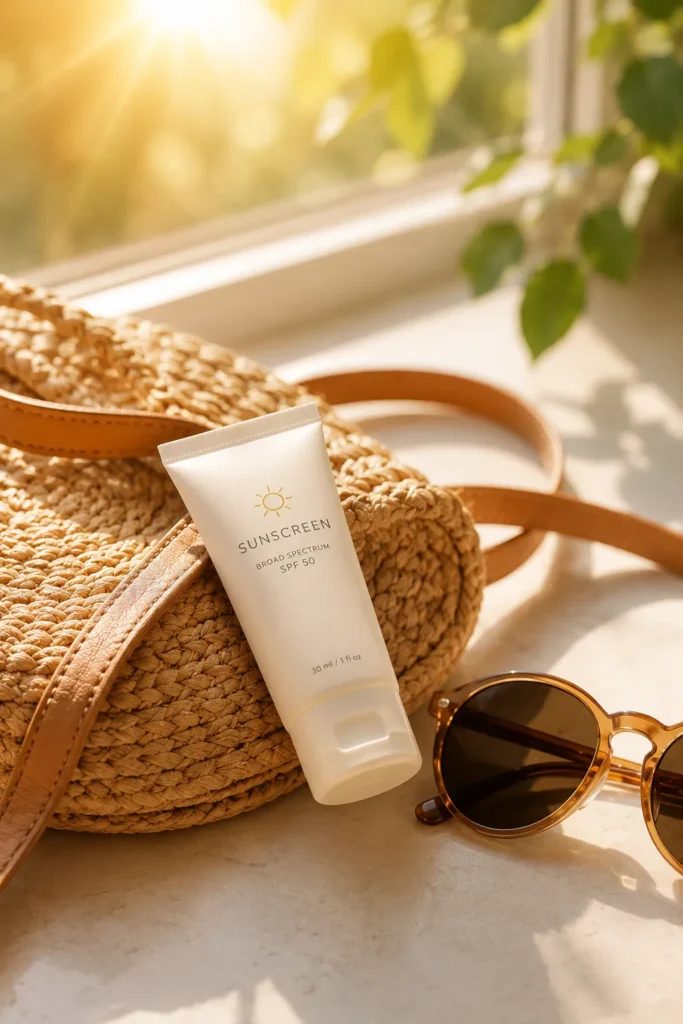
This is the tip that gets overlooked the most. UV rays pass through windows, so sitting near a bright window at your desk all day still counts as sun exposure. A broad spectrum SPF 30 or higher applied every morning is one of the few things dermatologists agree actually slows visible aging.
A good habit is keeping a travel size sunscreen in your bag or car so reapplying midday is never a hassle. Even a budget drugstore SPF works fine as long as you actually use it consistently. Consistency matters more than the price tag here.
5. Introduce New Products One at a Time
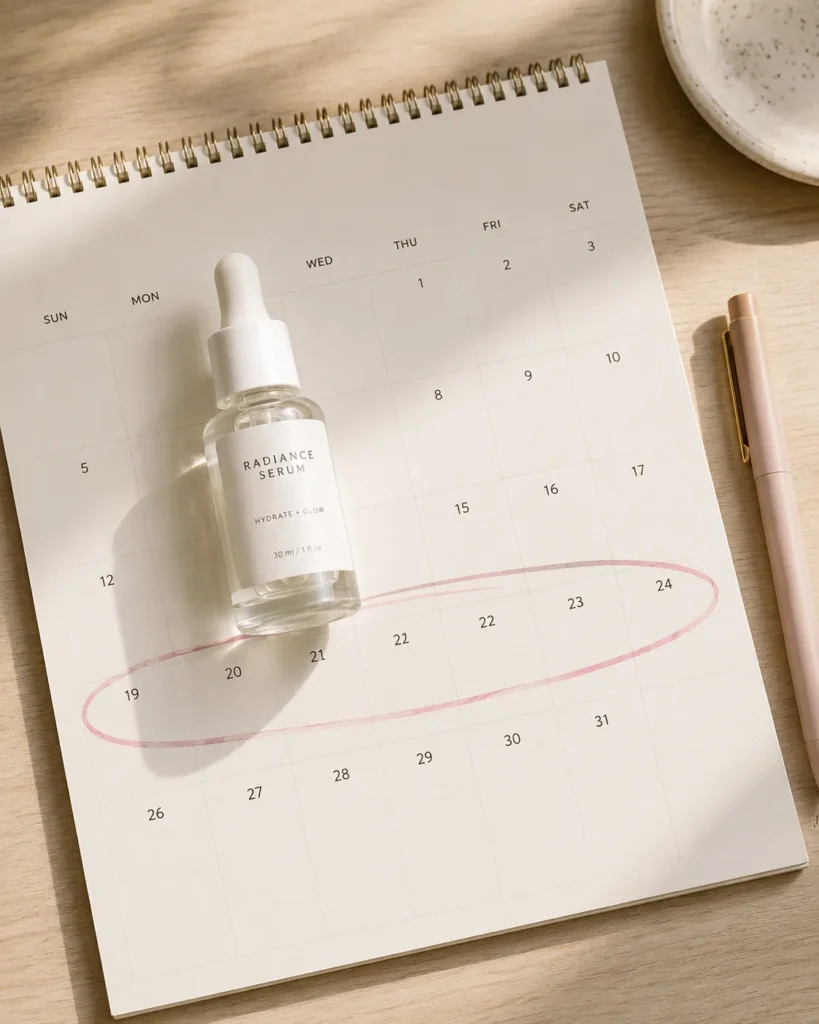
If you add three new products to your routine in the same week and your skin reacts, you will have no idea which one caused it. This is a mistake worth fixing early. Bring in one new product at a time and wait about a week or two before adding another.
This is especially important with active ingredients like retinol or exfoliating acids. A woman with sensitive skin trying a new vitamin C serum should give her skin time to adjust before also starting a new moisturizer, otherwise any irritation becomes a guessing game.
6. Do Not Sleep in Your Makeup
You already know this one is a struggle after a long day, but it matters more than most people think. Leaving makeup on overnight clogs pores, mixes with the day’s oil and dirt, and can lead to breakouts and dull looking skin by morning.
Keep micellar water and cotton pads on your nightstand for the nights you are too tired to do a full cleanse. It takes less than a minute and still removes far more than doing nothing at all. Your future skin will thank you for this small effort.

7. Moisturize Even If Your Skin Feels Oily
Skipping moisturizer because your skin feels oily is a common mistake that often backfires. When skin is dehydrated, it can overproduce oil to make up for the lack of water, which leaves you stuck in a frustrating cycle. The fix is a lightweight, oil free moisturizer or a gel formula that hydrates without feeling heavy.
This works well for anyone in a humid climate or anyone who has been told their skin is oily but still feels tight after washing. Hydration and oil control are not opposites, they actually work together.
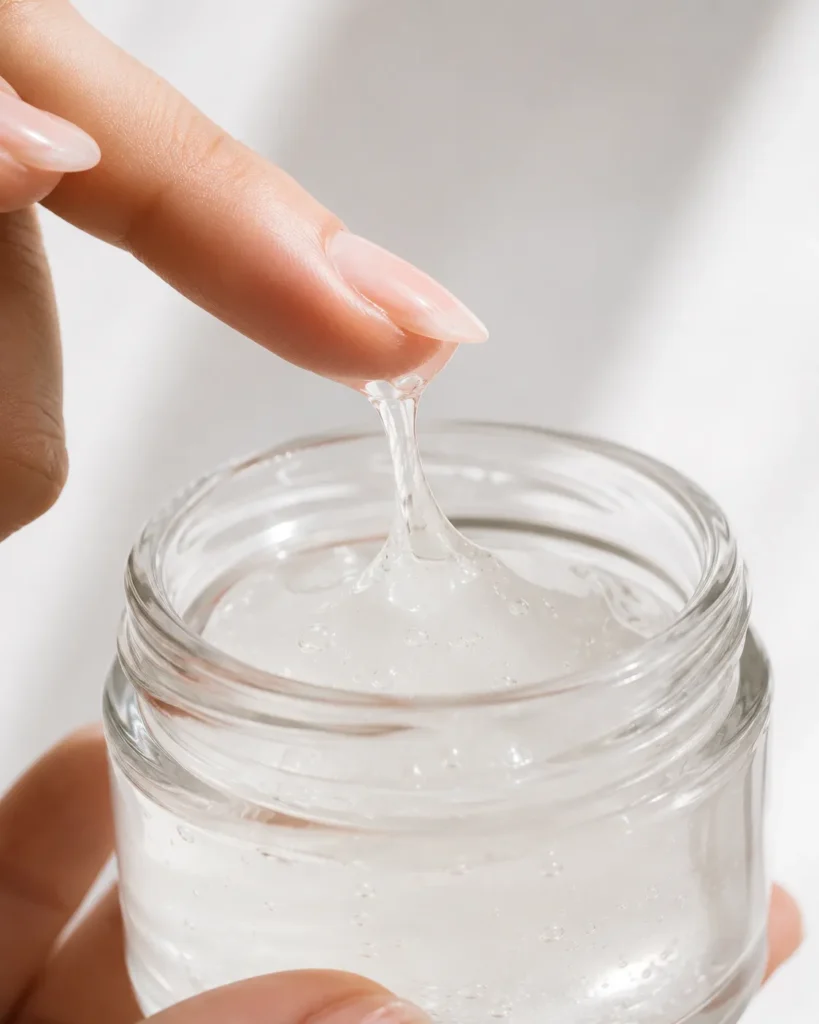
8. Exfoliate Gently, Once or Twice a Week
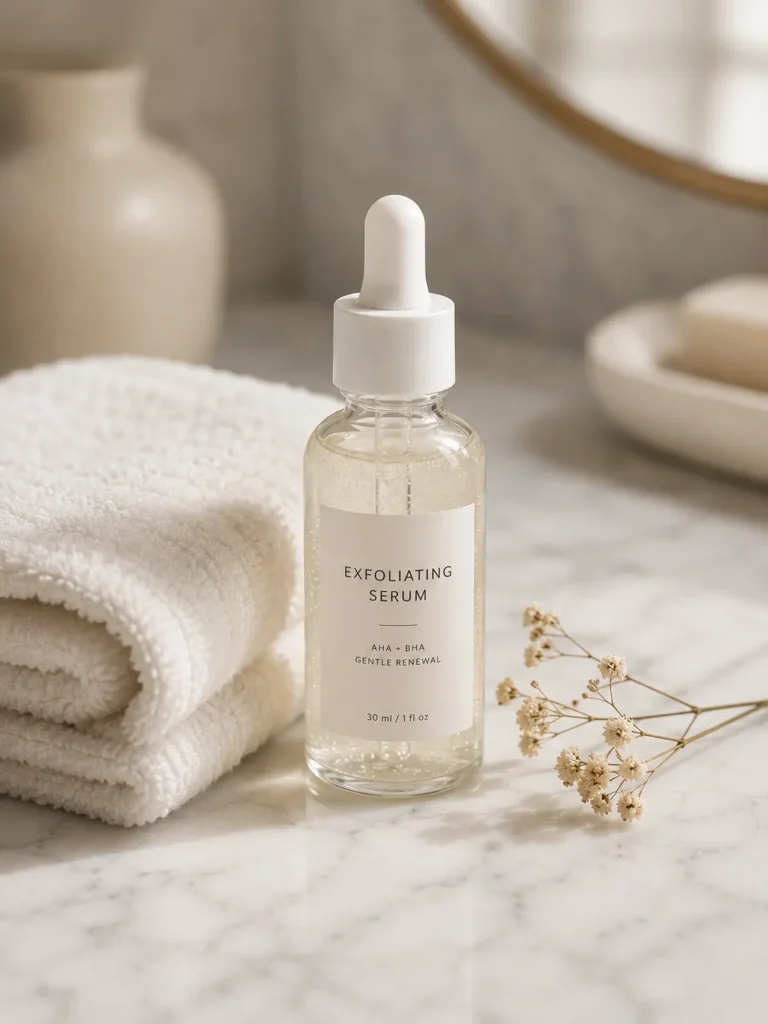
Exfoliating removes dead skin cells and helps products absorb better, but doing it too often damages your skin barrier. Two to three times a week is plenty for most skin types, and once a week is enough for sensitive skin.
Chemical exfoliants like a mild AHA or BHA are often gentler on the skin than rough physical scrubs, especially for anyone dealing with redness or breakouts. If your skin ever feels raw or looks red after exfoliating, that is a sign to slow down, not push through it.
9. Give New Products at Least Six Weeks
One of the biggest reasons people feel like nothing works is that they give up too soon. Skin cell turnover takes around four to six weeks, so most products need that long before you can fairly judge if they are working.
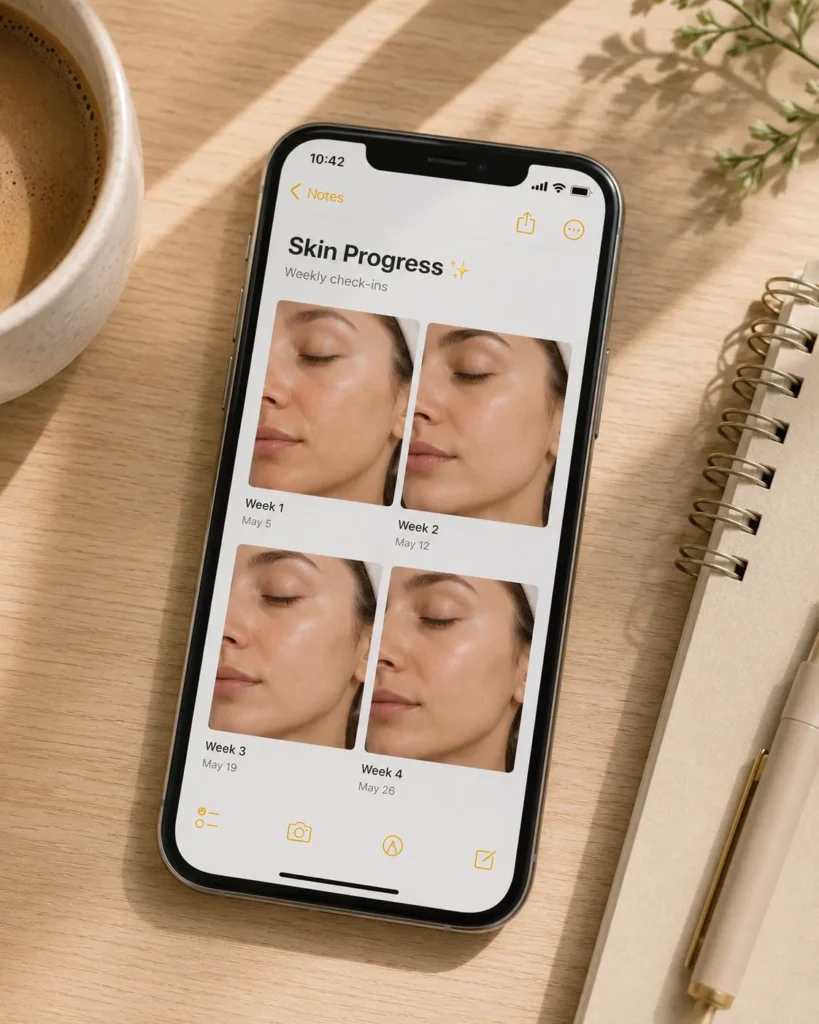
Instead of switching products every week out of impatience, pick one new item, use it consistently, and take a photo in the same lighting every Sunday. Looking back at four weeks of photos side by side often shows progress your eyes miss day to day.
10. Do Not Ignore Your Neck and Chest
It is easy to stop your routine right at your jawline, but your neck and chest show age just as fast, sometimes faster, since the skin there is thinner. Extending your serum, moisturizer, and sunscreen down to your neck and upper chest takes only a few extra seconds.
This matters most for anyone who spends time outdoors or wears low neckline tops in summer, where sun exposure is easy to forget about. A simple habit of swiping your leftover product downward each time closes this gap without adding another step.

11. Change Your Pillowcase More Often
This tip surprises a lot of people, but pillowcases collect oil, sweat, and product residue that transfer right back onto your skin every night. Switching to a clean pillowcase once or twice a week can genuinely help with breakouts along the cheeks and jaw.
A silk or satin pillowcase is a nice upgrade if you want to also reduce friction that can lead to fine lines over time, but a clean cotton one washed regularly works just as well for skin health. This is one of those small changes that costs almost nothing but adds up.

12. Watch What You Eat and Drink
Skin care is not only about what you apply, it is also connected to what is happening inside your body. Diets high in sugar and processed food can contribute to inflammation, which sometimes shows up as breakouts or dullness. Drinking enough water throughout the day supports your skin barrier too.
This does not mean you need a strict diet. Small shifts, like adding more leafy greens or swapping one sugary drink for water, can support the results you are already working toward with your routine. Think of your skin care products and your diet as teammates, not separate efforts.

13. Patch Test Before Trying Anything New
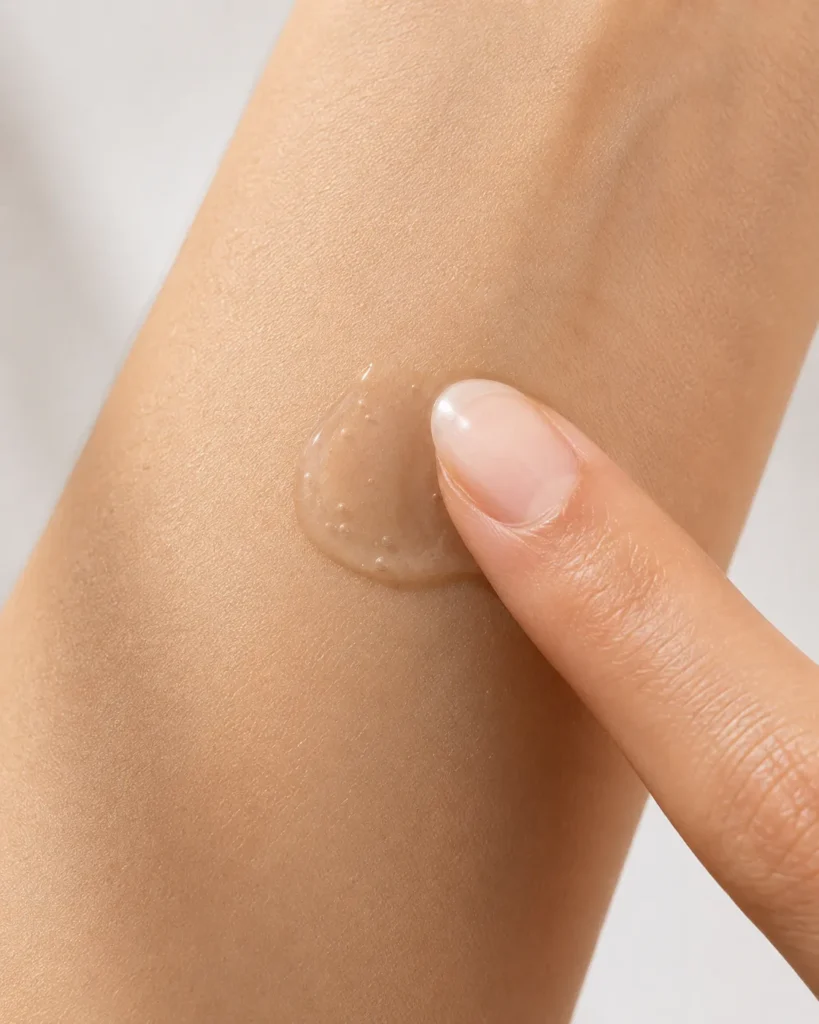
Before applying a new product to your whole face, especially anything with active ingredients or fragrance, test a small amount on your inner arm or behind your ear. Wait 24 hours and check for redness, itching, or irritation.
This one habit can save you from a painful breakout right before an important event. It is especially worth doing with products that contain retinol, strong acids, or essential oils, since these are the most common causes of unexpected reactions. A two minute patch test is a small price for peace of mind.
Building healthy skin does not happen overnight, and it rarely comes from buying the most expensive product on the shelf. It comes from small, consistent habits, the kind covered in this skin care guide, done again and again until they become second nature. You do not need to change everything at once. Pick one or two tips from this list to start with this week, and let the rest come naturally as you go. Save this guide so you can come back to it whenever your routine needs a refresh.
Image Alt Text Suggestions
- Woman checking her skin closely in a bathroom mirror under natural light
- Oil cleanser and gel cleanser bottles on a bathroom counter for double cleansing
- Skin care products arranged from lightest to heaviest for correct layering order
- Travel size sunscreen tube next to sunglasses for daily SPF habit
- New skin care bottle placed on a calendar to track product introduction
- Micellar water and cotton pads on a nightstand for removing makeup at night
- Lightweight gel moisturizer texture for oily and combination skin types
- Exfoliating serum bottle next to a soft towel for gentle weekly exfoliation
- Phone showing weekly skin progress photos in a notes app
- Woman applying moisturizer down to her neck and chest
- Satin pillowcase on a bed to reduce breakouts and friction overnight
- Glass of water with berries and greens representing skin friendly nutrition
- Patch test dot of serum applied to the inner forearm before full use
FAQ Section
How long does it take to see results from a new skin care routine? Most people need four to six weeks of consistent use before seeing real change, since that matches your skin’s natural cell turnover cycle. Taking weekly photos in the same lighting can help you track subtle progress your eyes might miss.
Do I really need sunscreen every single day, even in winter? Yes, UV rays are present year round and even pass through windows indoors. Daily SPF is one of the most effective habits for preventing early signs of aging and uneven tone.
Can I use too many skin care products at once? Yes, layering too many active ingredients or introducing several new products at once can overwhelm your skin barrier and cause irritation. It is better to add one new product at a time and give your skin time to adjust.
Is it bad to skip moisturizer if my skin already feels oily? No, skipping moisturizer can actually make oily skin worse by triggering more oil production to compensate for dehydration. A lightweight, oil free formula works well for oily and combination skin types.
How often should I really exfoliate my face? Two to three times a week is enough for most skin types, and once a week is plenty for sensitive skin. Exfoliating too often can damage your skin barrier and lead to redness or irritation.
What is the correct order to apply skin care products? Apply products from thinnest to thickest texture, starting with cleanser, then toner, serum, eye cream, moisturizer, and sunscreen in the morning. This order allows each product to properly absorb into your skin.


