

10 New Tricks That Make Everyday Life Less Stressful
Some days feel like you are running from one thing to the next without a single quiet moment to breathe. You get to the end of the day and cannot even remember what you actually did, just that you feel tired and a little frazzled. If that sounds familiar, you are not alone, and the good news is you do not need a total life overhaul to feel calmer. Small shifts in how you move through your day can make a real difference. Here are 10 new tricks that make everyday life less stressful, starting from the moment you wake up.
1. Start Your Morning With One Slow Task Instead of a Rush
Most stressful days start the second your feet hit the floor, because you jump straight into checking your phone or rushing to get ready. Pick one small task to do slowly before anything else, like making your coffee without scrolling or making your bed while the room is still quiet. This gives your brain a few minutes to wake up before it gets flooded with notifications and demands.
A woman with a packed morning commute might set her phone on airplane mode for the first ten minutes after waking up. That short window of quiet can change the tone of her whole morning instead of starting the day already behind.
Most people think they need more time in the morning to feel less rushed, but the real fix is doing less, more slowly, in the time you already have.

2. Keep a Ten Minute Reset List for Overwhelming Moments
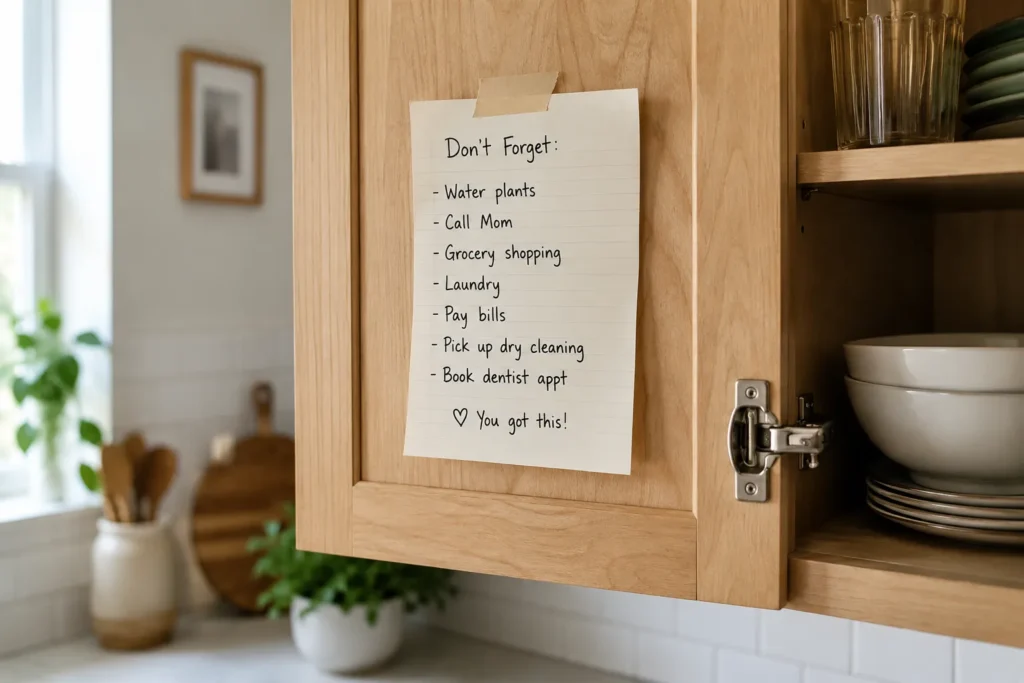
When stress hits in the middle of the day, most people either push through or completely shut down. Instead, keep a short list of small resets you can do in ten minutes or less, like stepping outside, washing your face, or tidying one surface. Having the list ready means you do not have to think of an idea while you are already overwhelmed.
This works especially well for anyone working from a small apartment or a home office, where there is no separate space to physically leave stress behind. A quick walk around the block or even standing by an open window can break the tension enough to reset your focus.
[INTERNAL LINK OPPORTUNITY: simple self care routines for busy women]
3. Set a Closing Time for Work, Even at Home
One mistake a lot of people make is letting work stretch into the evening because there is no clear stopping point, especially when working from home. Pick a specific time each day when work officially ends, and treat it the same way you would treat leaving an office building. Close the laptop, put your phone in another room if needed, and let that be the signal your brain uses to shift gears.
Someone juggling a full time job and family responsibilities might set their closing time right before dinner, so the evening feels separate from the workday instead of blending into one long stretch of tasks.

4. Prep Just One Thing the Night Before
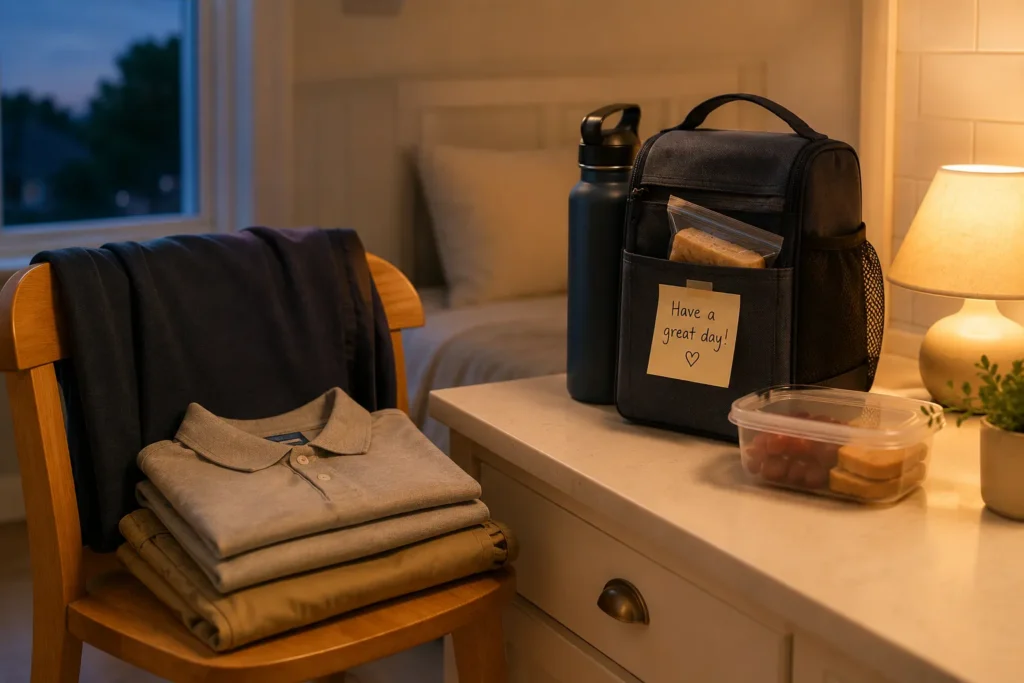
You do not need to prep your entire day the night before to feel the benefit. Choose just one thing, like laying out tomorrow’s outfit, packing a bag, or writing down your top three tasks. This single step removes one decision from your morning, which is often enough to lower that rushed, scattered feeling before you even start.
For someone with young kids at home, this might mean packing lunches the night before instead of doing it in a frantic rush before school. That one small task done ahead of time can save a surprising amount of morning stress.
5. Use a Physical Timer Instead of Your Phone for Focus
Scrolling through your phone to set a timer often turns into checking messages or getting pulled into an app, which adds more stress instead of less. A small physical kitchen timer keeps your focus on the actual task without the temptation of notifications. Set it for twenty or thirty minutes, work on one thing, then take a short break.
This trick works well for anyone who feels scattered while working from home, where distractions are everywhere. A simple visual timer sitting on the desk becomes a quiet reminder to stay with one task at a time.

6. Say No to One Thing Every Week Without Guilt
A lot of everyday stress comes from saying yes to things out of habit or guilt, not because you actually want to do them. Practice saying no to one request each week, whether it is an extra errand, a favor, or a social event you are not up for. Protecting your time this way is not selfish, it is what keeps your schedule from feeling impossible.
For a woman balancing work, family, and her own needs, this might mean turning down a weekend commitment she does not have the energy for and using that time to rest instead. That one no can free up space for everything else that matters more.

7. Keep a Calm Down Playlist Ready to Go
Music can shift your mood faster than almost anything else, but most people only think to use it after they are already stressed and cannot think clearly. Build a short playlist of calming songs ahead of time so it is ready the moment you need it, whether that is during a stressful commute or a chaotic afternoon at home.
Someone dealing with a loud, busy household might keep this playlist for the fifteen minutes after work, using it as a buffer between the outside world and home life. Having it prepared in advance means you do not waste energy searching for the right song while already overwhelmed.

8. Break Big Tasks Into Fifteen Minute Pieces
Staring at one huge task on your to do list is one of the biggest sources of everyday stress, because it feels impossible to even start. Break it into pieces small enough to finish in about fifteen minutes each, like cleaning one drawer instead of the whole closet, or writing one paragraph instead of the whole report. Small pieces feel doable, and doable is what actually gets started.
This trick helps anyone tackling a messy home office or an overwhelming project at work. Instead of avoiding the task altogether, fifteen minutes at a time turns it into something you can chip away at without dread.
9. Create a Short Wind Down Routine Before Bed
Going straight from a busy day into bed often means your mind is still racing when you try to fall asleep. A short wind down routine, even just ten minutes, signals to your brain that the day is actually over. This could be dimming the lights, doing a simple skin care routine, or writing down three things from the day.
For someone who tends to lie awake replaying the day’s stress, a consistent routine like washing your face and applying a calming moisturizer can become the physical cue that tells your body it is time to relax. The consistency matters more than the exact steps.

10. Give Yourself One Unplanned Hour Each Week
Every hour of your week does not need a purpose or a task attached to it. Block off one hour each week with absolutely nothing planned, and let yourself decide in the moment what to do with it, even if that is doing nothing at all. This small pocket of freedom can undo a surprising amount of built up stress from an overscheduled week.
Someone who fills every weekend with errands and obligations might use this hour to sit outside with a cup of tea or read a few pages of a book they have been meaning to start. The point is not the activity itself, it is the permission to have unstructured time.

Final Thoughts
Everyday stress rarely comes from one big thing. It usually comes from a dozen small moments that pile up without you noticing, until you feel worn out by the end of the day. The tricks above are not about doing more, they are about making small, intentional changes to how you move through your day. Pick just one or two to try this week instead of overhauling everything at once. Save this list so you have it ready the next time your day starts to feel like too much.
Image Alt Text Suggestions
- Cozy kitchen counter with coffee mug and phone face down for a slow morning routine
- Handwritten ten minute reset list for stress relief taped inside a cabinet
- Neatly packed lunch and folded outfit prepped the night before to reduce morning stress
- Simple kitchen timer on a desk for a distraction free focus trick
- Calming playlist on a phone screen next to headphones and a soft blanket
- Calm bedside table with dim lamp, moisturizer, and notebook for a bedtime wind down routine
- Woman relaxing outside with tea and a book during unplanned free time
FAQ Section
What are simple tricks to reduce daily stress? Small changes like slowing down your morning, prepping one thing the night before, and breaking big tasks into short chunks can lower daily stress without requiring extra time.
How can I stop feeling overwhelmed every day? Focus on one manageable change at a time, such as setting a clear end time for work or building in one unplanned hour each week, rather than trying to fix everything at once.
What is a good bedtime routine for reducing stress? A short ten minute wind down with dim lighting, a simple skin care step, and writing down a few thoughts from the day can signal to your body that it is time to relax.
How do I stop work stress from spilling into my evenings at home? Set a specific closing time for work each day and physically put your devices away when that time hits, so your evening feels separate from your workday.
Can small daily habits really lower stress long term? Yes, consistent small habits build up over time and are often more sustainable than big lifestyle changes, since they are easier to stick with day after day.
What should I do when stress hits in the middle of the day? Have a short list of quick resets ready in advance, like stepping outside or tidying one surface, so you are not trying to think of a solution while already feeling overwhelmed.


