

10 Acne Skincare Routine Tips for Clearer-Looking Skin
You wake up, glance in the mirror, and there it is again. A new breakout right before something important. You have tried scrubbing harder, buying more products, and even skipping moisturizer, and nothing seems to stick. The truth is that a good acne skincare routine is less about doing more and more about doing the right things in the right order. This guide gives you ten simple, realistic tips you can use starting tonight.
1. Start With a Gentle Cleanser Twice a Day
Think of your cleanser as the quiet foundation of your whole routine. It should leave your skin feeling clean and comfortable, never squeaky or tight.
Reach for a gentle, fragrance-free gel or foaming cleanser with a mild formula. Wash once in the morning and once at night, using lukewarm water and your fingertips for about 30 to 60 seconds. Pat dry with a clean towel instead of rubbing.
The common mistake: washing three or four times a day because skin feels oily. Over-washing strips your skin barrier, and dry, irritated skin often responds by making even more oil. Stick to twice daily and add a quick rinse after a sweaty workout if you need it.

2. Use a Salicylic Acid Product to Keep Pores Clear
Salicylic acid is one of the most trusted ingredients in any acne skincare routine because it works inside the pore, where blackheads and bumps begin.
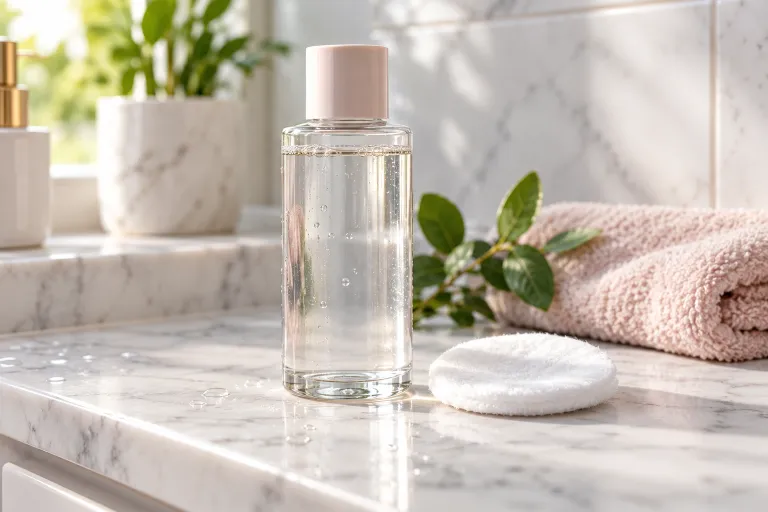
A cleanser, toner, or leave-on treatment with 0.5 to 2 percent salicylic acid is a common starting range. If your skin is new to acids, try it every other night for the first two weeks. Picture it as a gentle tidy-up for clogged pores, not a deep scrub.
Most people overlook one thing here: using a salicylic acid cleanser and a strong salicylic acid serum together can be too much. Pick one main product first and see how your skin reacts.
3. Add Benzoyl Peroxide for Active Breakouts
When you have red, angry pimples, benzoyl peroxide helps target the bacteria linked to breakouts and calms visible inflammation.
Start low. A 2.5 percent gel is often enough and tends to be less irritating than higher strengths. Dab a thin layer only on the blemishes, or in a thin layer over problem areas, once a day at first. It can bleach towels, pillowcases, and hair, so let it dry fully and keep a white washcloth handy.
The common mistake: applying a thick layer all over the face on day one. That often leads to peeling and redness. Go slow and build up as your skin allows.

4. Try a Retinoid at Night, Slowly
Retinoids are a favorite in many dermatology routines because they help skin renew itself and keep pores from clogging. Over-the-counter options like adapalene are a friendly place to start.
Use a pea-sized amount for the whole face, on dry skin, two nights a week. Then move to every other night, then nightly if your skin is happy. It is normal to feel a little dryness in the beginning. Sandwiching the retinoid between two thin layers of moisturizer can soften that adjustment period.
This is the step you will want to save and come back to, because pacing it well makes all the difference. If your skin is very sensitive or you are pregnant or nursing, check with a doctor before starting one.
5. Never Skip a Lightweight Moisturizer
Oily, breakout-prone skin still gets thirsty. When it does not get enough water, it can feel tight, look dull, and get irritated more easily by your acne treatments.
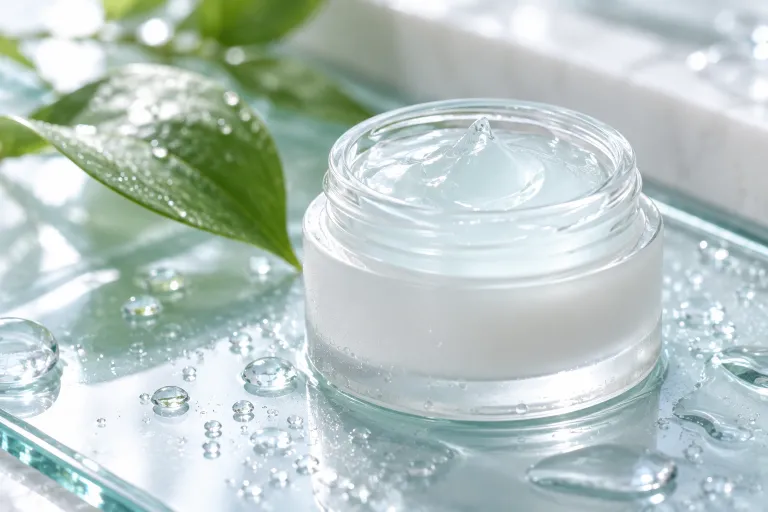
Choose a gel or lotion labeled non-comedogenic, which simply means it is made to avoid clogging pores. Look for helpful, soothing ingredients like glycerin, ceramides, or niacinamide. Apply a dime-sized amount to slightly damp skin so it glides on and seals in moisture.
Picture skin that feels soft and calm after your treatment, not stretched and shiny. That comfort is a sign your barrier is healthy.
6. Wear Sunscreen Every Single Morning
Many acne treatments, including retinoids and exfoliating acids, can make skin more sensitive to sun. Sunscreen also helps stop dark marks left behind by pimples from getting darker.
Pick a broad-spectrum SPF 30 or higher that is labeled oil-free or non-comedogenic. Gel-fluid and mineral formulas often feel light under makeup. Use enough to cover your face and neck, about two finger lengths, and reapply if you are outdoors for long stretches.
The common mistake: skipping sunscreen on cloudy days. UV rays still reach your skin through clouds, so treat it as part of your morning routine, like brushing your teeth.

7. Keep Your Routine Simple and Consistent
A shelf full of products can feel productive, but skin usually prefers a short, steady lineup it can get used to.
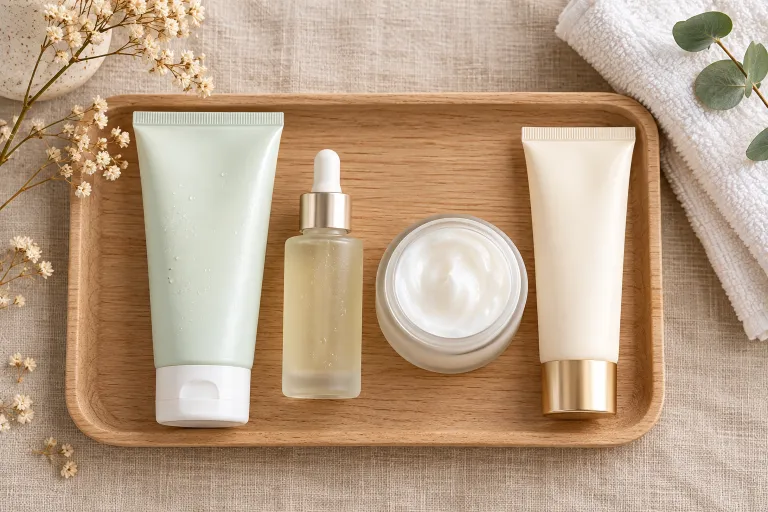
A basic setup looks like this. Morning: cleanser, moisturizer, sunscreen. Night: cleanser, one treatment, moisturizer. That is enough for most people. Give any new product about six to eight weeks before judging it, since acne skin takes time to change.
Here is a detail beginners miss: introduce only one new product at a time. If a reaction happens, you will know exactly what caused it.
8. Change Your Pillowcase and Clean Your Phone
Sometimes the missing piece is not a product at all. Everyday items that touch your face can carry oil, sweat, and dirt straight to your skin.
Swap your pillowcase every few days if you are breaking out, and wipe your phone screen with a disinfectant wipe daily. Wash makeup brushes about once a week with a gentle soap. These small habits cost almost nothing and can be a lovely bonus alongside your regular acne skincare routine.
If you have a busy week, keep a spare stack of clean pillowcases in the linen closet so a swap takes ten seconds.

9. Resist Picking and Use a Pimple Patch Instead
Picking can push bacteria deeper, prolong healing, and leave marks that last far longer than the pimple itself.
Reach for a hydrocolloid patch when a whitehead has come to the surface. It absorbs fluid, protects the spot from your fingers, and helps it flatten overnight. Apply it on clean, dry skin and leave it on for several hours or overnight.
The common mistake: putting a patch over a deep, painful bump with no head. Patches work best on surface-level whiteheads. Deep cysts are better treated with your regular routine or a visit to a dermatologist.

10. Know When to See a Dermatologist
Home routines can do a lot, but some acne needs a professional’s help. That is not a failure. It is simply the smartest shortcut.
Consider booking an appointment if you have deep, painful cysts, breakouts that leave scars, acne that has not improved after two to three months of steady care, or acne that affects your confidence. A dermatologist can offer prescription options that store shelves cannot.
Bring a short list of the products you currently use so your visit is focused and useful.

Conclusion
Clearer-looking skin rarely comes from one miracle product. It comes from gentle habits, patience, and a routine that respects your skin instead of fighting it. Those frustrating mornings at the mirror can turn into calmer ones when you know what your skin needs. Pick just one tip from this list and try it this week. When you are ready for more, pin this guide so it is waiting for you.
[INTERNAL LINK OPPORTUNITY: salicylic acid tips for clearer, smoother skin]
[INTERNAL LINK OPPORTUNITY: everyday sunscreen tips for oily and acne-prone skin]
6. Image Alt Text Suggestions
- Woman rinsing her face at a bathroom sink with a gentle acne cleanser and white towel
- Bottle of salicylic acid toner with a cotton pad on a white marble shelf
- Small tube of benzoyl peroxide spot treatment with a fingertip on a cheek blemish
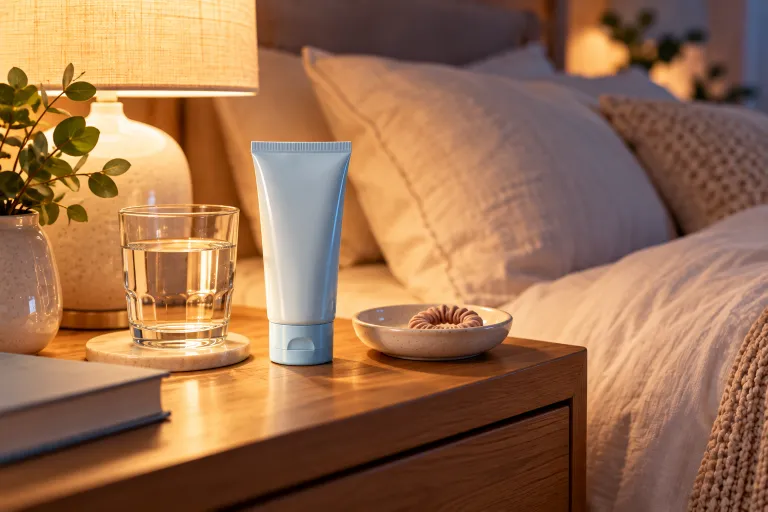
- Retinoid tube on a nightstand next to a glass of water for a nighttime acne routine
- Lightweight non-comedogenic gel moisturizer in a white jar with a soft swirl of texture
- Woman applying oil-free sunscreen to her cheek in morning window light
- Flat lay of a simple four-step acne skincare routine on a beige tray
- Clean white pillowcase, phone, and disinfectant wipes for an acne-friendly routine
- Hydrocolloid pimple patch on a cheek beside a sheet of extra patches
- Dermatologist consultation desk with notebook, pen, and list of skincare products
7. FAQ Section
What is the best order for an acne skincare routine?
In the morning, cleanse, apply a treatment if you use one, moisturize, and finish with sunscreen. At night, cleanse, apply your treatment, then moisturize. Thinner products usually go on before thicker ones.
How long does it take for an acne skincare routine to work?
Most people need about six to eight weeks to see a real change, and sometimes up to three months. Skin takes time to renew itself, so steady use matters more than quick fixes.
Can I use salicylic acid and benzoyl peroxide together?
Some people do, but using both at full strength can cause dryness and irritation. A gentler approach is to use one in the morning and the other at night, or on alternate days, and watch how your skin responds.
Should oily, acne-prone skin still use moisturizer?
Yes. Skipping moisturizer can leave skin dehydrated and more irritated, which may lead to more oil. A lightweight, non-comedogenic gel or lotion is the best choice.
Is it normal for skin to get worse before it gets better?
A little dryness or a temporary flare can happen when starting retinoids or exfoliating acids. If you have severe burning, swelling, or peeling that does not settle, pause the product and check in with a dermatologist.
Do I need to wear sunscreen if I have acne?
Yes. Sunscreen protects your skin, especially when you use treatments that increase sun sensitivity, and it helps keep post-acne marks from darkening. Look for oil-free, non-comedogenic formulas.
Want me to create the feature image and numbered image prompts (3:2, with placements and alt tags) for this one, like the last few?


