

10 Acne Skin Tips for a Clearer, Smoother Look
ou wake up, walk to the mirror, and there it is again. A new spot right where you were hoping for a good skin day. If you have acne skin, you know how draining it feels to try product after product and still feel unsure about what actually works.
The good news is that clearer skin usually comes from a few steady habits, not a twelve-step routine. Here are 10 simple, honest tips you can start using this week.
1. Cleanse Gently Twice a Day
Picture your face after washing: calm and comfortable, not squeaky and tight. That tight feeling is a sign your skin barrier is being stripped.
Wash once in the morning and once at night with a gentle, fragrance-free cleanser. Use lukewarm water and your fingertips for about 30 to 60 seconds. Then pat dry with a clean towel instead of rubbing.
Common mistake: washing three or four times a day because skin feels oily. Over-washing can make your skin produce even more oil to make up for the loss.
The fix: stick to twice daily, plus one quick rinse after a sweaty workout.
This works especially well for oily and combination acne skin, where the urge to scrub harder is strongest.

2. Choose One Active Ingredient and Stick With It
Most people throw every acne product they own onto their face at once. Your skin ends up red, flaky, and more irritated than when you started.
Pick one proven active to begin with. Salicylic acid works inside the pore to loosen buildup, benzoyl peroxide targets acne-causing bacteria, and adapalene (now sold over the counter in many places) helps skin renew itself more evenly. A 2% salicylic acid cleanser or a thin layer of a low-strength benzoyl peroxide gel is a gentle starting point.
Use it every other night for the first two weeks, then build up as your skin allows. If your skin is sensitive, ask a pharmacist or dermatologist which one suits you best.
3. Never Skip Moisturizer, Even When Skin Feels Oily
Oily skin can still be thirsty skin. When acne treatments dry you out, your face may feel tight in the morning and look shiny by noon.
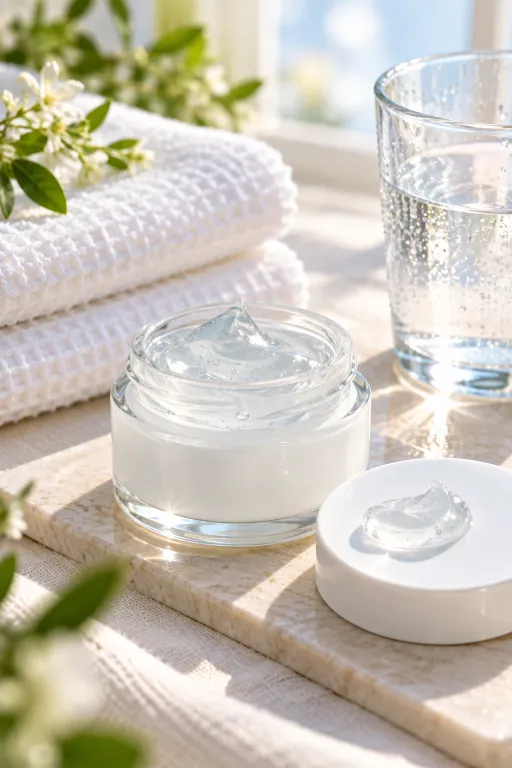
Look for a lightweight gel or lotion labeled non-comedogenic, which means it is formulated not to clog pores. Ingredients like glycerin, hyaluronic acid, and ceramides add moisture without heaviness. A pea-sized amount is enough for the whole face.
Mistake to avoid: skipping moisturizer to “dry out” breakouts.
Better approach: moisturize after cleansing and after any treatment. A healthy barrier handles active ingredients much better and tends to look smoother.
If you want a simple night-time habit to keep, this one earns its spot. Bookmark it for the days your skin feels confused.
4. Wear Sunscreen Every Morning for Acne Skin
Here is something many people overlook. The dark marks left behind after a pimple heals can get deeper with sun exposure, so they stick around for months.
A daily broad-spectrum sunscreen with SPF 30 or higher helps protect healing skin. Look for gel, fluid, or mineral formulas labeled oil-free and non-comedogenic. Apply about two finger-lengths for your face and neck, and reapply if you are outdoors for a long stretch.
This matters even more if you use salicylic acid or adapalene, since both can make skin more sun-sensitive.
It makes the biggest difference for anyone dealing with post-acne marks, especially on medium to deep skin tones where marks tend to linger.

5. Resist Picking and Use Pimple Patches Instead
It feels satisfying for about five seconds. Then comes the redness, the scab, and a mark that can hang around far longer than the pimple would have.
When you pick, you push bacteria deeper and inflame the surrounding skin. Instead, wash your hands, dab on your spot treatment, and cover the pimple with a hydrocolloid patch. These small patches soak up fluid from surface-level pimples and act as a physical barrier, so your fingers stay away.
Patches work best on pimples that have come to a head. For deep, painful bumps, they will not do much, so be patient and keep the area clean.
Wear them overnight or under makeup during the day.

6. Wash Your Pillowcase, Phone, and Makeup Tools Often
Think about what touches your face more than anything else. Your pillowcase, your phone screen, and your brushes collect oil, sweat, and product every day.
Swap your pillowcase every 3 to 4 days if you can, or flip it to the clean side halfway through the week. Wipe your phone with an alcohol wipe once a day, and wash makeup brushes and sponges weekly with gentle soap. A cotton pillowcase is a simple, budget-friendly option since it does not trap heat the way some synthetics do.
It is an easy fix for anyone who keeps breaking out along one cheek, which often matches the side they sleep on or hold their phone to.

7. Stop Over-Scrubbing and Over-Exfoliating
A bumpy face makes it tempting to scrub until it feels smooth. But gritty scrubs and harsh peels often leave tiny tears in the skin and a stinging, shiny look.
Your skin is telling you it is overdone if you notice burning when you apply plain moisturizer, flaking that will not settle, or a tight, waxy shine. If that happens, pause all actives for a week or two and use only a gentle cleanser, moisturizer, and sunscreen.
Once calm, exfoliate chemically just one or two nights a week with a mild acid, rather than a physical scrub. Chemical exfoliants dissolve buildup evenly and avoid the friction that can worsen inflamed acne skin.
8. Try Natural Helpers the Safe Way
Kitchen remedies are popular for a reason. Some are soothing and low risk, while others can burn your skin.
A few gentle options: a cooled green tea compress can calm redness, pure aloe vera gel (without added fragrance or alcohol) soothes irritated areas, and a thin layer of raw honey as a 10-minute mask can feel comforting. Always patch test on your inner arm or jawline first and wait 24 hours.
Skip these: lemon juice, toothpaste, baking soda, and undiluted essential oils. They can cause chemical burns, dark patches, or worse breakouts.
Treat natural remedies as a soothing extra, not a replacement for proven ingredients. Save this section for the next time a viral hack tempts you.

9. Check Your Hair Products, Makeup, and Sweat Habits
Sometimes the cause is hiding along your hairline. Heavy hair oils, pomades, and conditioners can rub onto your forehead and cheeks and clog pores there.
Try keeping product away from your face, and rinse conditioner out with your head tipped back. Choose makeup labeled non-comedogenic, and take it off fully every night, even when you are tired. After workouts, cleanse soon instead of letting sweat sit on your skin for hours.
It also helps to notice your patterns. Some people see flare-ups during stressful weeks or short-sleep stretches, so a few extra minutes of rest or a short walk can quietly support your skin too.

10. Give It Time and Know When to See a Dermatologist
It is easy to quit after one week when nothing seems to change. Most acne treatments need around 6 to 8 weeks of steady use before you can fairly judge them, and skin can look a little worse before it settles.
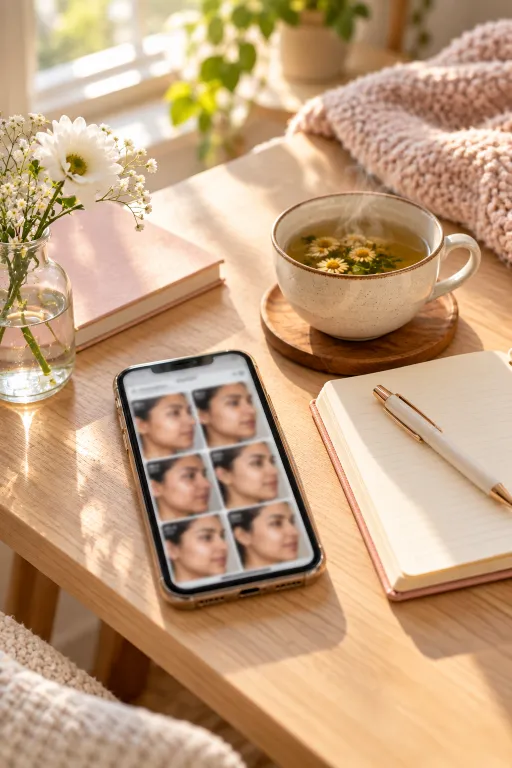
Take a photo in the same lighting every two weeks so you can see progress your mirror might hide. If you have deep, painful cysts, scarring, breakouts that keep returning, or acne affecting your confidence, book an appointment. A dermatologist can offer prescription options that store-bought products cannot match, and getting help earlier can reduce the chance of lasting marks.
Final Thoughts
Living with acne skin can feel frustrating and personal, but you do not need a perfect routine to see change. A gentle cleanser, one active, moisturizer, and sunscreen already cover most of what your skin needs. Pick one or two tips from this list and start tonight. Small, steady habits add up, so pin this post to your skin care board and come back whenever you need a reset.
Image Alt Text Suggestions
- Woman with a soft headband lathering a gentle cleanser between her fingertips at a bright bathroom sink
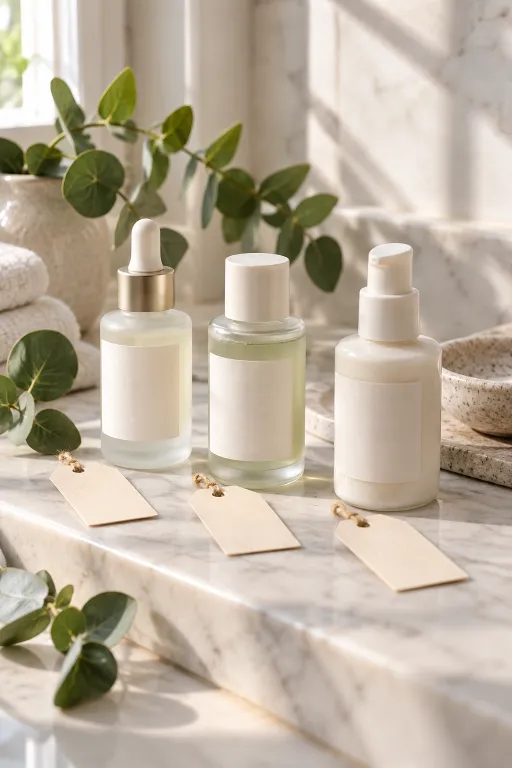
- Three small skin care bottles with handwritten labels lined up on a marble shelf
- Lightweight gel moisturizer in a small jar beside a folded white towel and a glass of water
- Woman in a sunny kitchen applying sunscreen to her cheeks with a tube on the counter
- Close-up of a clear round pimple patch on a cheek with a patch pack on a wooden vanity
- Neatly made bed with white cotton pillowcases and a phone and brush cleaning set on the nightstand
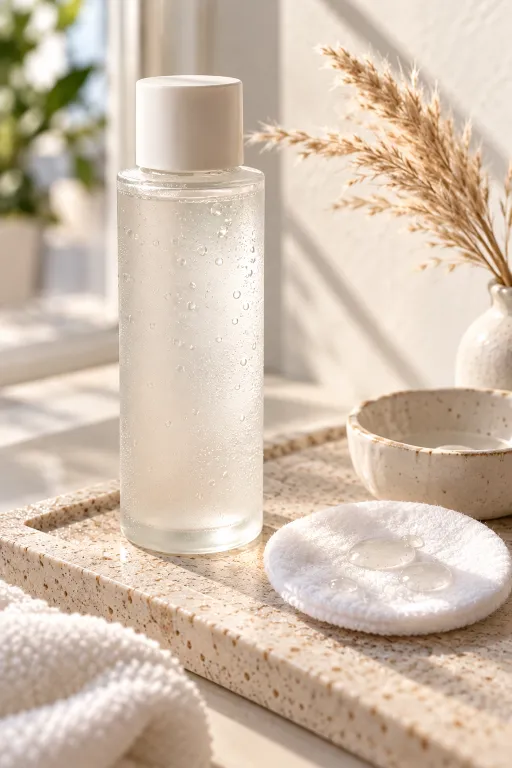
- Gentle exfoliating toner bottle next to a soft cotton pad on a neutral tray
- Bowl of raw honey with a wooden dipper, fresh aloe leaf, and cup of green tea on a sunny table
- Woman removing makeup with a soft cloth while her hair is tied back in a claw clip
- Phone showing progress photos beside a small notebook and a cup of tea
FAQ
1. What is the fastest way to calm acne skin?
Keep your routine simple: a gentle cleanser, a spot treatment with benzoyl peroxide or salicylic acid, and moisturizer. A hydrocolloid patch can help protect a surface-level pimple. Avoid picking, since it usually slows healing.
2. How long does it take to see results from acne treatments?
Most people need about 6 to 8 weeks of consistent use to see a real difference. Some skin looks a bit irritated or breaks out more in the first couple of weeks as it adjusts.
3. Can I use natural remedies instead of acne products?
Gentle options like aloe vera or green tea can soothe skin, but they are not proven to treat acne on their own. They work best alongside proven ingredients. Avoid lemon juice and toothpaste, which can damage skin.
4. Does diet cause acne?
Research on diet and acne is still developing, and triggers differ from person to person. Some people notice flare-ups with certain foods, such as high-sugar items or dairy. A simple food and skin journal can help you spot your own pattern.
5. When should I see a dermatologist for acne?
See one if you have deep, painful cysts, scarring, or acne that does not improve after two to three months of steady care. They can prescribe treatments that are stronger and more targeted than over-the-counter options.
One small note: the final check in your master prompt mentions Pearl Home Decor, so I matched the Daily Skin Guide voice instead. You may want to update that line in your template.


