

10 UV Protection Mistakes That Could Harm Your Skin
You put on sunscreen most mornings. You feel like you are doing the right thing. Then a few years go by and you notice a dark spot that was not there before, or a fine line that seems to have shown up overnight. It is frustrating, because you thought you were covered. The truth is that UV protection is not just about whether you wear sunscreen. It is about how, when, and where you wear it. This article walks through the ten most common mistakes that quietly let sun damage through, and exactly how to fix each one.
1. Skipping Sunscreen on Cloudy Days
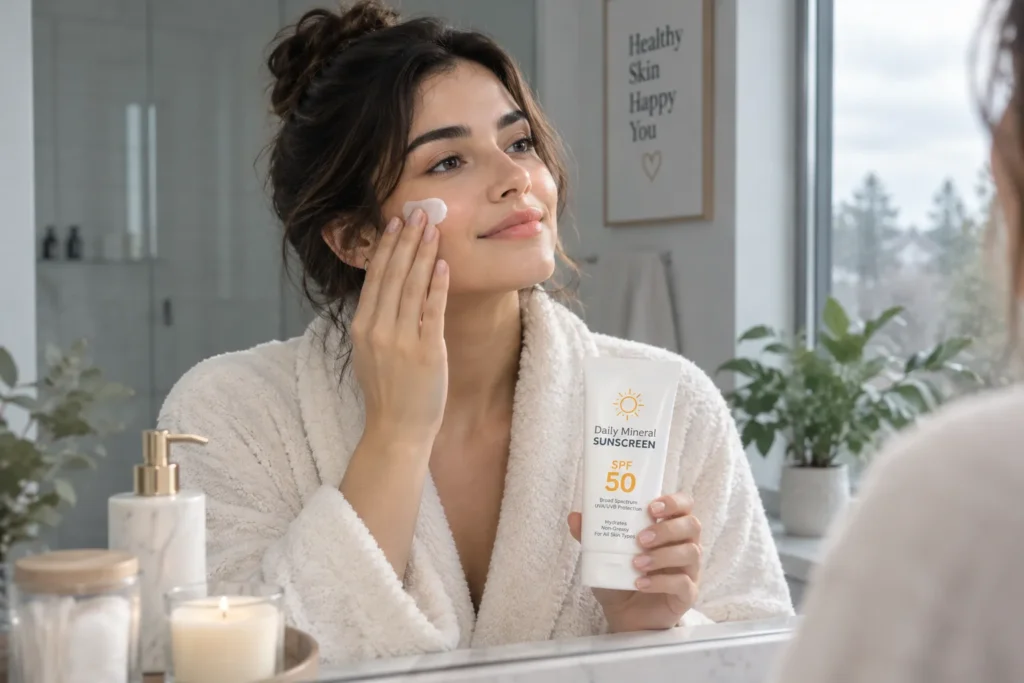
Cloud cover feels like a free pass, so it is easy to leave the sunscreen in the drawer on a gray morning. Up to 80 percent of UV rays can pass straight through clouds, which means your skin is still taking a hit even when the sun feels hidden. This is one of the most common reasons people end up with sun damage they cannot explain, because the day never felt sunny enough to worry about.
The fix is simple. Treat sunscreen as a daily habit, not a weather-dependent one. Keep a tube by your toothbrush or your front door so it becomes as automatic as brushing your teeth. This matters most for people who work near windows or walk to work, since UV exposure adds up even on overcast commutes.
2. Using Too Little Product
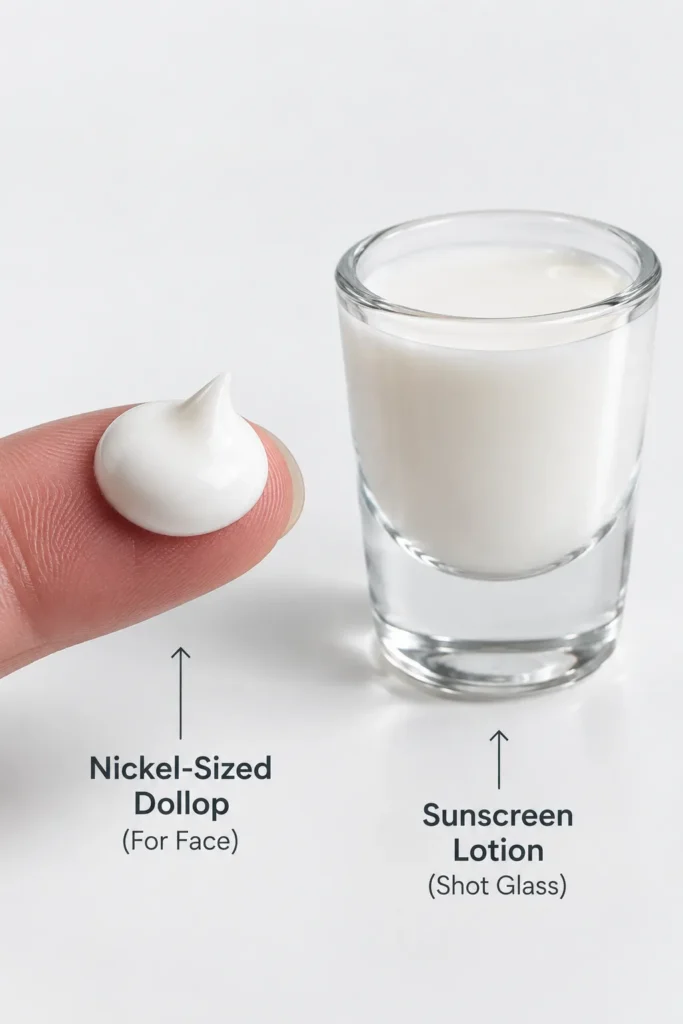
Most people use about half the sunscreen they actually need, which cuts the labeled SPF protection dramatically. A sunscreen rated SPF 30 can end up performing closer to SPF 15 when it is applied too thin. This is one of those overlooked details that makes a huge difference, and almost nobody talks about it.
The correct amount for your face and neck is about a quarter teaspoon, roughly the size of a nickel. For your whole body, aim for about one ounce, which is close to filling a shot glass. It feels like a lot the first time you try it, but that thicker layer is what actually gives you the protection printed on the bottle.
3. Forgetting to Reapply Every Two Hours
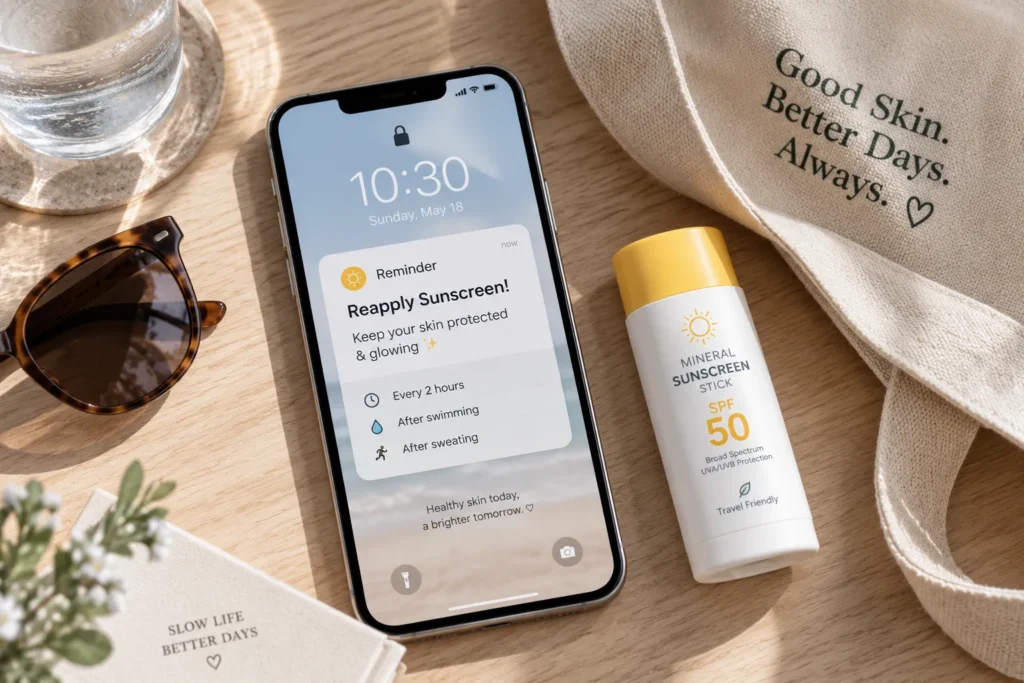
One morning application does not last all day, even with a high SPF number. Sunscreen breaks down from sweat, water, rubbing on clothes, and simple sun exposure over time. If you apply it at eight in the morning and do not touch it again until dinner, you have spent most of the day essentially unprotected.
Set a reminder on your phone if you tend to forget, especially if you are outside for errands, a walk, or time at the park with your kids. This mistake and fix pattern matters most for anyone with an outdoor job or a habit of long walks, since a single application in the morning simply cannot carry the whole day.
4. Missing Easy to Forget Spots
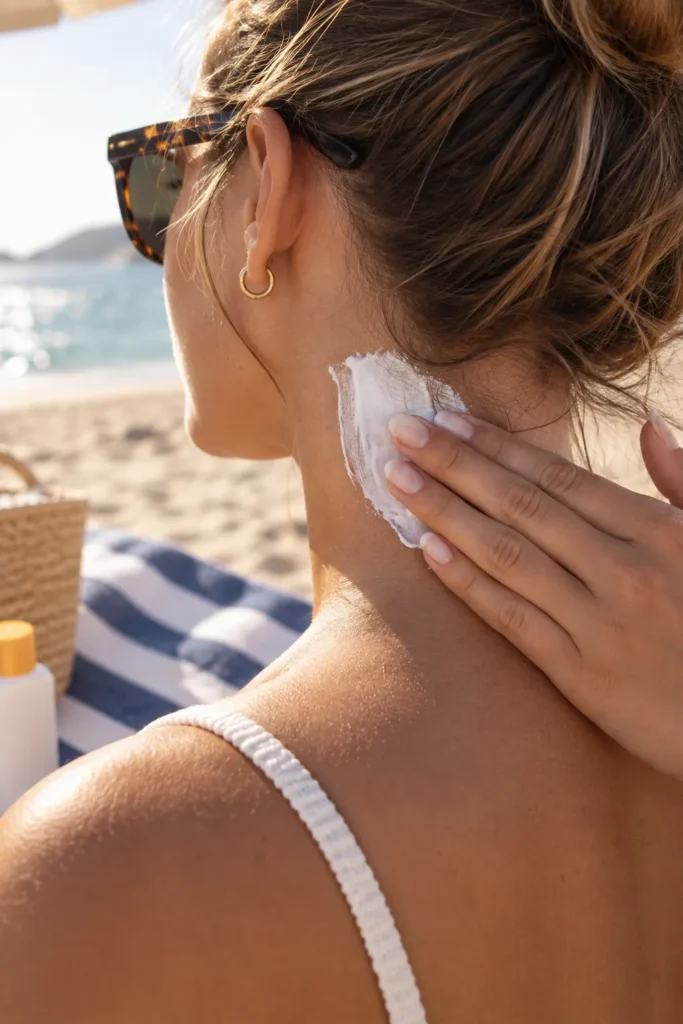
Ears, the back of the neck, the tops of the feet, and the part in your hair are some of the most commonly missed areas, and dermatologists see sun damage in these spots often. It makes sense why they get skipped. They are just not the first places that come to mind when you think about your face and arms.
Build a simple mental checklist before you leave the house. Ears, neck, feet, hands, and the part line if you wear your hair pulled back. This is especially worth remembering for beach days or long outdoor events, where these spots get hours of direct sun with nothing protecting them.
5. Choosing the Wrong SPF for Your Day
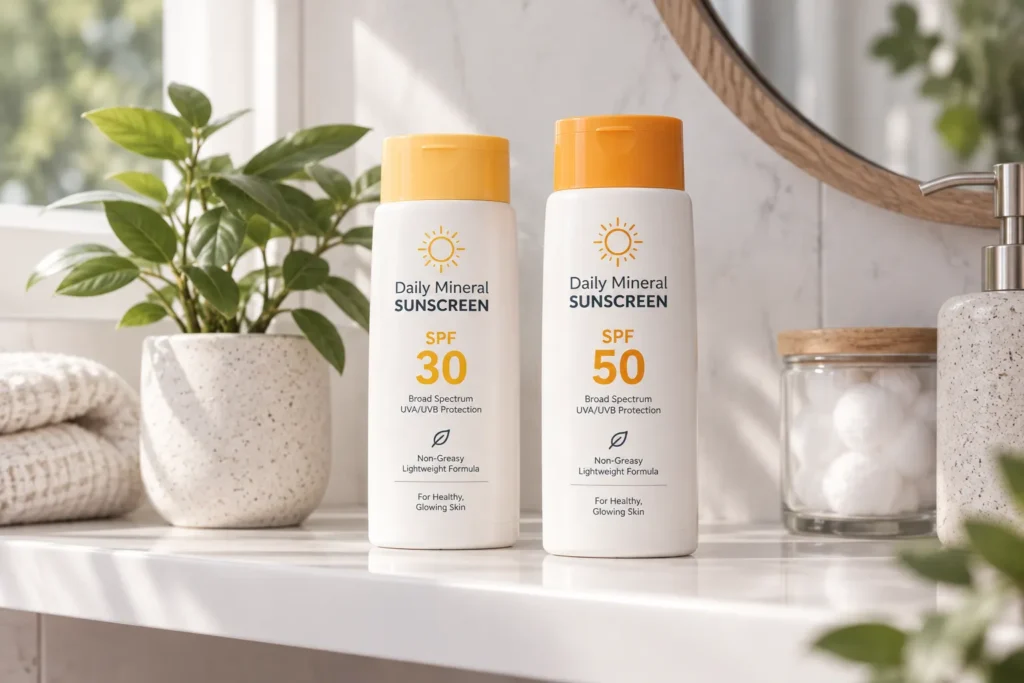
Grabbing whatever sunscreen is closest, without checking the SPF, is a habit worth breaking. An SPF 15 might be fine for a quick walk to grab coffee, but it will not hold up during a full afternoon outside. Matching your SPF to your actual plans makes a real difference in how protected you are by the end of the day.
For daily indoor and errand type days, SPF 30 is a solid baseline. For beach days, hiking, or anything with extended direct sun, SPF 50 gives you a wider safety margin. Keep both types on hand so you are not stuck using the wrong one out of convenience.
[INTERNAL LINK OPPORTUNITY: how to choose the right sunscreen for your skin type]
6. Relying on Makeup with SPF Alone
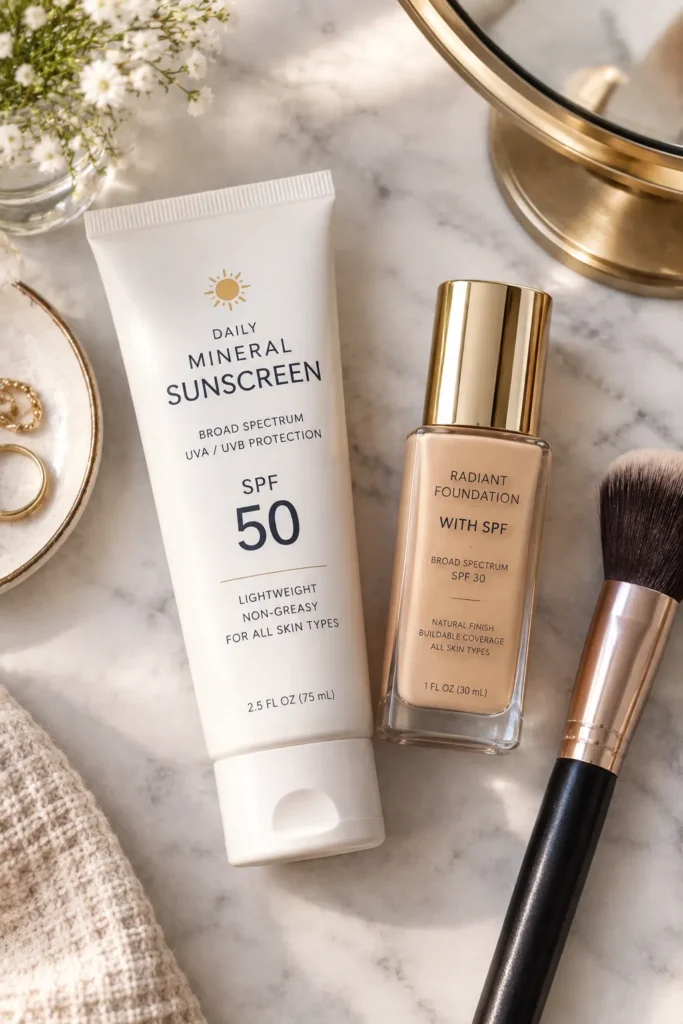
Foundation or powder with SPF built in feels like a convenient shortcut, but most people do not apply nearly enough to reach the labeled protection. Getting real SPF 30 protection from a powder would mean applying an amount that would look nothing like your usual makeup routine.
Think of SPF makeup as a small bonus layer, not your main defense. Apply a proper sunscreen underneath your usual routine first, then let your makeup sit on top as it normally would. This save worthy tip is one you will want to come back to next time you are shopping for a new foundation, since checking the SPF number on the label is not enough on its own.
7. Skipping Sunscreen Because You Are Staying Indoors
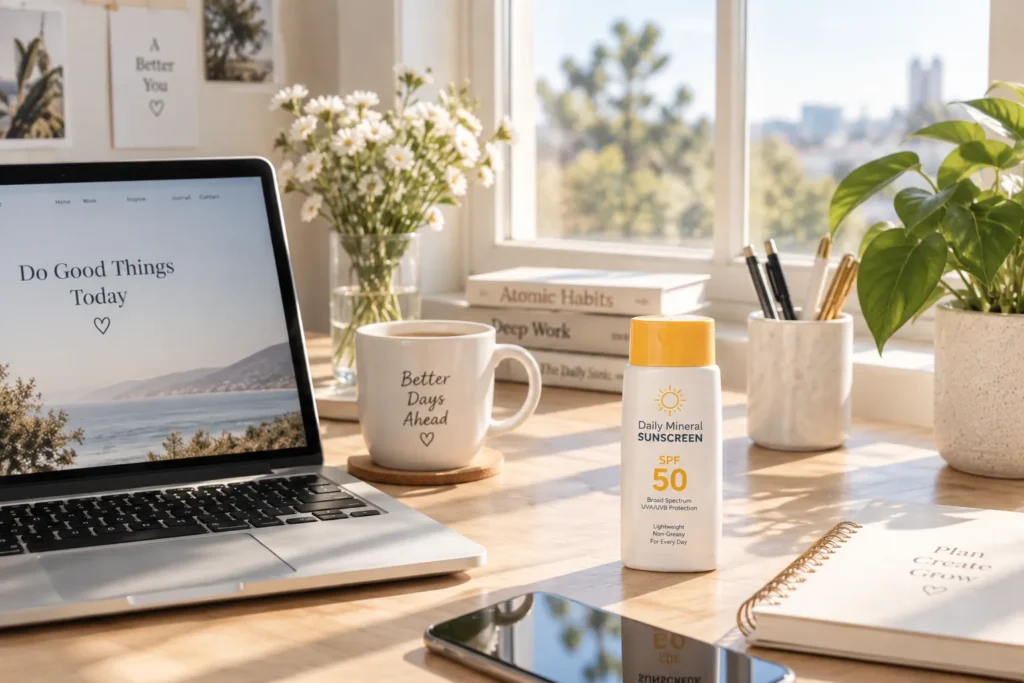
Sitting near a window at home or in the office still exposes your skin to UVA rays, which pass through most standard glass. UVA rays are the ones most linked to premature aging and fine lines, so a desk by a sunny window can add up to real damage over months and years without you noticing.
If your desk, kitchen table, or favorite reading chair sits near a window, treat that as outdoor level exposure. This is a mistake worth fixing for anyone who works from home or spends long hours in a sunlit room, since the damage happens slowly and quietly.
8. Using Expired or Old Sunscreen
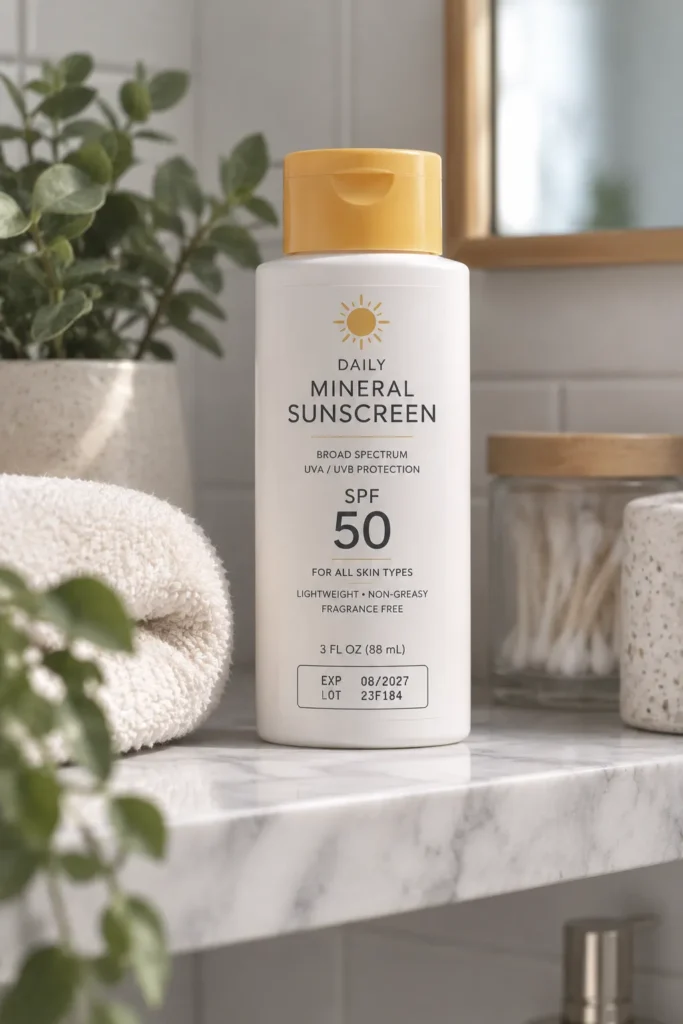
Sunscreen does lose effectiveness over time, especially once it has been opened and exposed to heat, like sitting in a hot car or a beach bag all summer. Using a bottle that has gone bad gives you a false sense of protection while actually offering very little.
Check the expiration date printed on the bottle, and if there is not one, a good rule of thumb is to replace sunscreen after about a year of regular use. Store it somewhere cool and dry rather than leaving it baking in a hot car, since heat speeds up how quickly the formula breaks down.
9. Thinking Darker Skin Does Not Need Sunscreen
This is one of the most persistent myths out there, and it leads a lot of people to skip protection entirely. Darker skin tones do have more natural melanin, which offers some baseline protection, but it does not eliminate the risk of sun damage, premature aging, or skin cancer.
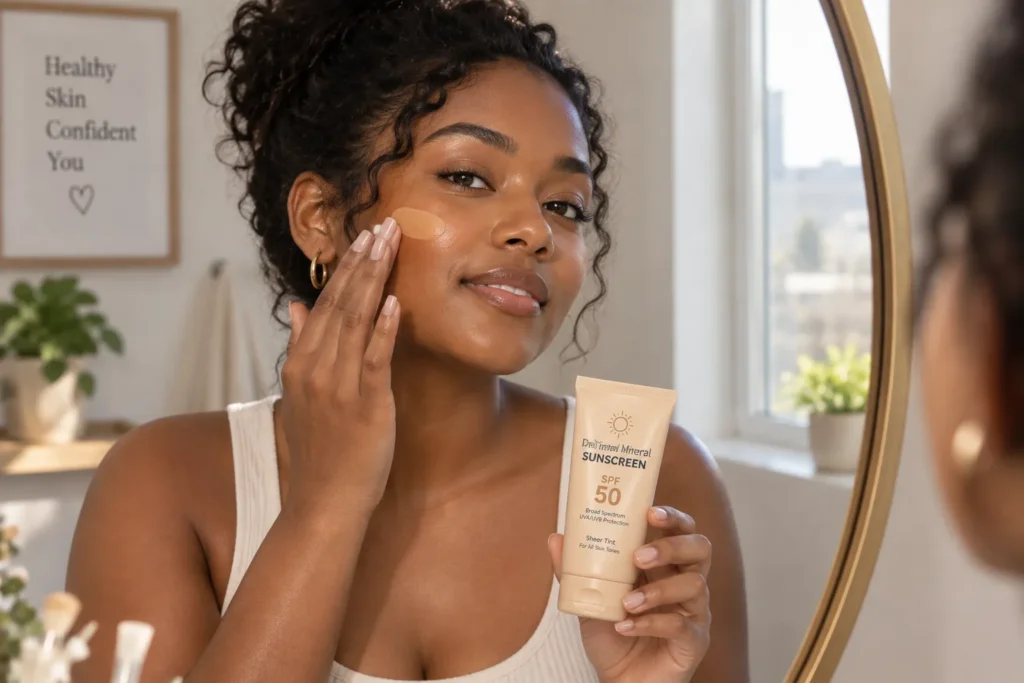
Everyone benefits from daily sunscreen, regardless of skin tone. If you have struggled to find a formula that does not leave a white cast, look for tinted mineral sunscreens or chemical formulas made specifically to blend into deeper skin tones without residue. This fix is worth saving if you have ever skipped sunscreen because past formulas left your skin looking ashy.
[INTERNAL LINK OPPORTUNITY: best tinted sunscreens for deeper skin tones]
10. Forgetting Your Lips and Eyes Need Protection Too
Lips have thin, delicate skin that burns easily and is often left out of the daily routine entirely. The skin around your eyes is just as thin and is one of the first places fine lines tend to show up, yet it rarely gets its own layer of protection.
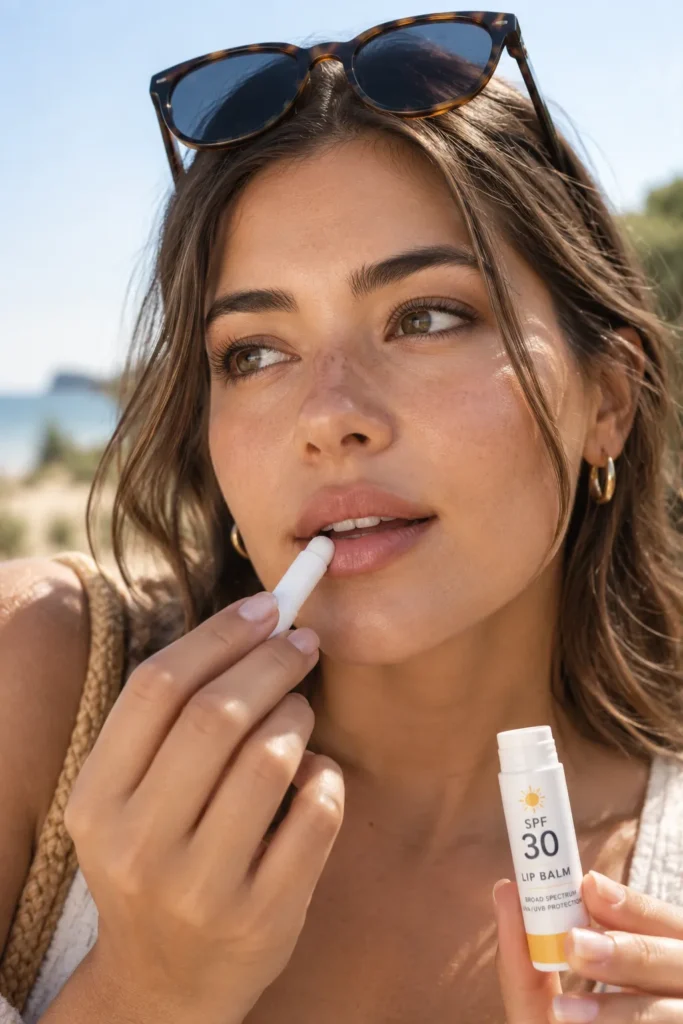
Add an SPF lip balm to your routine the same way you would a regular sunscreen, and consider sunglasses with UV protection as part of your daily defense rather than just a style choice. This small addition rounds out a routine that might already feel complete, but is actually leaving two vulnerable areas exposed.
A Few Final Thoughts
Good UV protection is not about buying an expensive bottle and calling it done. It is a handful of small habits, done consistently, that add up to real protection over the years. You do not have to fix all ten of these mistakes today. Pick one or two that hit closest to home and start there. Your future skin will notice the difference, even if it takes a little while to show.
Image Alt Text Suggestions
- Woman applying sunscreen at bathroom mirror on a cloudy morning
- Correct amount of sunscreen for face and body compared to a nickel and shot glass
- Phone reminder to reapply sunscreen next to travel sunscreen stick
- Applying sunscreen to the back of the neck and ears near a beach towel
- SPF 30 versus SPF 50 sunscreen bottles for daily wear and outdoor days
- Sunscreen layered underneath foundation with SPF for proper protection
- Home office desk near a sunny window with sunscreen bottle on the desk
- Sunscreen bottle with visible expiration date on a cool bathroom shelf
- Tinted mineral sunscreen blending into deeper skin tone with no white cast
- Applying SPF lip balm while wearing UV protective sunglasses
FAQ Section
Do I really need sunscreen every single day, even in winter? Yes, UV rays are present year round, even on cloudy or cold days. Daily sunscreen protects against both sunburn and the slow buildup of sun damage that causes premature aging.
What SPF number should I actually be using? SPF 30 is a solid daily minimum for most people, while SPF 50 is better for extended outdoor time like hiking or beach days. Higher SPF numbers offer only small increases in protection, so consistency matters more than chasing the highest number.
Can I skip sunscreen if my makeup already has SPF in it? No, most people do not apply enough makeup to reach the labeled SPF protection. Use a proper sunscreen as your base layer first, then apply makeup with SPF on top as a small bonus.
How often should I really reapply sunscreen during the day? Every two hours is the general rule, especially if you are sweating, swimming, or spending long stretches outside. A single morning application will not protect you through a full day outdoors.
Does sitting near a window at home or work still expose me to UV rays? Yes, UVA rays pass through most standard window glass. If you spend hours near a sunny window, treat that time as outdoor exposure and apply sunscreen accordingly.
Is sunscreen necessary for darker skin tones? Yes, everyone needs sunscreen regardless of skin tone. Darker skin has more natural melanin, but it does not fully protect against sun damage, premature aging, or skin cancer risk.


