

10 Acne Prone Skin Tips for Clearer, Calmer Skin
You wake up, check the mirror, and there it is again: a new breakout right where you were hoping for a good skin day. When you have acne prone skin, it can feel like every product promises a miracle and none of them quite delivers. The truth is that calm skin usually comes from a handful of gentle, steady habits, not a 12-step routine. These 10 tips will show you exactly where to start and what to stop doing.
1. Cleanse Acne Prone Skin Gently, Twice a Day
Think of your face wash as a soft reset, not a scrub-down. Use a mild, fragrance-free gel or foaming cleanser, massage it on with your fingertips for about 30 seconds, and rinse with lukewarm water.
The common mistake is washing with hot water and a rough cloth because the skin feels greasy. That strips your skin barrier, and irritated skin can respond by producing even more oil. The fix is simple. Wash morning and night, and only add a third wash after a sweaty workout. If your skin feels tight or squeaky afterward, the cleanser is too harsh.
[INTERNAL LINK OPPORTUNITY: gentle cleanser guide for oily skin]

2. Keep Your Hands Off Your Breakouts
Picking feels satisfying for about ten seconds. Then comes the redness, the scab, and a dark mark that can linger for weeks.
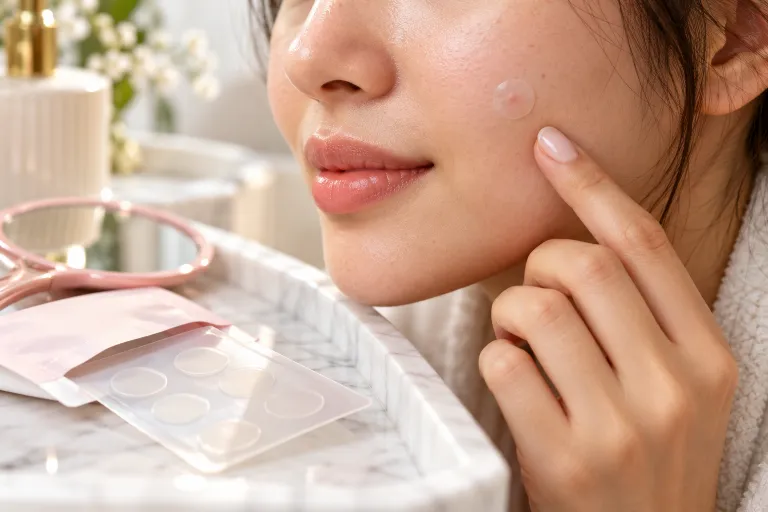
Here is what most people overlook. Squeezing often pushes bacteria and oil deeper into the pore, which can turn a small bump into a bigger, angrier one. If you feel the urge, cover the spot with a hydrocolloid pimple patch. It absorbs fluid, makes picking harder, and keeps the area protected overnight. Keep a small pack of patches in your purse and one by your bed, so you always have something better to reach for.
3. Moisturize, Even When Your Skin Feels Oily
Skipping moisturizer is one of the biggest habits that backfires for acne prone skin. Oily skin can still be dehydrated, and a dehydrated, stressed barrier tends to react more to everything you put on it.
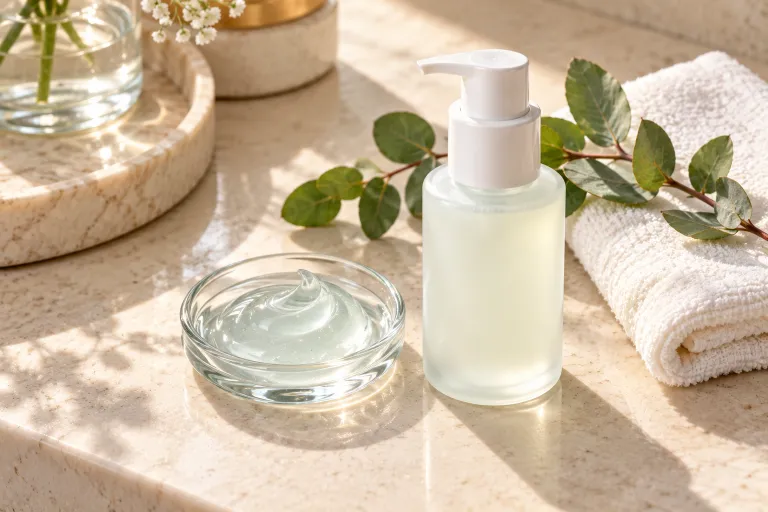
Reach for a light gel or lotion labeled “non-comedogenic,” which means it is made not to clog pores. Look for ingredients like glycerin, hyaluronic acid, or niacinamide. A good example is a water-based gel cream in the morning and a slightly richer lotion at night if your skin feels dry. Apply it while your face is still a little damp so it feels weightless, not heavy.
4. Wear Sunscreen Every Morning
Sun exposure can darken the red and brown marks that breakouts leave behind, so skipping sunscreen can make healing look slower than it really is. Many acne treatments also make skin more sun-sensitive.
If you avoid sunscreen because it feels greasy, you probably just have not found your match yet. Try a fluid, gel, or mineral formula that says oil-free and non-comedogenic, with SPF 30 or higher. Apply about two finger lengths for your face and neck. Make it the very last step of your morning routine so it becomes automatic, like brushing your teeth.

5. Add One Active Ingredient at a Time
Actives are the ingredients that do the heavy lifting for acne prone skin. Salicylic acid helps clear oil from inside pores. Benzoyl peroxide targets acne-causing bacteria. Adapalene, a retinoid you can now find over the counter in many places, helps with clogged pores and cell turnover.
The mistake is starting three of them in the same week. That is how you end up with peeling, burning skin that looks worse than before. Start with just one, use it two or three nights a week, and wait a few weeks before adding anything else. Slow and boring really does win here.
[INTERNAL LINK OPPORTUNITY: salicylic acid vs benzoyl peroxide for beginners]

6. Wash What Touches Your Face
Your skin can be doing everything right while your pillowcase quietly works against it. Pillowcases, phone screens, makeup brushes, and even your hair against your cheeks collect oil, sweat, and product.
A simple schedule is enough. Swap your pillowcase for a clean one every few days, wipe your phone screen daily, and wash makeup brushes weekly with a gentle soap. Tie long hair back at night so it stays off your forehead and jawline. Bookmark this tip for laundry day, because it is the easiest win on the list.

7. Check Your Makeup and Hair Products
Sometimes breakouts follow a pattern, such as along the hairline, around the forehead, or down the jaw. Heavy hair oils, pomades, and thick foundations can clog pores in those exact spots.
Look for labels that say non-comedogenic or oil-free, and keep new products to one at a time so you can tell what your skin likes. Always take your makeup off before bed. A gentle cleansing balm or micellar water followed by your regular cleanser works well. If you notice bumps along your hairline, try switching your hair product for two weeks and watch what changes.

8. Treat Acne Prone Skin Spots Smartly
When one pimple shows up, the instinct is to attack it with everything at once. That usually leads to dry, flaky patches around a still-visible bump.
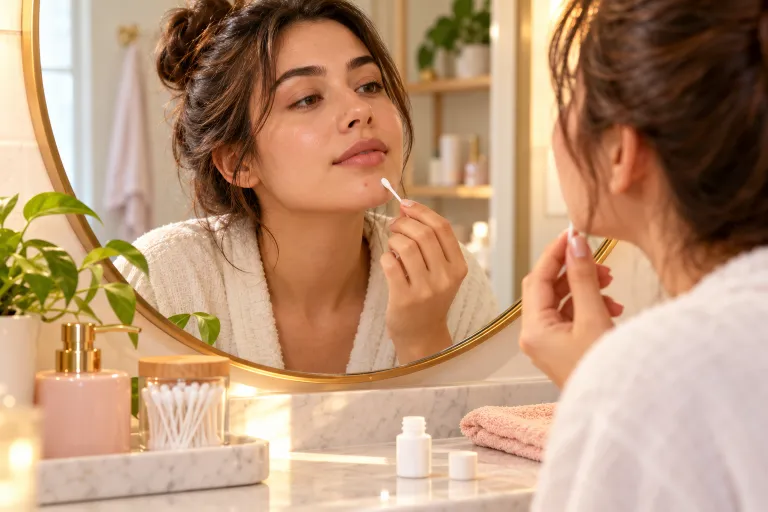
Instead, dab a small amount of a spot treatment with benzoyl peroxide or salicylic acid directly on the pimple, and nowhere else. Then cover it with a patch if it has come to a head. For a deep, painful bump with no head, avoid squeezing completely, since there is nothing to remove and you can only cause damage. Be patient, because these can take several days to settle.
9. Try Gentle Natural Soothers, Skip the Risky Ones
Natural care can be a lovely part of a routine when you choose carefully. Cooled green tea compresses, pure aloe vera gel, and a thin layer of raw honey as a short mask can feel calming on irritated skin.
Always patch test first by applying a tiny amount on your inner arm and waiting 24 hours. Skip popular internet “remedies” like lemon juice, baking soda, toothpaste, and undiluted essential oils. They can burn the skin, upset its natural pH, and leave marks that last longer than the pimple did. Natural does not always mean gentle.

10. Give Your Routine Time and Know When to Get Help
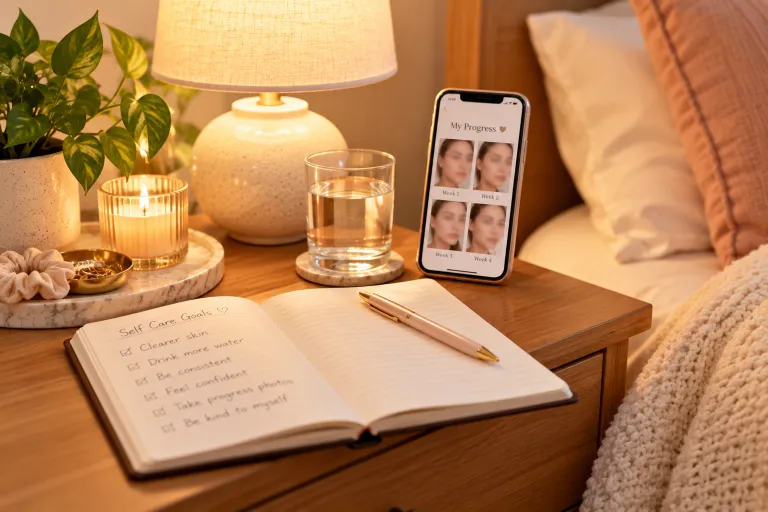
Skin cells take a few weeks to turn over, so most routines need about six to eight weeks before you can fairly judge them. Take a photo in the same light each week. It is easier to spot slow progress than to trust your memory.
Sleep, stress, and food can also play a part for some people, so notice whether certain patterns show up before flare-ups. If your acne is painful, deep, scarring, or has not improved after two months of steady care, see a dermatologist. Prescription options exist, and getting help early can make a real difference for scarring.
Final Thoughts
Living with acne prone skin can be tiring, and it is easy to feel like your face is something to fix. But calmer skin usually comes from kindness and consistency, not punishment. Choose just one or two tips from this list and give them a fair few weeks. Save this article for the days you feel stuck, and try one new habit tonight.
6. Image Alt Text Suggestions
- Woman rinsing her face with lukewarm water at a bathroom sink using a gentle cleanser for acne prone skin
- Small hydrocolloid pimple patch on a cheek with a pack of patches on a vanity
- Lightweight gel moisturizer in a pump bottle beside a dish of non-comedogenic cream
- Woman applying oil-free sunscreen to her cheek by a sunny window
- Three skin care bottles with a handwritten schedule card showing how to introduce actives slowly
- Clean white pillowcase on a made bed with a phone and makeup brushes on a nightstand
- Flat lay of oil-free foundation, makeup remover, and a soft brush on linen
- Woman dabbing spot treatment on her chin with a cotton swab
- Bowl of aloe vera gel with a fresh aloe leaf and a cup of green tea
- Bedside table with a skin progress journal, glass of water, and phone
7. FAQ Section
What is the best skin care routine for acne prone skin?
Keep it simple: a gentle cleanser, a non-comedogenic moisturizer, and sunscreen in the morning, plus one active ingredient at night. Add new products slowly so you can see what helps.
Can I use moisturizer if my skin is oily and breaking out?
Yes, and you should. A light, oil-free gel moisturizer supports your skin barrier, which can help your skin stay balanced and less irritated.
How long does it take to clear acne prone skin?
Most routines need around six to eight weeks to show clear change. Results vary from person to person, so steady habits matter more than quick fixes.
Do natural remedies work for acne?
Some gentle options like aloe vera and green tea compresses may help soothe irritated skin, but they are not a replacement for proven acne ingredients. Always patch test, and avoid lemon juice, baking soda, and toothpaste.
Does diet cause acne?
Research suggests diet may affect breakouts for some people, but it is not the same for everyone. Try noticing patterns in your own skin rather than cutting out whole food groups.
When should I see a dermatologist for acne?
See one if your acne is deep, painful, leaving scars, or has not improved after about two months of consistent care. A dermatologist can offer prescription treatments that over-the-counter products cannot.


