

11 Vacation Sunscreen Tips for Beach Days That Actually Work
You booked the trip. You packed the swimsuit you feel good in. And now you are standing in the sunscreen aisle wondering if the bottle you grab will actually keep you from turning red on day one. It happens to almost everyone. You either forget to reapply, use last year’s half empty bottle, or realize halfway through the trip that your “waterproof” sunscreen was not so waterproof after all. This guide walks you through 11 practical vacation sunscreen tips so you can spend your beach days relaxing instead of nursing a sunburn.
1. Pick the Right SPF Before You Pack
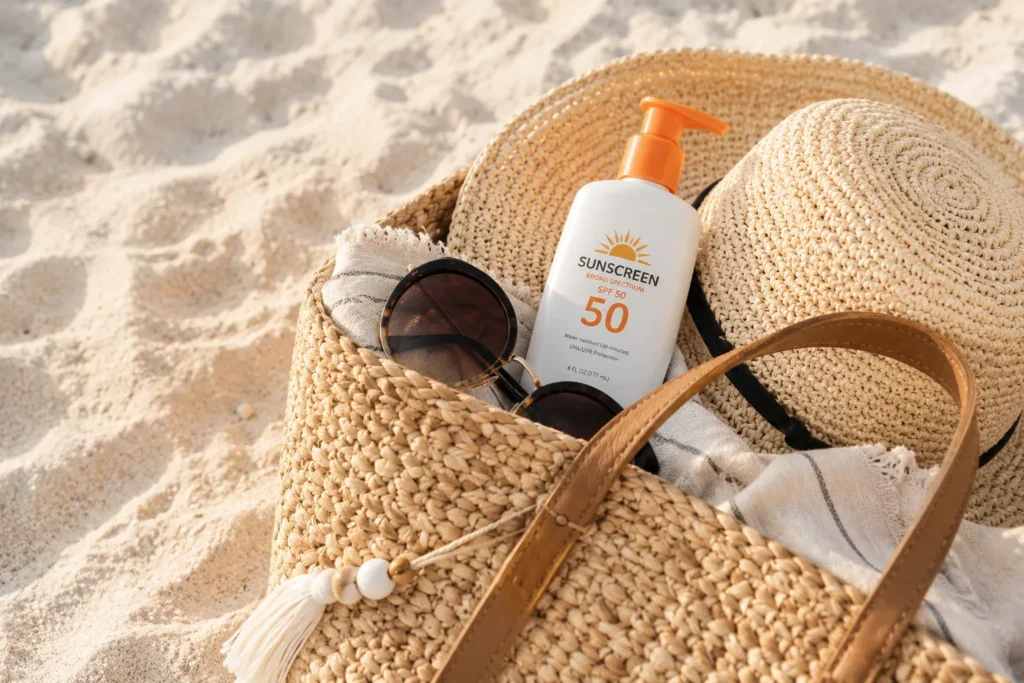
Not all sunscreen is built for a full day outside. For beach vacations, aim for SPF 30 at minimum, though SPF 50 gives you more of a buffer if you have fair skin or plan to be out for hours.
A common mistake is grabbing whatever SPF is on sale without checking if it is broad spectrum. Broad spectrum means it blocks both UVA and UVB rays, and that detail matters more than the SPF number itself. A lower SPF that is broad spectrum can protect you better than a high SPF that only blocks one type of ray.
For a week at a beach resort, pack a full sized bottle rather than a travel size. You will use more than you expect once you are actually out in the sun for hours at a time.
2. Apply It Before You Leave the Hotel Room
Sunscreen needs time to bind to your skin before it starts working. Applying it the moment you step onto the sand means you are already exposed and unprotected for those first crucial minutes.
Put it on 15 to 20 minutes before you head out, while you are still getting dressed or finishing your coffee. This small habit shift makes a real difference, especially on the first day of a trip when your skin has not built up any base tolerance yet.
A good use case for this tip is a beach day that starts with breakfast at the hotel. Apply sunscreen right after you shower, then eat breakfast while it sets in, and you will already be covered by the time you reach the water.

3. Do Not Skip the Spots You Forget
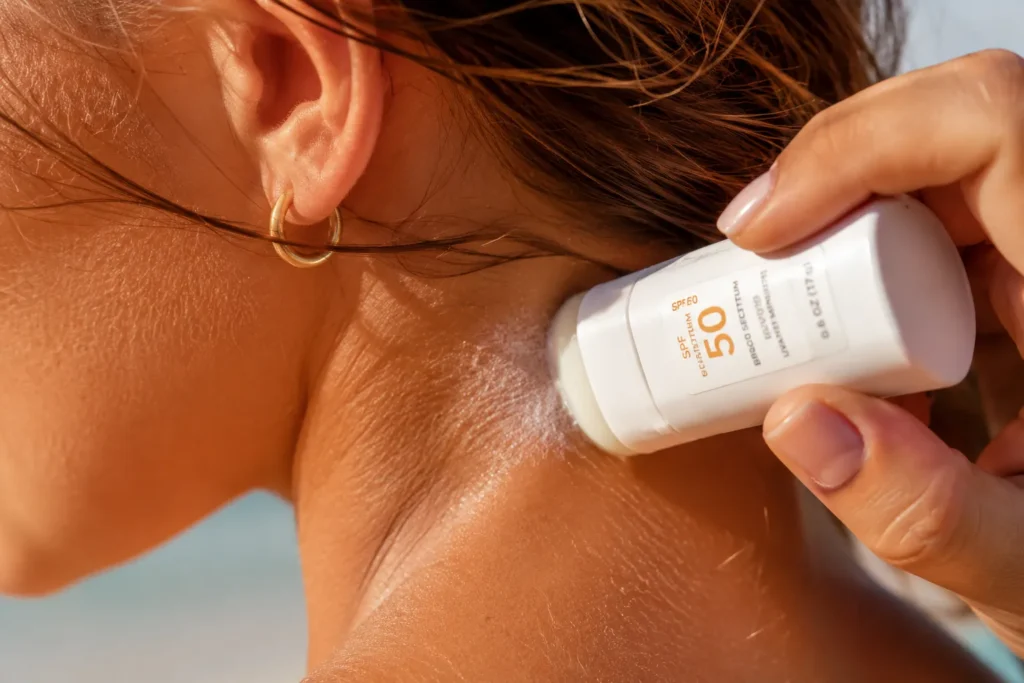
Most people cover their arms, legs, and face, then forget the tops of their feet, the back of the neck, the ears, and the part line in their hair. These spots burn just as easily and often hurt more because you do not notice the burn until it is already done.
Keep a small stick sunscreen in your beach bag just for these tricky areas. It is easier to apply than lotion when your hands are covered in sand, and it makes touch ups on your ears or hairline much faster.
This tip matters most on days when you are lying flat on a towel for hours, since the tops of your feet and your part line get direct exposure the whole time.
[INTERNAL LINK OPPORTUNITY: sunscreen mistakes that could harm your skin]
4. Reapply Every Two Hours, Not Just Once a Day
One application in the morning will not carry you through an entire beach day. Sunscreen breaks down from sweat, water, and simple sun exposure over time, even the water resistant kind.
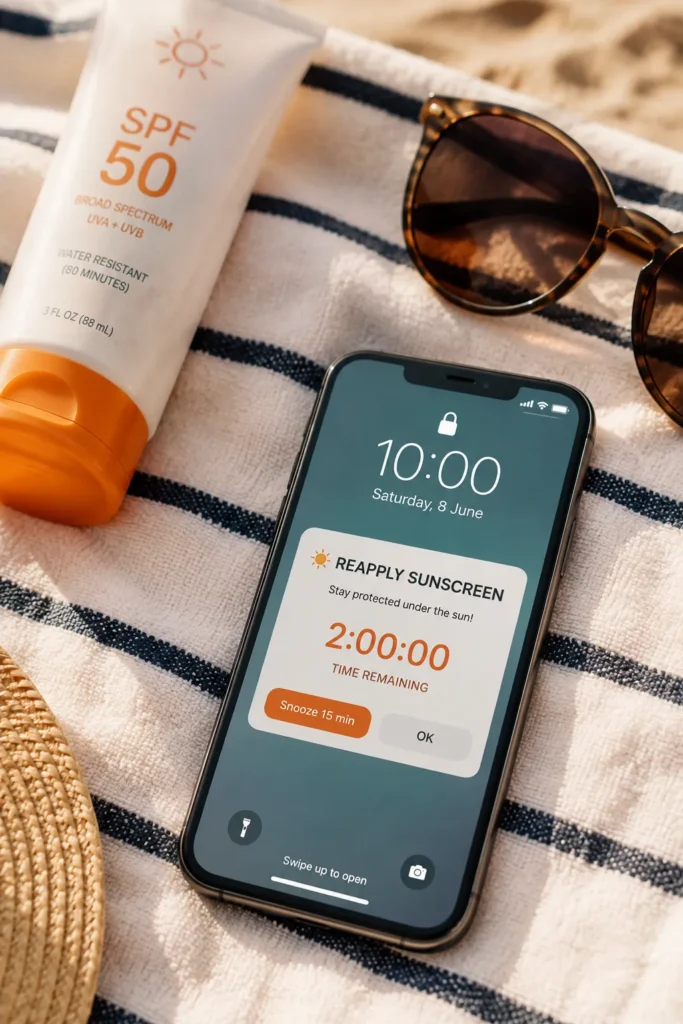
Set a timer on your phone for every two hours as a reminder. If you are swimming or sweating heavily, reapply as soon as you towel off, since water resistant does not mean waterproof forever. Most water resistant formulas only hold up for 40 to 80 minutes in water before they need a fresh coat.
A useful example is a beach day that includes snorkeling in the late morning and lounging in the afternoon. Reapply right after you finish snorkeling, then again around the two hour mark from your last application, even if you feel like you already covered everything.
5. Choose a Formula That Matches Your Activity
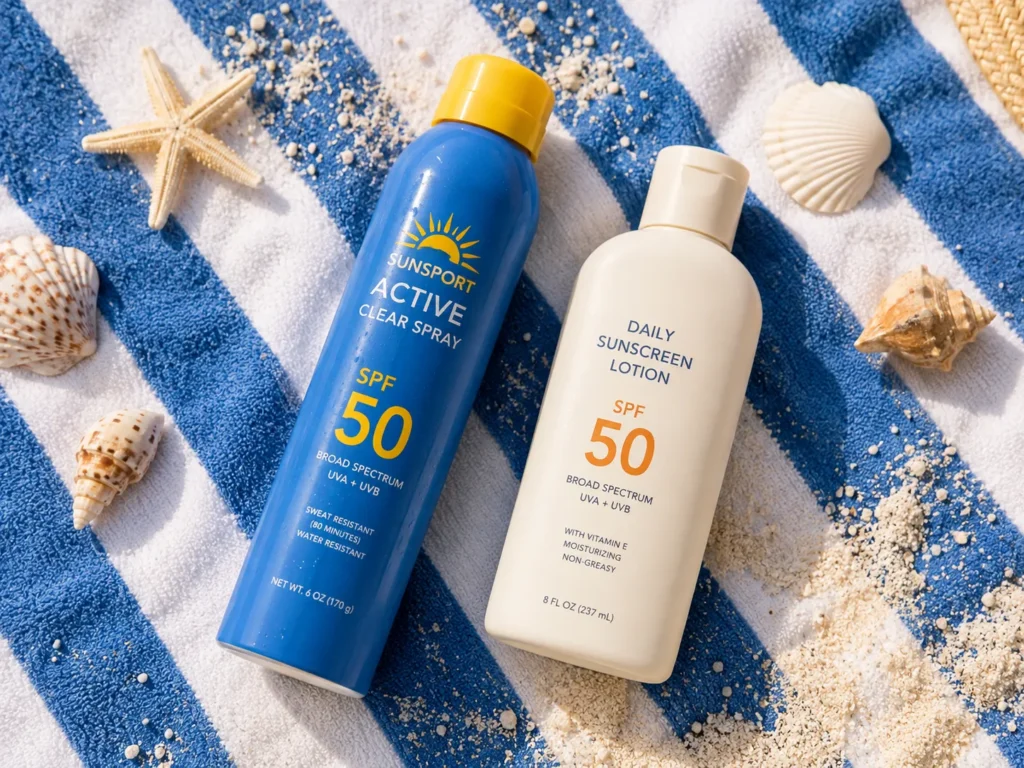
A sunscreen that works great for a lazy beach day might not hold up during a surf lesson or a long hike to a coastal viewpoint. For high sweat or high water activities, look for a sport or water resistant formula. For lounging and reading under an umbrella, a lighter lotion or spray works fine.
The mistake many people make is packing only one type of sunscreen for a trip that includes very different kinds of days. Pack a water resistant stick or lotion for active days, and a lighter spray or cream for slower ones, so you are not stuck choosing between comfort and protection.
If your vacation includes a snorkeling excursion, a mineral based water resistant sunscreen is worth packing separately, since it tends to hold up better in salt water than some chemical formulas.
6. Use Enough Product, Not Just the Right Product
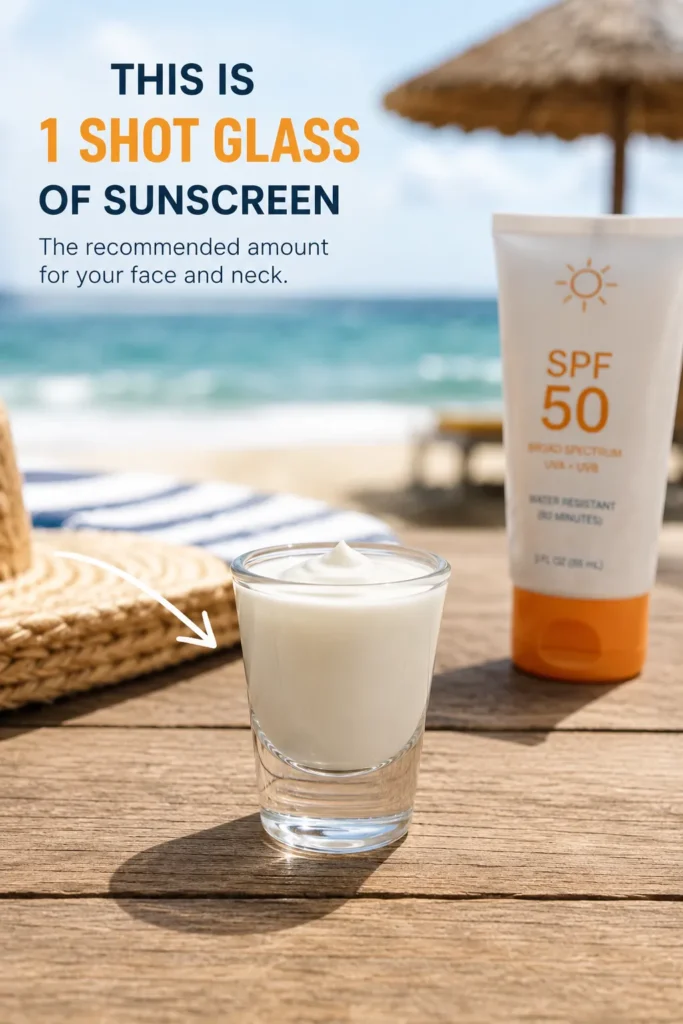
Even the best sunscreen fails if you do not use enough of it. The standard guideline is about one ounce, roughly a shot glass full, to cover your entire body for one application. Most people use far less than that without realizing it.
A common mistake is rubbing sunscreen in until it fully disappears, then assuming that thin, even layer is doing its job. In reality, a thin layer offers noticeably less protection than the label promises. Apply a generous layer and let it sit rather than rubbing it in completely.
For a family beach trip, this means budgeting more sunscreen than you think you need. A family of four spending a full week at the beach can easily go through two or three large bottles.
7. Protect Your Lips and Scalp Too
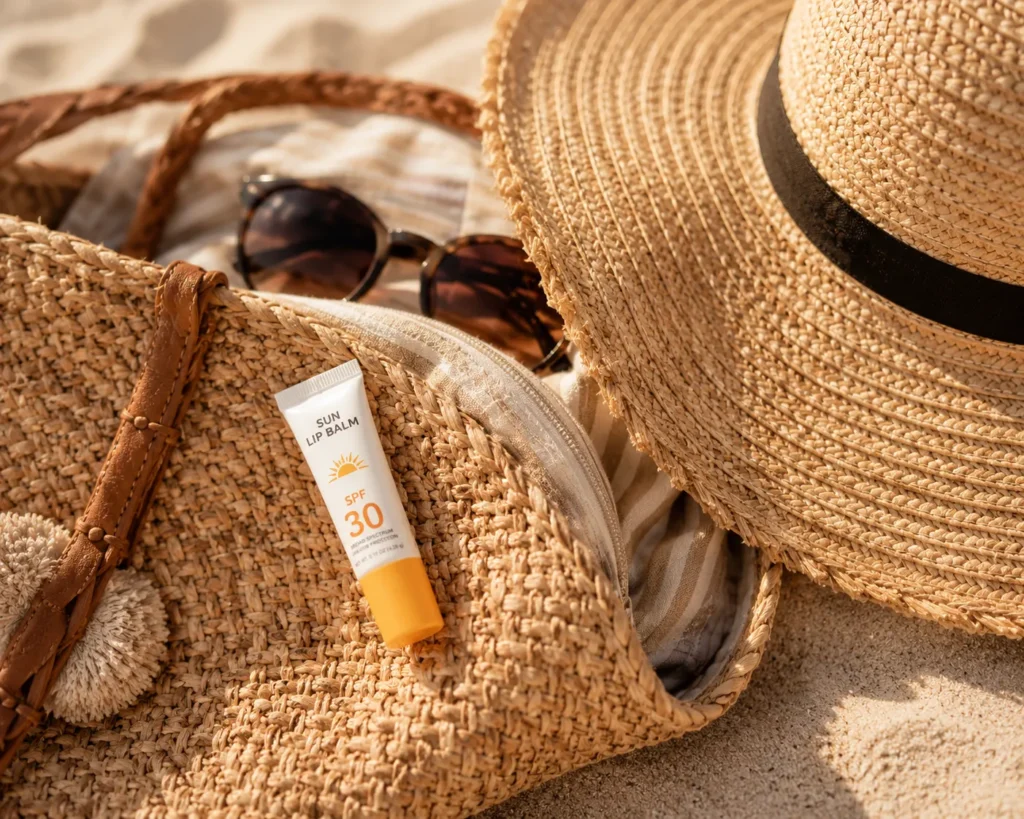
Lips have thin skin and almost no natural protection from the sun, which makes them one of the most overlooked burn spots on a beach trip. Your scalp, especially along a part line or a thinning area, is just as vulnerable.
Pack an SPF lip balm and reapply it as often as you would regular lip balm. For your scalp, either apply a sunscreen spray directly to your part line or wear a hat for extended sun exposure, since rubbing lotion into hair is messy and not very effective.
This tip is especially useful during beach days that stretch into late afternoon, when the sun angle changes and hits your scalp and lips more directly than it did at midday.
8. Layer Sunscreen With Shade, Not Instead of It
Sunscreen is not a free pass to stay in direct sun for unlimited hours. Think of it as one layer of protection that works best combined with shade, an umbrella, or a cover up during the strongest sun hours, usually between 10am and 4pm.
A common mistake is assuming a high SPF number means you can skip breaks in the shade entirely. Even SPF 50 sunscreen loses some effectiveness over time, and pairing it with shade breaks gives your skin a real rest instead of constant exposure.
For a beach day with young kids, this combination matters even more. Set up a shaded spot with an umbrella or pop up tent, and plan for everyone to take a break there around midday when the sun is strongest.

9. Pack Travel Sizes for Day Trips, Full Sizes for the Room
Carrying a giant sunscreen bottle in a small beach bag all day is inconvenient, but running out during a long excursion is worse. The solution is splitting your sunscreen strategy based on where you are going.
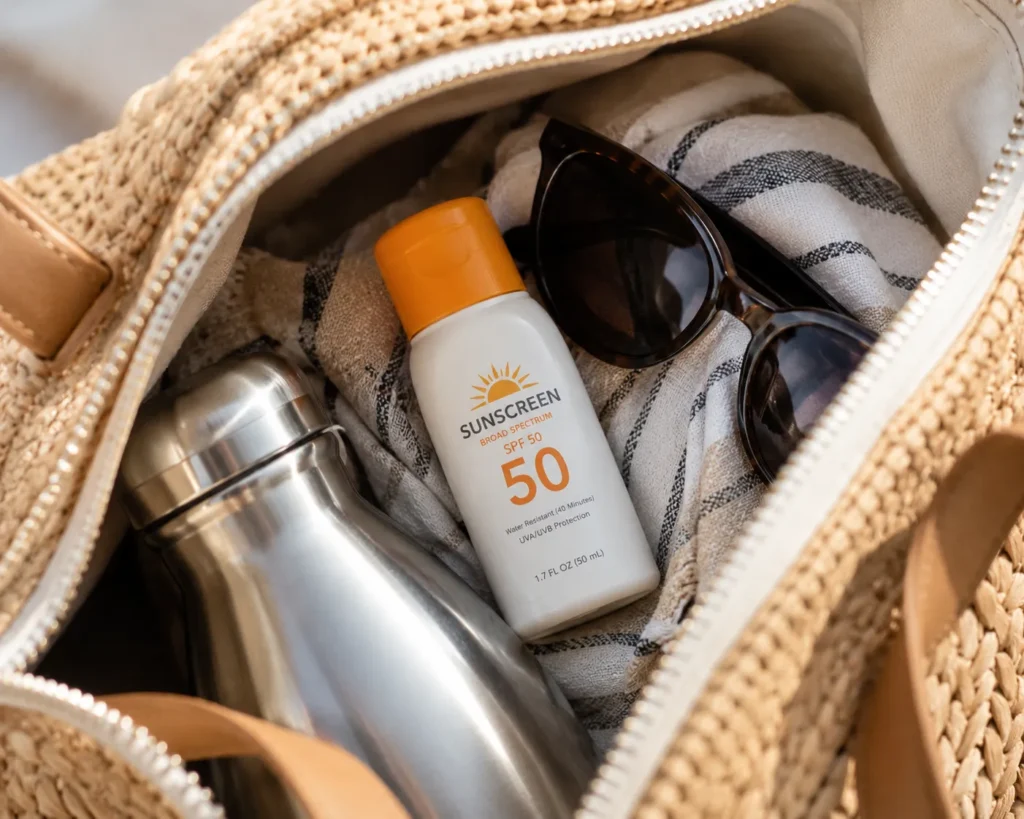
Keep a full sized bottle in your hotel room or rental for morning application and evening restocking. Pack a smaller travel size, or a solid stick, in your day bag for reapplication while you are out. This keeps your bag lighter and means you always have backup at home base.
This tip works especially well for trips that include a day trip away from your main hotel, like a boat tour or a hike to a nearby cove, where space in your bag is limited.
10. Check the Expiration Date Before You Leave
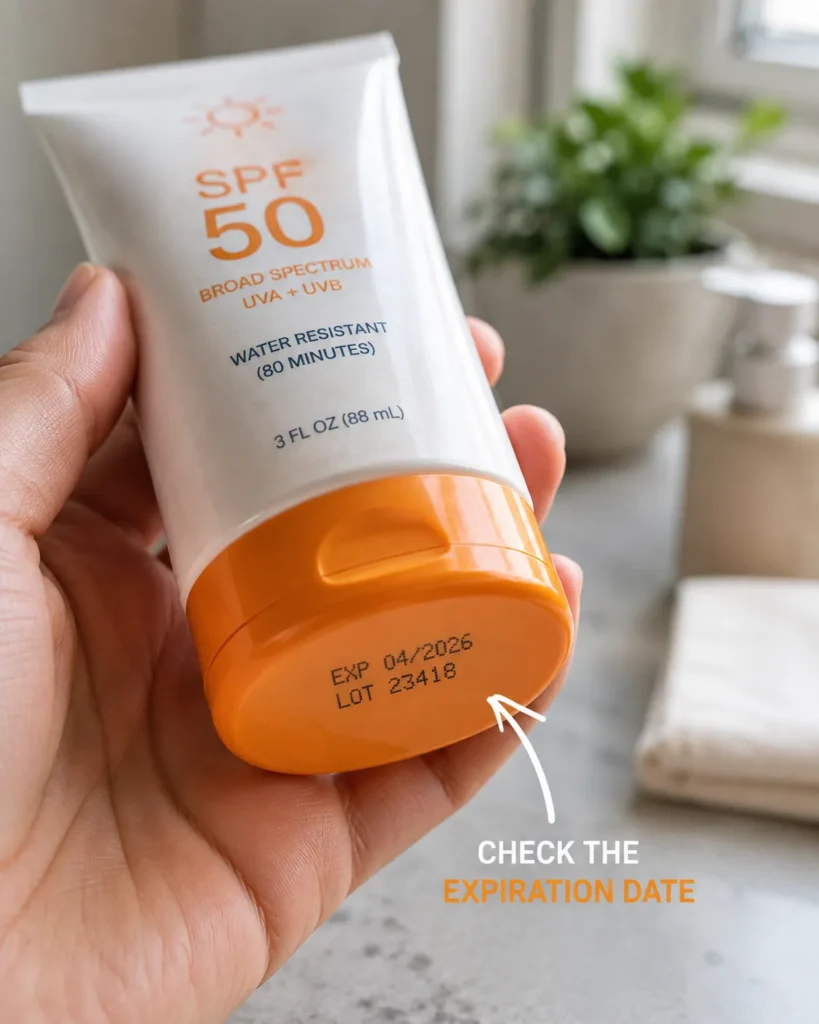
Sunscreen does expire, and using an old bottle from last summer can mean you are applying something that no longer offers full protection. Most sunscreens list an expiration date on the bottle, and if there is none, a general rule is to replace it after about a year, especially if it has been stored somewhere warm.
The mistake people make most often is digging out last year’s leftover bottle from a drawer without checking the date. Heat speeds up the breakdown of active ingredients, so a bottle that sat in a hot car or a sunny windowsill may not perform as well even before its listed expiration.
Before you pack for this trip, do a quick check of every sunscreen bottle in your house and toss anything expired or anything that smells different than it should.
11. Have an After Sun Plan in Case You Miss a Spot
Even with a solid routine, mishaps happen. Maybe you missed a spot, spent longer in the water than planned, or the wind blew sand over a sticky area you never reapplied. Having a simple after sun plan means you are not scrambling if your skin does turn pink.
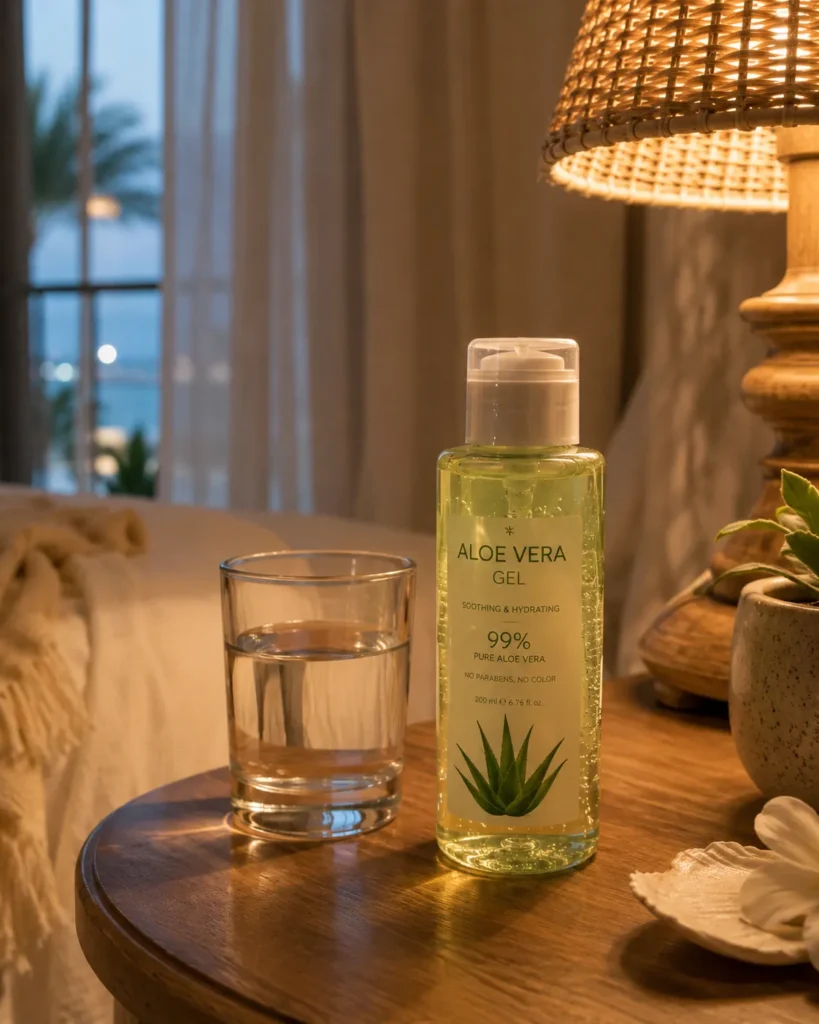
Pack an aloe based gel or a fragrance free after sun lotion for your trip. Applying it the moment you notice any redness, along with staying hydrated, can help calm irritated skin before it gets worse overnight.
This is especially worth doing on the first day of vacation, since your skin has not had any sun exposure recently and tends to react faster and more visibly than it will later in the trip.
[INTERNAL LINK OPPORTUNITY: after sun mistakes that can harm your skin]
Final Thoughts
A great beach vacation should be about the water, the sunsets, and the break from your usual routine, not about nursing a sunburn on day two. A few small habits, applying early, reapplying on time, and covering the spots you usually forget, make all the difference between a trip you enjoy fully and one you spend uncomfortable and peeling. Save this list before your next trip so you have it ready when you are packing. Try even two or three of these tips on your next beach day and you will likely notice the difference by the time you get back to your room.
Image Alt Text Suggestions
- Beach tote bag packed with SPF 50 sunscreen, sunglasses, and a straw sun hat
- Woman applying sunscreen to her shoulders in a hotel bathroom before a beach day
- Close up of stick sunscreen being applied to the back of the neck and ears
- Phone screen showing a two hour sunscreen reapplication reminder next to a beach towel
- Sport sunscreen spray and gentle sunscreen lotion side by side on a striped beach towel
- Shot glass of sunscreen lotion showing the correct amount for a full body application
- SPF lip balm tube resting on an open beach bag beside a wide brim sun hat
- Colorful beach umbrella providing shade over towels and chairs at midday
- Small travel size sunscreen bottle packed inside a beach day bag
- Hand checking the expiration date on the bottom of a sunscreen bottle
- Aloe vera gel bottle on a nightstand beside a glass of water in a beach hotel room
FAQ Section
How much sunscreen should I bring on a beach vacation? For a week long trip, plan on at least one full sized bottle per person, since a proper application uses more product than most people expect. Longer trips or larger groups should pack two or three bottles to avoid running out midway through.
Is SPF 30 enough for a beach vacation? SPF 30 works for most people if it is broad spectrum and reapplied every two hours. If you have fair skin, a history of sunburn, or plan to spend most of the day directly in the sun, SPF 50 gives you a bit more margin.
Do I need waterproof sunscreen for swimming? No sunscreen is truly waterproof, but water resistant formulas hold up for 40 to 80 minutes in water. Reapply right after swimming or heavy sweating, even if the label says water resistant.
Can I use last year’s sunscreen on this trip? Check the expiration date first. If there is no date listed, replace sunscreen after about a year, especially if it was stored somewhere warm, since heat can break down the active ingredients faster.
What sunscreen spots do people forget most often? The tops of the feet, the ears, the back of the neck, the lips, and the part line in the hair are the most commonly missed spots. Keep a stick sunscreen handy for quick touch ups in these areas.
What should I do if I get sunburned on vacation? Apply a fragrance free aloe based gel to the area right away and stay hydrated. Avoid further sun exposure on the burned area until it heals, and switch to loose, covering clothing if you need to be outside.


