

10 Benzoyl Peroxide Tips for Clearer, Healthier Skin
You bought the tube, squeezed on a thick layer, and woke up with skin that felt tight, red, and flaky. So it went back in the drawer. If that sounds familiar, you are not alone, and the product probably was not the problem. Benzoyl peroxide is one of the most trusted over-the-counter acne ingredients around, but it rewards a gentle, steady hand. Here are 10 simple tips to help you use it with confidence and get calmer, clearer-looking skin.
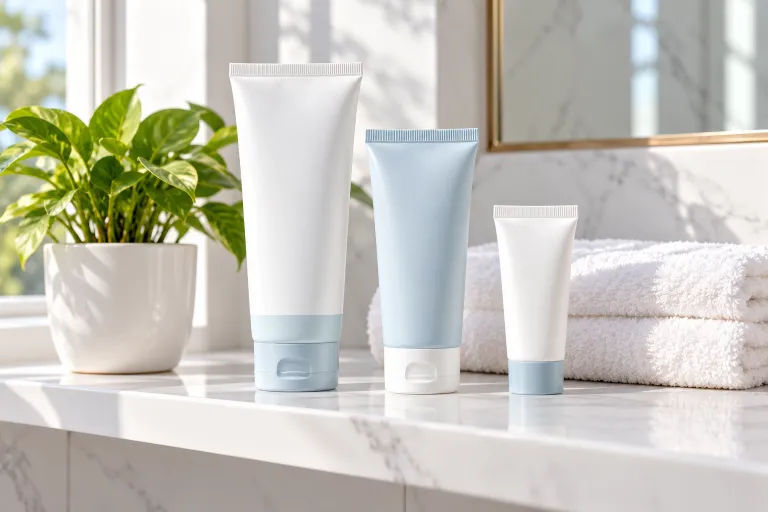
1. Start With a Lower Benzoyl Peroxide Strength
Think of strength like volume on a speaker. You do not need to start at the loudest setting.
Over-the-counter benzoyl peroxide usually comes in strengths from about 2.5% to 10%. Many people assume the highest number works fastest, but a lower strength often works well with far less irritation. Higher strengths tend to bring more dryness and peeling without always giving better results.
For a first tube, reach for a 2.5% or 5% gel or cream. If you have sensitive skin, choose 2.5%. You can always move up later if your skin handles it well.
Common mistake: Buying 10% because it sounds more powerful.
The fix: Start low, and only go higher if your skin stays comfortable for several weeks.
2. Build Tolerance Slowly
Skin needs time to get used to this ingredient, just like a new pair of shoes needs breaking in.
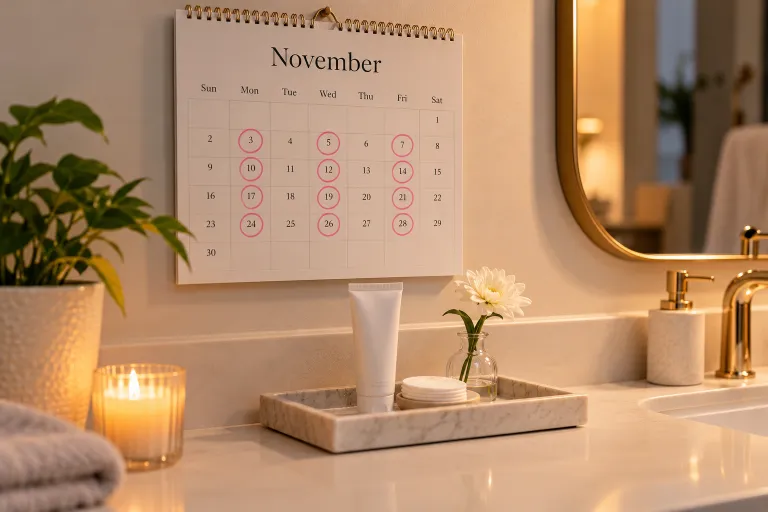
Begin by applying it every second or third night for the first week or two. If your skin feels comfortable, move to nightly use. If you see stinging, redness, or peeling, step back a day or two and let your skin settle.
A simple example: a thin layer on Monday, Wednesday, and Friday evenings for two weeks, then every night if your skin is happy. Slow progress feels boring, but it is what keeps you using the product long enough to see results.
Bookmark this schedule for the next time you try a new active ingredient. The same patience applies to many of them.
3. Use a Pea-Sized Amount for the Whole Face
More product does not mean faster clearing. It simply means more dryness.
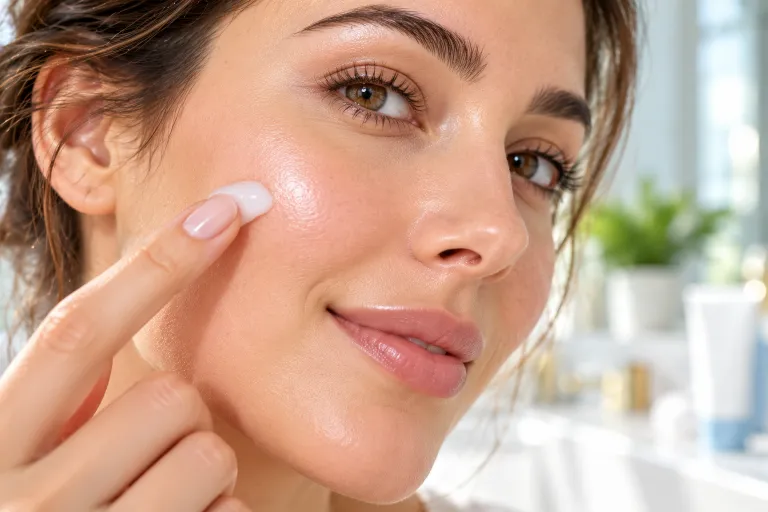
Squeeze out an amount about the size of a pea. Dot it on your forehead, cheeks, nose, and chin, then smooth it into a thin, even veil. You should barely see it once it is blended.
If you only get a few breakouts, you can also use it as a spot treatment. Dab a tiny amount directly on the blemish and leave the rest of your skin alone. This works nicely for hormonal flare-ups along the chin and jawline, where breakouts tend to show up in the same places each month.
Why it works: benzoyl peroxide reduces acne-causing bacteria on the surface of the skin, so a thin, even layer covers the area without overwhelming it.
4. Always Moisturize Around Your Benzoyl Peroxide Routine
Dry skin is not clear skin. When the skin barrier gets stripped, it can look dull, feel tight, and break out even more.
Pick a gentle, fragrance-free moisturizer and apply it after your benzoyl peroxide has dried. If your skin feels especially dry, you can put moisturizer on first as a light buffer, then apply the treatment on top. Some people call this the sandwich method.
Look for soothing ingredients like ceramides, glycerin, and hyaluronic acid. Skip heavy, pore-clogging creams if you are acne-prone, and choose a lightweight lotion or gel-cream instead.
Picture skin that feels soft and bouncy instead of tight and papery by lunchtime. That is the goal of a good moisturizer partner.
5. Apply It to Clean, Fully Dry Skin
Damp skin absorbs products faster, and that can mean more stinging than you bargained for.
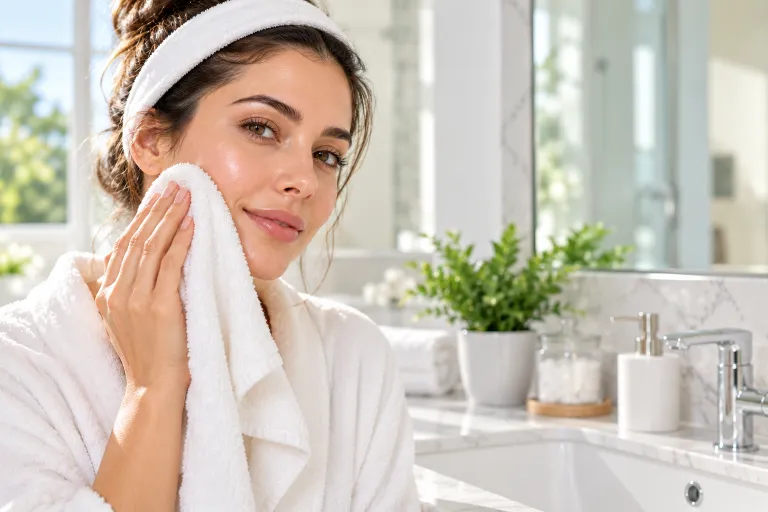
Wash your face with a gentle cleanser, pat it dry with a clean towel, and wait about 10 to 15 minutes before applying benzoyl peroxide. This short pause lets your skin calm down and keeps the treatment from sinking in too aggressively.
Avoid harsh scrubs or rough washcloths on the same day. If you scrub first and then apply an acne treatment, the combination can leave skin raw. A mild, creamy or gel cleanser is plenty.
Common mistake: Washing, then applying benzoyl peroxide to dripping-wet skin.
The fix: Pat dry and give your skin a few minutes to settle first.
6. Protect Your Towels, Pillowcases, and Hair
Benzoyl peroxide bleaches fabric, and it does not warn you first. Many people discover this the hard way with a rust-colored spot on a favorite navy towel.
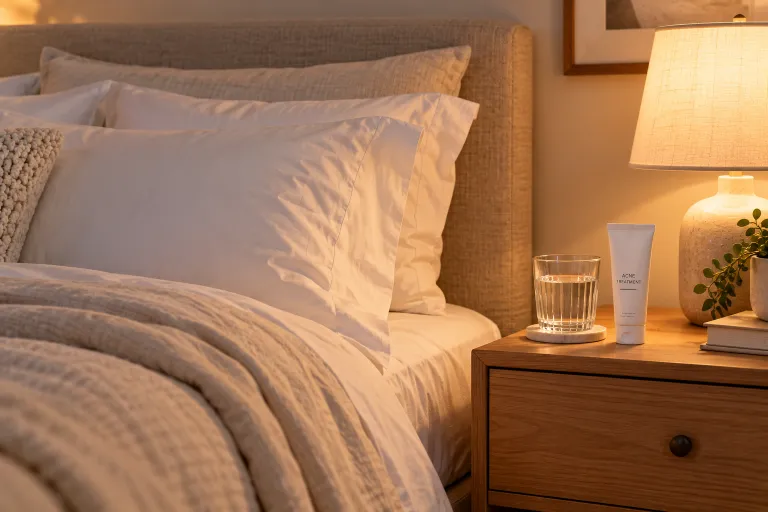
Use white towels and white pillowcases for your treatment nights. Let the product dry fully before you lie down or touch your hair. Keep it away from your hairline, eyebrows, and the collar of your shirt, since it can lighten dyed hair as well.
A small, inexpensive set of white washcloths and pillowcases saves you from replacing your good linens. Keep them in one spot so you grab the right ones every night.
Save this one for your next skin care shopping trip. A few white cotton pillowcases are one of the cheapest upgrades for acne-prone skin.
7. Wear Sunscreen Every Single Morning
Benzoyl peroxide can leave your skin feeling more sensitive to the sun, and sun exposure can make acne marks look darker and last longer.
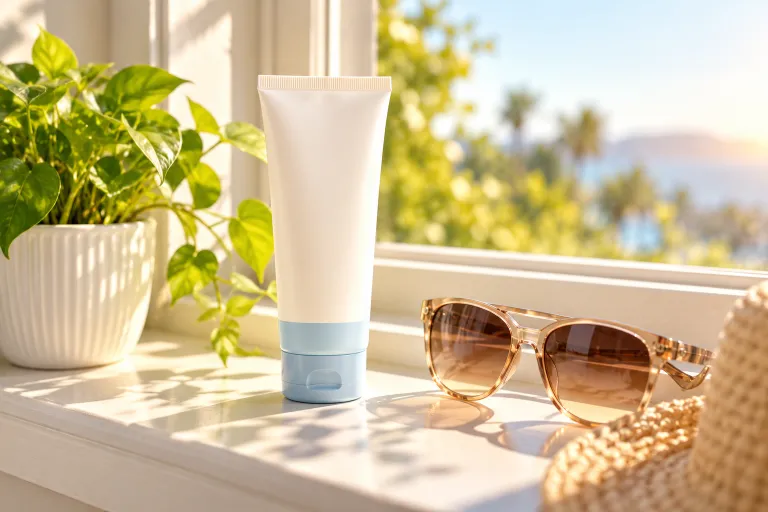
Finish your morning routine with a broad-spectrum sunscreen, SPF 30 or higher. A lightweight, non-greasy formula marked “non-comedogenic” is a good fit for breakout-prone skin. Gel and fluid textures tend to feel comfortable under makeup.
Even on cloudy days and while working near a window, daily sunscreen helps protect healing skin. Think of it as the finishing step that protects all the progress you are making.
8. Be Careful When Pairing Benzoyl Peroxide With Other Actives
Too many strong ingredients at once is one of the quickest ways to irritate your skin.
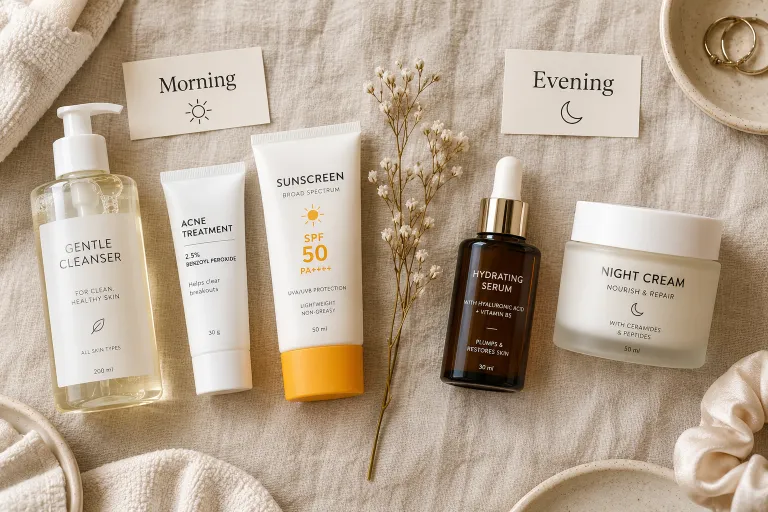
Ingredients like retinoids, salicylic acid, glycolic acid, and vitamin C can all be helpful, but layering several of them with benzoyl peroxide on the same night can be too much. A simple way to stay safe is to separate them. Use benzoyl peroxide in the morning and a retinoid at night, or alternate nights.
If you are already using a prescription product, check with your dermatologist or pharmacist before adding benzoyl peroxide. Some routines are designed to work together, and some need adjusting.
Why it works: giving your skin a break between strong actives lets the barrier recover, so each ingredient can do its job without stacking up irritation.
9. Give It Time Before Judging the Results
Most people quit just before it starts to work. That is a real pity.
Skin cells take weeks to turn over, so acne treatments usually need around 4 to 8 weeks of steady use before you can fairly judge them. In the first couple of weeks, you may see some dryness or even a few new spots as your skin adjusts.
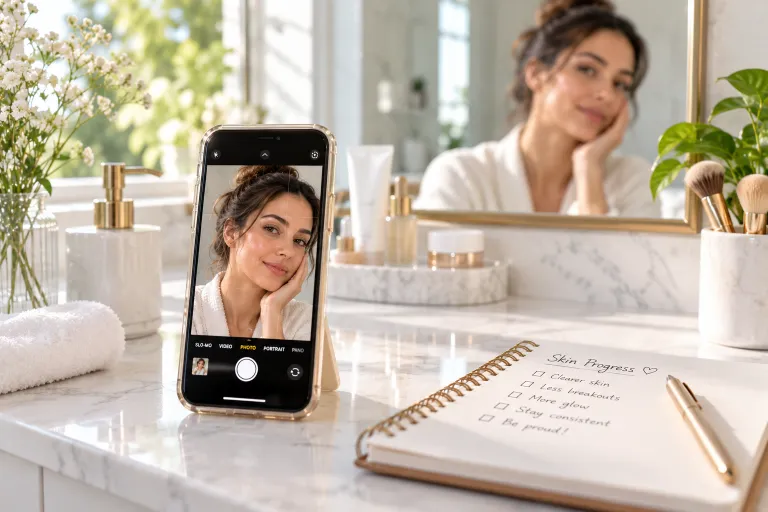
Take a clear, well-lit photo of your face once a week in the same spot. Looking at photos side by side is much more honest than checking the mirror every day, and it keeps you motivated when progress feels slow.
If your skin is getting worse, very painful, or you see swelling or blistering, stop using it and speak with a healthcare professional.
10. Know When to Pause or Ask a Professional
Mild tingling and a little dryness can be normal at first. Burning, swelling, or a rash is not.
Do a patch test before starting: apply a small amount to your inner forearm or behind your ear for a couple of days to make sure your skin tolerates it. If you develop hives, severe redness, swelling, or trouble breathing, stop using it right away and get medical help. Allergic reactions are rare, but they do happen.
Also talk with a doctor or dermatologist if you are pregnant or breastfeeding, if you have eczema or very sensitive skin, or if your acne is deep, painful, or leaving scars. Some types of acne need prescription care, and getting help earlier can save you months of frustration.

Final Thoughts
Remember that tight, red, flaky feeling that made you give up on your skin? It does not have to be the price of clearer skin. With a gentle strength, a pea-sized amount, a good moisturizer, and a little patience, benzoyl peroxide can fit into your routine without turning your face into a battleground. Skin care is a slow friendship, not a quick fix. Pick one tip from this list to try this week, and save this article so it is ready when you need it.
6. Image Alt Text Suggestions
- Three benzoyl peroxide acne treatment tubes in different strengths lined up on a white bathroom shelf
- Small wall calendar with three evenings circled beside a bathroom counter for a skin care schedule
- Fingertip holding a pea-sized amount of benzoyl peroxide gel above a clean face
- Lightweight moisturizer pump bottle with a folded white towel on a marble tray
- Woman gently patting her face dry with a soft white towel before applying acne treatment
- Neatly made bed with white pillowcases and an acne treatment tube on the nightstand
- Bottle of lightweight facial sunscreen on a sunny windowsill with sunglasses
- Flat lay of morning and evening skin care products separated on a neutral linen cloth
- Phone on a bathroom counter taking a weekly skin progress photo beside a notebook
- Woman reviewing acne treatment options with a dermatologist in a bright clinic
7. FAQ Section
How long does benzoyl peroxide take to work?
Most people need about 4 to 8 weeks of steady use to see a clear difference. Your skin may feel drier in the first couple of weeks, so be patient and keep moisturizing.
Should I use benzoyl peroxide in the morning or at night?
Either works, so choose the time you will stick with. Many people prefer night because it is easier to protect clothes, but if you use it in the morning, always follow with sunscreen.
Can I use benzoyl peroxide every day?
Many people can, once their skin has adjusted. Start every second or third night, then increase slowly if your skin feels comfortable.
Does benzoyl peroxide bleach hair and clothes?
Yes, it can lighten fabric, towels, pillowcases, and dyed hair. Use white linens, let the product dry fully, and wash your hands after applying.
Can benzoyl peroxide help with blackheads and whiteheads?
It is mainly known for helping with red, inflamed pimples. For blackheads and whiteheads, many people pair it with other ingredients like salicylic acid, but add them slowly to avoid irritation.
Is benzoyl peroxide safe during pregnancy?
Always check with your doctor or pharmacist first, since advice can depend on your situation. They can suggest the right options for you.
If you would like, I can also create the feature image and numbered image prompts with alt tags for this article.


