

12 Sunscreen Advertisement Tips for Better Results
If you have ever poured time into a sunscreen advertisement only to watch it get scrolled past without a single click, you know how discouraging that feels. You know your product works. You know people need it. But somehow the message just is not landing, and you are left wondering what everyone else is doing that you are not. This article breaks down 12 real, usable sunscreen advertisement tips that help your message actually connect with the people who need to hear it.
1. Lead With the Problem, Not the Product
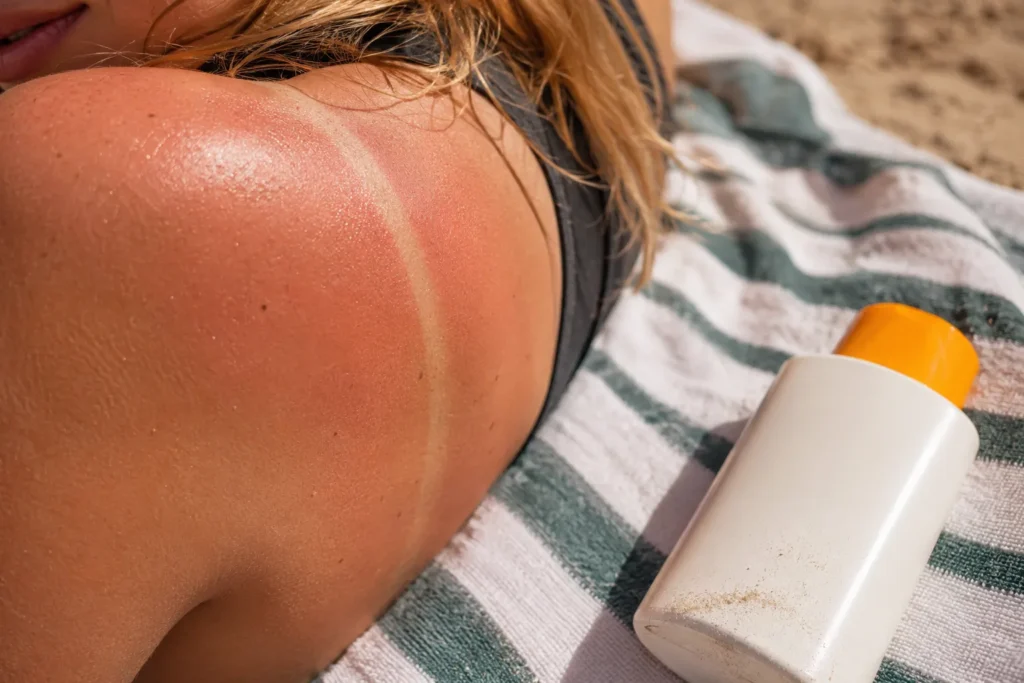
Most sunscreen ads open with the bottle. Flip that. Open with the sunburn, the early wrinkles, the dark spot that will not fade. People do not scroll past a problem they recognize in themselves.
A common mistake is naming the product in the very first line, before the reader has any reason to care. Fix this by starting with a relatable moment instead, like forgetting sunscreen before a beach day and paying for it a week later. For a summer campaign, this might look like a headline such as “That red shoulder could have been avoided.” It works because it makes the reader feel seen before you ever ask them to buy anything.
2. Show Real Skin, Not Just Product Shots
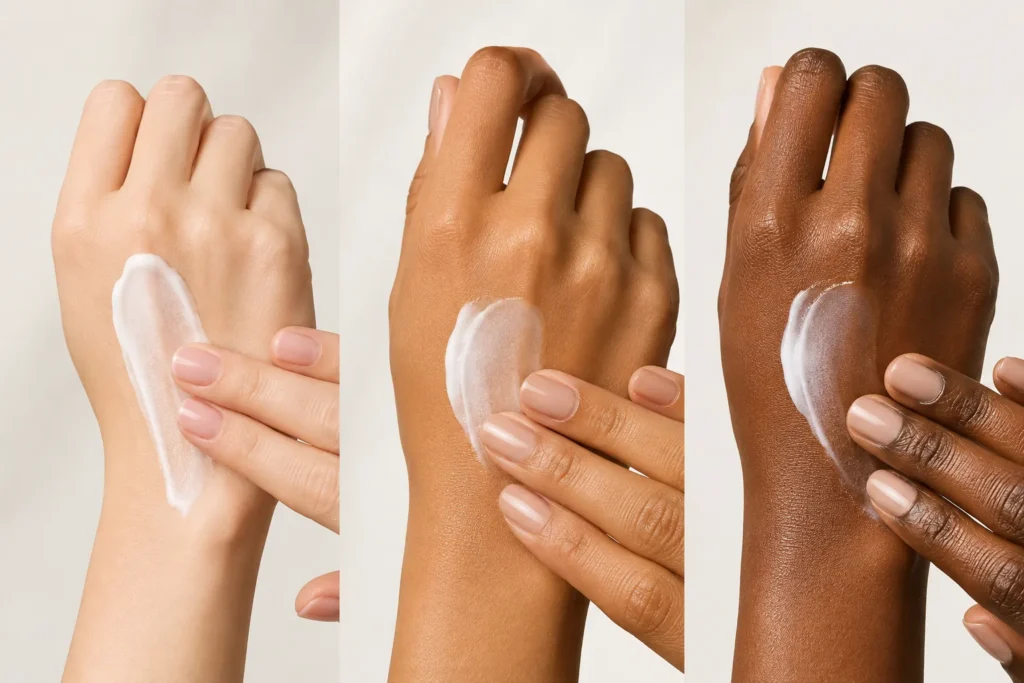
A bottle sitting pretty on a marble counter tells people nothing about how the product actually feels or performs. Show it on real skin, in real light, being applied by real hands.
This matters because sunscreen buyers are skeptical of white cast, greasy finish, and stinging eyes. If your ad shows the product blending into different skin tones without a chalky residue, you answer their biggest hesitation before they even ask it. For a mineral sunscreen line, a short video of the product rubbing in fully on three different skin tones can outperform a static product photo every time. This kind of visual proof builds more trust than any claim in the caption.
3. Use Specific Numbers Instead of Vague Claims
“Great protection” means nothing to a shopper comparing five sunscreens at once. Specific details do the convincing for you.
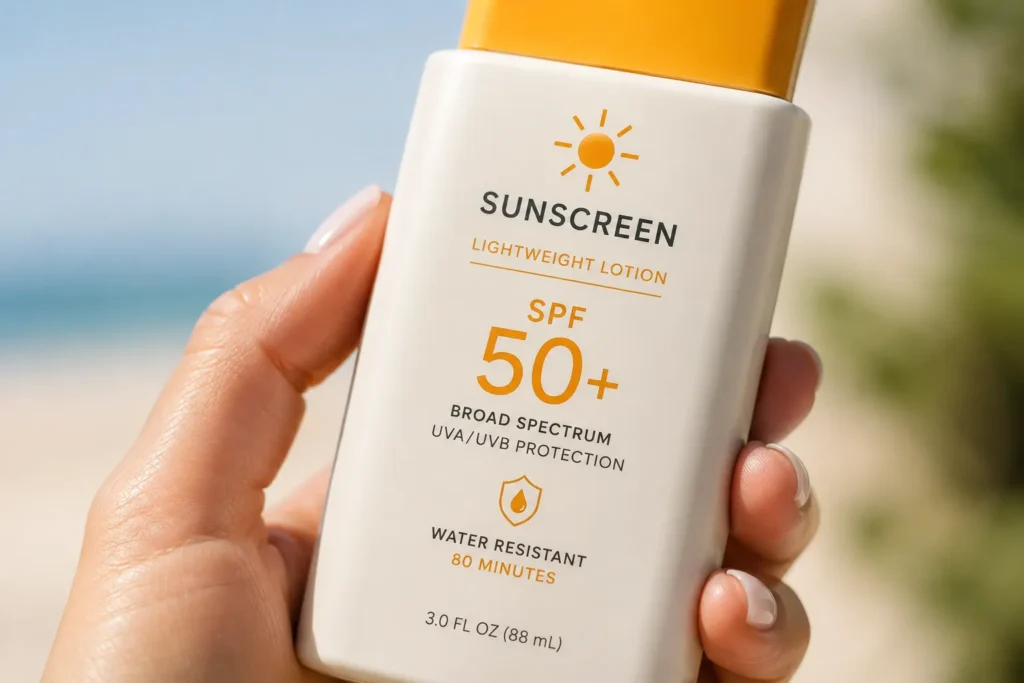
Mention the SPF number, whether it is broad spectrum, and how long it is water resistant, right in the ad copy. A line like “SPF 50, water resistant for 80 minutes, reef safe” gives a shopper everything they need to compare without leaving the page. This is one of those save worthy details people screenshot before a trip, because it saves them a trip to read the fine print on five different bottles at the store.
4. Address the White Cast Fear Directly
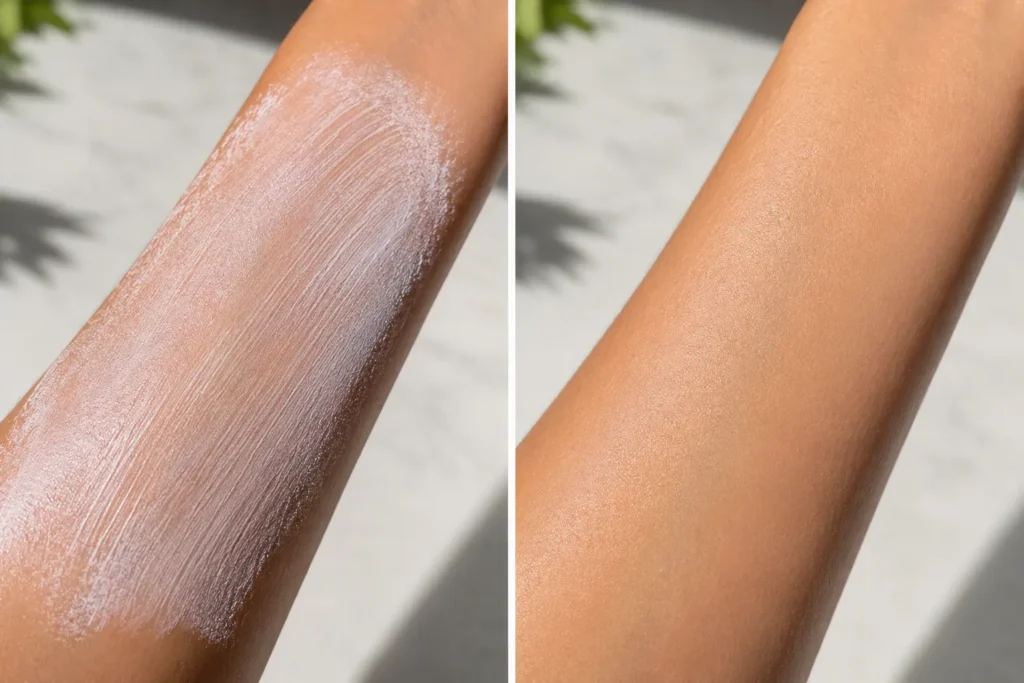
If your product has come a long way from the chalky sunscreens of the past, say so directly instead of hoping people notice.
Many shoppers still associate sunscreen with a ghostly finish because of past experience with older formulas. A common mistake is ignoring this fear and hoping the product photo speaks for itself. The fix is to name the worry out loud in your copy, something like “No white cast, we promise” paired with a photo taken in natural daylight where the skin still looks like skin. This works especially well for advertisement aimed at deeper skin tones, where white cast has been a long standing frustration.
5. Tie the Ad to a Specific Moment in the Reader’s Day
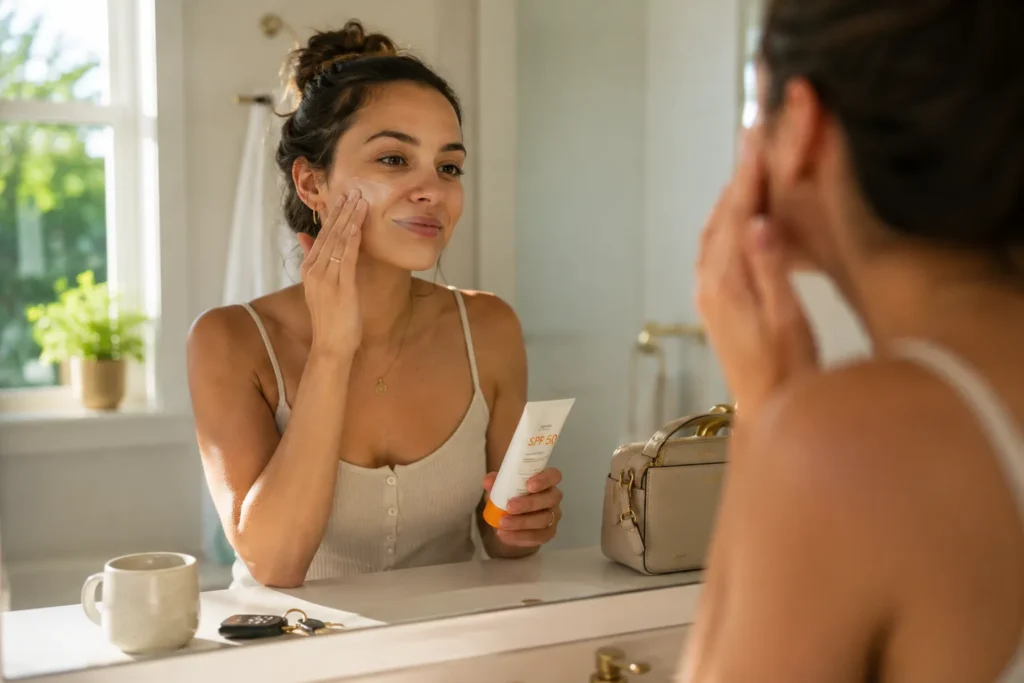
A sunscreen ad that mentions “every day” is easy to ignore. A sunscreen ad that mentions “right before you grab your coffee and head to the car” is not.
Picture your reader’s actual morning. Are they applying makeup over it, driving to work, dropping kids at school, or heading straight to the beach. Speak to that one moment instead of trying to cover every possible use case in one ad. For a lightweight daily SPF, an ad that says “the five seconds before you grab your keys” feels specific and easy to picture, which makes the product feel like it fits into a life the reader already recognizes as their own.

6. Let Customer Words Do the Selling
Nothing convinces a skeptical shopper faster than another shopper’s honest words. If you have reviews, use them, especially the ones that mention a specific worry being solved.
A review that says “finally one that does not sting my eyes when I sweat” carries more weight than any brand claim, because it comes from someone with nothing to gain. Pull two or three short, specific quotes and feature them directly in the ad, either as text overlay on an image or as the caption itself. This use case framing works especially well for sunscreens marketed to people with sensitive skin, where trust is the biggest barrier to a first purchase.
7. Design for the Scroll, Not the Billboard
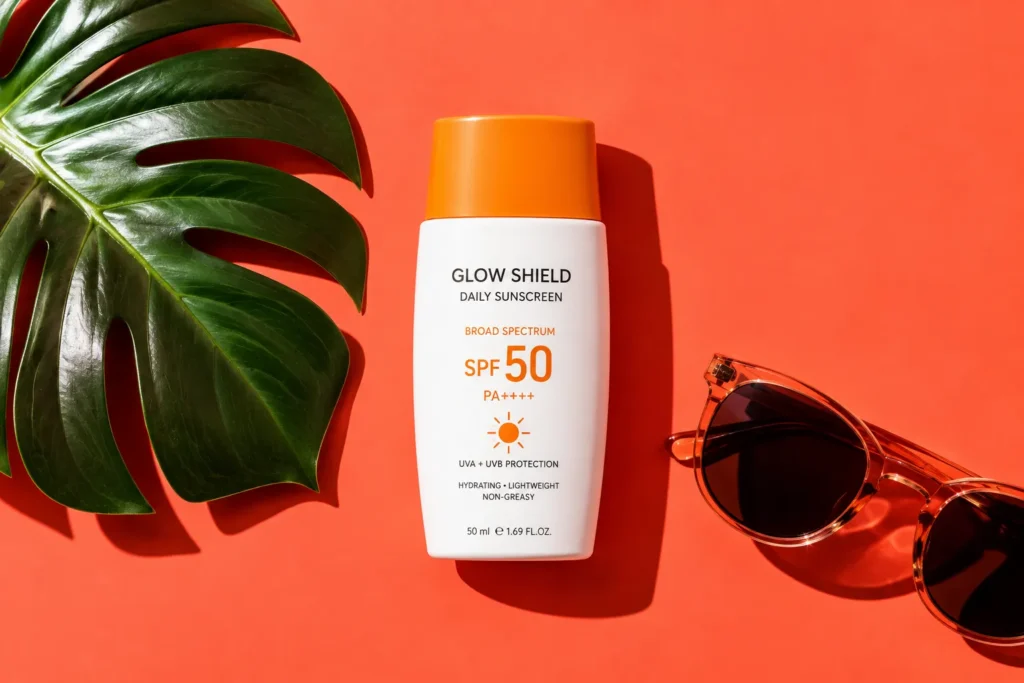
A sunscreen ad on Pinterest or Instagram has less than two seconds to earn a second look. Bold, high contrast visuals win over soft, muted ones in this environment, even if the softer version looks more elegant on a laptop screen.
A common mistake is designing an ad the way you would design packaging, with a lot of white space and subtle color. On a phone screen scrolling fast, that ad disappears into the feed. Instead, use a strong color block, a close crop, or a bright outdoor setting that catches the eye immediately. This is especially true for summer campaigns, where competing ads for pool floats and iced coffee are also fighting for the same scroll.
8. Explain the Why Behind the Ingredients
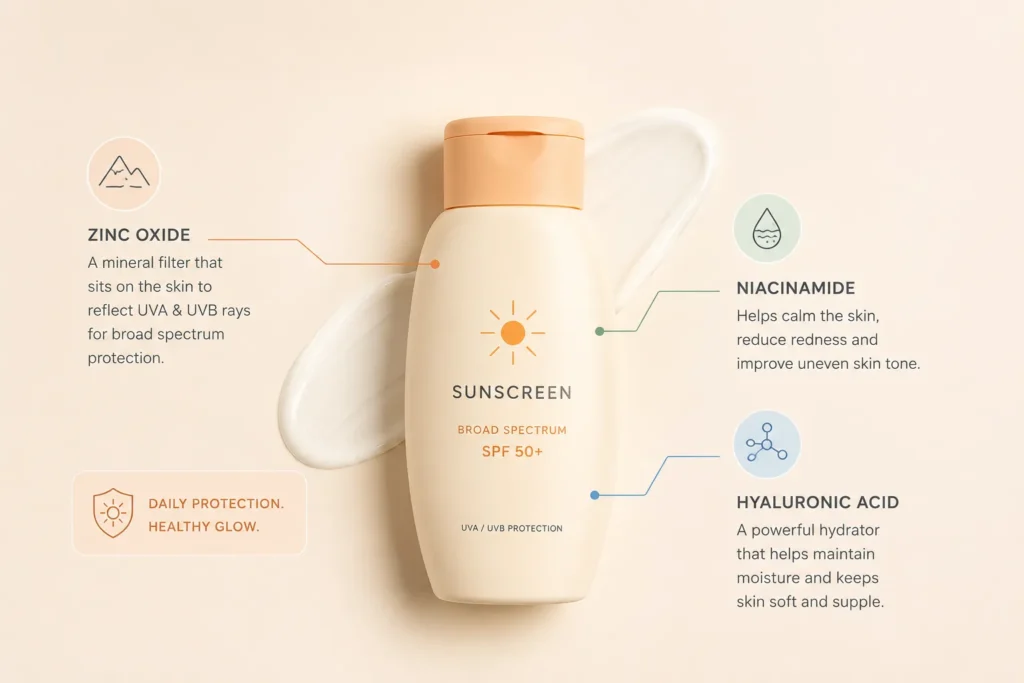
Shoppers today read ingredient lists, even on ads. If your sunscreen has zinc oxide, niacinamide, or a specific antioxidant, explain in one simple sentence why it matters instead of just naming it.
This builds real trust because it shows you understand the product, not just the marketing angle. A line like “zinc oxide sits on top of skin to reflect UV rays, which is why it works right away” gives the reader a small piece of real knowledge they did not have before. That kind of detail makes an ad feel less like a sales pitch and more like advice from someone who actually knows the product well.
9. Match the Ad to the Season, Not Just the Product
Sunscreen advertisement often gets treated as a summer only category, which means brands go quiet the rest of the year and lose out on year round buyers who need SPF daily.
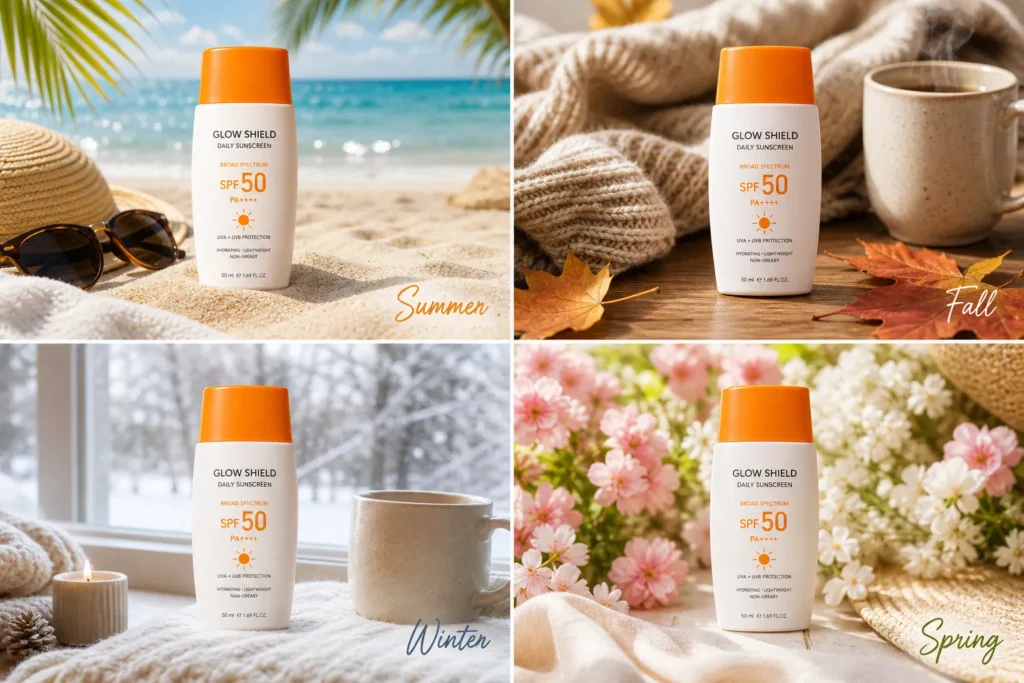
A mistake many brands make is pausing sunscreen ads once summer ends, assuming interest drops with the temperature. The fix is shifting the angle instead of stopping entirely. In fall, focus on daily protection under makeup. In winter, focus on snow glare and windburn. In spring, focus on prepping skin before the first warm days arrive. This keeps the product relevant across all four seasons instead of fighting for attention only during the three hottest months.
10. Keep the Copy at a Conversation Level
Long, technical paragraphs lose readers fast, especially in an ad they were not planning to stop for. Write the way you would explain the product to a friend at a coffee shop, not the way a dermatology journal would describe it.
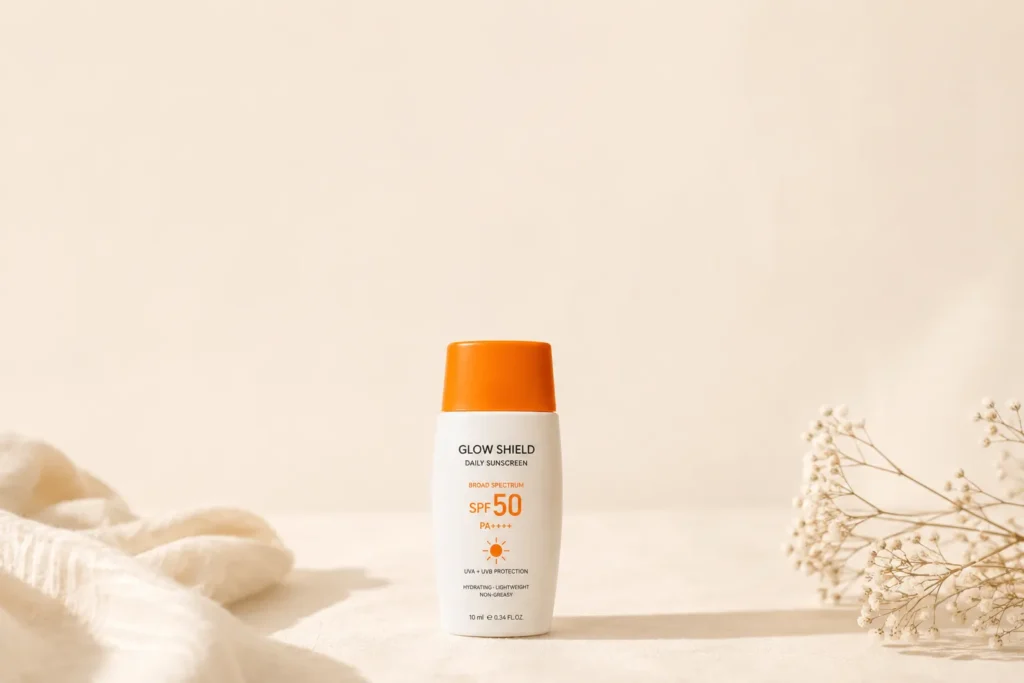
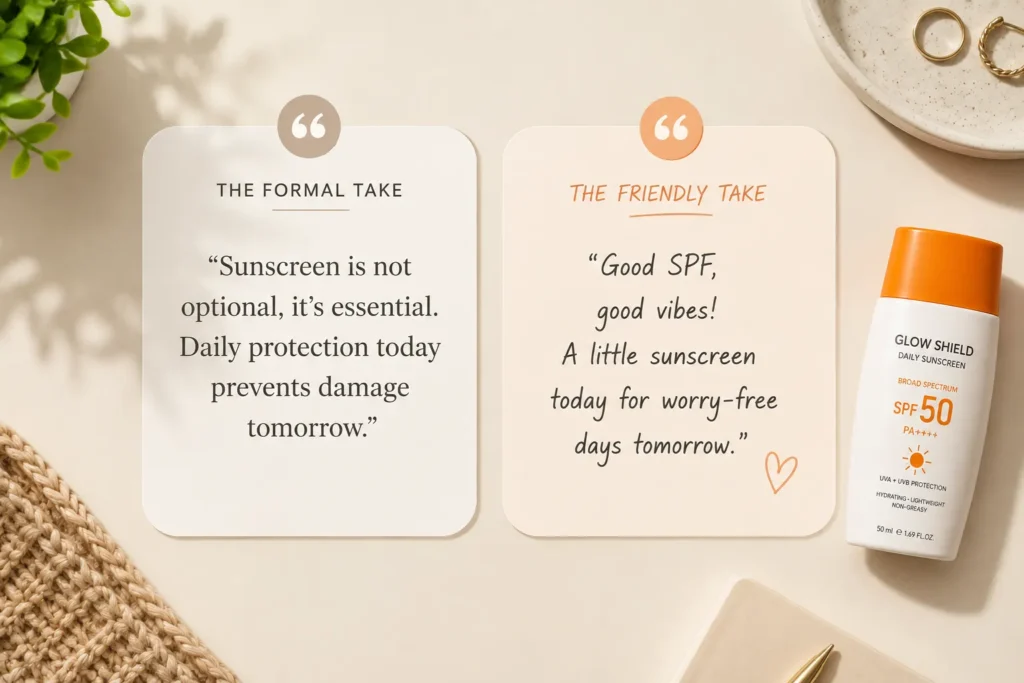
Short sentences work better here than long ones. Cut any word that does not add real information. A line like “This one actually feels light” beats “This lightweight formulation absorbs quickly without leaving residue” every time, because it sounds like a person talking instead of a brand performing. This small shift in tone often makes the biggest difference in how trustworthy an ad feels.
11. Test Two Emotional Angles Before Committing
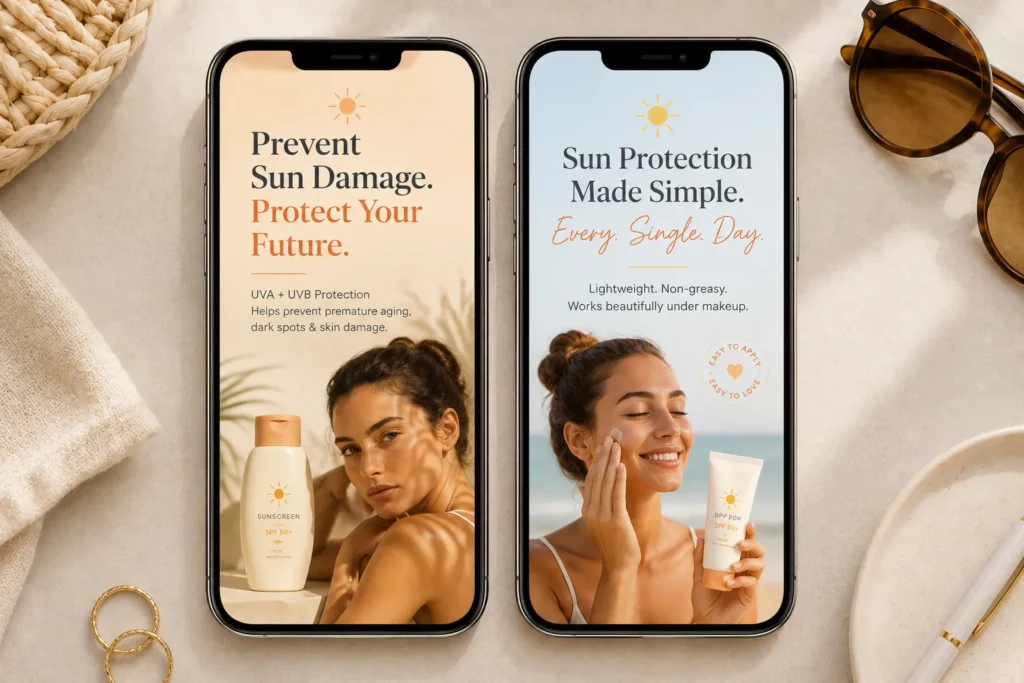
Some shoppers respond to fear of damage, like sun spots and premature aging. Others respond better to the feeling of ease, like one less step to worry about in a busy morning. You will not know which one works better for your audience until you test both.
Run one version of the ad focused on prevention and long term skin health, and a second version focused on simplicity and how easy the product is to use. Compare which one earns more saves, clicks, or purchases before scaling up your ad spend. This small test can save a lot of wasted budget on an angle that never quite lands with your specific audience.
12. End With a Clear, Low Pressure Next Step
A confusing or pushy call to action loses people right at the finish line, after all the work the rest of the ad already did to earn their attention.
Keep the ask simple and specific. Instead of “buy now,” try something lower pressure like “try the sample size first” or “see why people switched.” This works especially well for sunscreen, where shoppers are often burned, no pun intended, by past products that did not work for their skin. A lower pressure next step respects that hesitation instead of pushing past it, and it often leads to a longer term customer instead of a one time sale.
Final Thoughts
Every one of these tips comes back to the same idea. People do not want to feel sold to, they want to feel understood. If your sunscreen advertisement speaks to a real worry, shows real proof, and asks for a small next step instead of a big commitment, it will earn more trust than any bold claim ever could. Pick one or two of these ideas and try them on your next campaign this week. You might be surprised how much of a difference a small, honest shift can make.
Image Alt Text Suggestions
- Sunburned shoulders next to a bottle of sunscreen on a beach towel
- Sunscreen being applied on light, medium, and deep skin tones without white cast
- Comparison of chalky white sunscreen texture versus a clear blending sunscreen
- Woman applying daily sunscreen at a bathroom counter before work
- Customer review quote about sunscreen not stinging eyes during sweat
- Bold flat lay of sunscreen bottle against a bright coral background
- Infographic showing sunscreen ingredients like zinc oxide and niacinamide
- Four seasonal scenes showing sunscreen use in summer, fall, winter, and spring
- Two ad mockups comparing a prevention angle and a simplicity angle
- Simple ad closing frame with a call to action and sample size sunscreen bottle
FAQ Section
What makes a sunscreen advertisement actually effective? An effective sunscreen ad speaks to a specific worry, like white cast or sunburn, and shows real proof instead of vague claims. Specific details like SPF number and water resistance time also help shoppers trust the product faster.
Why do some sunscreen ads get ignored on Pinterest and Instagram? Ads with soft colors and a lot of white space often blend into the feed and get scrolled past. Bold, high contrast visuals tend to catch attention faster in a fast scrolling environment.
Should sunscreen be advertised year round or just in summer? Sunscreen should be advertised year round, since daily UV exposure does not stop when summer ends. Shifting the angle by season, like windburn in winter or prep in spring, keeps the product relevant all year.
How important are customer reviews in sunscreen ads? Customer reviews are very important because they answer specific worries, like stinging or white cast, in a way that feels more trustworthy than brand claims. A short, specific quote often converts better than a long product description.
What is the biggest mistake brands make in sunscreen advertisement? The biggest mistake is leading with the product instead of the problem it solves. Ads that open with a relatable frustration, like a sunburn from a forgotten reapplication, tend to hold attention longer.
How can a small skincare brand compete with big sunscreen brands in advertising? Small brands can compete by being more specific and honest, since they often cannot match big ad budgets. Clear ingredient explanations, real skin photos, and genuine customer quotes help build the kind of trust that budget alone cannot buy.


