

10 Broad Spectrum Sunscreen Mistakes to Avoid
You buy the bottle that says broad spectrum. You rub some on before you walk out the door. And yet somehow you still come home with a sunburn or new dark spots creeping in around your cheeks. If that sounds familiar, you are not doing anything wrong on purpose. Most people make at least a few of these mistakes without ever knowing it. This article walks you through the ten most common broad spectrum sunscreen mistakes so you can fix them starting today.
1. Not Using Enough Product
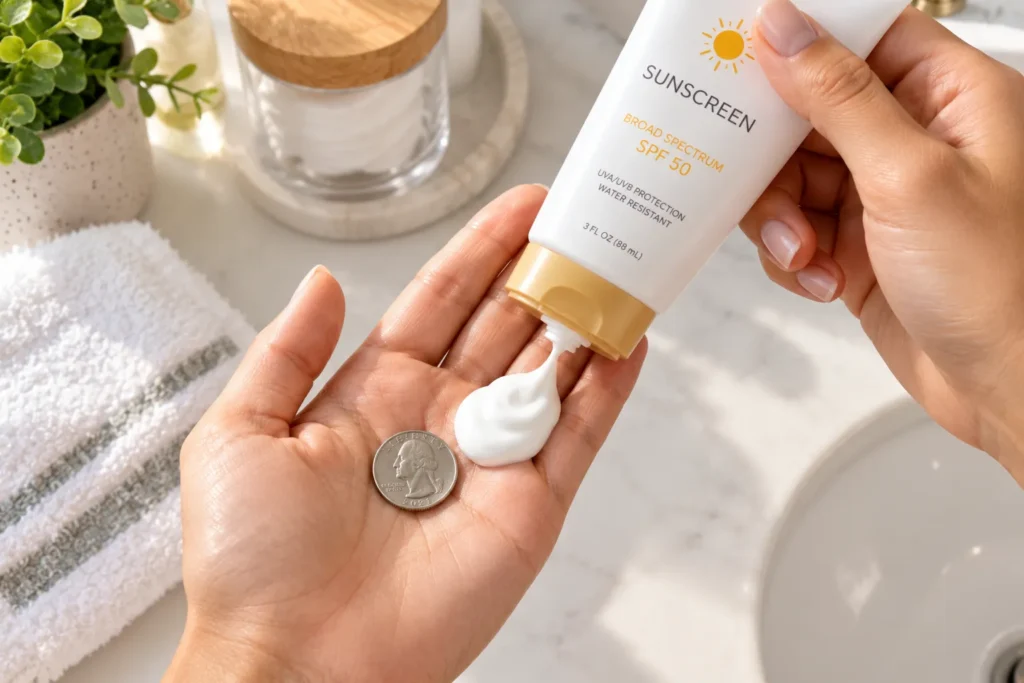
A dime sized amount is not going to cut it for your whole face, and a shot glass amount is what your body actually needs. Most people apply about half of what they should, which means half of the SPF protection printed on the bottle. If your sunscreen says SPF 30, but you only use half the recommended amount, you are really getting closer to SPF 15 worth of coverage.
Try measuring it out once with a real teaspoon so you know what a full face and neck amount looks like. Once you see it, you will notice how much thinner your usual layer has been. This matters most for fair skin or anyone who burns easily, since a thin layer barely holds up during a long day outside.
2. Skipping Reapplication Every Two Hours
Broad spectrum sunscreen breaks down the moment it hits sunlight, sweat, and air. Even the most expensive formula on the market only holds strong for about two hours before its protection starts to fade. A lot of people apply once in the morning and assume that covers the whole day, which is one of the biggest gaps in sun protection.
If you are outside for a walk, a picnic, or just running errands, set a phone reminder for reapplication. Rental swimmers and beach lovers should reapply right after towel drying too, since even water resistant formulas rub off. Think of sunscreen like a phone battery. It drains steadily no matter how good the brand is, and it needs a recharge to keep working.

3. Forgetting Easy to Miss Spots
Ears, the back of the neck, the part line on your scalp, the tops of feet, and even your lips get skipped constantly. These spots see plenty of sun but rarely get a second thought during your morning routine. Sun damage on the ears and neck is one of the most common places dermatologists spot early skin changes, simply because people forget them for years.
A good trick is to apply sunscreen in the same order every single time, starting from your hairline and working down. That way your brain builds a habit instead of relying on memory in the rush of a morning. For your lips, keep a lip balm with SPF nearby since regular sunscreen is too thick to use there comfortably.

4. Applying Sunscreen Only on Sunny Days
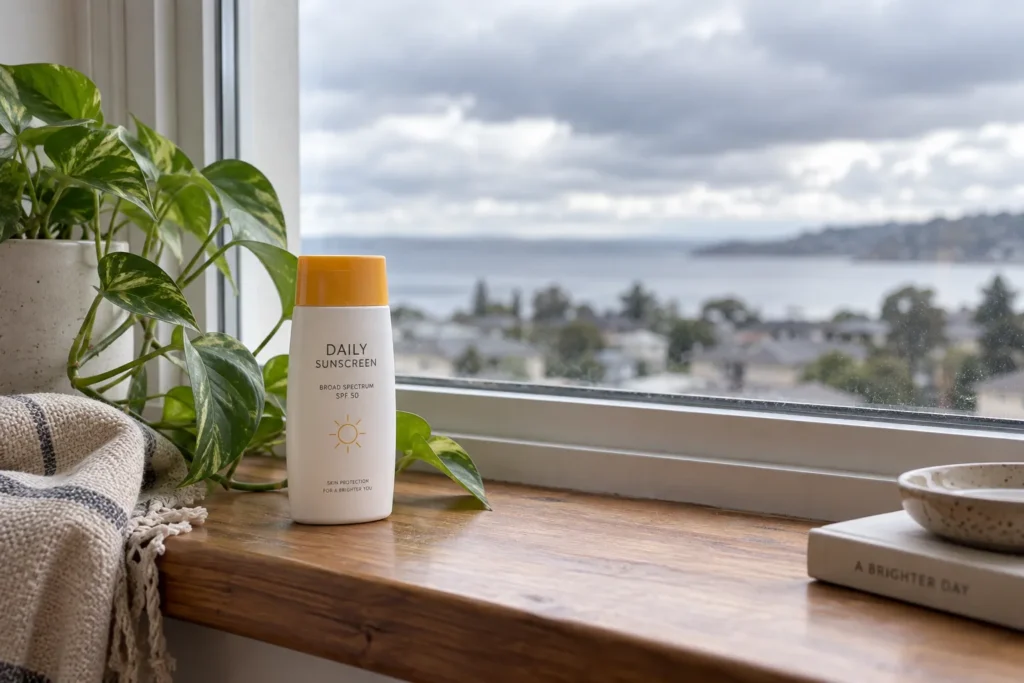
Clouds block visible light, but they do not block UV rays the way most people assume. Up to 80 percent of UV radiation still reaches your skin on an overcast day, which is exactly why so many people get sunburned during a cloudy beach trip without realizing what happened. Skin damage from sun exposure builds up slowly over the years, and cloudy days quietly add to that total.
Make broad spectrum sunscreen part of your daily routine no matter what the sky looks like outside, the same way you would brush your teeth without checking the weather first. This one habit shift does more for long term skin health than almost anything else on this list. Keep a bottle by your front door so it becomes an automatic step before you leave the house.
5. Choosing the Wrong SPF for Your Situation
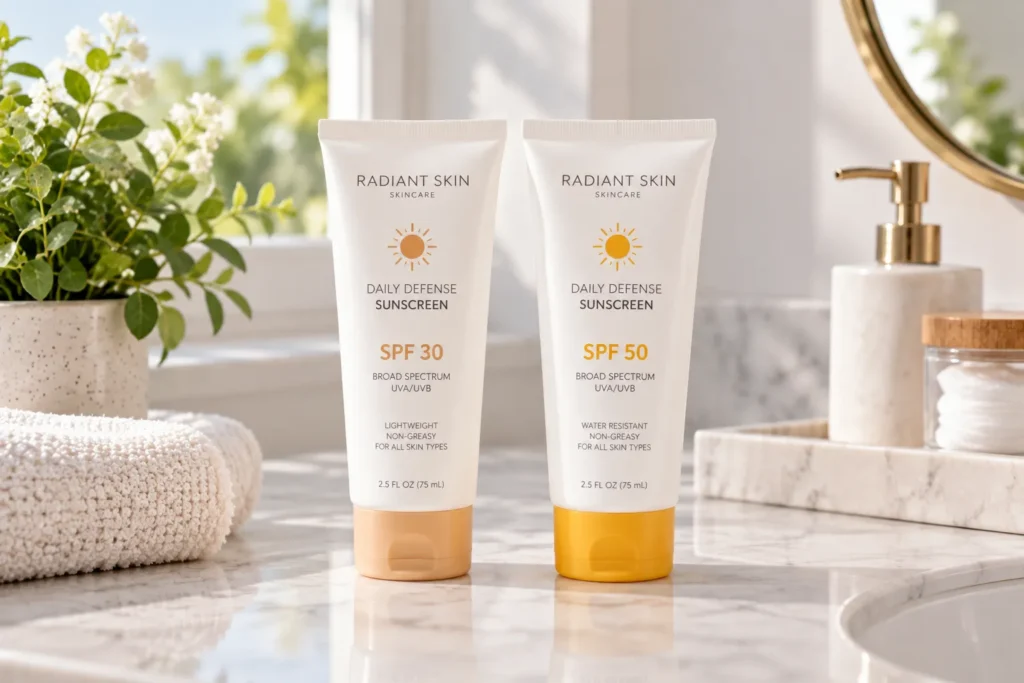
SPF 15 might be fine for a quick errand, but it will not hold up for a full day of hiking, a beach vacation, or hours spent gardening outside. A lot of people grab whatever bottle is on sale without matching the SPF number to how much time they will actually spend in direct sun that day.
For daily indoor and outdoor mixed days, SPF 30 is a solid baseline. For extended outdoor time, especially near water or snow where light reflects and doubles your exposure, reach for SPF 50 and reapply more often than usual. Keep two bottles on hand, a lighter daily one and a stronger one for active outdoor days, so you always grab the right fit.
/
6. Using Expired or Old Sunscreen
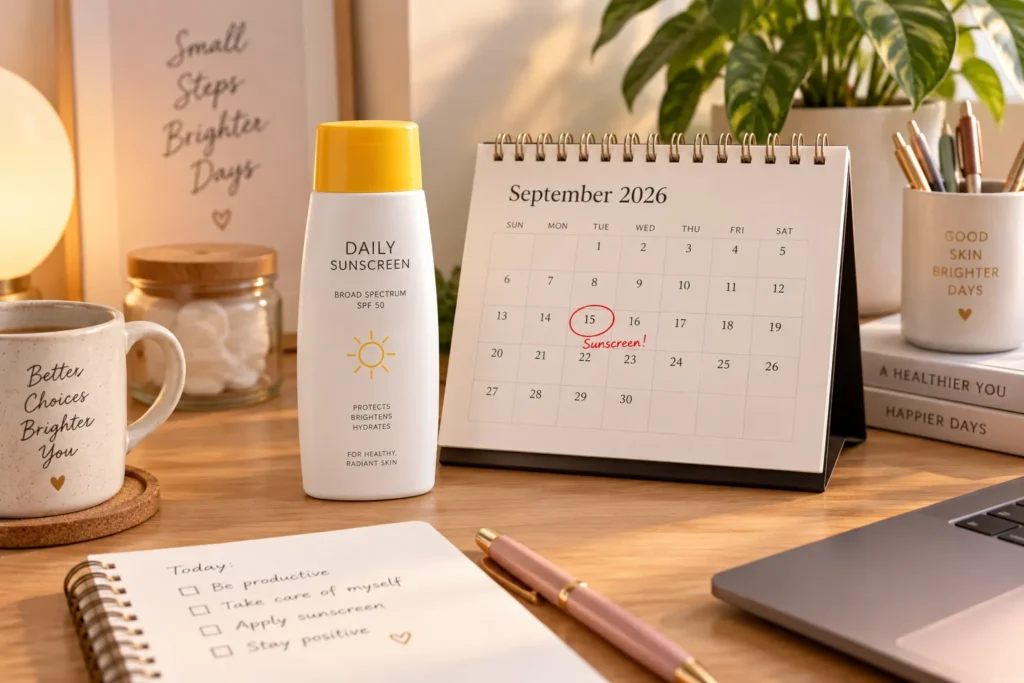
Sunscreen does not last forever, even if the bottle still looks full. Most formulas are good for about three years unopened, but heat and sunlight speed up that breakdown a lot faster than people expect. If your bottle spent last summer baking in a hot car or on a windowsill, the active ingredients may already be far weaker than the label promises.
Check the expiration date printed on the bottle or cap before you use anything from last season. If the texture has separated, changed color, or smells different than usual, toss it even if the date has not technically passed yet. A sunscreen that has broken down will still feel like it is doing something, which is exactly what makes this mistake so easy to miss.
7. Applying Sunscreen After You Are Already Outside
Broad spectrum sunscreen needs time to properly bind to your skin before it becomes fully effective, usually around fifteen to twenty minutes. A lot of people apply it in the car on the way to the beach or right as they step outside, which leaves a window where skin is exposed with barely any real protection.
Build the habit of applying sunscreen before you get dressed, not after. This gives it time to settle in while you finish getting ready, and it also means you will not miss spots your clothes end up covering anyway. For kids heading to a pool day, apply it at home before you even load the car.
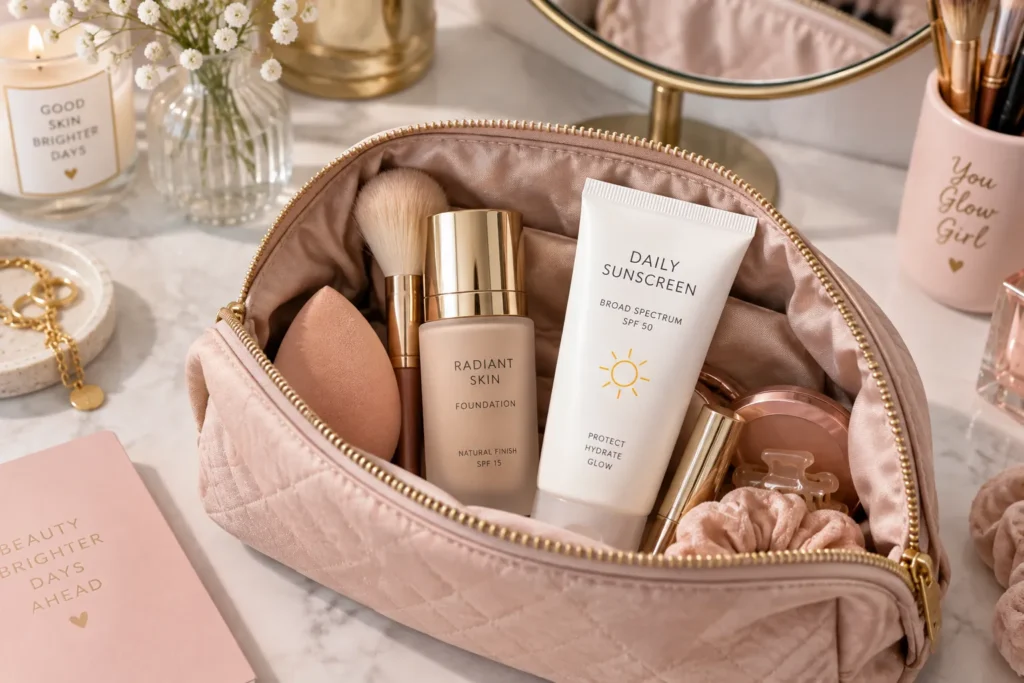
8. Relying on Makeup With SPF Alone
Foundation or powder with SPF 15 built in sounds convenient, but most people apply far too thin a layer of makeup to get anywhere close to that protection level. Getting real SPF 15 coverage from makeup alone would mean applying about fourteen times the normal amount, which nobody actually does.
Think of SPF makeup as a small bonus layer, not your main defense. Apply a proper broad spectrum sunscreen underneath as your real protection, then add makeup with SPF on top for a small extra boost. This combination gives you actual coverage instead of a false sense of security from the makeup alone.
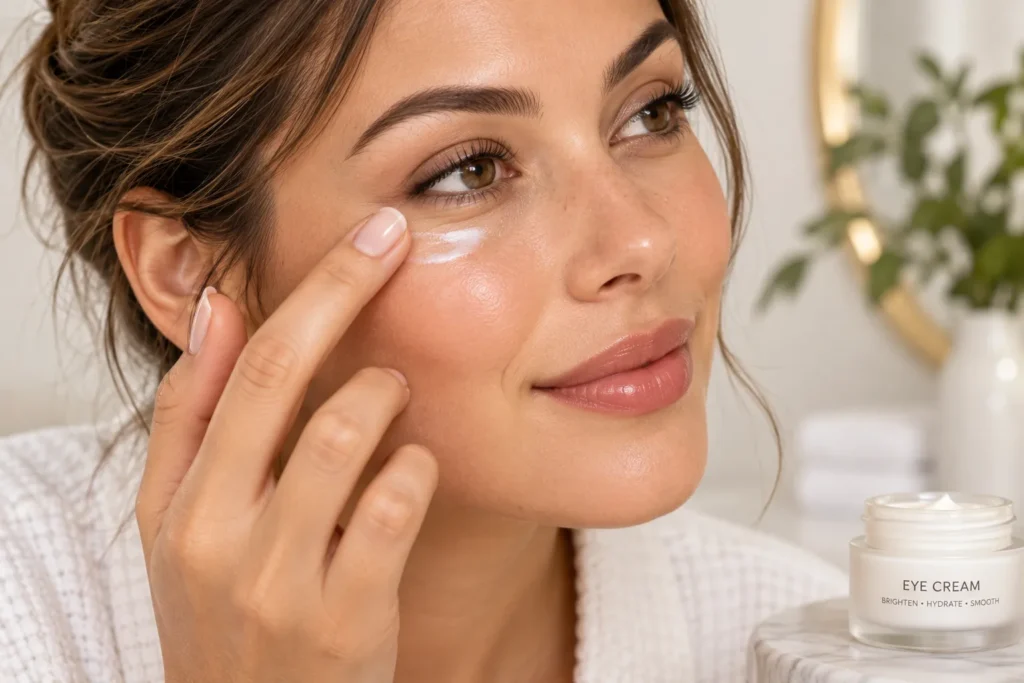
9. Ignoring Your Eye Area
The skin around the eyes is some of the thinnest on the whole body, and it is also one of the first places sun damage shows up as fine lines. A lot of people skip this area completely out of fear that sunscreen will sting or run into their eyes, which is a fair concern with some formulas.
Look for a mineral based sunscreen or a specific eye cream with SPF built in, since these tend to be gentler and less likely to irritate. Sunglasses with real UV protection help fill in the gap too, especially for the delicate skin right at the outer corners. Do not let fear of stinging talk you out of protecting one of the most visible aging areas on your whole face.
10. Assuming One Application Covers a Whole Day of Sweating or Swimming
Water resistant does not mean waterproof, and no sunscreen on the market can survive hours of swimming, sweating, or towel drying without needing a fresh layer. Even sunscreens labeled water resistant for eighty minutes are only rated for that specific window, not the whole afternoon at the pool.
Reapply immediately after swimming or any heavy sweating, even if it has not been a full two hours yet. Pat skin dry gently instead of rubbing hard with a towel, since aggressive rubbing removes even more of the product than water alone. Keep your sunscreen bottle poolside instead of packed away in a bag so reapplying feels easy instead of like a hassle.
Final Thoughts
Sunburns and sun damage rarely come from one big mistake. They usually come from small gaps like these adding up over months and years without anyone noticing. The good news is that every single mistake on this list has an easy fix, and most of them take less than a minute to correct. Pick one habit from this list to start with today, whether that is measuring out a full amount or setting a reapplication reminder. Your future skin will thank you for it. Save this article so you can come back to it before your next beach trip or sunny weekend.
Image Alt Text Suggestions
- Hand applying a generous amount of broad spectrum sunscreen for proper coverage
- Woman reapplying sunscreen at the beach every two hours
- Applying sunscreen to often missed spots like the neck and ears
- Sunscreen bottle on a windowsill under a cloudy sky for daily protection
- Two sunscreen bottles showing different SPF levels for daily and outdoor use
- Sunscreen bottle next to a calendar marking its expiration date
- Morning routine with sunscreen applied before getting dressed
- Makeup bag with foundation and sunscreen used together for sun protection
- Gentle eye cream with SPF applied around the delicate eye area
- Sunscreen bottle by a pool for easy reapplication after swimming
FAQ Section
How much broad spectrum sunscreen should I actually use on my face? A nickel sized amount is a good baseline for the face alone, and about a shot glass full covers your face, neck, and exposed body parts. Most people use far less than this, which cuts their real protection significantly below the SPF listed on the bottle.
Do I need broad spectrum sunscreen on cloudy or winter days? Yes, UV rays pass through clouds and can reach your skin even in cold weather. Daily use, regardless of the forecast, protects against the gradual sun damage that builds up over years.
Is a higher SPF always better than a lower one? A higher SPF blocks slightly more UV rays, but the difference between SPF 30 and SPF 50 is smaller than most people expect. Correct application amount and frequent reapplication matter more than chasing the highest number on the shelf.
Can I skip sunscreen if my makeup already has SPF in it? No, makeup alone rarely provides enough coverage to count as real sun protection since people apply it too thin. Use a proper broad spectrum sunscreen first, then layer SPF makeup on top as a small bonus.
How often should I really reapply sunscreen during the day? Every two hours is the standard guideline, but swimming, sweating, or towel drying calls for reapplication right away instead of waiting out the full two hours. Set a reminder if you tend to lose track of time outside.
Does old or expired sunscreen still work? Expired sunscreen loses its active ingredient strength and may not protect skin the way the label suggests. Check the expiration date each season and replace any bottle that has changed in texture, smell, or color.


