

10 Best Anti Aging Foods for Glowing, Youthful Skin
You bought the serum, the night cream, and the fancy roller. Yet your skin still looks tired by 3 p.m. Sometimes the missing piece is not in your bathroom at all, it is in your kitchen. This guide walks you through ten anti aging foods that are easy to buy, simple to cook, and kind to your budget, so you can nourish your skin and body from the inside out.
How Anti Aging Foods Actually Work
Skin ages faster when it faces constant stress from sun, pollution, poor sleep, and sugar spikes. Foods rich in antioxidants, healthy fats, and vitamins give your body the raw materials to protect and repair itself. Think of your plate as the supply line for your skin barrier.
One thing most people overlook is that no single food works alone. A bowl of blueberries will not undo a week of skipped water and no sunscreen. The real glow comes from small, steady choices. Pick two or three foods below and make them a habit before trying all ten.
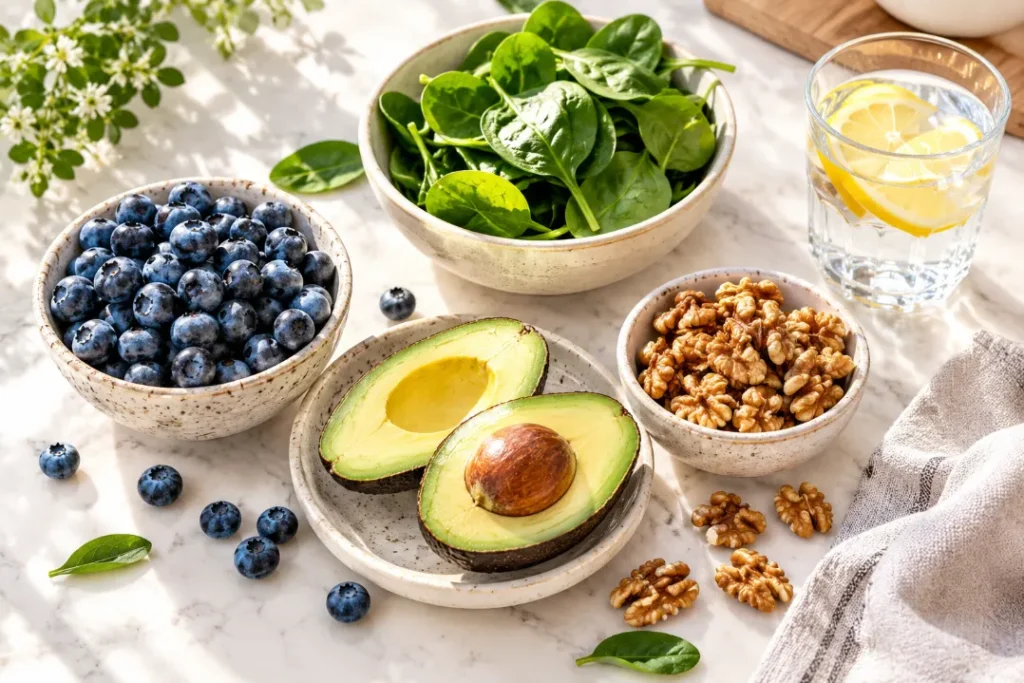
1. Blueberries: Tiny Fruits With Big Antioxidant Power
Picture a deep blue bowl of berries on your breakfast table, each one packed with plant compounds called anthocyanins. These pigments act as antioxidants, which help your body handle the daily stress that can dull skin over time.
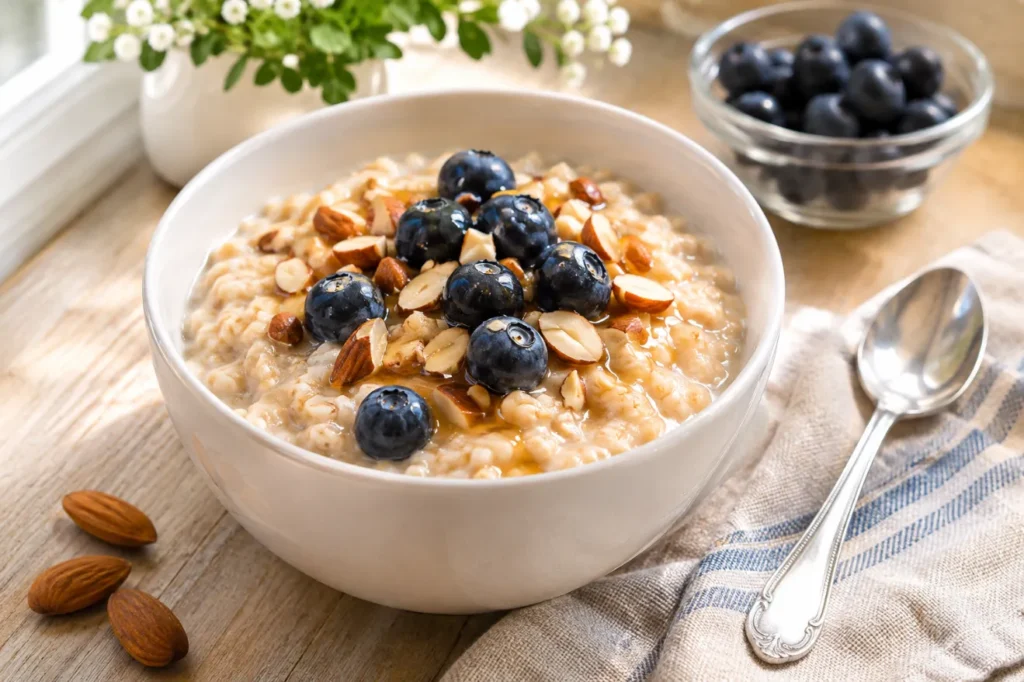
Try this: stir a handful of frozen blueberries into warm oatmeal, or blend them into a smoothie with plain yogurt. Frozen berries are picked ripe and often cost less than fresh, so they are a smart pick on a tight budget.
Common mistake: buying blueberry muffins or sweetened yogurt and calling it a day. Added sugar can work against your skin goals. Choose the plain berries instead and let their natural sweetness do the work.
2. Salmon and Other Fatty Fish for Plump, Hydrated Skin
Salmon, sardines, and mackerel are rich in omega-3 fatty acids, which help support your skin’s natural oil barrier. A strong barrier holds moisture in, and moisture is what gives skin that soft, bouncy look.
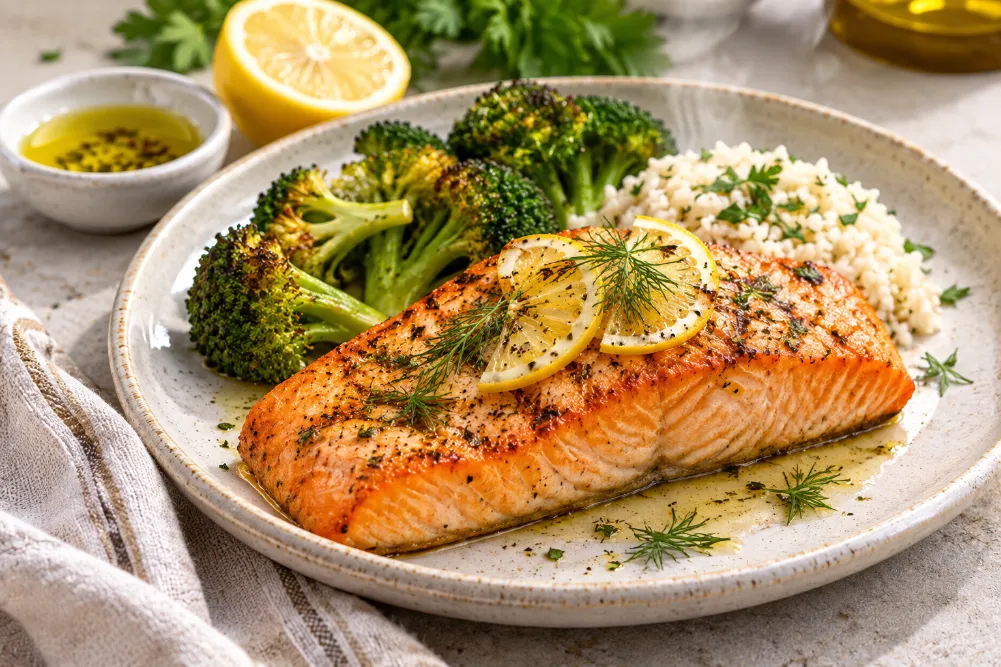
A simple weeknight plan: bake a salmon fillet at 400°F for about 12 minutes with lemon slices and a little olive oil. Serve it over rice and roasted broccoli. Canned sardines or salmon are a budget-friendly option, and they work well on toast or in salads.
Aim for fish a couple of times a week. If you do not eat fish, flaxseed and chia seeds offer a plant-based form of omega-3, though the body converts it less efficiently.
3. Avocado: Creamy Healthy Fats Your Skin Will Love
Slice an avocado open and you see that silky green flesh, full of monounsaturated fats and vitamin E. Healthy fats help your body absorb fat-soluble vitamins like A, D, E, and K, which all play a role in skin health.
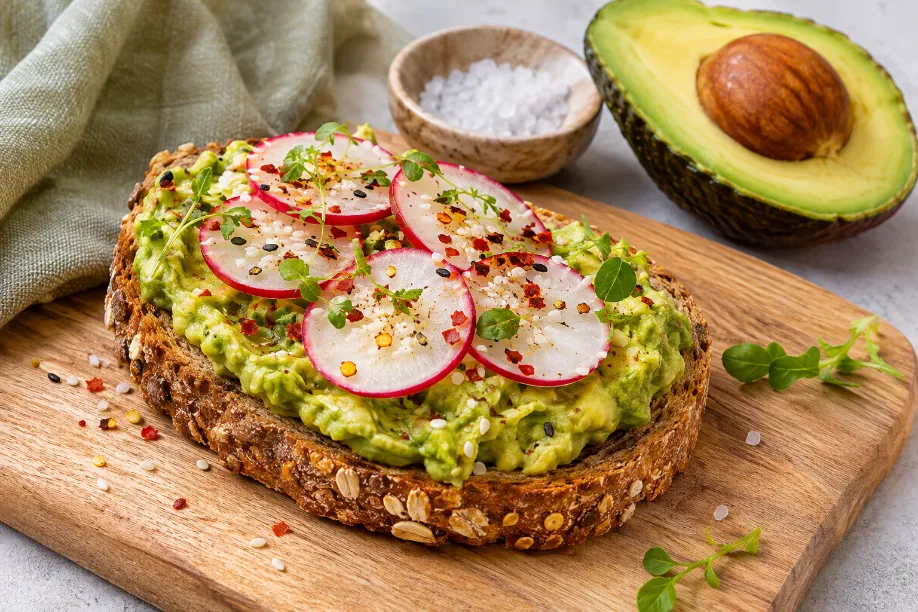
Mash half an avocado onto whole grain toast with a pinch of salt and chili flakes. Or cube it into a taco bowl for creamy contrast. Beginners often wait too long and end up with brown, mushy fruit. Buy them firm and let them ripen on the counter for two to three days, then move them to the fridge.
You can even save a spoonful for a quick DIY face mask, but eating it gives you the bigger benefit.
4. Cooked Tomatoes: The Lycopene Secret
Here is a surprise: cooked tomatoes often deliver more lycopene than raw ones. Heat breaks down the cell walls and makes this red pigment easier for your body to use. Lycopene is an antioxidant studied for its role in helping skin handle sun-related stress.
Simmer tomato sauce with garlic and olive oil, since the oil helps your body absorb lycopene. Spoon it over whole wheat pasta, or use it as a base for shakshuka on a lazy Sunday.
One caution worth repeating: tomatoes do not replace sunscreen. Think of them as a quiet backup, not your main shield.

5. Spinach and Leafy Greens for a Fresh, Even Look
Dark leafy greens are loaded with vitamin C, vitamin K, folate, and lutein. Vitamin C is needed for your body to make collagen, the protein that keeps skin feeling firm.
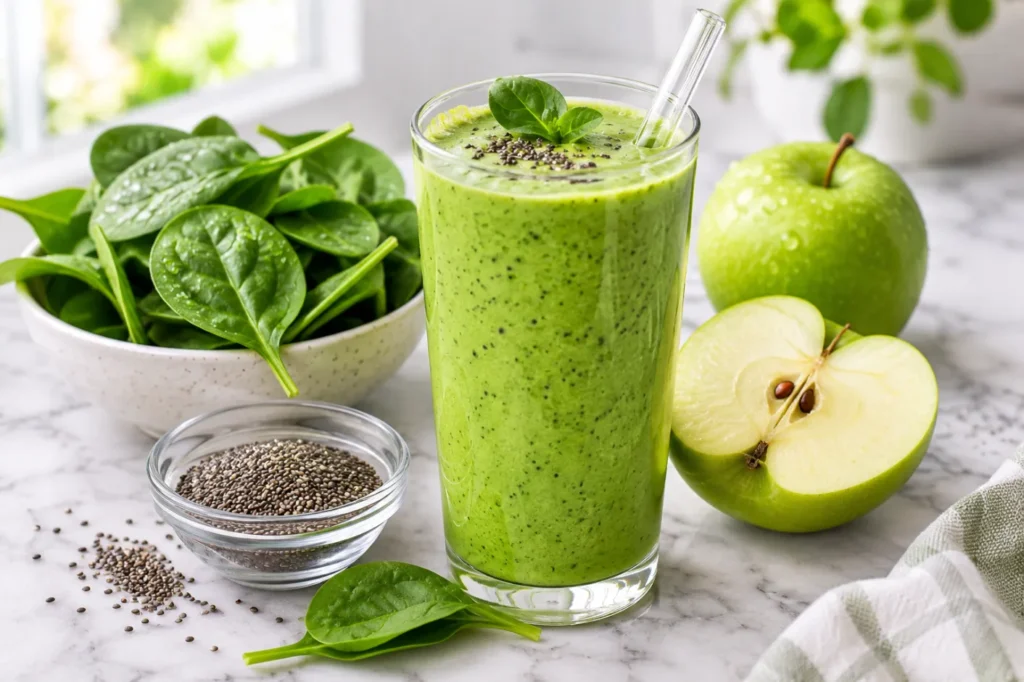
The easiest trick is to hide them. Toss a big handful of baby spinach into a fruit smoothie, and you will barely taste it. Or wilt it into scrambled eggs in under a minute.
Worth bookmarking for later: a bag of spinach lasts longer if you wrap it with a dry paper towel before storing. That small step keeps it crisp and stops you from throwing money away.
6. Walnuts: A Crunchy Snack for Skin and Body
Walnuts bring plant-based omega-3s, vitamin E, and a little zinc to your snack time. Together these nutrients support the skin barrier and help your body manage everyday oxidative stress.
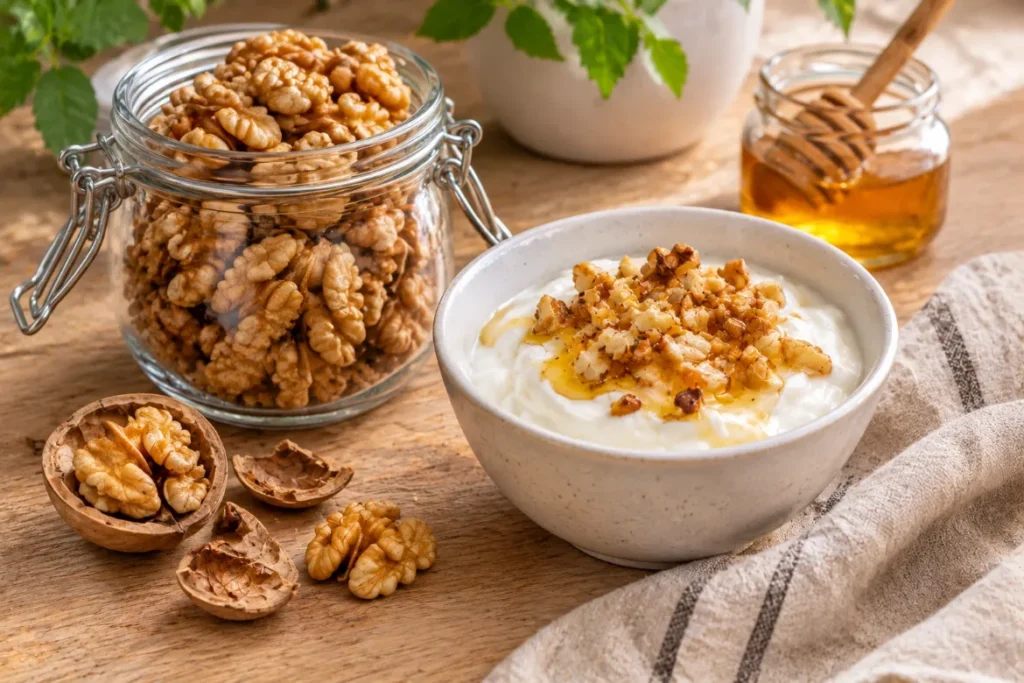
A small handful, around one ounce, is plenty. Keep a jar on your desk, sprinkle chopped walnuts over yogurt, or crush them over a roasted vegetable salad. If you tend to overeat nuts straight from the bag, portion them into small containers on Sunday night.
Store them in the fridge or freezer. Their natural oils can turn bitter if they sit in a warm pantry for months.
7. Green Tea: A Soothing Sip With Skin Benefits
Imagine a warm cup steaming in your hands on a quiet afternoon. Green tea contains catechins, plant compounds with antioxidant activity, and research continues to explore how they support skin health.
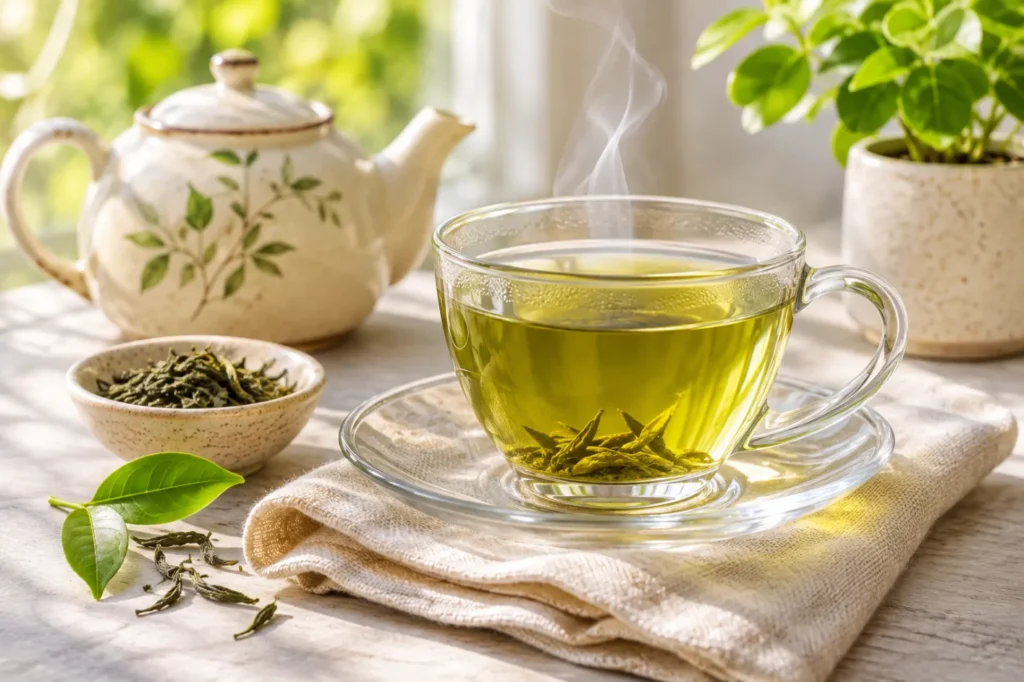
Brew it with water that has cooled a little after boiling, about 175°F. Water that is too hot can make the tea taste bitter. Two cups a day is a gentle, realistic goal.
If you are sensitive to caffeine, choose a decaf version or enjoy it earlier in the day so your sleep stays on track. Good sleep is one of the best free anti aging habits there is.
8. Dark Chocolate: A Treat That Works in Your Favor
Yes, chocolate can be part of an anti aging foods list. Dark chocolate with at least 70 percent cocoa contains flavanols, plants compounds that have been linked to healthy blood flow, which matters for skin that looks rested.
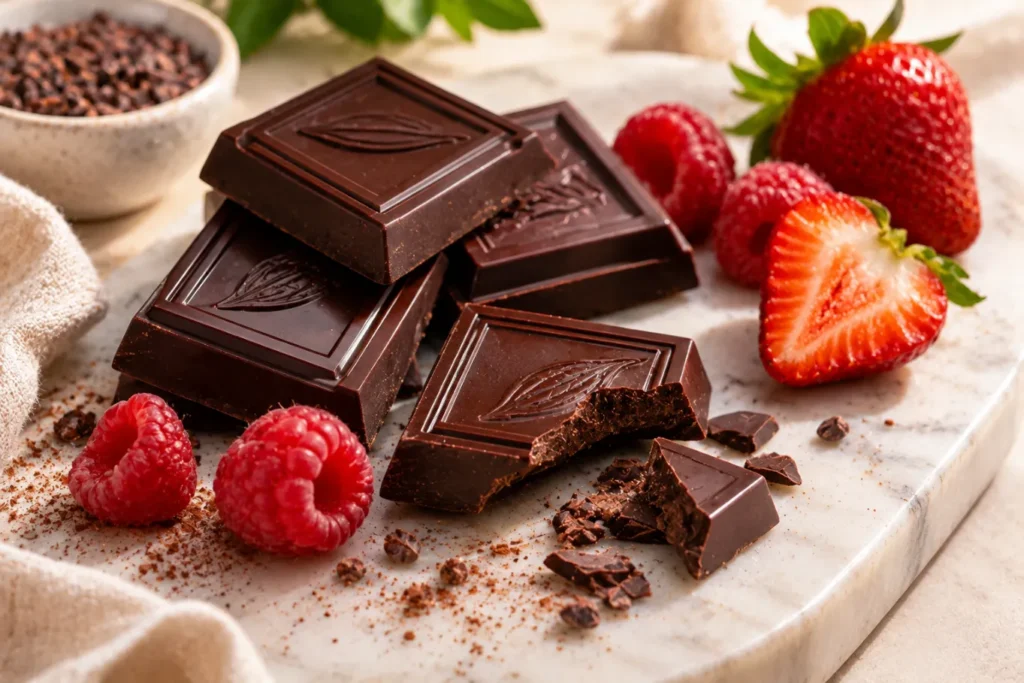
Keep it simple: one or two squares after dinner, melted over strawberries, or chopped into oatmeal. The mistake to avoid is reaching for milk chocolate bars with lots of sugar and little cocoa. Read the label and look for cocoa listed first.
Small and steady wins here. Treat it as a mindful pleasure, not a free pass to eat the whole bar.
9. Sweet Potatoes: Beta-Carotene for a Warm Glow
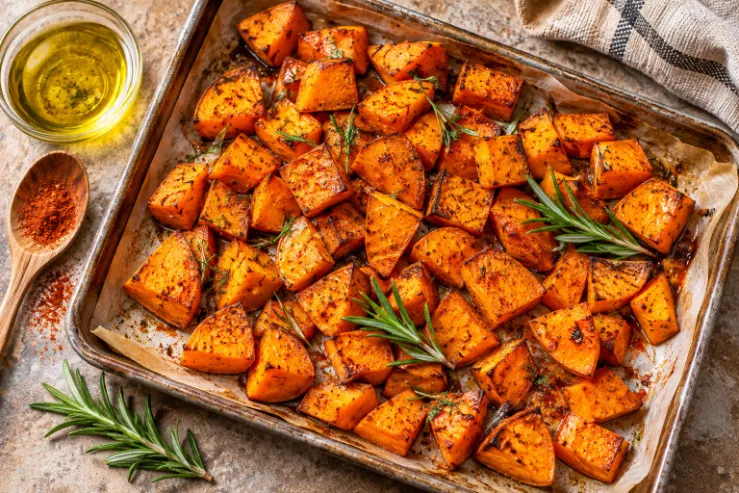
Roast a sweet potato until the edges caramelize and you get a bowl of golden, comforting goodness. That orange color comes from beta-carotene, which your body converts into vitamin A. Vitamin A supports healthy skin cell turnover.
Cube them, toss with olive oil and paprika, and roast at 425°F for about 25 minutes. They work well as a side dish, in grain bowls, or mashed with a little cinnamon.
A quick note on balance: extremely high amounts of beta-carotene from foods can slightly tint skin orange. That is harmless but surprising, so enjoy them as part of a varied plate rather than every meal.
10. Bell Peppers and Citrus: Vitamin C Made Easy
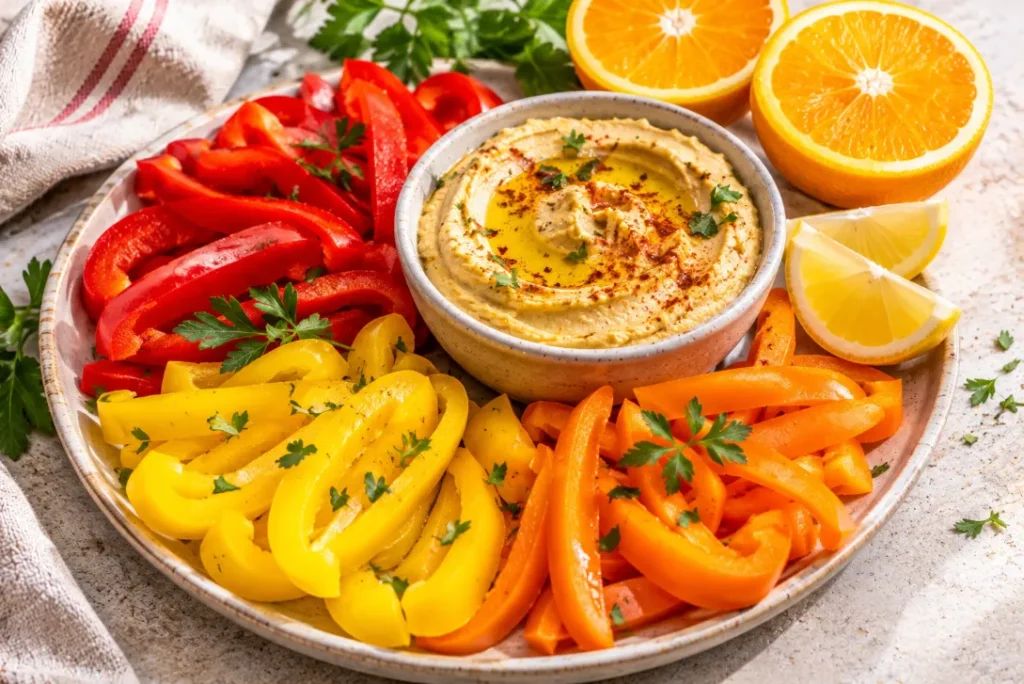
Red bell peppers are one of the richest everyday sources of vitamin C, often even higher than oranges by weight. Since vitamin C helps your body build collagen, getting enough of it is one of the simplest anti aging food habits to start.
Slice a red pepper into strips and dip them in hummus for an afternoon snack. Squeeze fresh lemon or orange over salads and fish. Heat can reduce vitamin C, so eating peppers raw a few times a week gives you the most.
Perfect for busy mornings: pre-cut peppers in a container at the front of your fridge, so the healthy choice is the easy one.
Simple Ways to Build Anti Aging Foods Into Your Week
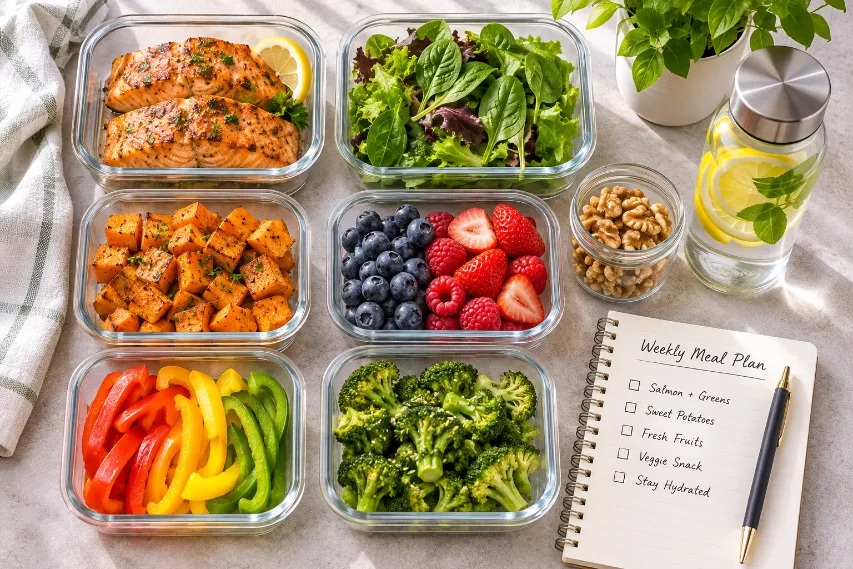
Start small. Choose three foods from this list and write them on your grocery list. Add berries to breakfast, a leafy green to lunch, and fish or sweet potatoes to dinner. That is already a strong start.
Drink water through the day, protect your skin with sunscreen, and sleep as well as you can. Food supports your skin, but it works best alongside daily habits.
Conclusion
Tired skin and low energy can make you feel older than you are, and it is easy to blame your products. Your plate has more power than you might think. You do not need a perfect diet, just a few smart swaps repeated often. Pick one food from this list and try it this week, then save this article so you can come back for the next one.
Image Alt Text Suggestions
- Kitchen counter with berries, avocado, spinach, and walnuts, showing anti aging foods for youthful skin
- Bowl of oatmeal topped with fresh blueberries, an antioxidant-rich anti aging breakfast
- Baked salmon fillet with lemon and dill, a source of omega-3 fats for skin
- Avocado toast with radishes and sesame seeds on a wooden board
- Skillet of shakshuka with cooked tomatoes rich in lycopene
- Green spinach smoothie in a glass next to fresh spinach leaves
- Jar of walnuts beside yogurt topped with walnut pieces
- Cup of green tea on a linen napkin for a calming skin care ritual
- Dark chocolate squares with fresh strawberries and raspberries
- Roasted sweet potato cubes on a sheet pan with rosemary
- Sliced red, yellow, and orange bell peppers served with hummus
- Weekly meal prep containers filled with anti aging foods
FAQ
1. What is the number one anti aging food?
There is no single winner, but berries, fatty fish, and leafy greens are strong picks because they offer antioxidants, omega-3s, and vitamin C. Eating a mix gives your skin more variety than relying on one food.
2. Can food really reduce wrinkles?
Food cannot erase wrinkles, but nutrients like vitamin C, omega-3s, and antioxidants support collagen, hydration, and your skin barrier. Pair a nutrient-rich diet with sunscreen and good sleep for the best results.
3. How long does it take to see skin changes from eating better?
Skin cells renew over several weeks, so many people notice changes in energy and glow after a month or two of steady habits. Results vary from person to person.
4. Which foods should I limit to protect my skin as I age?
Foods high in added sugar and heavily processed snacks may work against your skin goals. You do not need to cut them out completely, just enjoy them in smaller amounts.
5. Are anti aging foods enough without skin care products?
Not quite. Foods help from the inside, while sunscreen, gentle cleansing, and moisturizer protect from the outside. The two approaches work best together.


