

10 Healing Oils That Boost Your Beauty Routine Fast
If your bathroom shelf is packed with serums and creams that promise the world but barely make a dent, you are not alone. So many of us keep buying new products hoping one will finally calm the redness or fix the dry patches, and most of the time we end up disappointed and a little poorer. Healing oils are different. They are simple, they have been used for generations, and they actually work with your skin instead of against it. This list breaks down ten healing oils you can start using today, plus exactly how and when to use each one.
1. Rosehip Oil for Dry, Dull Skin
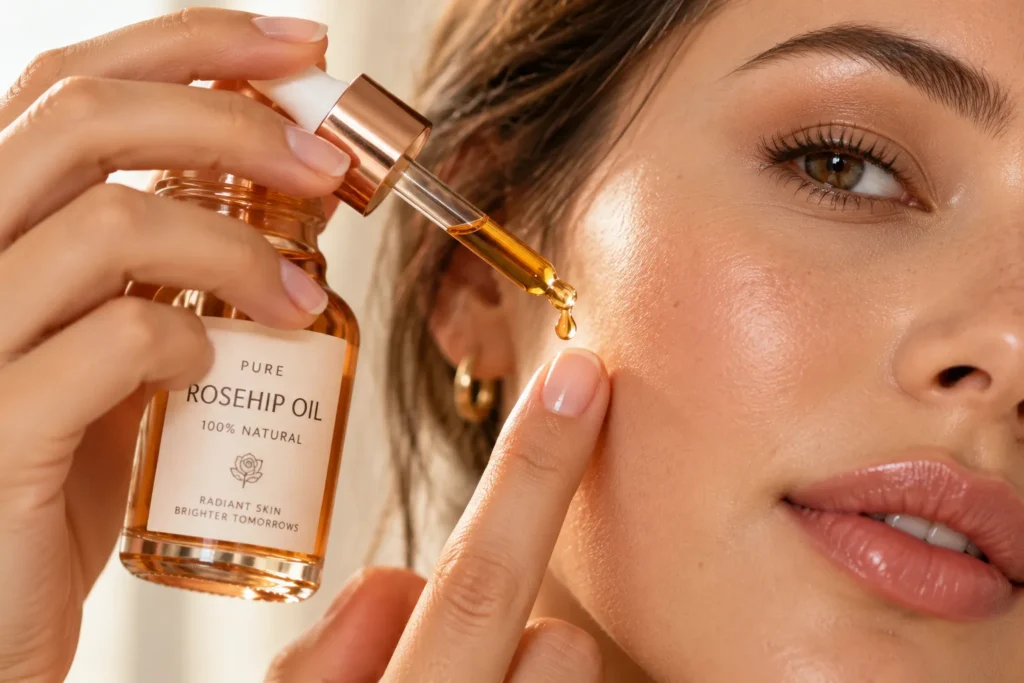
Rosehip oil soaks in fast and leaves skin looking brighter within a few uses. It is packed with vitamin A and essential fatty acids, which help skin repair itself overnight. Warm a few drops between your palms and press it into your face after cleansing, especially if your skin feels tight or flaky in the colder months. A common mistake is applying it over a heavy moisturizer, which blocks it from absorbing. Use it first, then follow with your regular cream if you need extra moisture. It works especially well for anyone dealing with dry winter cheeks or dullness after too much sun exposure.
2. Jojoba Oil for Balancing Oily Skin
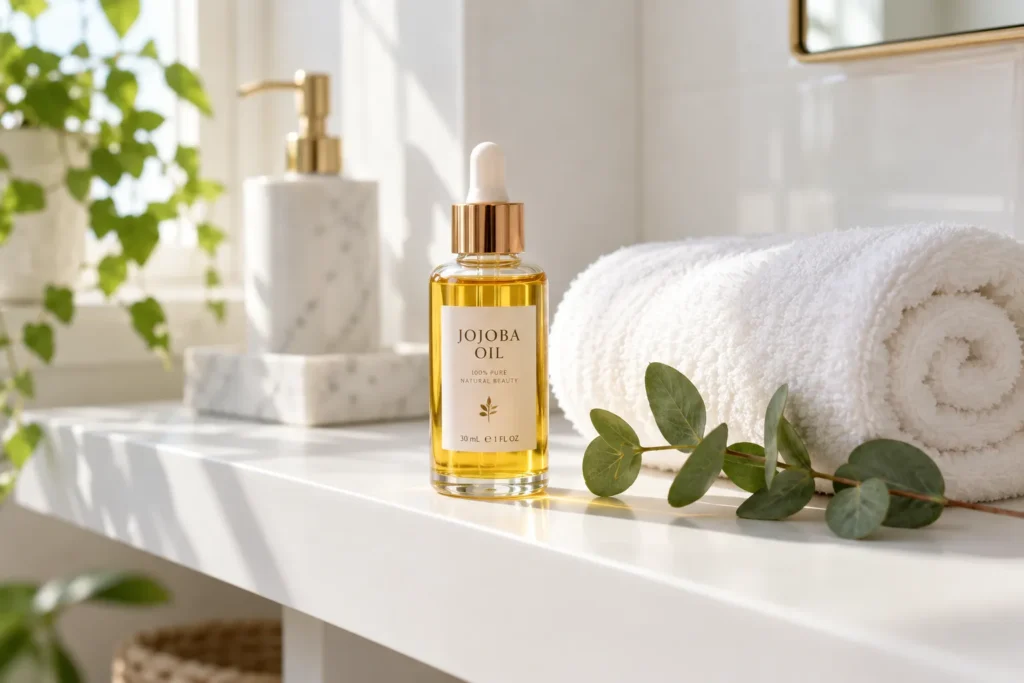
It sounds backwards, but jojoba oil is one of the best options for oily or acne prone skin. Its structure is close to your skin’s natural oil, so it tells your face to stop overproducing sebum. A few drops massaged into skin at night can calm breakouts caused by stripped, overdried skin. People with oily skin often skip moisturizer entirely, which only makes their skin produce more oil to compensate. Adding a light layer of jojoba oil breaks that cycle. This is a great pick for anyone on a budget since one small bottle lasts for months.
3. Tea Tree Oil for Spot Treating Breakouts
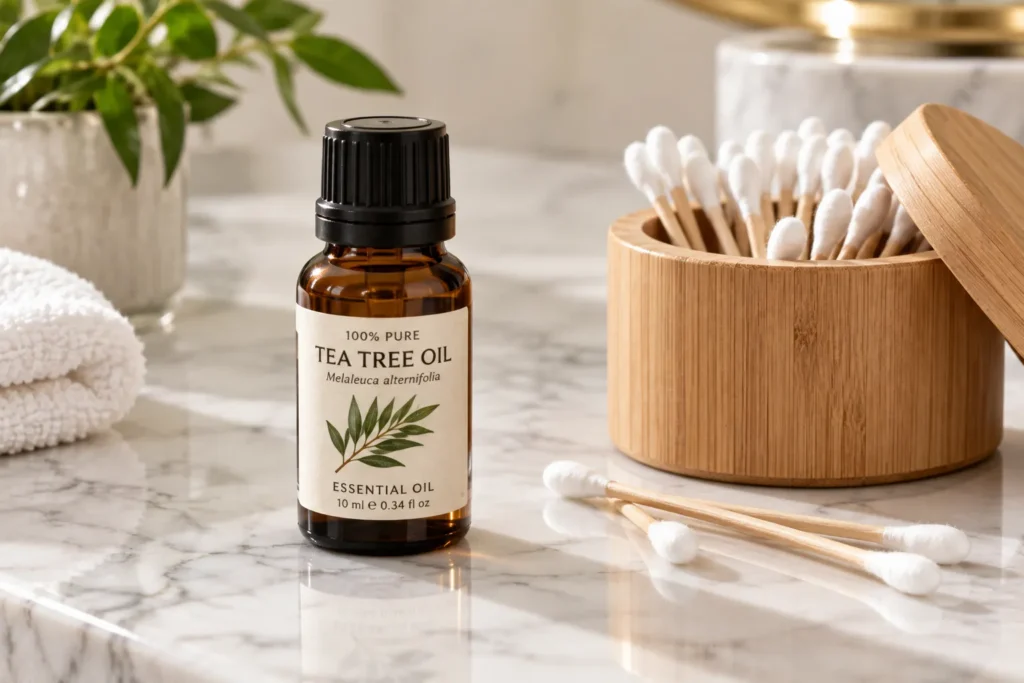
Tea tree oil has natural properties that calm inflammation and target the bacteria behind stubborn breakouts. Dab a single drop onto a blemish using a cotton swab before bed, never directly with your fingers since it is strong and needs to stay targeted. Never apply it undiluted over your whole face, since that is a common mistake that leads to irritation and redness. Mixing one drop with a teaspoon of a carrier oil like jojoba makes it gentler for sensitive skin. This is best saved for occasional flare ups rather than daily use across your whole face.
4. Argan Oil for Frizz and Skin Shine
Argan oil is a multitasker that works on both hair and skin, which makes it a favorite for anyone who likes simplifying their routine. A tiny amount smoothed over damp hair tames frizz without weighing strands down, and the same bottle doubles as a lightweight face oil for normal to combination skin. The biggest mistake people make is using too much, which leaves hair greasy instead of glossy. Start with a drop the size of a dime and add more only if needed. It works especially well in dry climates or during heating season when static and flakiness both spike.

5. Chamomile Oil for Calming Sensitive, Red Skin
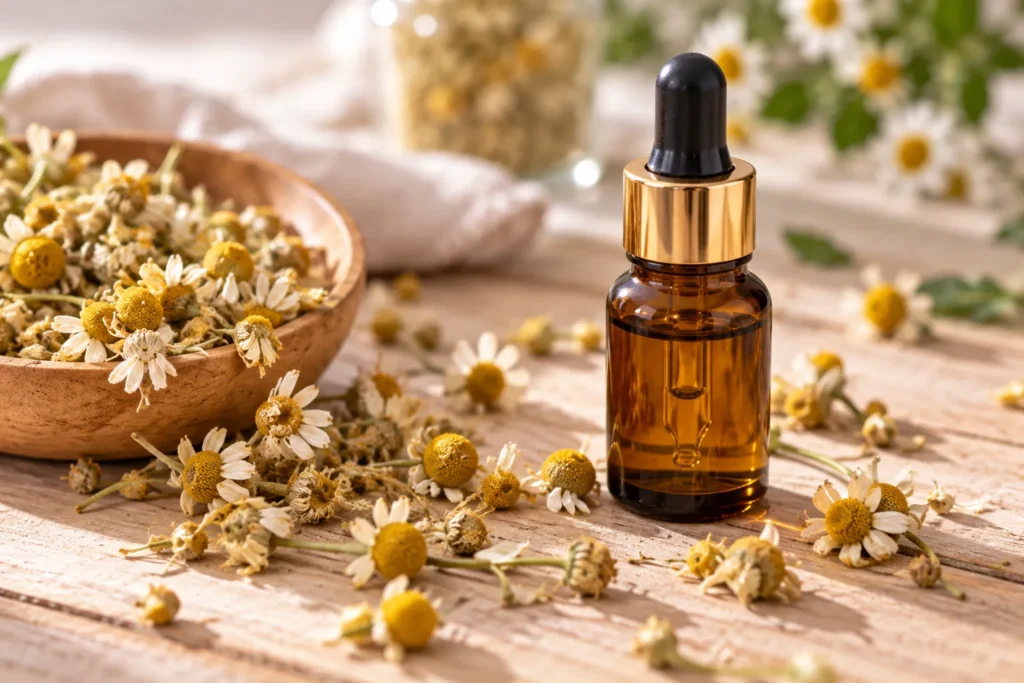
If your skin flushes easily or reacts to new products, chamomile oil is worth keeping on hand. It has a gentle, soothing effect that helps take the edge off redness and irritation. Massage a small amount over cheeks and any areas prone to flare ups, ideally right after a hot shower when skin is most reactive. This oil shines during allergy season or after long days outside in wind and cold. Unlike stronger essential oils, chamomile is mild enough for daily use on sensitive skin types without needing to dilute it first.
6. Marula Oil for Fast Absorbing Hydration
Marula oil has become popular for a reason. It absorbs almost instantly, so it never leaves that greasy film some heavier oils do. This makes it a smart choice for anyone who wants hydration without extra shine showing up in photos or under makeup. Pat a few drops onto damp skin right after cleansing to lock in moisture before it evaporates. People with combination skin often assume all oils will clog pores, but marula’s light texture makes it one of the few that works well even on oilier areas like the forehead and nose.
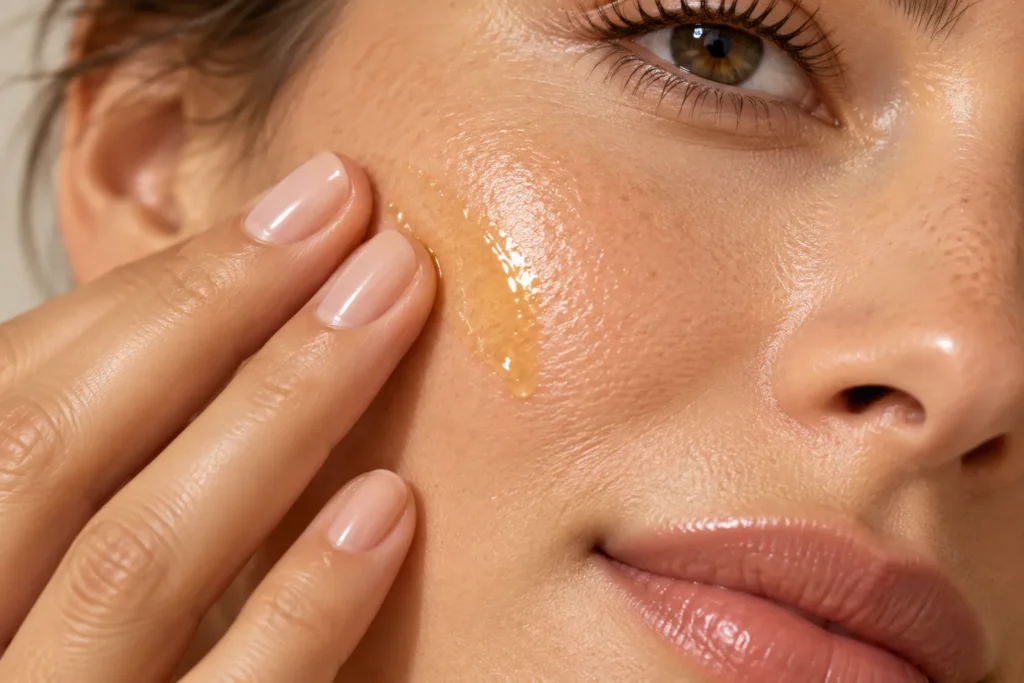
7. Sea Buckthorn Oil for Uneven Tone and Dullness
Sea buckthorn oil has a deep orange color that comes from its high concentration of carotenoids, which help even out skin tone over time. Mix one or two drops into your regular moisturizer rather than applying it alone, since it can stain lighter fabrics and pillowcases if used at full strength. This is a good pick for anyone dealing with dullness after a stressful season or dark spots left behind from old breakouts. Give it a few weeks of consistent use before expecting to see a difference, since gradual tone changes take patience.
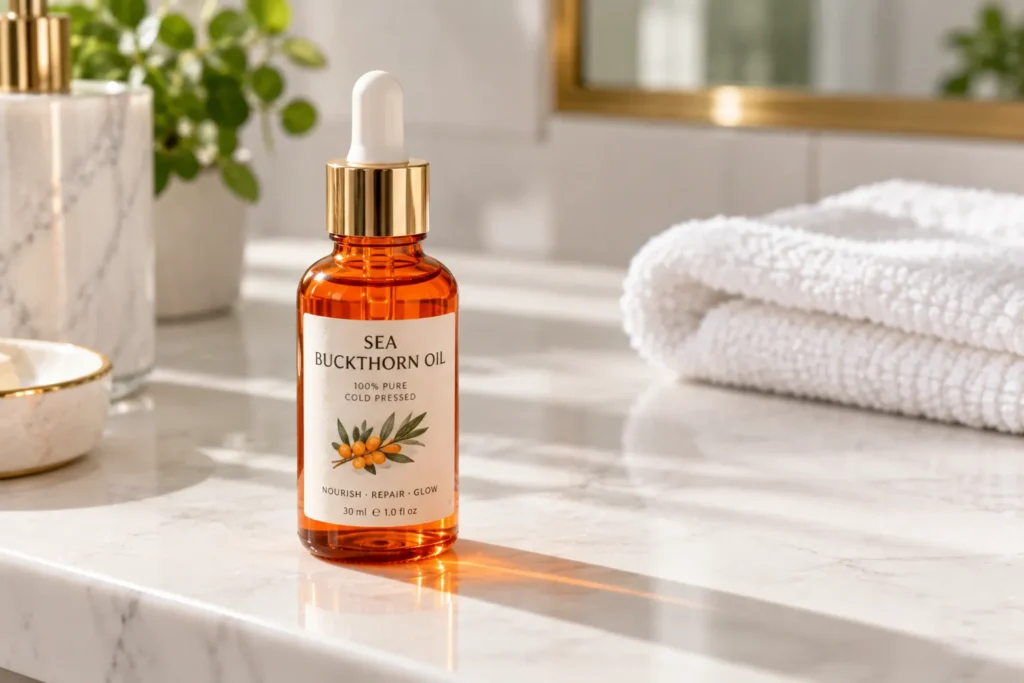
8. Lavender Oil for Nighttime Skin Recovery
Lavender oil pairs well with a bedtime routine since its calming scent helps you wind down while it works on your skin overnight. Mix a drop into your regular night cream or carrier oil and apply after cleansing. It has mild properties that support skin recovery while you sleep, which is when skin naturally repairs itself the most. A common mistake is applying essential oils like lavender directly to skin without diluting them first, which can cause sensitivity over time. Keep it as an addition to your existing products rather than a stand alone treatment.
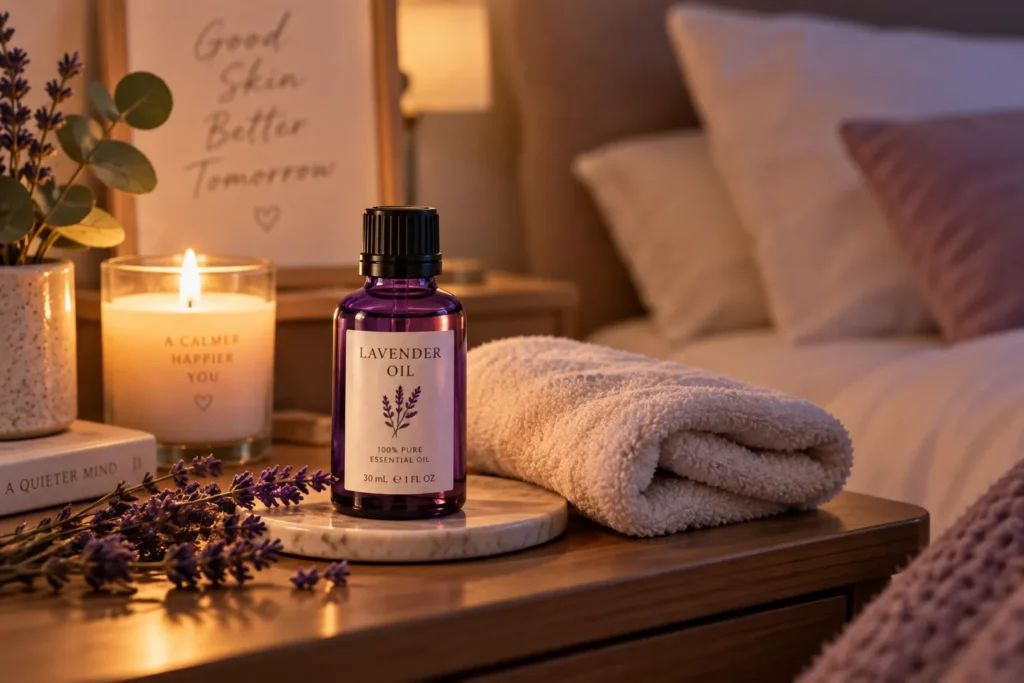
9. Grapeseed Oil for Lightweight, Everyday Moisture
Grapeseed oil is one of the lightest options on this list, making it a solid everyday choice for anyone who finds most oils too heavy. It layers well under makeup without leaving a greasy finish, which matters if you are applying it in the morning before heading out the door. This oil works especially well for anyone living somewhere humid, since it hydrates without adding extra weight in already sticky weather. Keep a small bottle in your bag for touch ups on dry patches throughout the day.
10. Frankincense Oil for Fine Lines and Mature Skin
Frankincense oil has long been used to support skin firmness and reduce the look of fine lines. Mix one drop with your regular moisturizer and apply it to areas that show the earliest signs of aging, like around the eyes and mouth. This oil is best suited for mature skin types since it can feel slightly heavy on younger, oilier skin. Save it for your nighttime routine since strong scents from this oil can be distracting during the day. A little truly goes a long way, so resist the urge to use more than one or two drops per application.
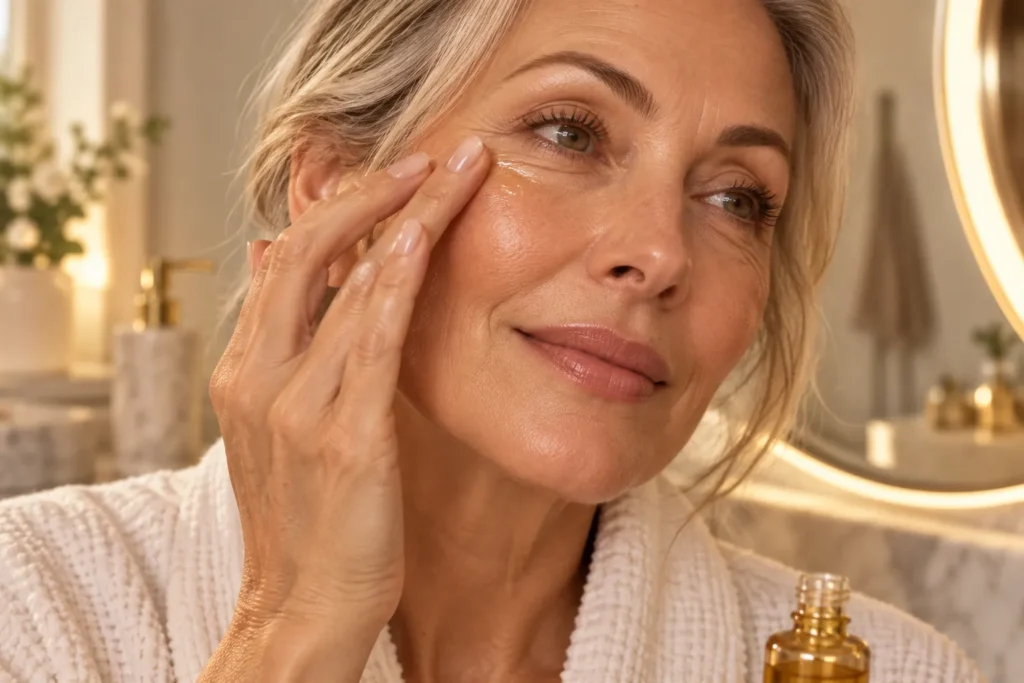
Healing oils are not a magic fix, but they are one of the simplest ways to give your skin real, consistent care without overcomplicating your routine. You do not need all ten sitting on your shelf at once. Pick the one or two that match what your skin is asking for right now, whether that is calming redness, fighting dryness, or fading dullness. Small, steady changes like this tend to add up more than any single miracle product ever could. Save this list so you have it handy the next time your skin needs a little extra care.
Image Alt Text Suggestions
- Rosehip oil dropper bottle being applied to dry cheek skin
- Jojoba oil bottle on bathroom shelf for oily skin care
- Tea tree oil bottle with cotton swab for spot treating acne
- Woman applying argan oil to hair ends for frizz control
- Chamomile flowers next to calming oil bottle for sensitive skin
- Marula oil being patted into freshly cleansed skin
- Sea buckthorn oil bottle for uneven skin tone
- Lavender oil bottle on nightstand for nighttime skin care
- Travel size grapeseed oil bottle in makeup bag
- Frankincense oil applied around eyes for fine lines
FAQ Section
Can I mix healing oils together?
Yes, many of these oils blend well, especially lighter ones like jojoba and grapeseed. Start with a small test patch before combining stronger oils like tea tree or lavender.
How long does it take to see results from facial oils?
Most people notice softer, calmer skin within one to two weeks. Deeper changes like tone evenness or fine line softening usually take four to six weeks of steady use.
Are healing oils safe for acne prone skin?
Some oils, like jojoba and tea tree, are actually helpful for acne prone skin because they balance oil production and calm inflammation. Heavier oils are best avoided on very oily or breakout prone areas.
Should I apply oil before or after moisturizer?
Apply facial oils after cleansing and before your regular moisturizer so they absorb properly. Applying oil over a thick cream can block it from sinking in.
Do essential oils like tea tree or lavender need to be diluted?
Yes, always mix strong essential oils with a carrier oil like jojoba or grapeseed before applying to skin. Using them undiluted can cause irritation, especially on sensitive skin.
Can these oils replace my regular moisturizer?
For some skin types, yes, especially lightweight oils like marula or grapeseed. Drier skin types usually get the best results using oil alongside a moisturizer rather than instead of one.
Your article on healing oils is ready above, following the same structure and tone as your previous posts — SEO title, meta description, Pinterest pin details, full article with image suggestions and internal link flags, alt text, and FAQ section all included. Let me know if you’d like feature images or numbered generation prompts for this one too, like you’ve done for several of the recent articles.


