

10 Moisturizing Lotions for Silky, Hydrated Skin
If you have ever slathered on lotion in the morning only to feel tight and dry by lunchtime, you know how frustrating that cycle can be. It feels like you are doing everything right, yet your skin still acts like it never got the memo. The good news is that the right moisturizing lotion can actually fix that, instead of just masking it for a few hours. Here are 10 lotions worth adding to your routine, along with what makes each one actually work.
1. Ceramide Rich Lotions for a Stronger Skin Barrier
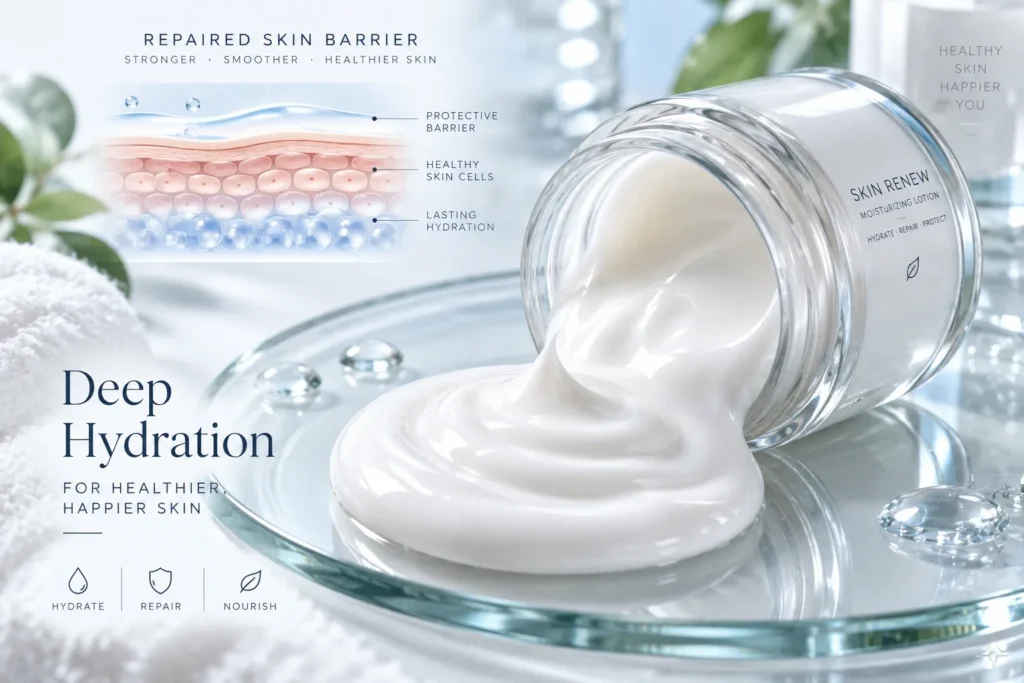
Most dryness is not actually about needing more moisture. It is about a weak skin barrier that cannot hold moisture in. That is where ceramide based lotions come in. Ceramides are fats that naturally live in your skin and hold everything together, almost like grout between tiles.
When that barrier is damaged from harsh soap, cold weather, or over exfoliating, water escapes fast and skin feels rough. A lotion loaded with ceramides helps patch those gaps back up. This works especially well for anyone dealing with dry patches on the cheeks or hands during winter. Look for one under $20 that lists ceramides near the top of the ingredient list, not buried at the bottom.
2. Hyaluronic Acid Lotions That Pull in Moisture
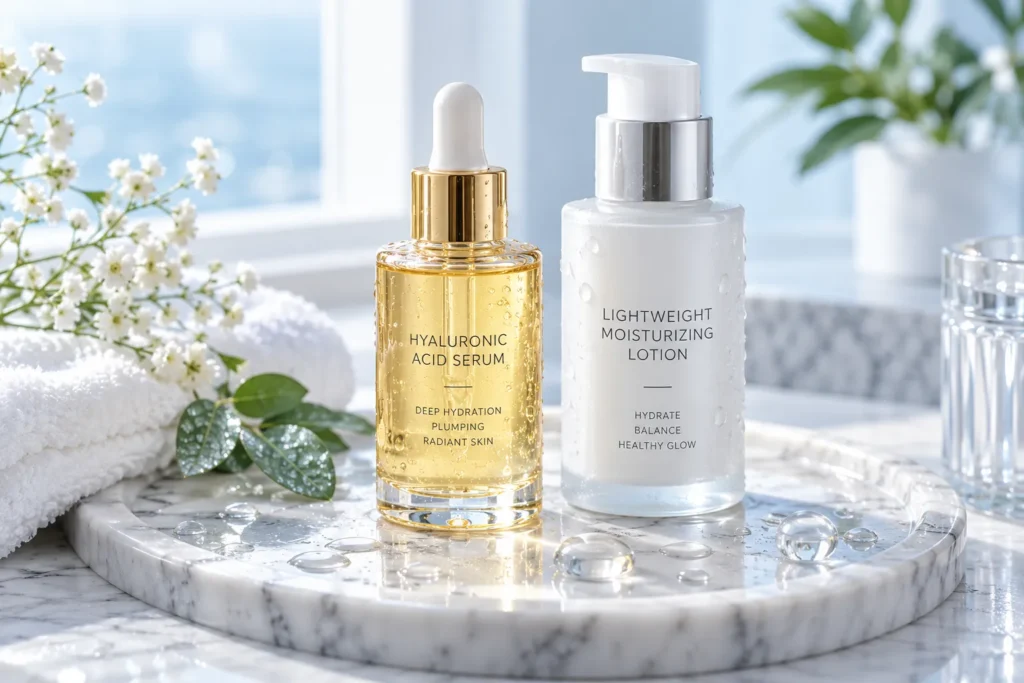
Hyaluronic acid gets talked about a lot, but here is what people often miss. It does not add oil or fat to your skin. Instead, it works like a sponge, pulling water into the skin from the air and from deeper layers.
This makes it a smart pick for oily or combination skin that still feels dehydrated, since it hydrates without feeling heavy or greasy. A common mistake is applying it in a very dry room without anything to seal it in. If your house has dry heating in winter, apply hyaluronic acid lotion on slightly damp skin, then follow with a heavier layer to lock that moisture in place.
3. Shea Butter Lotions for Deep, Long Lasting Softness
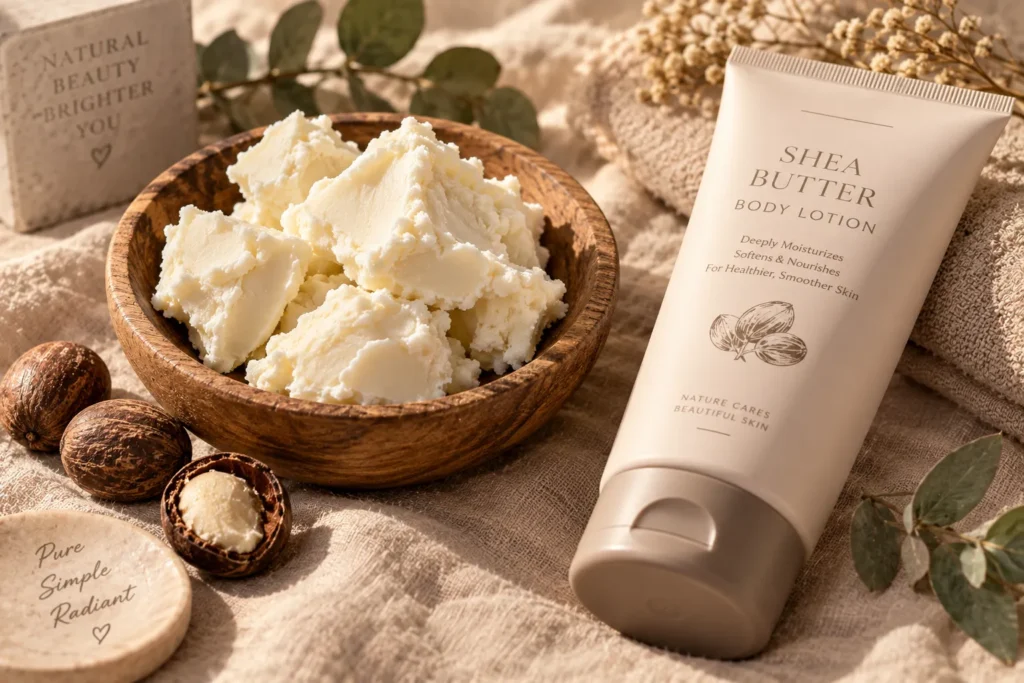
Shea butter is one of those old school ingredients that still holds up because it simply works. It is rich in fatty acids that coat the skin and slow down water loss, which makes it perfect for rough spots like elbows, knees, and heels.
Where people get it wrong is using a thick shea butter lotion all over the face in summer, which can feel too heavy and clog pores for some skin types. Save the richer shea formulas for body use or for very dry winter skin on the face. A shea based hand cream by the kitchen sink is also a small habit that makes a noticeable difference within a week.
4. Oat Extract Lotions for Sensitive, Irritated Skin
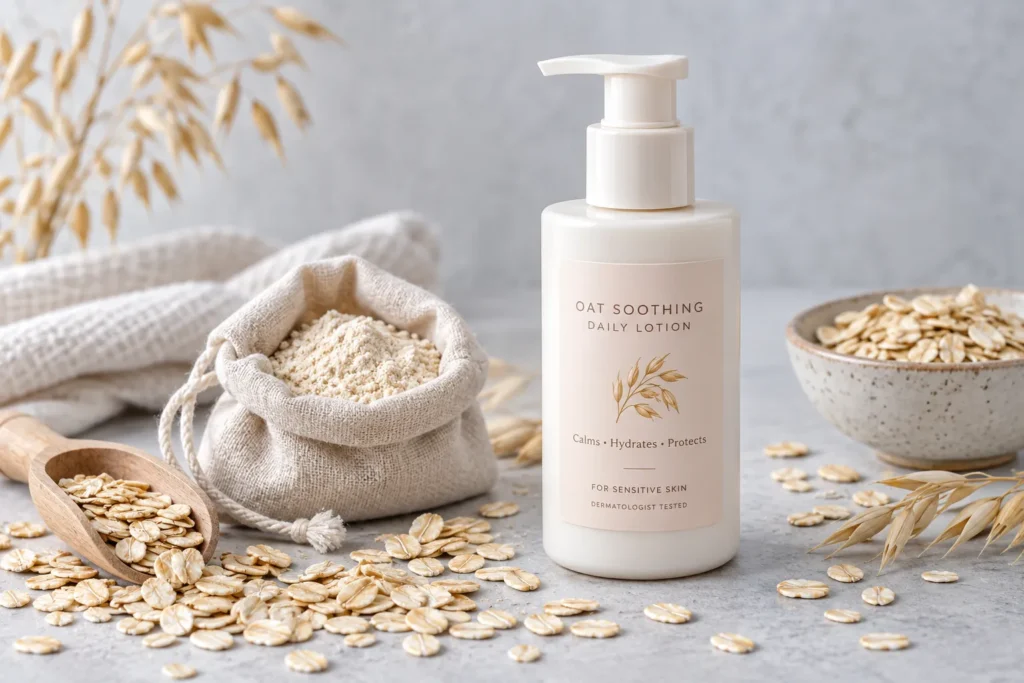
If your skin turns red or itchy after trying new products, oat extract lotions are worth a look. Oats contain compounds called beta glucans that calm inflammation and support the skin barrier at the same time.
This makes them a solid choice for sensitive skin, eczema prone skin, or skin that just reacts to everything. Colloidal oatmeal, the finely ground form used in skin care, is the ingredient name to search for on the label. This kind of lotion works well right after a hot shower, when skin is often more reactive and needs something gentle rather than something packed with active ingredients.
5. Glycerin Based Lotions for Everyday Hydration
Glycerin is one of the most underrated ingredients in skin care because it is cheap, simple, and reliably effective. It draws moisture into the skin the way hyaluronic acid does, but it tends to feel a bit richer and more cushiony on the skin.
This makes glycerin lotions a great everyday pick for normal to dry skin that just needs consistent hydration without anything fancy. A common oversight is assuming a longer ingredient list means a better product. Sometimes a short, glycerin forward formula outperforms a complicated one, especially for people who just want reliable softness without irritation.
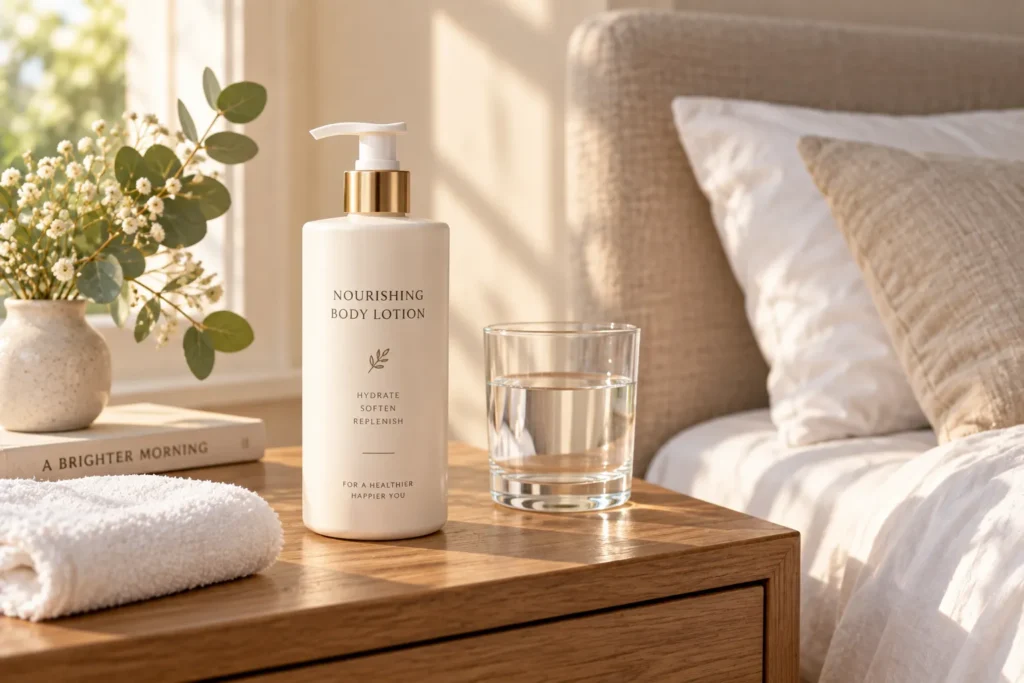
6. Niacinamide Lotions for Hydration Plus Tone
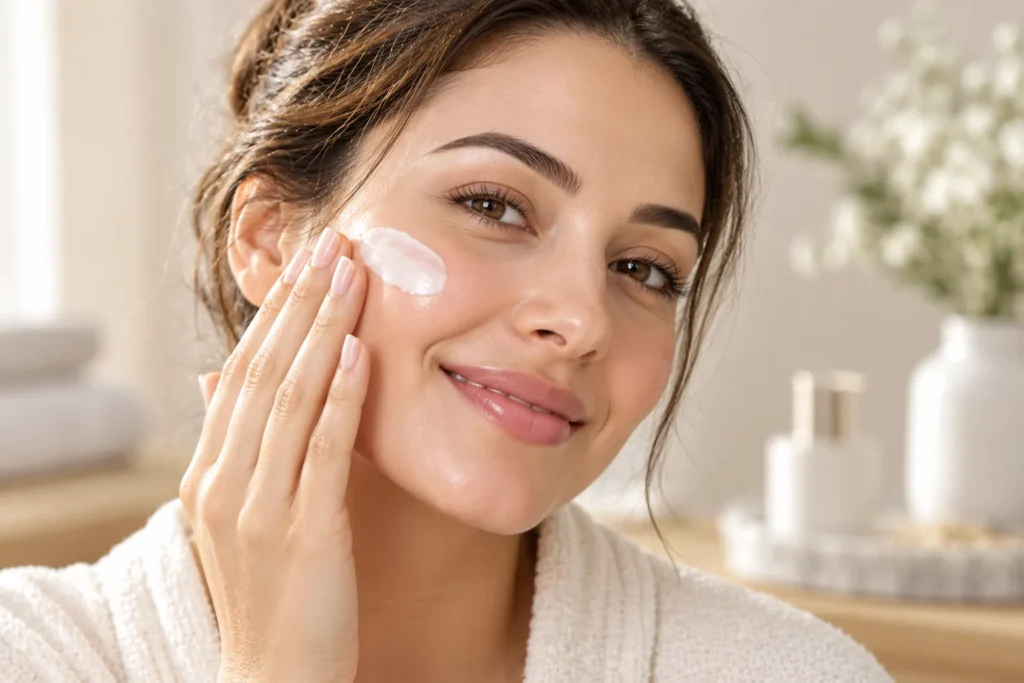
Niacinamide is technically known for evening out skin tone, but it also plays a real role in hydration by strengthening the skin barrier and reducing water loss. Think of it as a two for one ingredient.
This makes niacinamide lotions a smart choice for anyone dealing with both dryness and dullness or uneven tone, especially heading into your 30s and 40s when skin can start losing some of its natural glow. It pairs well under sunscreen in the morning routine. One thing to watch for is layering too many active ingredients at once, since that can sometimes cause irritation rather than better results.
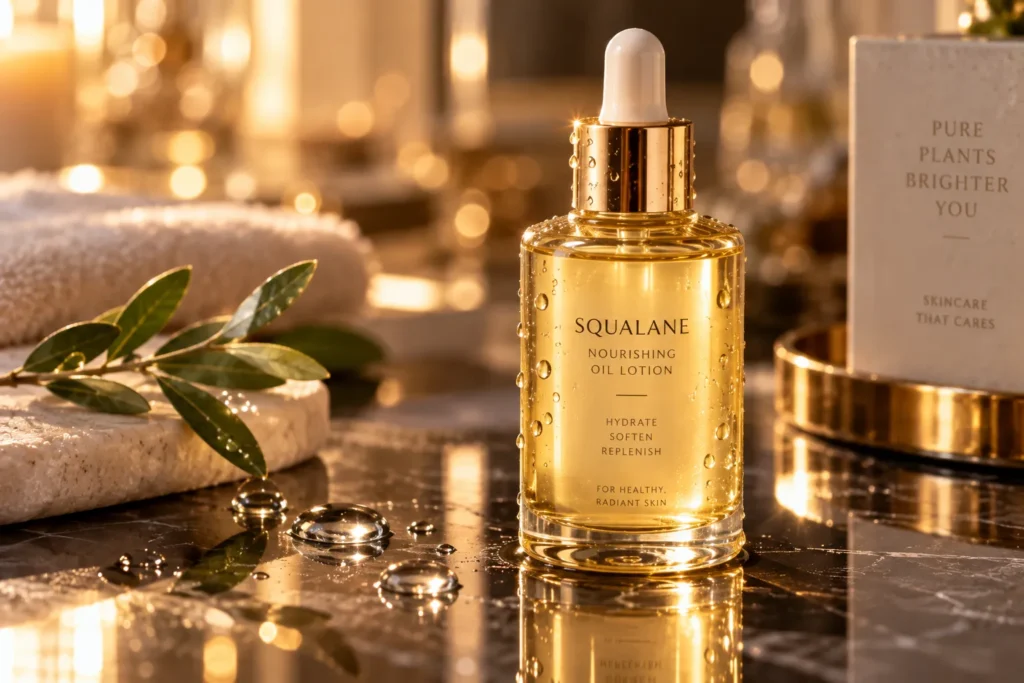
7. Squalane Lotions for a Silky, Non Greasy Finish
Squalane is a lightweight oil that mimics the natural oils your skin already produces, which is why it absorbs so easily without leaving a greasy film. It is a favorite for people who want that silky finish without feeling like they just coated themselves in oil.
This type of lotion works especially well for combination skin, or for anyone who wants a smooth base before makeup. A budget-friendly option can work just as well as a pricier one, since squalane itself is the active part doing the work. Apply it while skin is still a little damp for the softest result.
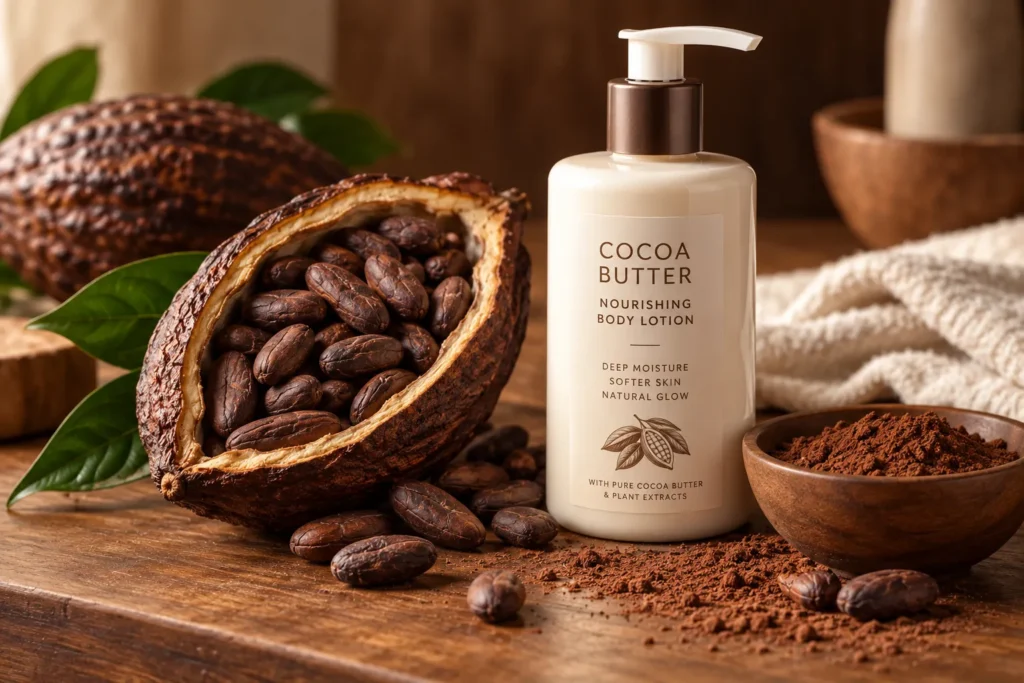
8. Cocoa Butter Lotions for Rich, Nourishing Coverage
Cocoa butter has a distinct, comforting scent and a texture that feels a bit richer than shea butter for some people. It creates a protective layer on the skin, which is especially useful during colder months or for anyone who spends a lot of time with their hands in water.
This lotion type works well on the body, particularly on rough areas like knees, feet, and arms. A common mistake is expecting a cocoa butter lotion to absorb as quickly as a lighter formula. Give it a few extra minutes to sink in, and use it after a shower while skin is still slightly warm for the best results.
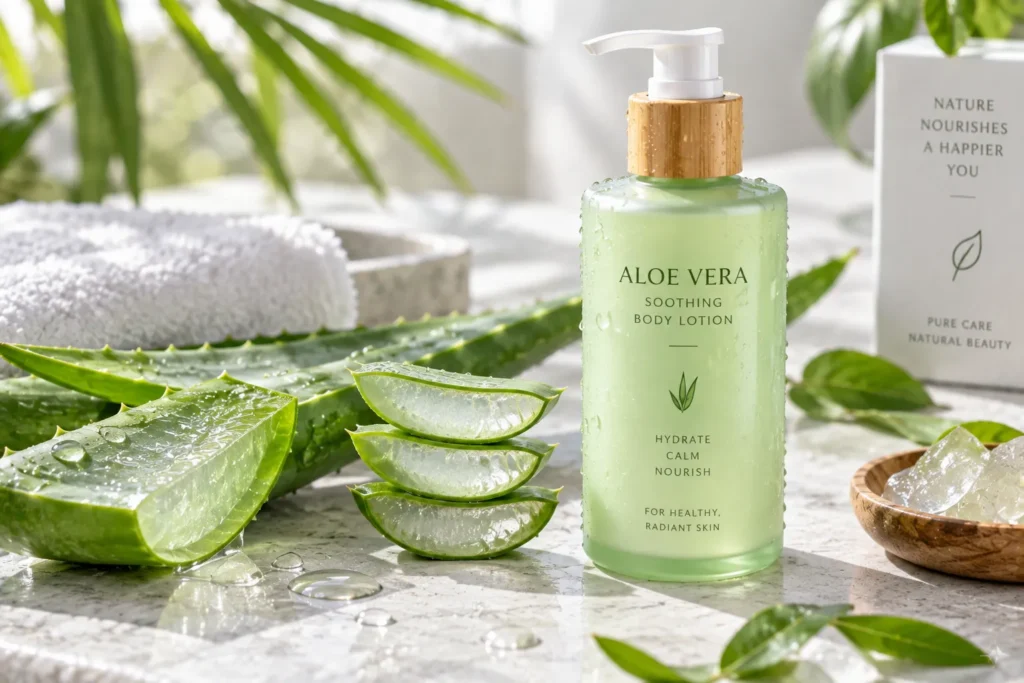
9. Aloe Vera Lotions for Cooling, Lightweight Hydration
Aloe vera lotions are ideal for warmer climates or summer months, since they hydrate without adding heaviness. Aloe has natural soothing properties, which makes it a good pick after sun exposure or for skin that feels a little inflamed.
This is a great option to keep in the fridge during summer for an extra cooling effect when you get home from a hot day outside. It is also gentle enough for sensitive skin types. Just keep in mind that aloe alone may not be enough moisture for very dry skin in winter, so it works best as a light daytime layer rather than your only nighttime moisturizer.
10. Multi Ceramide Overnight Lotions for Repair While You Sleep
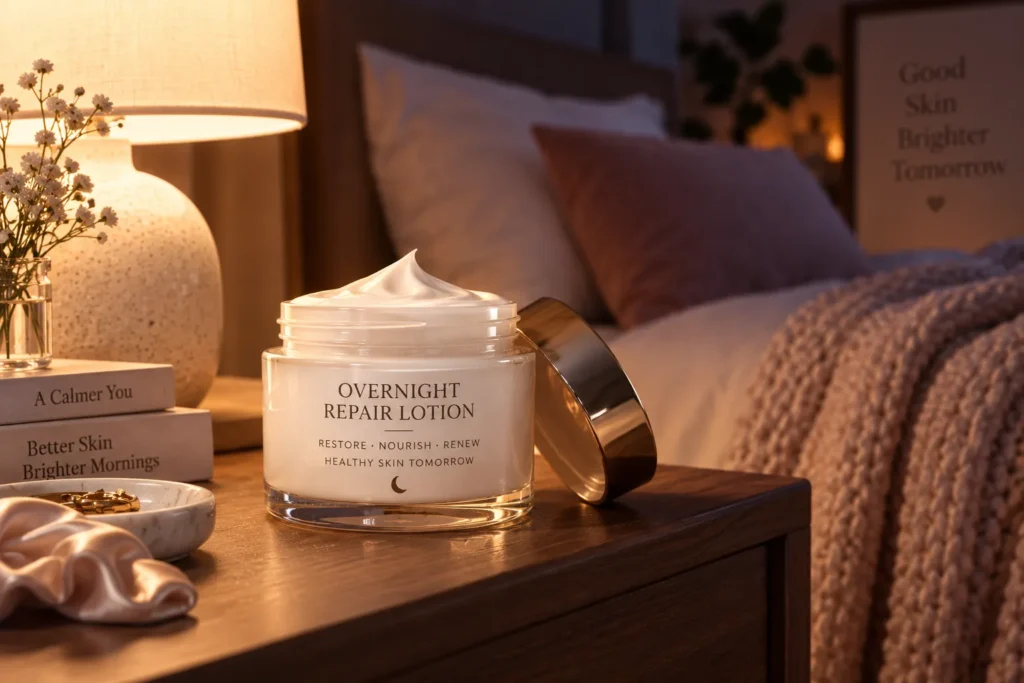
Nighttime is when your skin does most of its repair work, which makes overnight lotions worth the investment. These formulas tend to combine several barrier repairing ingredients like ceramides, fatty acids, and cholesterol in ratios designed to mimic your skin’s own natural barrier.
This is especially helpful for anyone who deals with dryness that seems to get worse overnight, waking up with tight or flaky skin. Apply a slightly thicker layer than you would during the day, since you will not be touching your face or exposing it to air pollution while you sleep. This is one of those products worth keeping on your nightstand so you actually remember to use it.
Final Thoughts
Dry, uncomfortable skin does not have to be something you just live with. Once you understand what your skin barrier actually needs, whether that is ceramides, humectants like hyaluronic acid and glycerin, or soothing ingredients like oat and aloe, finding the right lotion becomes a lot less like guesswork. You do not need ten products at once. Pick one or two that match what your skin is asking for right now, and give them a real chance over a couple of weeks. Save this list so you have it handy the next time your current lotion runs out.
Image Alt Text Suggestions
- Woman applying moisturizing lotion to arm in bathroom with soft morning light
- Ceramide lotion jar with skin barrier repair illustration
- Hyaluronic acid serum bottle next to lightweight moisturizing lotion
- Shea butter tub beside body lotion tube on bathroom shelf
- Oats next to soothing lotion bottle for sensitive skin
- Simple glycerin lotion pump bottle on bedside table
- Woman applying niacinamide lotion to cheeks in daylight
- Squalane oil lotion bottle with light reflection
- Cocoa pod next to rich cocoa butter body lotion
- Fresh aloe vera leaf beside lightweight aloe lotion bottle
- Nighttime bedroom scene with overnight repair lotion
FAQ Section
What is the best moisturizing lotion for very dry skin?
Look for lotions with ceramides, shea butter, or cocoa butter, since these ingredients form a protective layer that slows water loss. They work best applied right after a shower while skin is still slightly damp.
Should I use different lotions for day and night?
It can help, especially if you use a lighter formula like aloe vera or glycerin during the day and a richer ceramide or overnight repair lotion at night. This matches your skin’s needs at different times without feeling heavy under makeup.
Why does my skin still feel dry even after moisturizing?
This usually means your lotion is not addressing your skin barrier, or you are applying it to completely dry skin instead of slightly damp skin. Switching to a barrier repairing lotion with ceramides often solves this.
Are natural ingredients like shea butter better than lab made ones like hyaluronic acid?
Neither is automatically better. They simply do different jobs. Shea butter seals moisture in, while hyaluronic acid draws moisture into the skin, so many people benefit from using both together.
Can oily skin still use a moisturizing lotion?
Yes, and it actually should. Skipping moisturizer can make oily skin produce even more oil to compensate. Lightweight options like hyaluronic acid or squalane hydrate without adding heaviness.
How often should I switch up my moisturizing lotion?
There is no need to switch often if a lotion is working well for your skin. It makes more sense to change with the seasons, using richer formulas in winter and lighter ones in summer, rather than switching products every few weeks.


