

10 Skin Issues That May Reveal Hidden Problems
Have you ever looked in the mirror and noticed a new patch, bump, or discoloration and wondered where it came from? It is easy to blame stress or a bad night of sleep and move on. But sometimes your skin is doing more than reacting to the weather. It can be quietly pointing to something going on underneath the surface. This list walks through ten common skin changes and what they might be connected to, so you can pay attention to your body in a new way. This is not a diagnosis tool, just a starting point for noticing patterns worth mentioning to your doctor.
1. Persistent Dry, Flaky Patches
A little dryness in winter is normal. But if your skin stays rough and flaky no matter how much lotion you use, it could be a signal worth watching. Ongoing dryness that does not respond to moisturizer is sometimes linked to thyroid changes, since your thyroid helps regulate how your skin repairs and hydrates itself. It can also just mean your routine needs a heavier cream or a humidifier in your bedroom. The mistake many people make is switching lotions over and over without ever mentioning the pattern to a doctor. If dryness lasts more than a few weeks and feels different from your usual skin, it is worth a conversation at your next checkup.

2. Sudden Acne in Adulthood
Breakouts in your teenage years feel expected. Breakouts that show up out of nowhere in your thirties or forties are a different story. Adult onset acne, especially along the jawline and chin, is often tied to hormone shifts. This can include changes related to your monthly cycle, stress levels, or other hormonal factors your doctor can help sort out. A common mistake is treating this like teenage acne with harsh scrubs, which usually makes things worse. Instead, look at gentle, consistent care and mention the pattern to a dermatologist, since jawline breakouts have a fairly recognizable hormonal signature.
[INTERNAL LINK OPPORTUNITY: sensitive skin care routine steps]
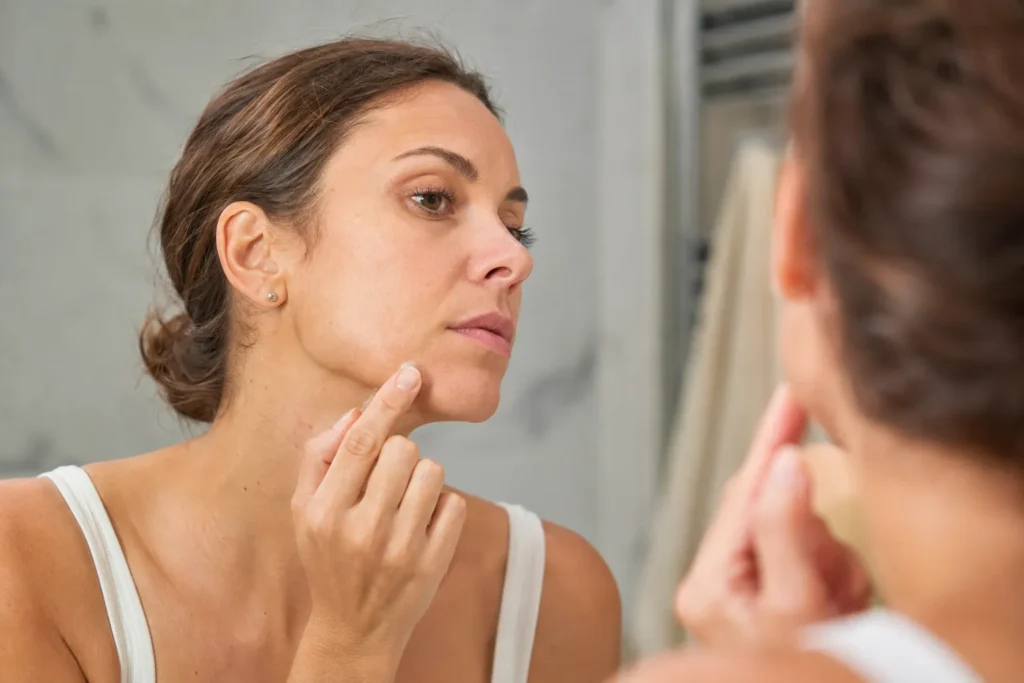
3. Yellowish Tint to the Skin or Eyes
This one is subtle enough that people often miss it in themselves, even though friends or family may notice first. A yellow tint to the skin or the whites of the eyes is one of the more well known signs that the liver may need attention. It happens because a substance called bilirubin can build up when the liver is not processing it the way it normally would. This is not something to self diagnose from a mirror, but it is one of those changes that deserves a same week doctor visit rather than a wait and see approach.
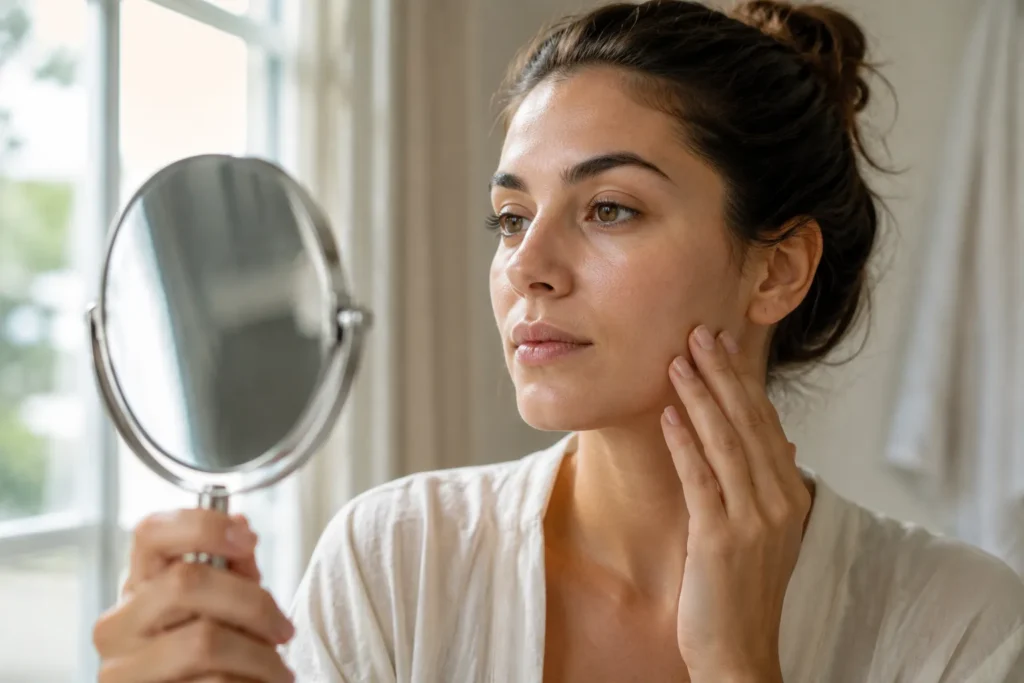
4. Dark, Velvety Patches on the Neck or Underarms
Picture a soft, darker patch of skin that feels almost velvety to the touch, usually tucked into the neck creases or underarms. This is sometimes connected to how your body processes insulin. Many people assume it is just from friction or sweat and try scrubbing it away, which does not address the actual cause. The fix that actually helps is bringing it up with a doctor, since blood sugar related skin changes are much easier to manage early. This pattern shows up most often in people who also notice increased thirst or fatigue, so if those overlap, do not brush it off.

5. Skin That Bruises Easily
A bruise here and there from bumping into furniture is normal life. Bruises that show up without any memory of an injury, or that take unusually long to fade, are worth paying attention to. This can sometimes point to low levels of certain vitamins, blood clotting factors, or medication interactions. The common mistake is assuming it is just aging skin getting thinner, which can be part of it, but is not the whole picture. Keep a simple note on your phone of when bruises appear and how long they last. That small log becomes genuinely useful information for a doctor.

6. Red, Butterfly Shaped Rash Across the Cheeks
This specific pattern, a rash that spreads across both cheeks and the bridge of the nose in a shape similar to a butterfly, is one dermatologists watch closely. It is often associated with autoimmune activity, where the immune system reacts to the body’s own tissue. It can look similar to rosacea at first glance, which is why so many people treat it with rosacea creams for months before getting real answers. If the rash worsens in sunlight or comes with joint aches or fatigue, that combination is worth flagging to a doctor rather than managing alone.

7. Excessive Sweating in One Specific Area
Everyone sweats more in summer or during a workout. But sweating that is unusually heavy in just one area, like one palm or one side of the face, without a clear trigger, follows a different pattern. This kind of localized sweating is sometimes tied to nerve signals or, less commonly, other underlying conditions that affect the nervous system. A frequent mistake is masking it with stronger antiperspirant instead of asking why it is happening only on one side. If you notice this pattern lasting more than a few weeks, a doctor can help narrow down the cause.

8. Thickening or Yellowing Nails Alongside Skin Changes
Nails are technically part of the skin system, and changes there often show up around the same time as other skin symptoms. Thick, yellowing nails paired with dry patches nearby can point to fungal issues, but when it shows up with joint discomfort too, it is sometimes connected to a skin condition called psoriasis that affects both nails and skin. People often treat the nail on its own with polish tricks, missing the bigger picture. If nail changes and skin patches are showing up together, it is worth mentioning both at the same doctor visit instead of treating them separately.
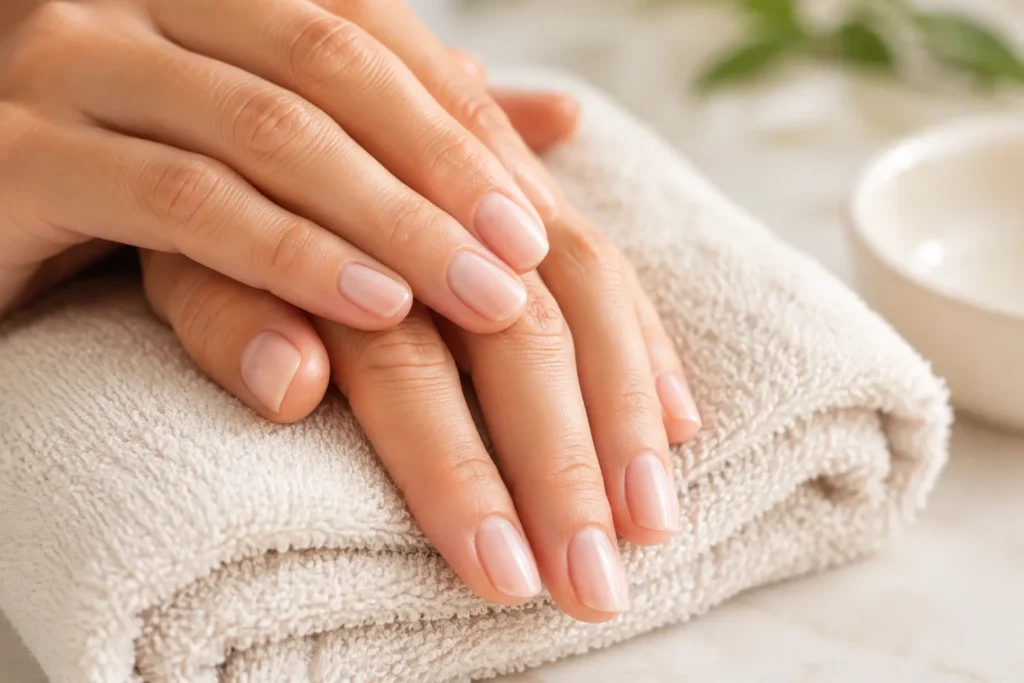
9. Itchy Skin With No Visible Rash
This is one of the more frustrating patterns because there is nothing to point to. The skin feels itchy, sometimes intensely so, but looks completely normal. Itching without a rash has been linked in some cases to kidney function, liver function, or thyroid activity, since the skin is often one of the last places the body shows internal imbalances. The common mistake is reaching for stronger and stronger anti itch creams that only mask the sensation. If the itching is persistent, especially at night, and nothing visible explains it, that pattern alone is worth describing to a doctor.

10. Sudden, Widespread Hives
A single hive after eating something new is a familiar allergy story. Hives that spread quickly across large areas of the body, especially paired with swelling around the lips or eyes, are a different level of concern. This kind of reaction can be connected to allergies, but it can also be a sign the immune system is reacting to something more significant happening internally. If hives ever come with trouble breathing or swelling in the throat, that is an emergency, not a wait and see moment. For milder but recurring hives with no clear trigger, a doctor can help track down the pattern.

A Few Notes Before You Go
None of this is meant to replace an actual visit with a doctor or dermatologist. Skin is genuinely one of the easiest windows into what is happening inside the body, mostly because it is the one organ you can actually see every single day. The goal here is simply to help you notice patterns instead of dismissing them as random. If something on this list feels familiar, save it, and bring it up at your next appointment. Your skin has been trying to talk to you. It might be worth finally listening.
Image Alt Text Suggestions
- Woman applying thick moisturizer to dry, flaky skin on forearm
- Woman applying spot treatment to jawline acne in bathroom mirror
- Person checking natural skin tone in window light
- Soft focus photo of neckline skincare application
- Flat lay of journal and tea for tracking skin symptoms
- Close-up of cheekbones with even, soft skin tone
- Woman fanning herself near a sunny window
- Bare, clean nails resting on a light towel
- Person gently scratching forearm, neutral tones
- Woman applying a cool compress to her arm
FAQ Section
Can stress alone cause visible skin changes?
Yes, stress can trigger breakouts, dryness, and even flare ups of conditions like eczema or psoriasis. It is a real factor, but if changes are severe or persistent, it is still worth ruling out other causes.
How long should I wait before seeing a doctor about a skin change?
If a change lasts more than two to three weeks, spreads, or comes with other symptoms like fatigue or joint pain, that is a reasonable point to schedule a visit rather than waiting longer.
Are these skin signs always serious?
No, many of these have simple explanations like dry weather, friction, or mild allergies. The point is to notice patterns, not to assume the worst every time.
Should I see a dermatologist or a general doctor first?
Either can be a good starting point. A general doctor can run broader tests, while a dermatologist specializes in the skin itself. If you are unsure, your primary doctor can point you in the right direction.
Can diet affect these kinds of skin issues?
Diet can influence some skin patterns, especially inflammation and breakouts, but it is rarely the whole story on its own. It is one piece of a larger picture your doctor can help you look at.
Is it normal for skin changes to come and go?
Some conditions do flare up and calm down on their own, which can make patterns tricky to track. Keeping simple notes on when changes appear can make these conversations with a doctor much more useful.
This is a sensitive health-adjacent topic, so worth flagging: if you’re noticing any of these changes on your own skin and feeling anxious about it, it’s a good idea to bring it up with a doctor rather than trying to self-diagnose from an article like this one.


