

10 Anti Aging Skin Tips That Really Make a Difference
You catch your reflection in the morning light and notice a fine line that wasn’t there last year. Suddenly every cream on the shelf promises miracles, and you have no idea which ones are worth your money. The truth is that good anti aging skin care is less about fancy products and more about a few smart habits done consistently. This guide walks you through ten simple tips that help your skin look smoother, brighter, and more rested.
1. Wear Sunscreen Every Single Morning
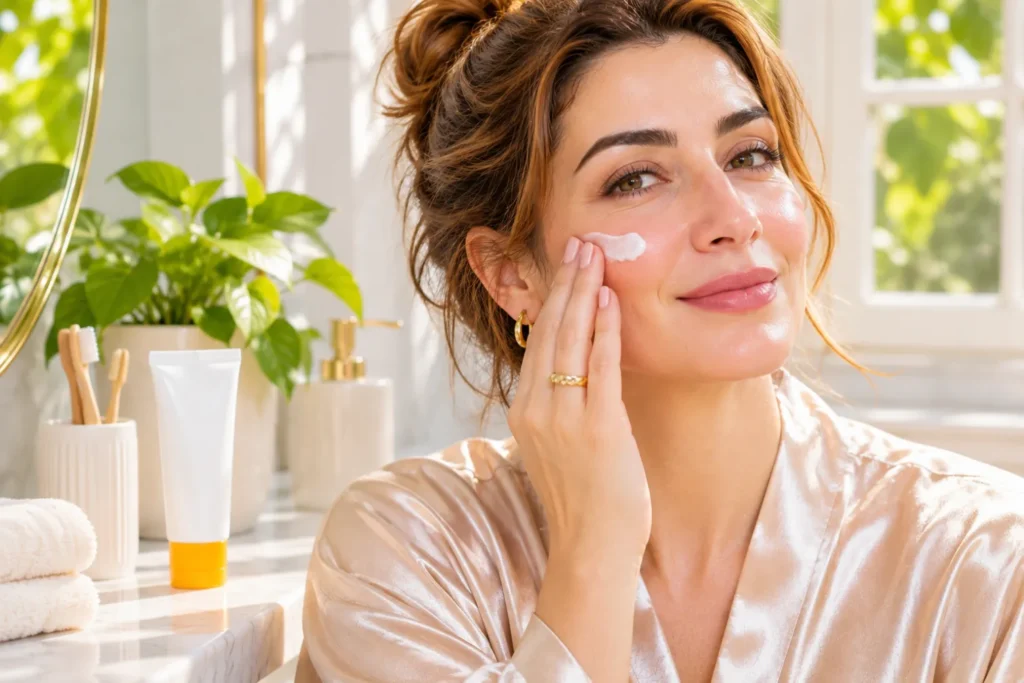
Picture a bottle of sunscreen sitting right next to your toothbrush, so it becomes part of the same morning moment.
Daily sun exposure is one of the biggest causes of visible aging, including dark spots, uneven tone, and fine lines. Sunscreen does not turn back time, but it protects the skin you have today. Look for a broad-spectrum formula with SPF 30 or higher, and use about a nickel-sized amount for your face and a little extra for your neck.
Here is the common mistake: skipping sunscreen on cloudy days or when you are mostly indoors. UVA rays pass through clouds and window glass. The fix is simple. Apply it every morning as your last skincare step, even if you are only working from your living room.
2. Start Retinol Slowly and Build Up
Imagine your nighttime routine with a pea-sized dot of retinol warming between your fingertips, then gliding over clean, dry skin.
Retinol is one of the most studied ingredients for smoothing the look of fine lines and uneven texture. It encourages faster skin renewal, which is why it can make skin look fresher over time. The catch is that it can cause dryness and peeling if you rush.
Most people jump in every night and then quit after a week of redness. Start with two nights a week, then move to every other night once your skin feels comfortable. Always follow with a moisturizer. Results take patience, usually a few months, so give it time before you decide whether it works for you. If you are pregnant or nursing, check with your doctor first.

3. Add Vitamin C for a Brighter Morning Glow
Think of vitamin C as the glow booster you tuck under your sunscreen.
Vitamin C is an antioxidant, which means it helps protect skin from everyday environmental stress. Many people use it to brighten dull skin and soften the look of dark spots. A serum with 10 to 15 percent vitamin C is a good starting range for most skin types, and many solid options cost between 15 and 30 dollars.
Store it in a cool, dark spot, because light and air can weaken it. If your serum turns dark orange or brown, it has likely oxidized and it is time for a fresh bottle. Apply two or three drops after cleansing and before moisturizer.
4. Moisturize to Plump Fine Lines
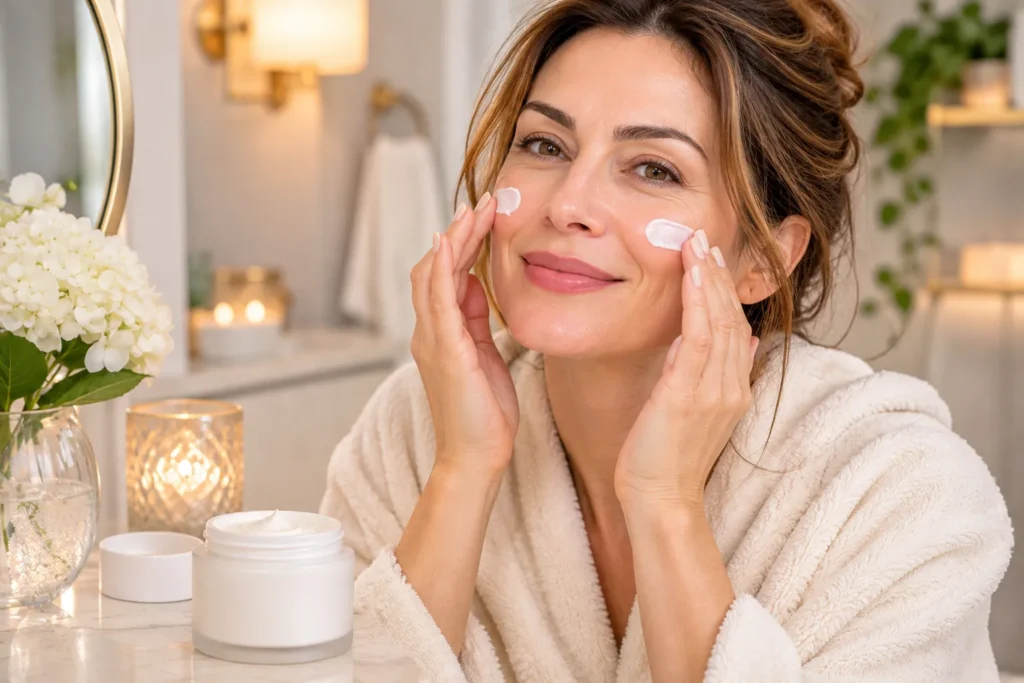
Dry skin makes tiny lines look deeper and sharper, much like a raisin next to a grape.
A good moisturizer holds water in your skin and helps your barrier stay strong. Look for ingredients like hyaluronic acid, ceramides, and glycerin. Hyaluronic acid works best on slightly damp skin, so pat your face lightly with water before you apply it.
One thing many people overlook is that oily skin still needs moisture. Skipping it can make your skin produce even more oil. Choose a light gel formula if you have oily or combination skin, and a richer cream if your skin feels tight by midday. Save this tip for the colder months, when indoor heating dries everything out.
5. Cleanse Gently Without Stripping Your Skin
Your cleanser should leave your face feeling soft and calm, never squeaky or tight.
Harsh cleansing wears down your skin barrier, and a damaged barrier shows up as dullness, redness, and more visible lines. Use a mild, fragrance-free cleanser with lukewarm water, since hot water pulls natural moisture from your skin.
The mistake here is scrubbing hard with rough tools or washing three or four times a day. Wash in the morning and again at night, using your fingertips in slow circles for about 30 seconds. If you wear makeup or sunscreen, a balm or oil cleanser first helps lift it without rubbing. For a rental-sized bathroom shelf and a small budget, one gentle cleanser around 10 dollars is plenty.

6. Use Gentle Exfoliation Once or Twice a Week
Skin that looks tired often just needs a little help clearing away the dull top layer.
Chemical exfoliants such as lactic acid or mandelic acid are usually kinder than gritty scrubs, because they dissolve dead cells instead of scratching the surface. Start once a week and watch how your skin responds.
More is not better here. Over-exfoliating leads to stinging, redness, and a shiny, tight look that actually makes skin appear older. If your face feels sore or burns when you apply moisturizer, take a full week off and focus on hydration. Do not use retinol and a strong exfoliating acid on the same night, especially when you are just starting out.

7. Protect Your Eye Area with Extra Care
The skin around your eyes is thinner than the rest of your face, so it shows tiredness and dryness first.
A dedicated eye cream is not always required, but a gentle, hydrating formula can make this delicate spot feel more comfortable. Look for peptides, caffeine, or hyaluronic acid. Use your ring finger to tap a tiny amount along the orbital bone, which is the bone you can feel around your eye socket.
Many people pull and tug the skin while applying products or removing makeup. Over time, that repeated stretching is not kind to delicate skin. Press and glide softly instead. Sunglasses with UV protection are also a simple and lovely way to protect this area when you head outside.

8. Sleep Well and Let Your Skin Repair Overnight
Think of your pillow as part of your skincare routine, not just a place to rest your head.
Your skin does a lot of its repair work while you sleep. Poor sleep can leave you with puffy eyes, dull skin, and a tired look that no concealer fully hides. Aim for seven to nine hours when you can, and keep a steady bedtime.
A small practical upgrade is a silk or satin pillowcase, which creates less friction against your cheeks and hair than rough cotton. Sleeping on your back also helps reduce pressure lines that form when your face is pressed into a pillow for hours. If you want a calm evening routine, wash your face, apply your treatment, and dim the lights for ten minutes before bed.

9. Eat and Drink for Skin That Looks Fresh
What you put on your plate shows up in the mirror over time.
Colorful fruits and vegetables, fatty fish, nuts, and olive oil provide antioxidants and healthy fats that support skin health. Drinking enough water helps you feel better overall, though it will not erase lines by itself. Think of it as supporting your skincare, not replacing it.
A common slip is relying on sugary snacks and sweet drinks when you are busy. Over time, a diet heavy in refined sugar may affect how your skin looks and feels. Try swapping just one daily snack for berries, almonds, or a juicy orange. It is a small change that fits any tight budget and builds up slowly.

10. Be Consistent and Keep Your Routine Simple
The best routine is the one you will actually follow on a tired Tuesday night.
Many women buy ten products at once, get irritated skin, and give up. A simple routine works better: gentle cleanser, one treatment, moisturizer, and sunscreen in the morning. Add one new product at a time and wait about two weeks before adding another so you can tell what is helping and what is not.
Take a quick photo in natural light once a month. Skin changes slowly, and a photo shows progress your mirror may miss. Bookmark this list so you can come back and add one new habit whenever you feel ready.

A Few Extra Habits That Support Aging Skin
Small daily choices add up quietly. Avoid smoking, since it is strongly linked to premature skin aging. Limit tanning beds completely. Wash your pillowcase weekly, and clean your phone screen so it does not press bacteria against your cheek. Treat your neck and chest like an extension of your face, because they show age just as clearly.
Conclusion
Aging is natural, and you do not need to fight it with fear or a cabinet full of products. The habits above help you feel more confident in your own skin, one calm morning and one cozy night at a time. Pick just one tip and try it this week, then add another when it feels easy. Save this article so it is waiting for you the next time you want a gentle skincare reset.
6. Image Alt Text Suggestions
- Woman applying daily sunscreen to her cheek in a bright bathroom for anti aging skin protection
- Pea-sized amount of retinol cream on a fingertip next to a small dropper bottle
- Amber vitamin C serum bottle with a dropper beside a sliced orange on a marble shelf
- Woman patting moisturizer onto her face to plump fine lines and support aging skin
- Gentle foaming cleanser massaged onto a woman’s cheek with water droplets on her fingers
- Liquid exfoliant bottle and cotton pad on a white tray for gentle weekly exfoliation
- Woman tapping eye cream under her eye with her ring finger in soft window light
- Bed with a champagne silk pillowcase and a soft bedside lamp for better skin repair sleep
- Flat lay of berries, almonds, and kiwi with a glass of water for healthy aging skin
- Simple four-step anti aging skincare routine lined up on a clean bathroom shelf
7. FAQ Section
At what age should I start anti aging skin care?
Your mid-20s is a good time to begin with sunscreen, gentle cleansing, and moisturizer. Active ingredients like retinol can come later, depending on your skin and goals. It is never too late to start, though.
What is the most important anti aging skin step?
Daily sunscreen matters most, because sun exposure is a major cause of visible skin aging. It protects the results of everything else you do.
Can I use retinol and vitamin C together?
Many people use vitamin C in the morning and retinol at night, which avoids irritation. If your skin is sensitive, start with one product and add the other slowly.
Do anti aging creams really work?
Products with proven ingredients like retinol, vitamin C, peptides, and sunscreen can improve the look of skin over time. They will not erase wrinkles overnight, so look for steady, realistic improvements over a few months.
How long does it take to see results from anti aging products?
Most people notice changes in hydration within days, and changes in texture or tone after eight to twelve weeks. Consistency matters more than adding more products.
Can natural remedies help with anti aging skin?
Gentle options like aloe, honey, and oat-based masks can soothe and hydrate skin. They support a good routine, but they do not replace sunscreen or proven treatments.
Want me to create the feature image (glamorous lady model, horizontal 3:2) plus detailed image generation prompts and alt tags for every image placement?


