

10 Sun Lotion Tips for a Glowing Summer Look
Summer rolls around and suddenly your skin has a whole new set of problems. One day you are glowing from a walk outside, and the next you are dealing with a sunburn you did not see coming or a greasy film that ruins your makeup. It is frustrating when you want that healthy, sun-kissed look without wrecking your skin in the process. The good news is that a few small changes to how you use sun lotion can make a huge difference. This article walks you through ten practical tips that will help you protect your skin and still get that natural summer glow you are after.
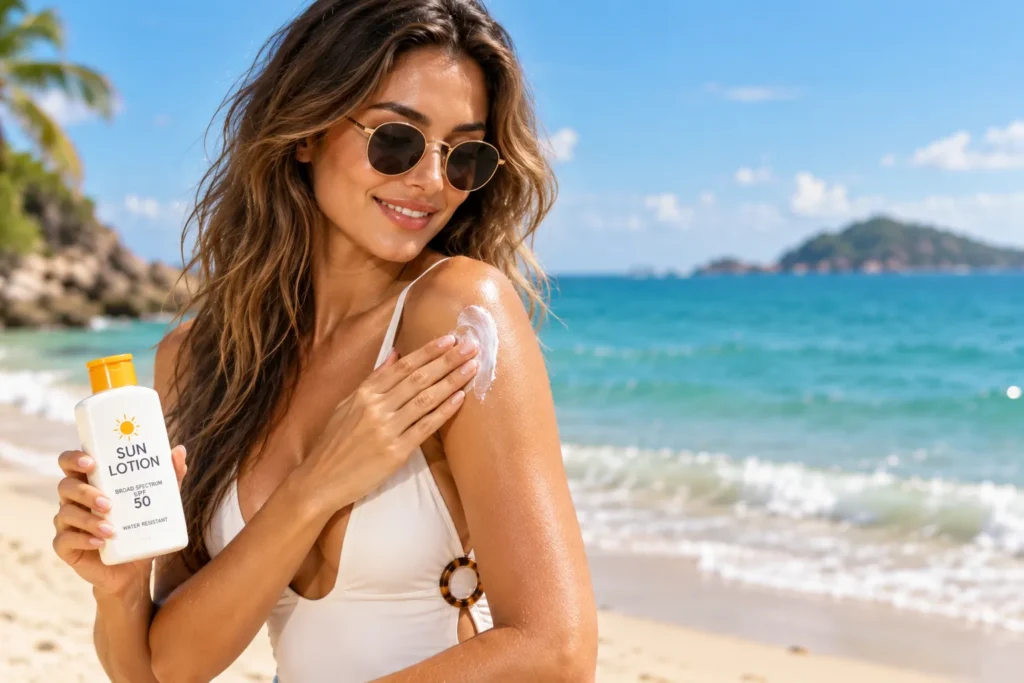
1. Choose the Right SPF for Your Skin Type
Not every sun lotion works the same way on every skin type, and that is where a lot of people go wrong. If your skin leans oily, a heavy, cream based SPF 50 might feel like too much by noon. If you tan easily and rarely burn, you might get away with a lighter SPF 30 for daily wear, but anyone who is fair skinned or spends real time outdoors should stick with SPF 50 or higher. The mistake most people make is grabbing whatever is on sale instead of checking the formula against their actual skin needs. A gel based sun lotion works well for oily or acne prone skin, while a creamy lotion suits dry skin that needs extra moisture. Think about a beach vacation versus a quick school run. The vacation calls for stronger, water resistant protection, while the school run can work with a lighter daily formula.
2. Apply More Than You Think You Need
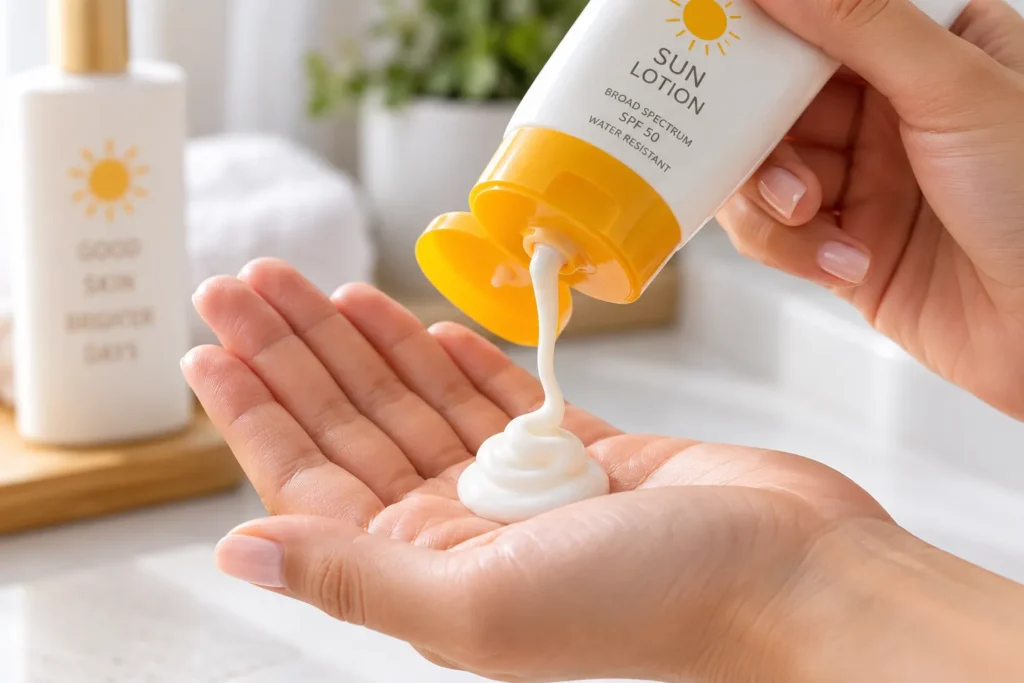
Most people apply about half the amount of sun lotion they actually need, which cuts the SPF protection way down. A common mistake is squeezing out a small dab and rubbing it in thin, thinking it will spread far enough to cover everything. The correct approach is to use about one ounce, roughly a shot glass full, to cover your entire body, and a nickel sized amount just for your face and neck. For a beach day, that might mean going through a bottle faster than expected, but that is exactly what proper protection looks like. Skimping on sun lotion is one of the most common reasons people still burn even after remembering to apply it.
3. Apply It 15 to 30 Minutes Before Sun Exposure
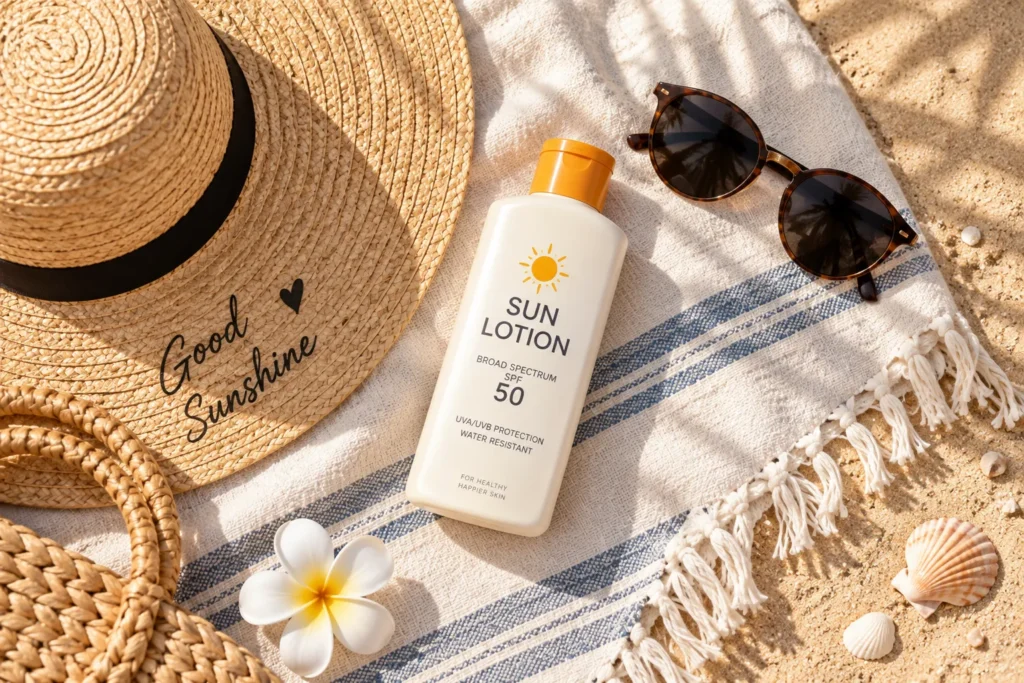
Sun lotion needs time to bind to your skin before it starts working at full strength. If you put it on right as you step outside, you are walking into UV rays with only partial protection. Try applying it while you are still getting ready, packing your bag, or finishing breakfast, so it has time to settle in. This matters most on days with intense sun, like a midday pool party or a hike that starts right after lunch. Giving your skin that short window before exposure means you are not playing catch up once you are already outside.
4. Do Not Forget These Often Missed Spots
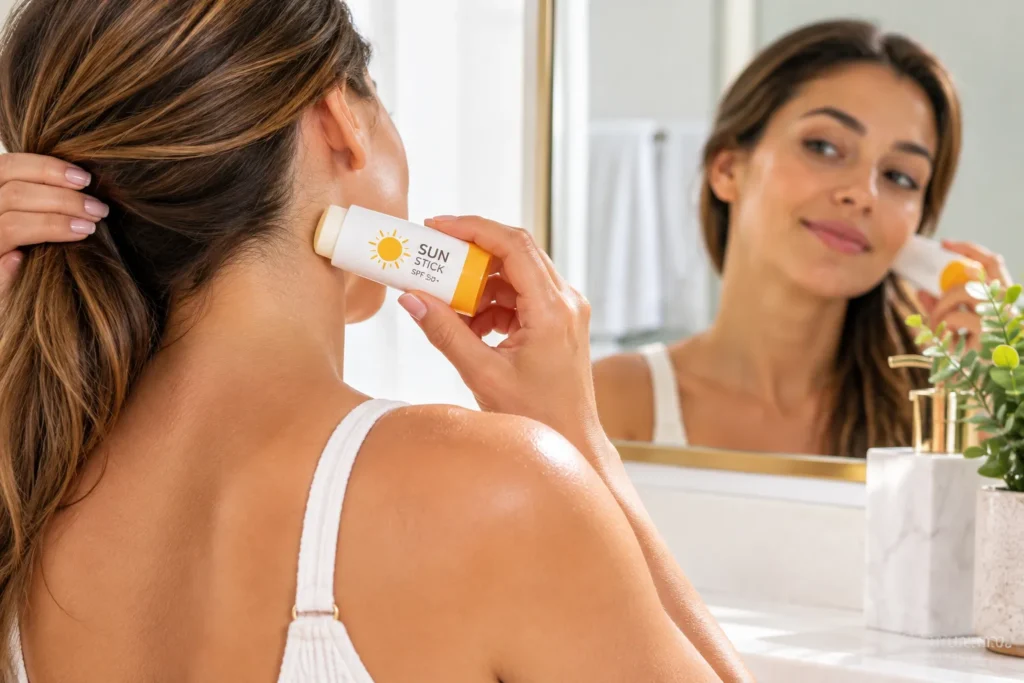
Ears, the back of the neck, tops of the feet, and the part in your hair are some of the most commonly missed areas when applying sun lotion. These spots burn just as easily as your arms or face, but they get skipped because they are harder to reach or just easy to forget. For a beach day or an outdoor event where you will be exposed for hours, take an extra minute to cover these areas specifically. A stick formula works great for ears and the part in your hair since it applies precisely without a mess. This small habit prevents those awkward, painful sunburn patches that show up in places you never expect.
5. Reapply Every Two Hours, Even on Cloudy Days
One of the biggest myths about sun lotion is that clouds block UV rays. They do not. Up to 80 percent of UV radiation still reaches your skin on an overcast day, which is why so many people end up with a surprise sunburn after a “cloudy” beach trip. Reapplying every two hours is the standard rule, but if you are swimming or sweating heavily, cut that time shorter. Set a reminder on your phone if you tend to lose track of time outdoors. This habit alone prevents most of the sun damage that builds up over a summer of casual reapplication.
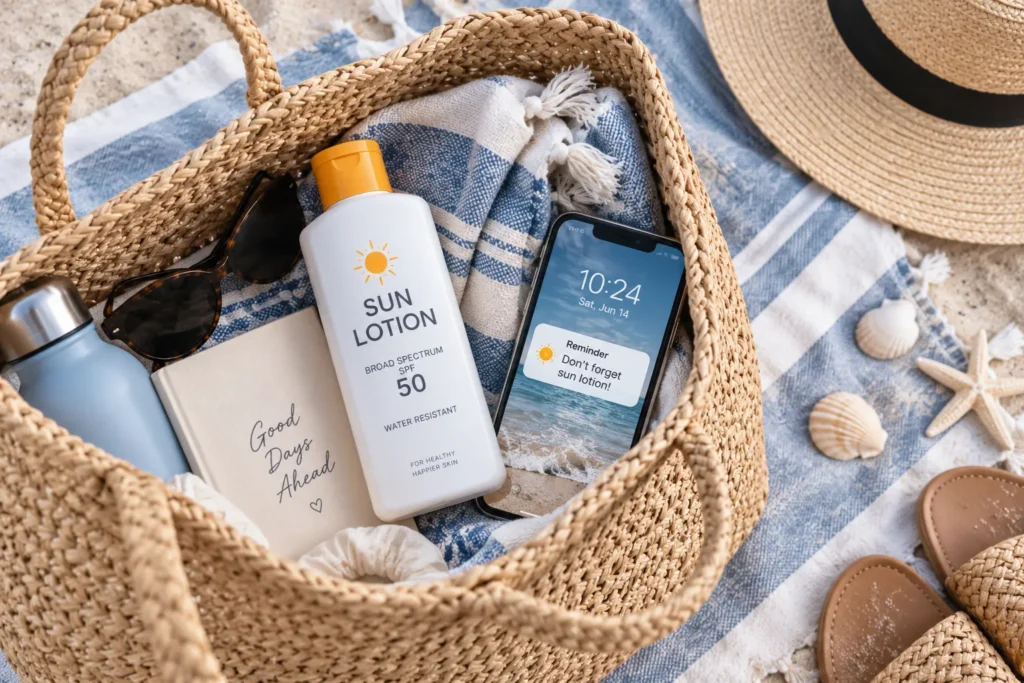
6. Layer Sun Lotion Under Makeup the Right Way
Wearing sun lotion under makeup does not have to mean a greasy, sliding mess by noon. The trick is to let your sun lotion fully absorb for a few minutes before applying anything else, then use a lightweight, non comedogenic formula so it does not clash with foundation or tinted moisturizer. A common mistake is applying makeup immediately after sun lotion, which causes pilling and a patchy finish. For everyday wear, look for a sun lotion labeled as a “primer friendly” or “matte finish” formula. This makes it much easier to get smooth, glowing coverage that lasts through a workday or a lunch date outside.
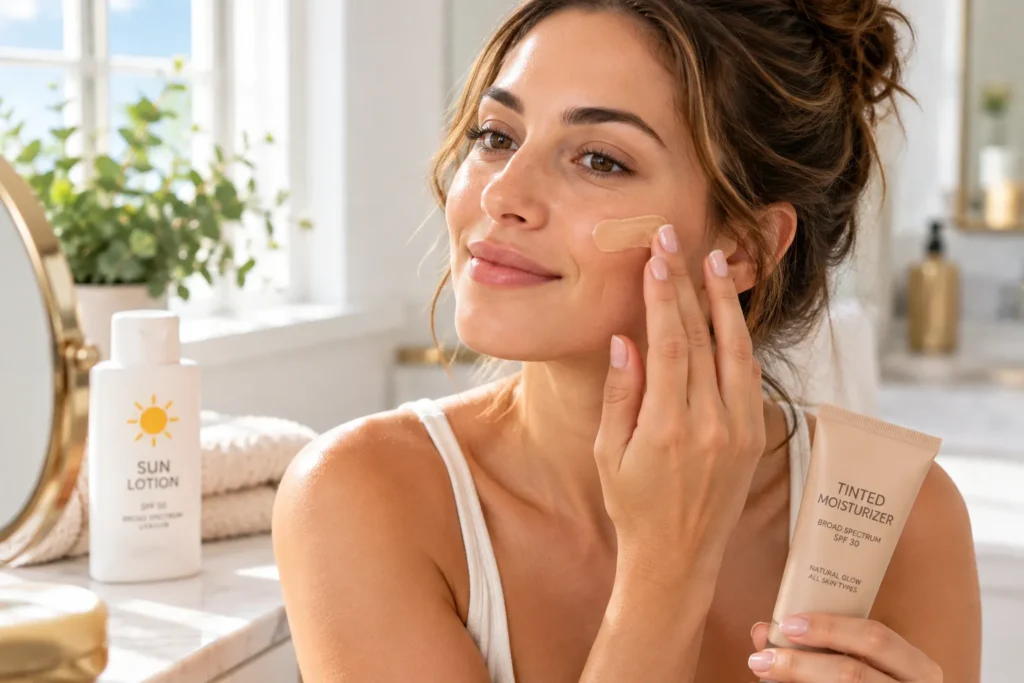
7. Pick a Formula That Matches Your Activity
Sun lotion is not one size fits all when it comes to activity level. A water resistant, sweat proof formula is a must for swimming, running, or any outdoor workout, while a lighter lotion works fine for a relaxed day of errands or reading in the backyard. The mistake many people make is using a basic daily lotion during high sweat activities, which wears off far faster than the label suggests. For a beach vacation or an intense outdoor workout, look specifically for “water resistant for 80 minutes” on the label, and reapply right after toweling off. Matching the formula to what you are actually doing keeps your protection consistent instead of fading halfway through the day.

[INTERNAL LINK OPPORTUNITY: best sunscreen for sweat and sports]
8. Store Your Sun Lotion Correctly to Keep It Effective
Heat breaks down the active ingredients in sun lotion faster than most people realize, which means that bottle sitting in your car all summer might not be working as well as you think. A common mistake is leaving sun lotion in a hot car, a beach bag in direct sun, or a bathroom windowsill for months at a time. Store it in a cool, dry place, and check the expiration date before every summer season starts, since most formulas only last about a year once opened. If the texture has separated, changed color, or smells different than usual, it is time to toss it and buy a fresh bottle. This one detail can be the difference between real protection and a false sense of security.
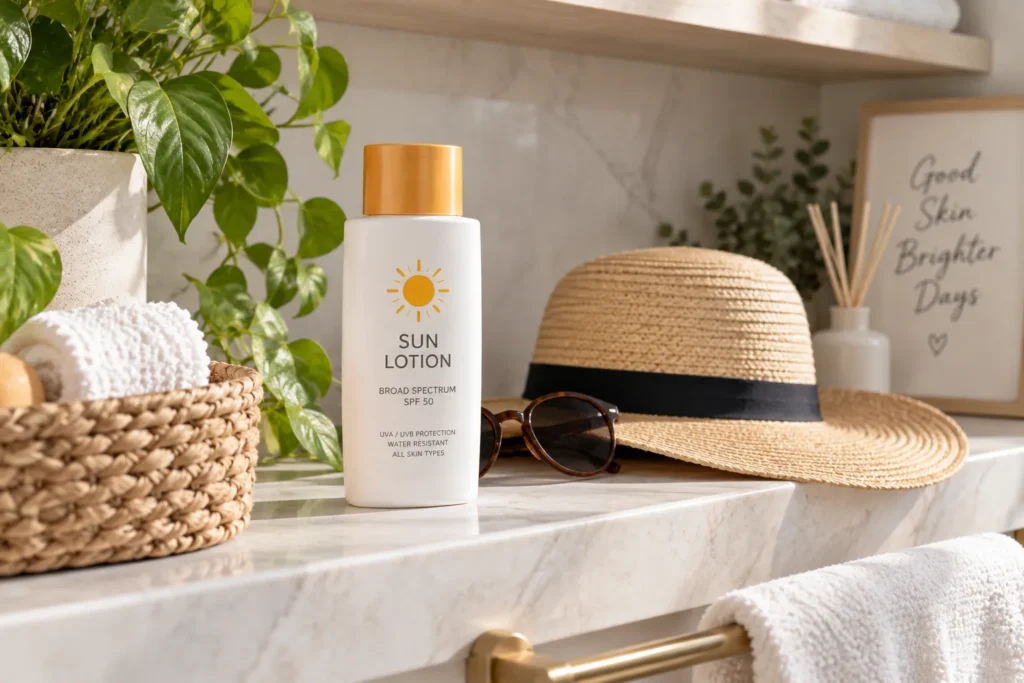
9. Use a Lip Balm With SPF Too
Lips are skin too, and they burn just as easily as your cheeks or shoulders, yet almost nobody thinks to protect them the same way. A lip balm with SPF 15 or higher applied alongside your regular sun lotion covers this often forgotten spot. This matters most on days at the beach, on a boat, or skiing in winter sun, where reflection off water or snow intensifies exposure. Keep one in your bag next to your sun lotion so it becomes part of the same routine instead of an afterthought. Over time, this small habit protects against the dryness and peeling that comes from repeated sun exposure on unprotected lips.
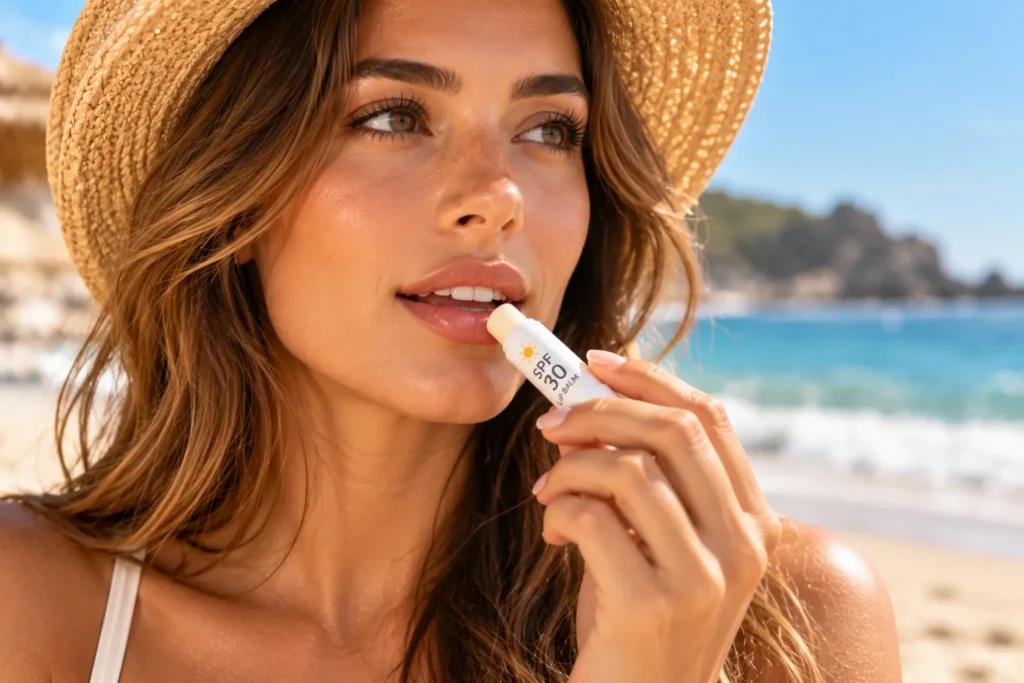
10. Let Your Sun Lotion Work With Your Skin, Not Against It
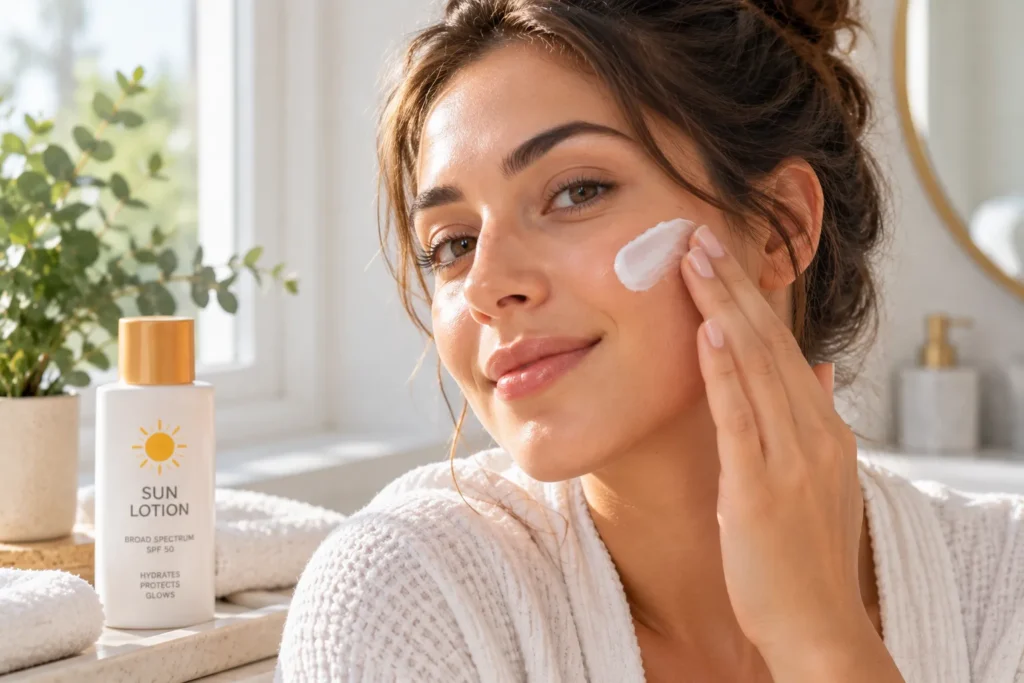
The best summer glow comes from healthy, hydrated skin underneath your sun lotion, not from the lotion alone. Pair your SPF with a light daily moisturizer if your skin runs dry, or a hydrating serum with ingredients like hyaluronic acid before applying sun lotion on top. A common mistake is treating sun lotion as a stand alone step instead of part of a full routine, which can leave skin looking flat or dull even with good protection. For a natural, dewy summer look, choose a sun lotion with a slight sheen finish rather than a heavy matte one. This combination gives you protected skin that also looks and feels its best all season long.
[INTERNAL LINK OPPORTUNITY: daily skincare routine for glowing summer skin]
A Quick Word Before You Go
Summer skin does not have to be a trade off between protection and glow. Once you get these small habits down, sun lotion stops feeling like a chore and starts feeling like part of your everyday self care. Try picking just one or two of these tips to start with this week, whether that means setting a reapplication reminder or finally grabbing an SPF lip balm. Your skin will thank you later, and you will get to enjoy your summer without worrying about the damage catching up to you. Save this article so you have it ready before your next beach day or outdoor plan.
Image Alt Text Suggestions
- Woman applying sun lotion to her shoulder at the beach in summer
- Hand squeezing a generous amount of sun lotion for full body coverage
- Sun lotion, sun hat, and sunglasses laid out before sun exposure
- Applying SPF stick to ears and neck to avoid missed sunburn spots
- Beach bag with sun lotion and phone reminder for reapplication
- Applying tinted moisturizer over sun lotion for a smooth makeup base
- Woman jogging outdoors with water resistant sun lotion applied
- Sun lotion stored on a cool shaded shelf to preserve effectiveness
- Applying SPF lip balm at the beach for full lip protection
- Glowing hydrated skin after applying sun lotion in morning light
FAQ Section
Is sun lotion the same as sunscreen?
Yes, sun lotion and sunscreen are generally the same product, just different names used in different regions. Both refer to a product designed to protect skin from UV rays using either chemical or mineral filters.
How much sun lotion should I actually use?
Most people should use about one ounce, roughly a full shot glass, to cover their entire body, plus a nickel sized amount for the face and neck. Using less than this significantly reduces the SPF protection you are actually getting.
Do I need sun lotion on cloudy days?
Yes, up to 80 percent of UV rays still pass through clouds, so skin can burn even without direct sunlight. Daily application should not depend on whether the sun is visible.
Can sun lotion cause breakouts?
Some heavier, oil based formulas can clog pores and lead to breakouts, especially for oily or acne prone skin. Choosing a gel based or non comedogenic sun lotion usually solves this problem.
How often should I reapply sun lotion?
Every two hours is the general rule, but swimming, sweating, or toweling off should trigger an earlier reapplication. Water resistant formulas still wear off faster than the label suggests once you towel dry.
Does old sun lotion still work?
Sun lotion loses effectiveness after its expiration date, and heat exposure can break it down even faster. If the texture or smell has changed, it is best to replace the bottle rather than risk reduced protection.


