
10 Skin Food Habits for Beautiful Glowing Skin
You have the serums, the moisturizer, and the nightly routine, yet your skin still looks tired and dull by afternoon. It is frustrating to put in so much effort on the outside when something may be missing on your plate. The good news is that skin food does not mean strict diets or expensive superfoods. A few small habits, repeated often, can help your skin look fresher over time. Here are ten simple, realistic habits to start with.
A quick note before we begin: food supports healthy skin, but it does not replace skin care, sun protection, or advice from a doctor or dermatologist. Think of these habits as a helpful partner to your routine.
1. Start Your Morning With a Big Glass of Water
Picture a tall glass of water sitting next to your bathroom sink, waiting for you before the coffee even starts brewing.
Skin is made of cells that need water to stay plump and flexible. When you are low on fluids, skin can look dull and feel tight. Drinking water first thing replaces what you lose overnight and sets a healthy tone for the day.
Many people grab coffee first and forget water until dinner. Fix this by filling a bottle the night before and keeping it where you will see it. If plain water bores you, add cucumber slices or a few mint leaves. A good use case is busy workdays, when you barely sit down. A bottle on your desk does the reminding for you.

2. Build a Colorful Plate With Skin Food Staples
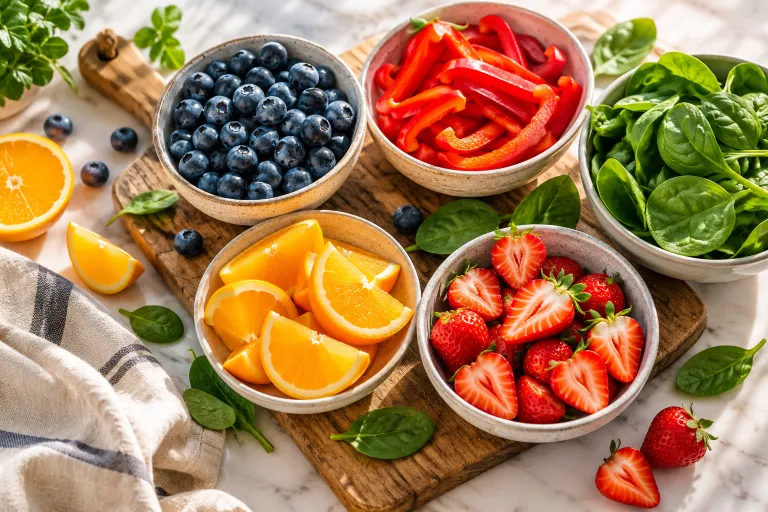
Think of your plate as a paint palette: red bell peppers, orange carrots, deep green spinach, and purple berries.
Brightly colored fruits and vegetables are rich in antioxidants and vitamin C. Vitamin C plays a role in collagen production, which helps keep skin firm. Tomatoes, citrus, strawberries, and leafy greens are easy everyday picks.
Most people eat the same two or three vegetables on repeat. Try adding one new color to each meal instead of overhauling everything. For example, toss a handful of blueberries on your breakfast oats or slice red pepper into your lunch wrap. Frozen berries are a budget-friendly choice that works just as well as fresh.
3. Add Healthy Fats to Your Skin Food Rotation
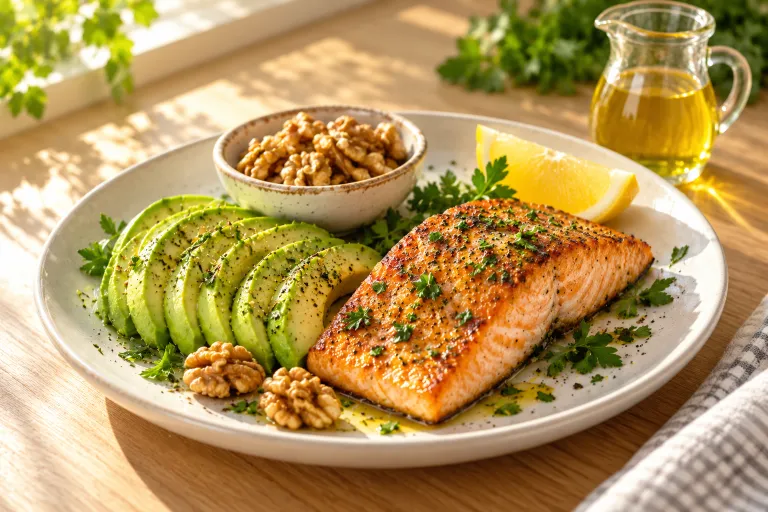
Imagine creamy avocado spread over toast, with a few crushed walnuts on top.
Healthy fats help support your skin’s natural barrier, the layer that holds in moisture. Omega-3 fats from salmon, sardines, walnuts, chia seeds, and flaxseed are especially popular for this reason. Olive oil and avocado are also great everyday choices.
A common mistake is cutting all fat when trying to eat “clean.” That can leave skin feeling dry and rough. The fix is simple. Aim for a small portion of healthy fat at most meals, like a drizzle of olive oil on salad or a quarter of an avocado with eggs. Salmon twice a week fits many budgets and schedules.
4. Eat Protein at Every Meal
Skin is built from proteins, so a breakfast of only toast and jam leaves your body short on building blocks.
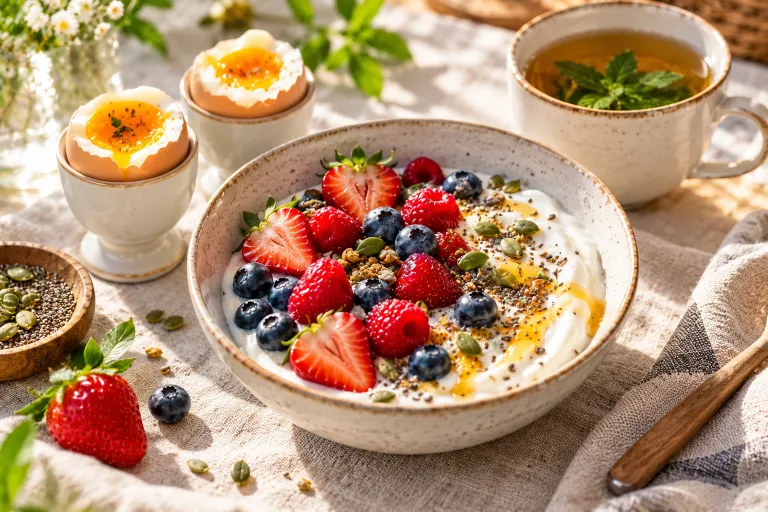
Protein provides amino acids that your body uses to repair and renew skin, hair, and nails. Eggs, Greek yogurt, beans, lentils, fish, chicken, and tofu all work well.
If you usually skip protein at breakfast, that is the easiest place to start. Stir a spoonful of nut butter into oatmeal, or scramble two eggs with spinach. On a tight budget, canned beans and lentils are cheap, filling, and simple to prep ahead. Write this one on your fridge list, because it quietly supports every other habit here.
5. Swap Sugary Snacks for Smarter Skin Food
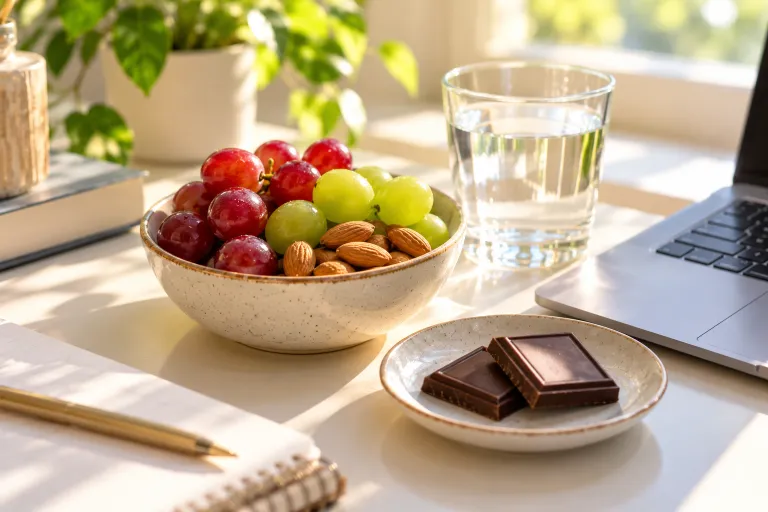
Instead of reaching for the candy jar at 3 p.m., imagine a small bowl of grapes and almonds waiting on your desk.
Some research suggests that diets high in refined sugar may be linked to more breakouts and faster visible aging in some people. Results vary from person to person, so treat this as a gentle nudge, not a rule.
Many people try to quit sugar overnight and give up within days. A kinder approach is to swap one snack at a time. Trade the afternoon cookie for fruit with nut butter, or a square of dark chocolate with a handful of nuts. Pairing sweetness with protein or fat keeps you full longer and helps avoid the sugar crash.
6. Choose Whole Grains for Steadier Energy
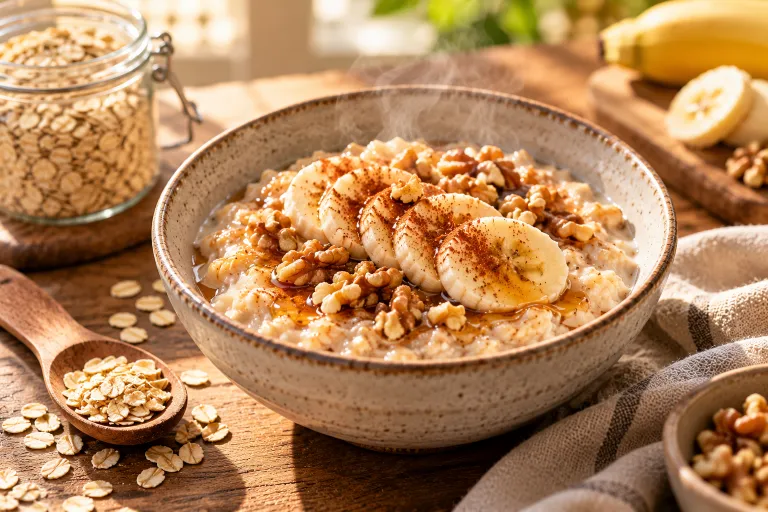
A warm bowl of oatmeal topped with cinnamon looks cozy, and it may do more for your skin than a pastry from the café.
Whole grains like oats, brown rice, quinoa, and whole wheat bread digest more slowly than refined white flour. This keeps blood sugar steadier, and some people find their skin calmer when they eat this way. Whole grains also give you fiber, which supports healthy digestion.
You do not need to ban white bread forever. Start by swapping one item, such as white rice for brown rice a few nights a week. A good use case is meal prep. Cook a big batch of quinoa on Sunday and use it in salads and bowls all week.
7. Make Room for Gut-Friendly Skin Food
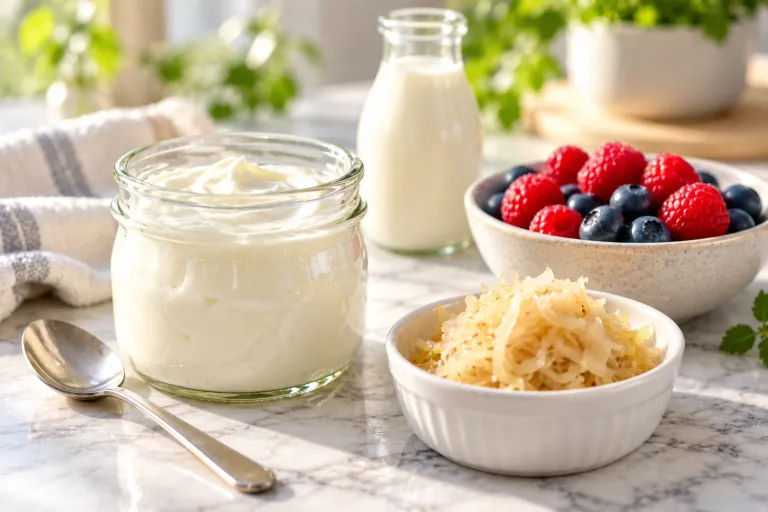
Yogurt with fruit, a small bowl of kimchi, or a glass of kefir can be an easy, tasty daily habit.
Researchers are still exploring the link between gut health and skin, but early findings are interesting. Fermented foods and fiber-rich foods feed the helpful bacteria in your digestive system, and many people feel better overall when they eat them.
If you are new to fermented foods, go slowly. A big serving on day one can upset your stomach. Start with a spoonful of plain yogurt or sauerkraut and build up. Look for labels that say “live and active cultures,” and choose plain versions to avoid hidden sugar.
8. Sip Green Tea or Herbal Tea Daily
A warm mug of green tea on a quiet afternoon feels like a tiny reset button.
Green tea contains plant compounds called polyphenols, which are studied for their antioxidant properties. Herbal teas like chamomile, mint, and rooibos can also help you drink more fluids without added sugar.
Skip the bottled sweetened versions, which often hide a lot of sugar. Brew your own and let it cool for iced tea in warmer months. One note: green tea has caffeine, so if you are sensitive, enjoy it earlier in the day. This is a lovely swap if you are cutting back on sugary drinks.

9. Snack on Zinc and Vitamin E Skin Food
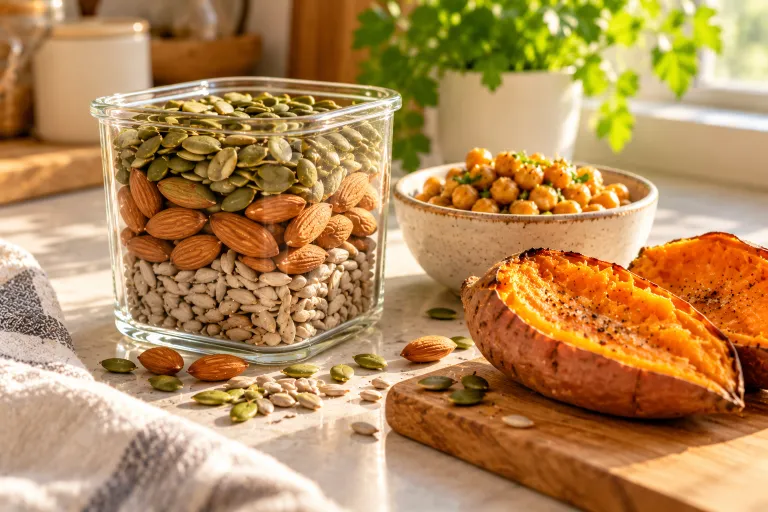
A small handful of pumpkin seeds and almonds in your bag is an easy, portable habit.
Zinc supports normal skin repair, and vitamin E is another antioxidant found in nuts and seeds. Pumpkin seeds, sunflower seeds, almonds, chickpeas, and sweet potatoes are good sources.
Before you buy supplements, look at your plate first. Getting nutrients from food is usually safer, because high-dose supplements can cause side effects. If you think you may be low in something, ask your doctor and get proper advice. A good use case is for busy days. Pack a small container of mixed seeds and nuts for the car or office.
10. Plan, Prep, and Stay Consistent With Skin Food
Open the fridge on Sunday and picture a row of washed berries, chopped vegetables, and boiled eggs ready to grab.
Skin renews itself in cycles, so good habits show best when you stick with them. One perfect salad will not change your face, but a few weeks of steady, balanced eating may help your skin look healthier overall.
The biggest mistake is going all in for three days and then burning out. Instead, pick two habits from this list and practice them for two weeks before adding more. Keep a simple list on your phone. You will thank yourself the next time you wonder what to buy at the store. Pair your habits with daily sunscreen, since food cannot replace sun protection.

Final Thoughts
We all know the feeling of staring in the mirror and wishing our skin looked more rested. The truth is that glowing skin is rarely about one magic product. It grows from small, kind habits you repeat on ordinary days. Choose one or two ideas that feel easy, try them this week, and see how your body responds. Pin this list so it is ready for your next grocery trip.
Image Alt Text Suggestions
- Tall glass of water with cucumber and mint slices beside a bright bathroom sink
- Bowl of berries, sliced red peppers, spinach, and orange wedges on a kitchen counter
- Plate with salmon, sliced avocado, and walnuts as healthy fats for glowing skin
- Greek yogurt breakfast bowl with berries and seeds for protein-rich skin food
- Bowl of grapes, almonds, and dark chocolate as a smart afternoon snack
- Bowl of oatmeal with banana, walnuts, and cinnamon for steady energy
- Jar of plain yogurt with sauerkraut and berries as gut-friendly skin food
- Glass mug of green tea with a lemon slice on a sunny windowsill
- Container of pumpkin seeds, almonds, and sunflower seeds next to a sweet potato
- Fridge shelf with meal-prepped vegetables, berries, and boiled eggs
FAQ
1. What is the best skin food for glowing skin?
There is no single best food. A mix of colorful fruits and vegetables, healthy fats like salmon and avocado, protein, and plenty of water gives your skin a wide range of nutrients.
2. How long does it take for diet changes to show on your skin?
Skin renews itself roughly every few weeks, so many people notice changes after several weeks of steady habits. Results differ from person to person.
3. Can food really clear acne?
Food alone will not clear acne, but some people find that limiting sugary foods and eating more whole foods helps. If you have persistent or painful breakouts, see a dermatologist.
4. Is drinking more water enough for hydrated skin?
Water helps, but it works best alongside healthy fats, fruits, vegetables, and a good moisturizer. Skin hydration depends on both what you eat and how you care for your skin barrier.
5. Do I need supplements for healthy skin?
Most people can get what they need from a balanced diet. Talk to your doctor before taking supplements, especially in high doses.


