

10 Facial Moisturizer Mistakes to Avoid Today
You moisturize every single day. Morning and night, without fail. So why does your skin still feel tight by lunchtime, or shiny in some spots and flaky in others?
Here is the honest truth. It is rarely about the product itself. Most of the time, it is a small habit around how you use your facial moisturizer that quietly cancels out all the good it could be doing.
This guide walks through the ten mistakes that trip up even people who are careful about their skin care routine. By the end, you will know exactly what to change, and none of it requires buying anything new.
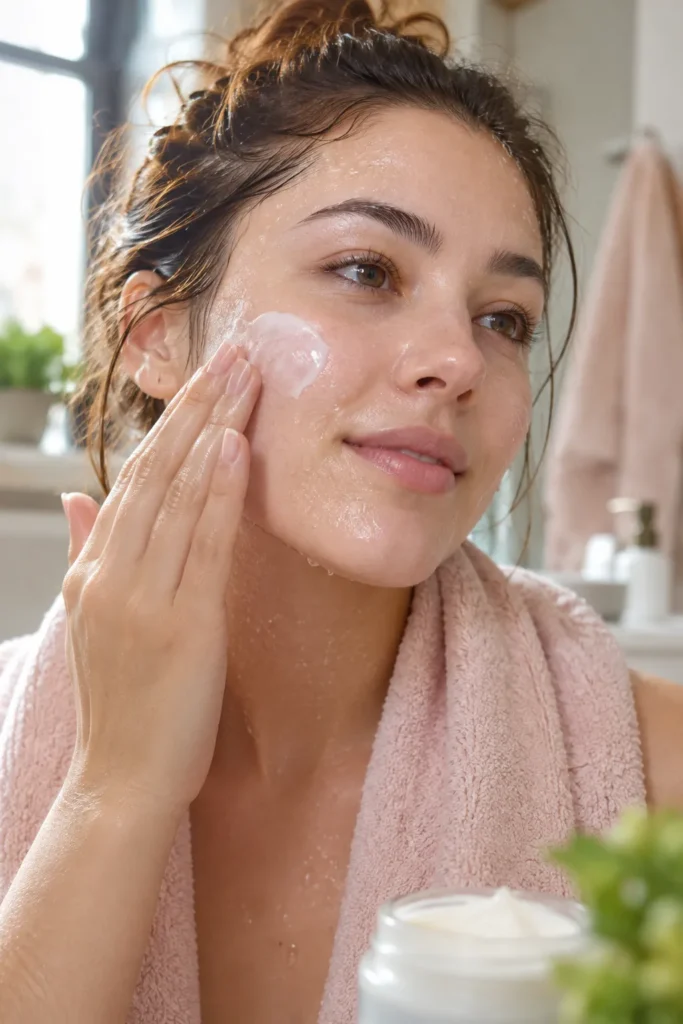
1. Applying Moisturizer to Dry Skin Instead of Damp Skin
This one small timing mistake changes everything about how well your moisturizer works. When you smooth cream onto completely dry skin, most of it just sits on the surface instead of sinking in.
The fix is simple. Apply your facial moisturizer within a couple of minutes after washing your face or applying a toner, while your skin is still slightly damp. That leftover moisture acts like a magnet, helping the product lock hydration into your skin instead of just coating the top layer.
This works especially well for anyone with normal to dry skin who feels like their moisturizer disappears within an hour. Try it tonight after your cleanser and you will likely notice softer skin by morning.
2. Using the Same Formula All Year Round
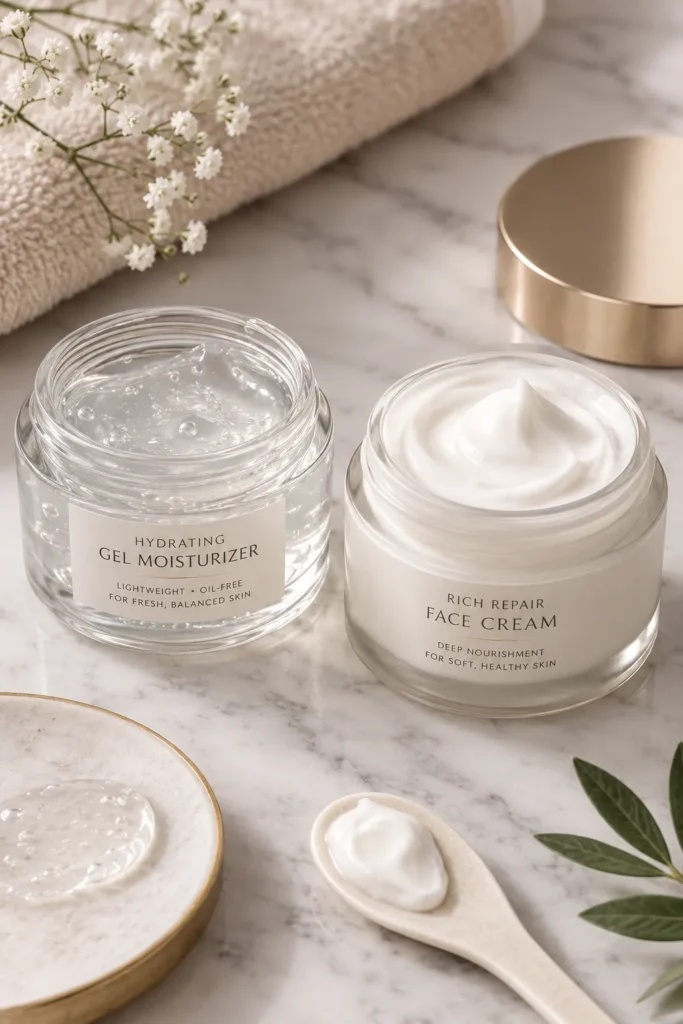
Your skin does not stay the same in July as it does in January, so why would one facial moisturizer formula work equally well in both seasons? A rich, heavy cream that feels perfect in winter can leave summer skin greasy and prone to breakouts.
The common mistake here is loyalty to a single jar out of habit. The fix is building a small seasonal rotation. In colder months, look for something with shea butter or ceramides to fight dryness. In warmer months, switch to a lighter, gel based moisturizer that still hydrates without feeling heavy.
This matters most for combination skin types, since they feel seasonal shifts the hardest. A budget friendly gel moisturizer for summer paired with a richer cream for winter costs less than most people think and makes a noticeable difference.
3. Skipping Moisturizer Because Your Skin Feels Oily
This is one of the most misunderstood habits in skin care. Oily skin still needs hydration, and skipping moisturizer can actually make oiliness worse, not better.
Here is why. When skin feels dehydrated, it often produces more oil to compensate. That extra shine you are trying to avoid might actually be caused by not moisturizing enough, not by moisturizing too much.
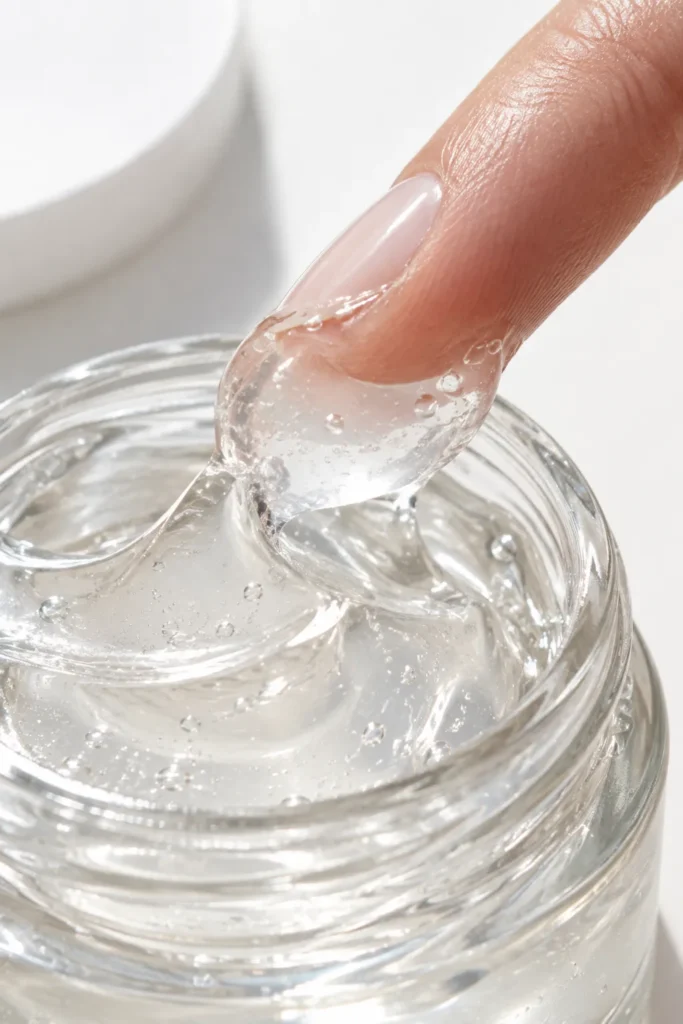
The fix is choosing a lightweight, oil free facial moisturizer with a gel or lotion texture instead of skipping this step entirely. Look for the word noncomedogenic on the label, which means it will not clog pores. This use case fits anyone dealing with shine by midday who assumed cutting moisturizer was the answer.
[INTERNAL LINK OPPORTUNITY: best lightweight moisturizers for oily skin]
4. Using Too Much Product at Once
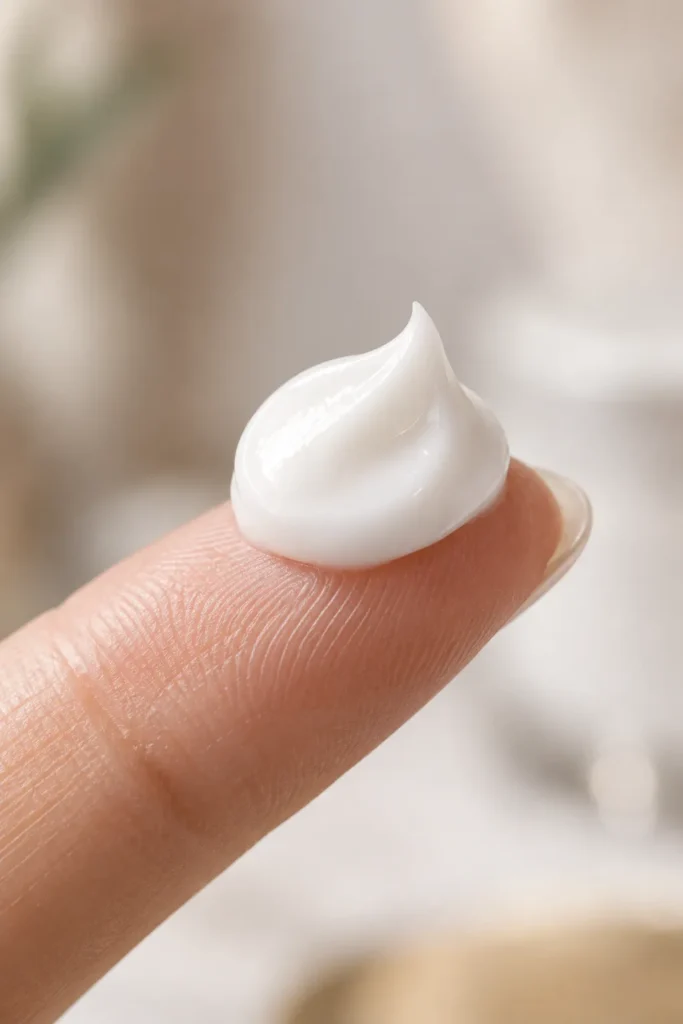
More is not always better, especially with facial moisturizer. Piling on a thick layer does not mean deeper hydration. It usually just means product sitting on top of your skin, feeling heavy, and eventually rubbing off onto your pillow or collar.
A pea sized amount is enough for most faces. If you have a larger face or naturally drier skin, you might need slightly more, but doubling up rarely helps and often clogs pores or causes that dreaded pilling under makeup.
This is especially worth fixing if you find your moisturizer feels greasy no matter what you buy. The problem might not be the formula at all. It might just be the amount.
5. Rubbing Instead of Pressing Product In
The way you physically apply your moisturizer changes how well it absorbs. Rubbing back and forth pulls at the skin and can actually push product around instead of into it, especially around the delicate eye area.
Instead, try gently pressing the product into your skin using your fingertips, working from the center of your face outward. This gentler motion helps the moisturizer settle into the skin and can reduce unnecessary tugging that contributes to fine lines over time.
This small shift matters most for anyone starting to notice early signs of aging around the eyes and mouth, since that skin is thinner and more sensitive to rough handling.

6. Forgetting Your Neck and Jawline
Your face gets all the attention, but your neck often shows signs of dryness and aging just as fast, sometimes faster. Skipping it during your moisturizing routine creates a visible line of difference between smoother facial skin and a neglected neck.
The fix takes ten extra seconds. Sweep your leftover facial moisturizer down over your jawline and neck every time you apply it to your face. You do not need a separate neck cream unless you want one. Consistency matters more than a specialized product here.
This is a save worthy tip because it is so easy to forget, yet it makes a real visible difference within a few weeks for most people.

7. Choosing Moisturizer Based on Trends Instead of Skin Type
A moisturizer that works beautifully for someone else on Pinterest might do very little for your skin, or even irritate it. Ingredients that trend online, like certain acids or fragrance heavy formulas, are not automatically right for every skin type.
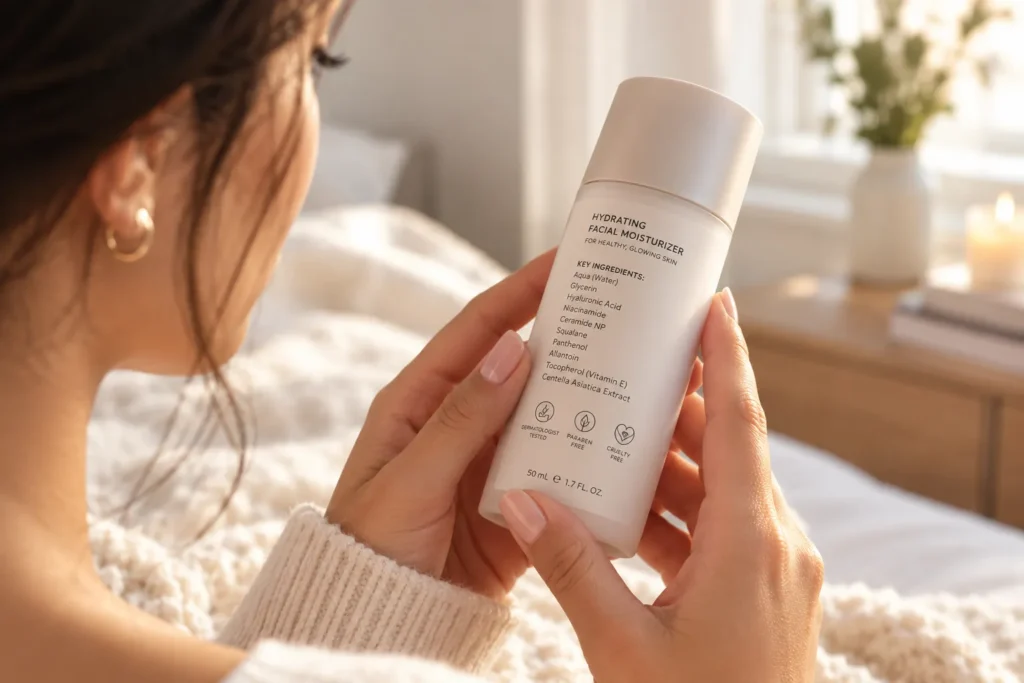
The mistake is picking based on packaging or popularity rather than your actual skin needs. The fix is checking the ingredient list against your skin type before buying. Dry skin benefits from ingredients like hyaluronic acid and glycerin. Sensitive skin does best with fragrance free formulas. Oily and acne prone skin should look for noncomedogenic labeling.
This applies to everyone, but it is especially important for sensitive skin, where a trendy ingredient can trigger redness or breakouts within days.
8. Applying Moisturizer Before Sunscreen in the Wrong Order
Layering order matters more than most people realize. Applying sunscreen before moisturizer, or mixing the two together in your palm, can dilute both products and reduce how well either one works.
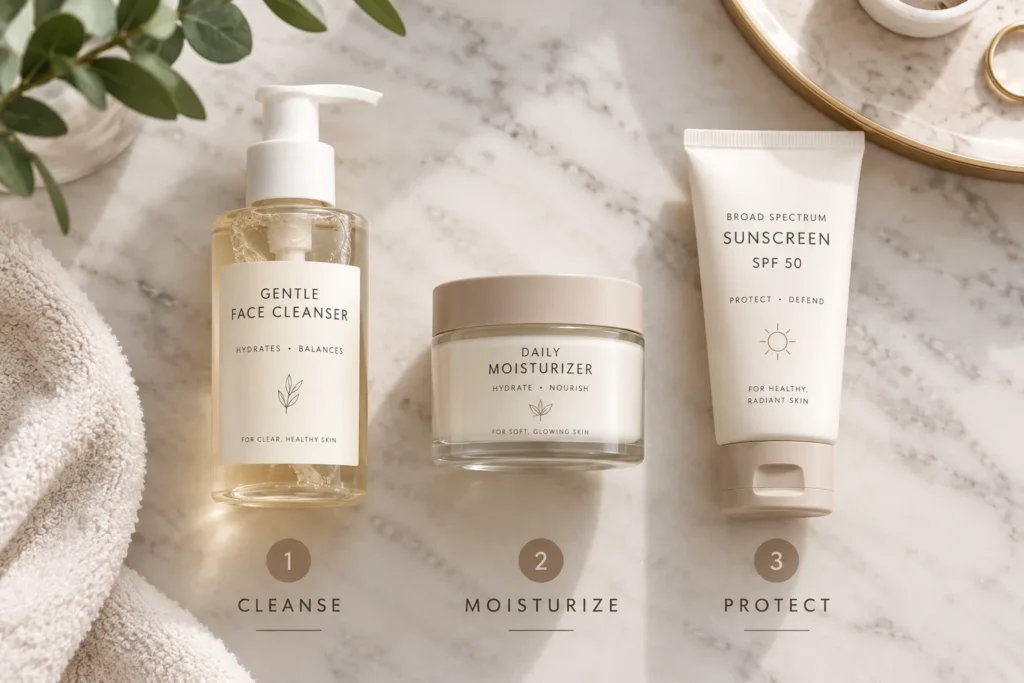
The correct order is cleanser, then any treatment products, then moisturizer, then sunscreen as your final step in the morning. Give your moisturizer a minute or two to absorb before applying sunscreen on top so each layer can do its job properly.
This mistake is common among people who are new to building a full routine and assume all products can go on in any order. Getting this sequence right protects both your hydration and your sun protection.
9. Ignoring the Difference Between Day and Night Formulas
Daytime skin needs protection from environmental stress. Nighttime skin is in repair mode. Using the exact same heavy night cream in the morning under makeup, or a light daytime lotion at night when your skin could use deeper repair, means you are missing out on what each formula is designed to do.
A day formula is often lighter and sometimes includes antioxidants to help defend against daily exposure. A night formula tends to be richer and may include ingredients that support skin renewal while you sleep. You do not need expensive separate products, but paying attention to when you apply which formula makes a real difference over time.
This matters most for anyone trying to build a more intentional nighttime routine, since sleep is when skin does much of its natural repair work.

10. Giving Up Too Soon If You Do Not See Instant Results
This last mistake is not about application. It is about expectations. Facial moisturizer is not a quick fix. Visible improvements in texture and hydration usually take a few weeks of consistent use, not a few days.
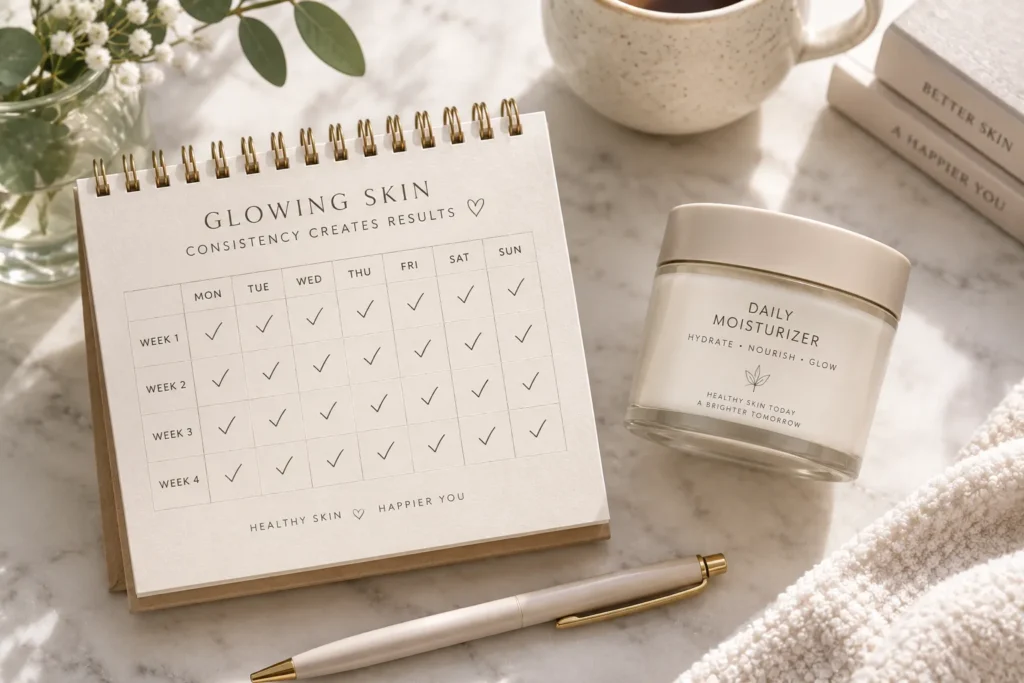
Switching products every week because you do not see overnight results is one of the most common reasons people feel like nothing works for their skin. Give a new moisturizer at least three to four weeks before deciding whether it is right for you, unless it causes irritation, in which case stop right away.
This is worth remembering the next time you feel discouraged mid routine. Consistency, more than any single product, is what actually changes skin over time.
Final Thoughts
If your skin has felt stubborn lately, it might not be about finding a fancier product. It might just be one or two small habits standing between you and the glow you are after. The good news is every mistake on this list is an easy fix, and most of them cost nothing to correct.
Pick one change from this list and try it for the next two weeks. Small, consistent habits are usually what move the needle, not a complete routine overhaul. Save this guide so you can come back to it as you work through each fix.
Image Alt Text Suggestions
- Woman applying moisturizer to damp skin right after washing her face
- Two facial moisturizer jars showing a light gel texture and a rich cream texture side by side
- Close up of gel moisturizer texture being scooped onto a fingertip
- Pea sized amount of facial moisturizer on a fingertip
- Hands gently pressing moisturizer into cheeks using fingertips
- Woman applying moisturizer down her neck and jawline
- Hand reading a moisturizer ingredient label before purchase
- Flat lay of skin care routine order, cleanser, moisturizer, and sunscreen
- Nighttime skin care jar on a bedside table with soft lighting
- Calendar with checkmarks tracking a consistent skin care routine
FAQ Section
How do I know if my facial moisturizer is wrong for my skin type? Common signs include ongoing dryness, sudden breakouts, redness, or a greasy feeling within an hour of applying. If any of these happen consistently, it is worth checking the ingredient list against your actual skin type.
Should I moisturize even if I have oily skin? Yes, oily skin still needs hydration. Skipping moisturizer can actually make oil production worse, so choose a lightweight, oil free formula instead of avoiding this step.
How much facial moisturizer should I actually use? A pea sized amount is enough for most people. Using more than that usually just sits on the skin without adding extra benefit.
Is it bad to use the same moisturizer for both day and night? It is not harmful, but you may get better results using a lighter formula in the morning and a richer one at night, since your skin has different needs at each time.
How long does it take to see results from a new moisturizer? Most people need three to four weeks of consistent use before noticing a real difference in texture and hydration. Give it time unless it causes irritation.
Do I need a separate neck cream, or can I use my facial moisturizer there too? Your regular facial moisturizer works fine on your neck and jawline. The important part is remembering to apply it there, not using a specialized product.


