

10 Skin Care Acne Tips for a Clear Face Starting Tonight
You wake up, glance in the mirror, and there it is again. A fresh breakout right where you did not want one, after you swore you were doing everything right. Dealing with acne in your late twenties, thirties, or beyond can feel unfair, and the endless advice online only makes it more confusing. The good news is that a solid skin care acne routine does not need ten products and a degree in chemistry. These 10 tips will show you what to do, what to skip, and why each step matters.
1. Start Your Skin Care Acne Routine With a Gentle Cleanser
Think of a cleanser that leaves your face feeling soft and comfortable, never tight or squeaky.
Washing twice a day, morning and night, is plenty for most acne-prone skin. Choose a mild gel or foaming cleanser with no harsh scrubs or heavy fragrance. Use lukewarm water and massage with your fingertips for about 30 seconds.
A common mistake is scrubbing hard or washing four times a day to “dry out” pimples. This strips your skin barrier, and irritated skin often responds by getting oilier and more inflamed. Fix it by keeping cleansing short, gentle, and consistent. If you wear sunscreen or makeup, a second cleanse at night helps remove it without aggressive rubbing.

2. Use Salicylic Acid to Unclog Pores
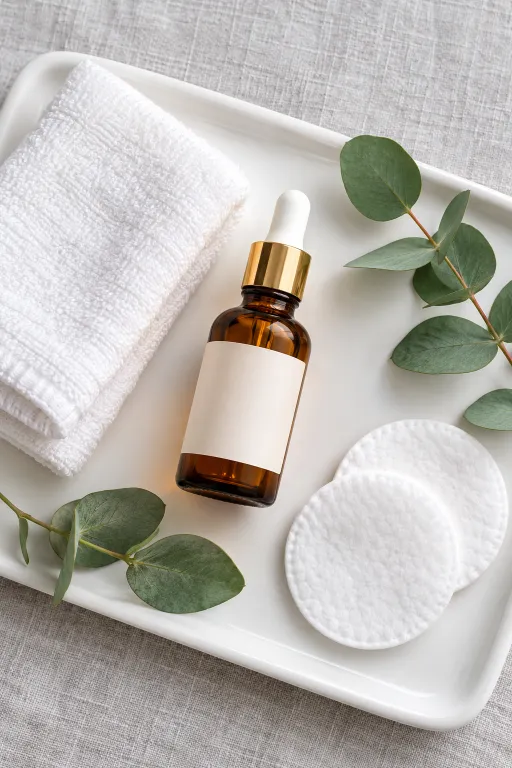
Picture a pore as a tiny tube packed with oil and dead skin. Salicylic acid is one of the few ingredients that can slip inside that tube and clear it out.
Over-the-counter products commonly contain 0.5 to 2 percent salicylic acid, found in cleansers, toners, and leave-on treatments. For a first try, use a leave-on product three nights a week on clean, dry skin, then increase if your skin stays comfortable.
It works because it is oil-soluble, so it dissolves the buildup that leads to blackheads and whiteheads. Layering several acid products at once is the classic mistake. Pick one exfoliating product, give it a few weeks, and only then think about adding another.
3. Try Benzoyl Peroxide on Active Pimples
Benzoyl peroxide targets the bacteria involved in inflamed pimples, the red and tender ones that hurt before they even surface.
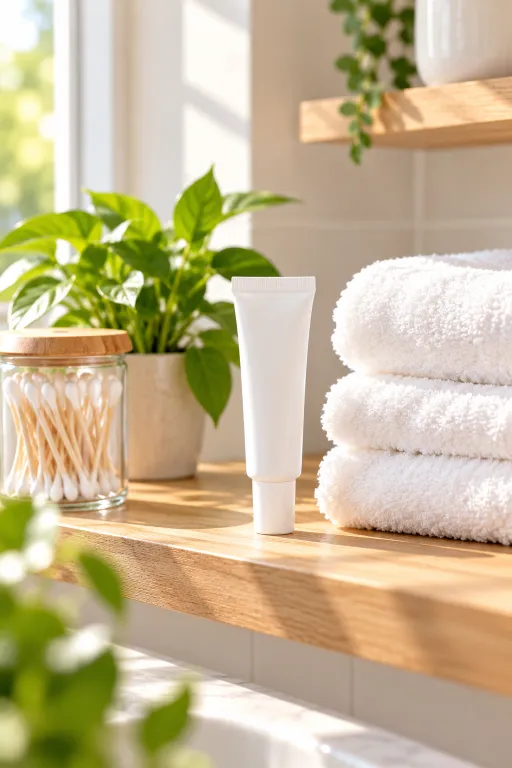
Look for a 2.5 to 5 percent strength. Research and dermatology guidance generally show lower strengths can work well with less dryness than 10 percent formulas. Dab a thin layer only on spots, or use a wash for a short contact time, rinsing after a minute or two.
Two details save you a lot of frustration. It can bleach towels, pillowcases, and hair, so keep a white set for bedtime. And because it can be drying, pair it with a good moisturizer. If you notice burning or peeling, scale back to every other day rather than quitting entirely.
4. Add a Retinoid Slowly for Lasting Results
If you want one ingredient that helps with both current breakouts and future ones, a retinoid is it.
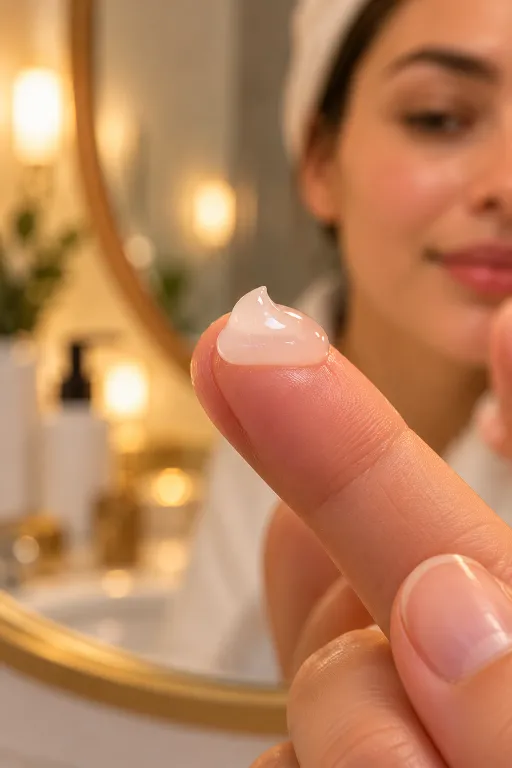
Adapalene gel is available without a prescription in many places and speeds up skin cell turnover so pores clog less often. Use a pea-sized amount for your whole face, two nights a week at first, on completely dry skin. Move to every other night after a few weeks.
Many people expect instant clarity and panic when their skin gets worse before it gets better. That early flare, often called purging, can happen in the first weeks. The fix is patience and a gentle pace. If irritation is severe or lasts, check in with a dermatologist instead of pushing through.
5. Moisturize Even If Your Skin Feels Oily
Oily and acne-prone skin still gets thirsty, and skipping moisturizer is one of the quietest ways to make breakouts worse.
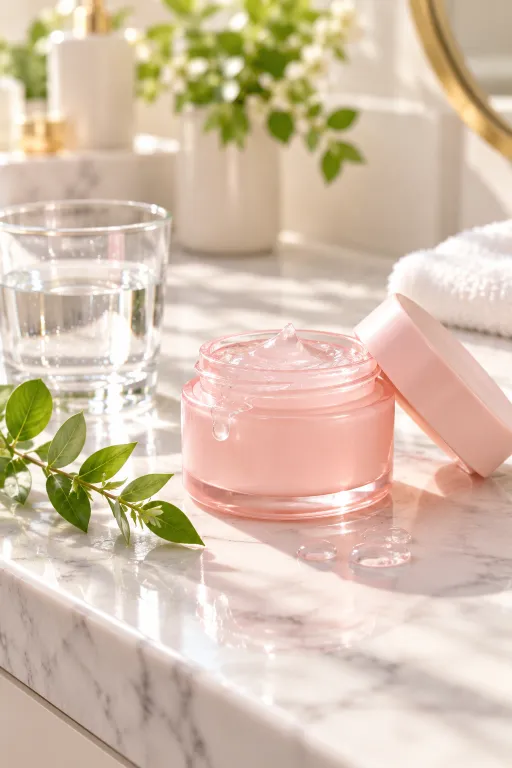
Active ingredients can leave your skin dry and sensitive, and a damaged barrier makes redness and bumps more likely. A light gel or lotion labeled non-comedogenic, meaning it is designed not to clog pores, works well. Ingredients like glycerin, hyaluronic acid, and ceramides add comfort without heaviness.
Apply it on slightly damp skin after cleansing to help lock in water. A great use case is the first month of any new treatment, when your face needs extra support. Bookmark this one for the days your skin feels tight and angry.
6. Wear Sunscreen Every Morning
Sunscreen feels like a step for wrinkles, but it is just as important for acne because it keeps those leftover red and brown marks from lingering.
Sun exposure can darken post-acne marks and make them last far longer. Pick an oil-free or gel sunscreen with SPF 30 or higher, and apply it as the last step of your morning routine. Many acne-prone people find lightweight fluid or gel textures more comfortable than thick creams.
If a sunscreen has ever made you break out, the problem is often the specific formula, not sunscreen itself. Test a new one on a small area for a few days, and keep trying until you find a texture you actually enjoy wearing.

7. Keep Your Hands Off and Use Pimple Patches
Picking feels satisfying for about three seconds and then costs you weeks of healing.
Squeezing pushes bacteria and debris deeper, which can cause scarring and dark marks. A hydrocolloid pimple patch is a better answer. It absorbs fluid from a surfaced pimple, protects it from your fingers, and flattens it overnight.
Apply a patch on clean, dry skin, ideally at bedtime. They work best on whiteheads and open spots, and less well on deep, painful bumps with no head. If a spot has no head, leave it alone and use your regular treatment. Keep a small sheet in your bag for the moments when the urge to pick hits at work or in the car.

8. Clean the Things That Touch Your Face
You can do everything right at the sink and still break out because of what happens the other sixteen hours of the day.
Pillowcases collect oil, hair products, and sweat, so swap yours for a fresh one once or twice a week. Wipe your phone screen with a disinfecting wipe, and wash makeup brushes weekly. Check hair products too, since styling oils and creams can drift onto your forehead and jawline and trigger bumps along the hairline.
Bumps around the forehead, temples, or jaw are a clue worth noticing. If that is where yours show up, try pulling your hair back at night and see whether those spots calm down over a few weeks.

9. Use Natural Helpers With Realistic Expectations
If you love natural skin care, a few gentle options can support your routine, though they are not replacements for proven treatments.
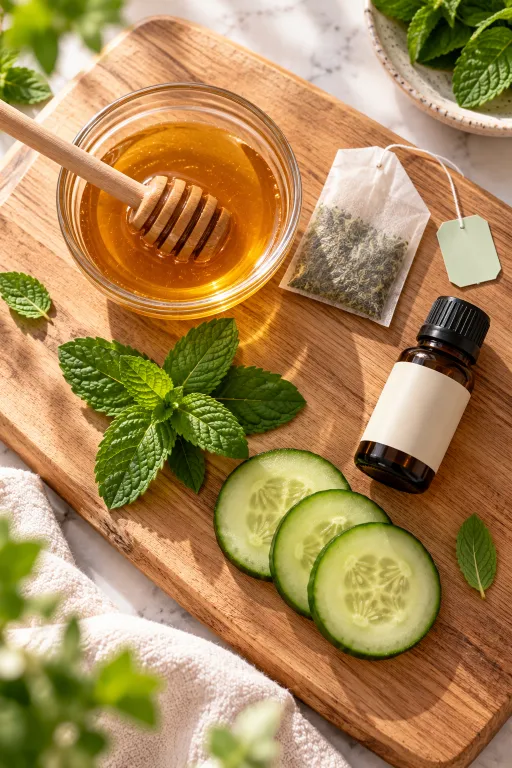
Diluted tea tree oil, often found in 5 percent gels, has some evidence for mild acne, though it tends to work more slowly. Green tea extract products can soothe redness, and a thin layer of raw honey as a short mask is soft on skin. Never apply undiluted essential oils, because they can cause burns and rashes.
The mistake here is stacking several kitchen ingredients at once, which makes it impossible to know what helped or what irritated you. Introduce one product, patch test it on your inner arm for a day, and then try it on your face.
10. Give Your Routine Time and Know When to Get Help
Skin changes slowly. Most treatments need around 8 to 12 weeks before you can fairly judge them, so constantly switching products is one of the biggest reasons people feel stuck.
Pick a simple routine, stick with it, and take a photo in the same light every two weeks so you can see real progress. Sleep, stress, and diet can also play a role for some people, so notice patterns without blaming yourself for them.
If you have deep, painful cysts, scarring, or no improvement after about three months, see a dermatologist or doctor. Prescription options exist that over-the-counter products simply cannot match. Asking for help is a smart step, not a failure.

Final Thoughts
Clearer skin rarely comes from one miracle product. It comes from a gentle routine, a few well-chosen ingredients, and the patience to let them work. Those frustrating mirror moments do get easier when you have a plan you trust. Choose just one or two tips from this list to try this week, and let the rest wait until your skin is ready. Save this article so it is waiting for you the next time breakouts test your patience.
6. Image Alt Text Suggestions
- Woman gently washing her face at a bathroom sink with a green gel cleanser for acne-prone skin
- Salicylic acid serum bottle on a white tray beside a folded towel
- Benzoyl peroxide spot treatment tube next to white towels on a bathroom shelf
- Pea-sized amount of adapalene gel on a fingertip in front of a mirror
- Lightweight gel moisturizer in a pastel jar on a marble vanity
- Oil-free sunscreen tube on a sunny windowsill beside a small plant
- Hydrocolloid pimple patch applied on a cheek for acne care
- Clean white pillowcases on a neatly made bed with a spare set on the nightstand
- Honey, green tea bag, and mint on a wooden board as natural acne skin care helpers
- Bathroom shelf with a notebook, calendar, and three simple skin care products for a consistent routine
7. FAQ Section
How long does it take for a skin care acne routine to work?
Most people need 8 to 12 weeks to see a clear change. Some products can cause a temporary flare in the first few weeks, so give your skin time before switching.
Can I use salicylic acid and benzoyl peroxide together?
Many people do, but using both at full strength can be very drying. Start by using one in the morning and the other at night, or alternate days, and add moisturizer.
Should I skip moisturizer if my skin is oily?
No. Oily skin still needs hydration, and a lightweight non-comedogenic gel can help protect your skin barrier while you use acne treatments.
What is the best way to treat a pimple fast?
A hydrocolloid patch on a surfaced pimple or a dab of benzoyl peroxide on an inflamed spot can help. Avoid squeezing, since it often leads to scarring and slower healing.
When should I see a dermatologist for acne?
See one if you have deep, painful cysts, scarring, or no improvement after about three months of consistent care. Prescription treatments can help when over-the-counter options are not enough.
One note: the final check in your master prompt mentions “Pearl Home Decor,” so I used the Daily Skin Guide voice instead. You may want to update that line so it stays consistent.


