

10 Skincare Tips to Look Younger and Glow Naturally
You catch your reflection in the bathroom light and wonder when your skin started looking so tired. Maybe it is a few fine lines near your eyes, or a dullness that makeup just will not hide. The good news is that looking younger rarely needs expensive treatments or a twelve-step routine. This guide gives you ten practical, realistic habits that help your skin look fresher, smoother, and naturally glowing.
1. Wear Sunscreen Every Single Morning
Picture a bright morning, a windowsill full of sunlight, and a lightweight sunscreen going on as the very last step before you leave the house.
Sun exposure is one of the biggest outside causes of visible aging, including dark spots, uneven tone, and fine lines. That is why sunscreen is the most useful anti-aging product you can own, and it costs far less than most serums.
Choose a broad-spectrum SPF 30 or higher and apply about two finger lengths for your face and neck. A common mistake is skipping it on cloudy days or when you work near a window. UV light still reaches your skin. The fix is simple: keep a bottle next to your toothbrush so it becomes automatic.
Works best for: busy mornings, commuters, and anyone with a desk by a sunny window.

2. Cleanse Gently Instead of Scrubbing Hard
Skin that looks soft and calm almost always starts with a cleanser that leaves it feeling comfortable, never tight or squeaky.
Harsh scrubbing and very hot water strip away natural oils, which can leave skin dry, irritated, and more likely to show lines. A gentle, low-foam cleanser removes makeup, sweat, and sunscreen without damaging your skin barrier.
Use lukewarm water and massage the cleanser in with your fingertips for about 30 seconds. Rinse well and pat dry with a clean towel. If your skin feels tight afterward, your cleanser is probably too strong. Switch to a creamy or gel formula labeled gentle or hydrating.
Works best for: dry, sensitive, or mature skin, and anyone who wears sunscreen daily.

3. Add a Vitamin C Serum for Brighter Skin
A small drop of vitamin C in the morning can make dull skin look more awake, a bit like opening the curtains in a dim room.
Vitamin C is an antioxidant. It helps protect skin from everyday environmental stress and can support a brighter, more even-looking tone over time. It also works well under sunscreen.
Start with a lower strength, around 10 percent, and use it a few mornings a week before moving to daily. Store it away from light and heat, and toss it if it turns dark brown. Many people layer too many active products at once. Introduce one new product at a time so you can tell what actually helps.
Works best for: dull skin, uneven tone, and mild sun spots.

4. Try Retinol at Night, But Go Slow
If you only add one active ingredient to look younger, retinol is the one most dermatologists talk about, because it has strong research behind it for fine lines and skin texture.
It works by encouraging faster skin cell turnover, which can help skin look smoother with steady use. The catch is that it can cause dryness and peeling if you rush.
Begin with a low-strength product, such as 0.25 percent, twice a week. Use a pea-sized amount for the whole face, and follow with moisturizer. Add a night once your skin feels comfortable. Always wear sunscreen the next morning. Retinol is not recommended during pregnancy, so check with your doctor if that applies to you.
Works best for: fine lines, uneven texture, and skin that looks a little rough.
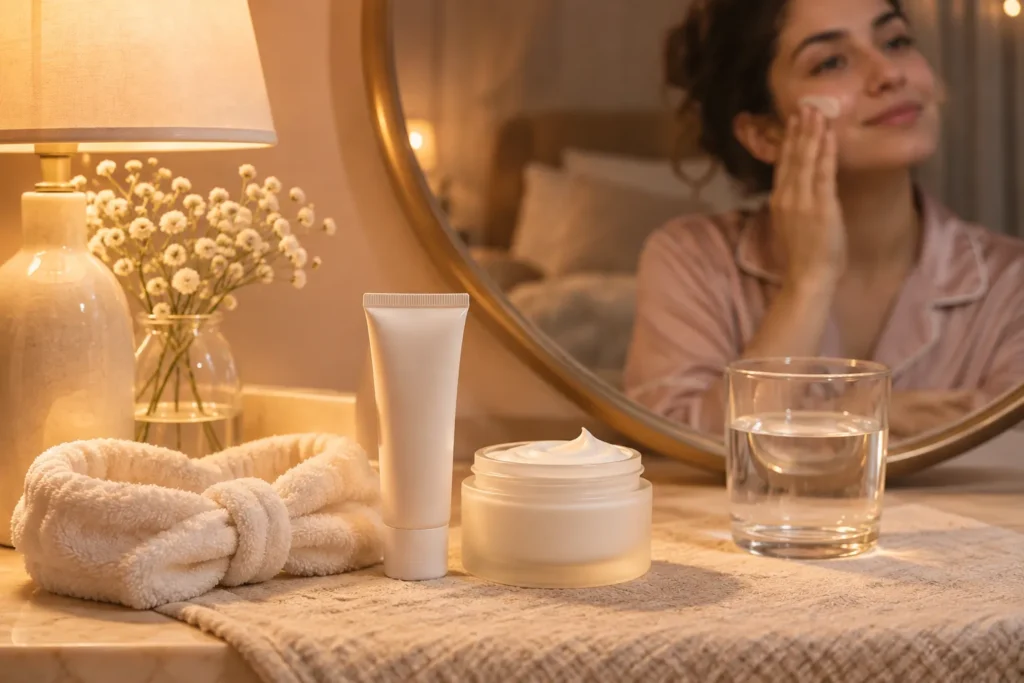
5. Moisturize While Your Skin Is Still Damp
Here is a small habit that changes how plump skin looks: apply moisturizer within a minute or so of washing your face, while the surface still feels slightly dewy.
Damp skin holds onto moisture better, and a good cream helps seal it in. Hydrated skin reflects light more evenly, so fine lines look softer and your complexion looks bouncier.
Look for ingredients like hyaluronic acid, glycerin, ceramides, or squalane. Gel creams suit oily skin, and richer creams suit dry skin. Most people overlook their neck and chest, which show age just as quickly. Sweep your moisturizer down from your jawline in gentle upward strokes.
Works best for: tight, dull, or dehydrated skin, especially in winter or air-conditioned rooms.

6. Do Not Forget Your Eyes and Neck
The skin around your eyes is thinner than almost anywhere else on your face, so it tends to show tiredness first.
A dedicated eye cream is nice but not required. What matters is gentle care. Tap a small amount of eye cream or a light moisturizer along the orbital bone with your ring finger, which naturally applies the least pressure. Skip rubbing and pulling.
Your neck deserves the same attention. Many women stop their routine at the jawline, then wonder why their neck looks older than their face. Carry your sunscreen and moisturizer down to the collarbone every day. Caffeine or peptide eye products can help the area look more refreshed, but consistency matters more than price.

7. Treat Sleep as Part of Your Skin Routine
No cream can fully make up for a week of short, restless nights. Your skin does much of its repair work while you sleep, and tired skin often looks dull, puffy, and shadowed.
Aim for seven to nine hours when you can. Small upgrades help too. A silk or satin pillowcase reduces friction on your face and hair, and sleeping on your back can reduce pressure lines on your cheeks. Wash your pillowcase weekly to keep oil and product buildup off your skin.
Notice how your skin looks after a good night versus a late one. That quick comparison is often more motivating than any product claim.
Works best for: anyone dealing with morning puffiness, dark circles, or a flat-looking complexion.

8. Drink Water and Eat for Your Skin
Think of your plate as the slow, steady side of your skincare routine.
Staying hydrated helps your body function well, and it can make a difference if you tend to run dry. Foods rich in antioxidants and healthy fats, like berries, leafy greens, salmon, avocado, nuts, and olive oil, support overall skin health. Protein also matters, since your skin is built from it.
A common mistake is thinking one superfood will fix everything. A better approach is adding one skin-friendly food to each meal. For example, toss berries into your breakfast yogurt or add a handful of spinach to your lunch. Reducing very sugary snacks may also help skin feel calmer for some people.
Works best for: tight budgets, since this costs almost nothing extra.

9. Exfoliate Lightly Once or Twice a Week
Dull skin is often just a layer of dead cells sitting on top of fresh, glowing skin.
Gentle chemical exfoliants, like lactic acid or a mild AHA, are usually kinder than gritty scrubs. They help loosen dead cells so your skin looks smoother and reflects light better. Start with once a week and see how your skin responds.
The mistake to avoid is exfoliating daily or combining several strong acids with retinol on the same night. Redness, stinging, or flaking means you have done too much. Pause for a week, focus on moisturizer, and restart slowly. If you have very sensitive skin, ask a dermatologist before adding acids.
Works best for: rough texture, dull tone, and makeup that never seems to sit smoothly.

10. Build a Routine You Can Actually Stick To
The best anti-aging routine is the one you will still be doing three months from now.
Skin changes slowly, so most products need at least 8 to 12 weeks before you can fairly judge them. A simple routine works well: cleanser, vitamin C, moisturizer, and sunscreen in the morning, then cleanser, retinol on some nights, and moisturizer in the evening.
Take a front-facing photo in natural light each month. It is easier to notice progress that way than by checking the mirror every day. This is a page you may want to come back to when your routine needs a reset, so pin it somewhere easy to find.
Works best for: beginners, busy schedules, and anyone tired of juggling too many products.
Final Thoughts
Looking younger is not about chasing perfection or hiding every line. It is about helping your skin feel healthy, comfortable, and cared for, so you feel more like yourself when you look in the mirror. You do not have to change everything at once. Pick one tip from this list and try it this week, then add another when it feels natural. Save this guide so you can find it whenever your skin needs a little attention.
6. Image Alt Text Suggestions
- Woman applying sunscreen to her cheek in a bright bathroom mirror to look younger
- Gentle cleanser pump bottle and soft white towel on a marble sink for a calming skincare routine
- Amber dropper bottle of vitamin C serum beside a glowing cheek in soft morning light
- Retinol tube and night cream on a bedside vanity for an anti-aging night routine
- Hands smoothing moisturizer onto damp skin for a plump, hydrated glow
- Woman gently patting eye cream under her eye with her ring finger
- Calm bedroom with satin pillowcase and linen sheets for better beauty sleep
- Colorful breakfast bowl with berries, yogurt, and water for glowing skin
- Exfoliating toner and cotton pad on a clean bathroom shelf for smoother skin
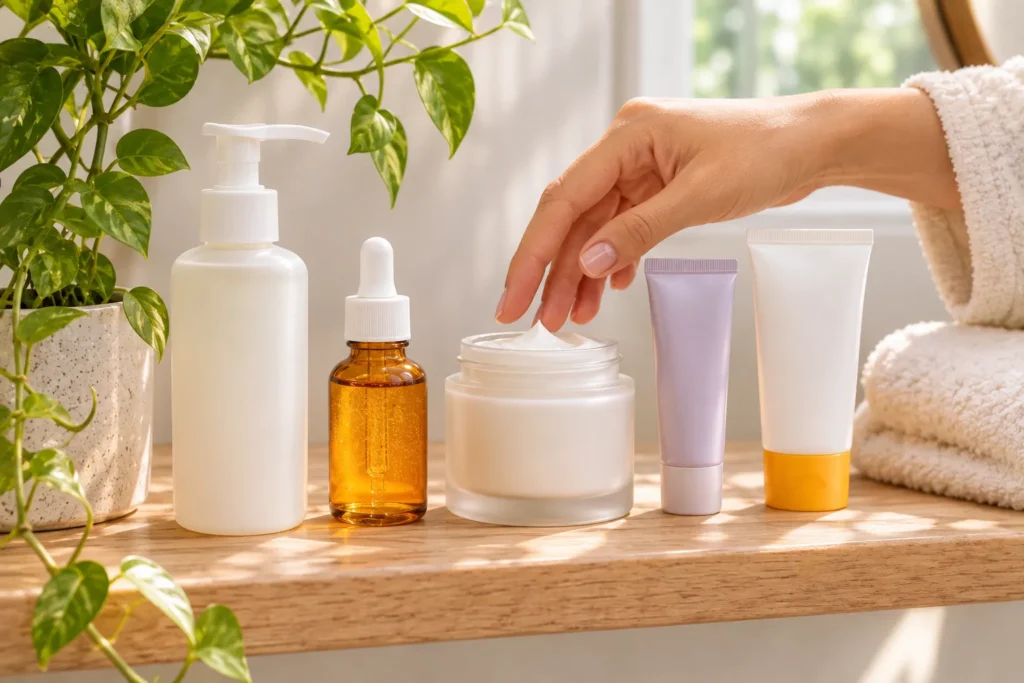
- Neat shelf of five skincare essentials for a simple anti-aging routine
7. FAQ Section
What is the fastest way to look younger naturally?
Daily sunscreen, good sleep, and steady moisturizing give the most visible difference for the least effort. You may notice brighter, more hydrated skin within a couple of weeks, while changes in lines and texture take longer.
Does retinol really help skin look younger?
Retinol has solid research behind it for smoothing fine lines and improving texture. Start with a low strength twice a week, moisturize well, and wear sunscreen every morning.
At what age should I start an anti-aging skincare routine?
Your mid-twenties is a great time to start with sunscreen, cleanser, and moisturizer. You can add vitamin C and retinol later, but it is never too late to begin.
Can diet change how young my skin looks?
Food will not erase wrinkles, but a balanced diet with plenty of fruits, vegetables, healthy fats, and protein supports overall skin health. Staying hydrated also helps skin feel less dry.
How long does it take to see results from skincare?
Most products need 8 to 12 weeks of regular use. Hydrating products show quicker effects, while active ingredients like retinol and vitamin C take more time.
Do I need expensive products to look younger?
No. Affordable drugstore sunscreen, moisturizer, and retinol can work very well. Consistent use matters more than price.
Would you like the feature image and numbered image prompts with alt tags for this one too?


