

10 Acne Face Tips for Clearer, Healthier Looking Skin
You wake up, check the mirror, and there it is again. Another breakout, right before something important. Living with an acne face can make you feel like you are doing everything wrong, even when you are trying so hard. The good news is that small, steady habits make a bigger difference than any miracle product. Here are ten practical tips to help your skin feel calmer, look clearer, and finally start working with you.
1. Cleanse Gently Twice a Day
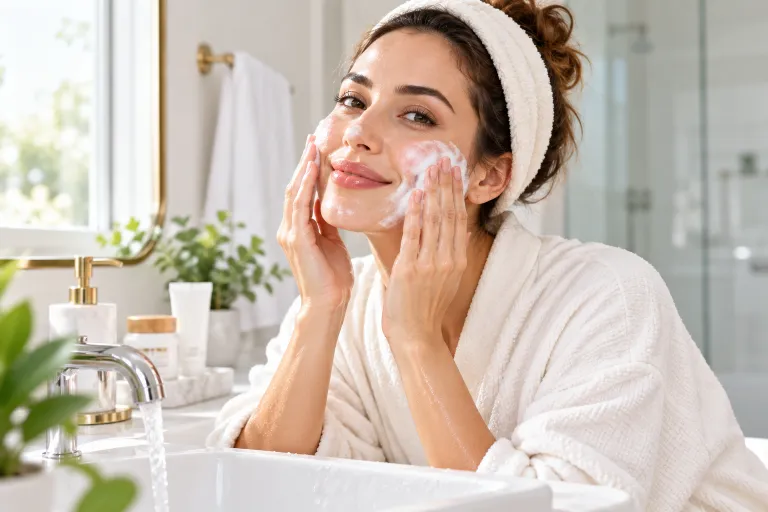
Think of your cleanser as a soft reset, not a scrub-down. Wash once in the morning and once at night with lukewarm water and a mild, fragrance-free cleanser. Massage it in with your fingertips for about 30 seconds, then rinse well and pat dry with a clean towel.
The mistake: Many people with an acne face scrub harder and wash more often, hoping to “remove” the breakouts. This strips the skin, which can leave it irritated, tight, and sometimes oilier as it tries to recover.
The fix: Two gentle washes a day is plenty. Add a third only after heavy sweating, like after a workout.
2. Try Salicylic Acid for Clogged Pores
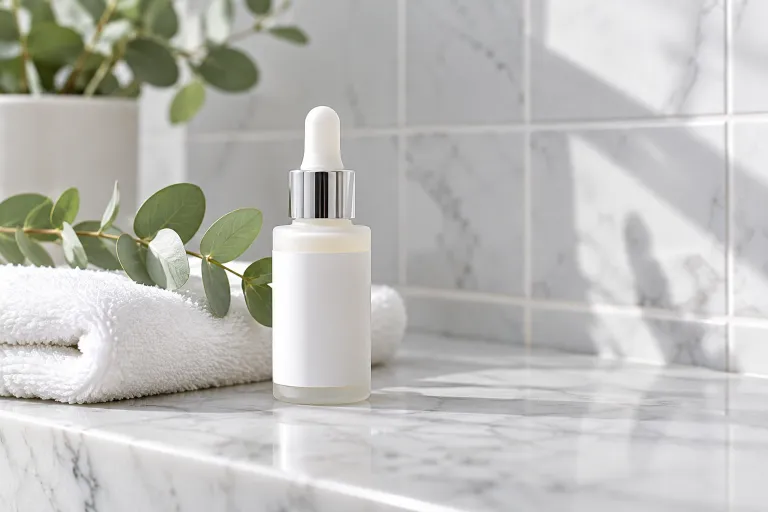
Salicylic acid is a beta hydroxy acid that works inside the pore, helping loosen the buildup of oil and dead skin that leads to blackheads and small bumps. Look for a cleanser, toner, or leave-on product with around 0.5 to 2 percent.
Start small. Use it every second or third night for the first two weeks, then increase if your skin feels comfortable. If you notice stinging, peeling, or redness, cut back.
It works especially well for oily or combination skin, and for those stubborn bumps along the forehead and chin.
3. Use Spot Treatments Only Where You Need Them
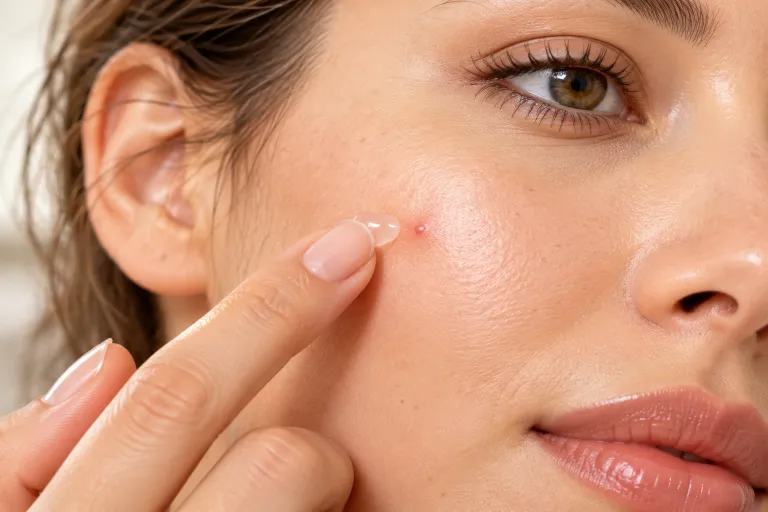
When one angry bump shows up, dabbing a thin layer on that spot is smarter than covering your whole face. Benzoyl peroxide at a low strength, around 2.5 percent, is a well-known option because it targets the bacteria involved in many breakouts. Lower strengths are often better tolerated than higher ones.
If you prefer a gentler, natural-leaning route, some people reach for diluted tea tree oil. It should never go on the skin straight from the bottle, since undiluted oils can burn and leave marks. Always patch test on your inner arm first.
Keep spot treatments small, like the size of a grain of rice.
4. Stop Picking, Even When It Feels Satisfying
That little bump looks so easy to fix. But picking pushes bacteria and oil deeper into the skin, and it often turns a small spot into a red mark that lingers for weeks. Marks from picking can last far longer than the pimple itself.
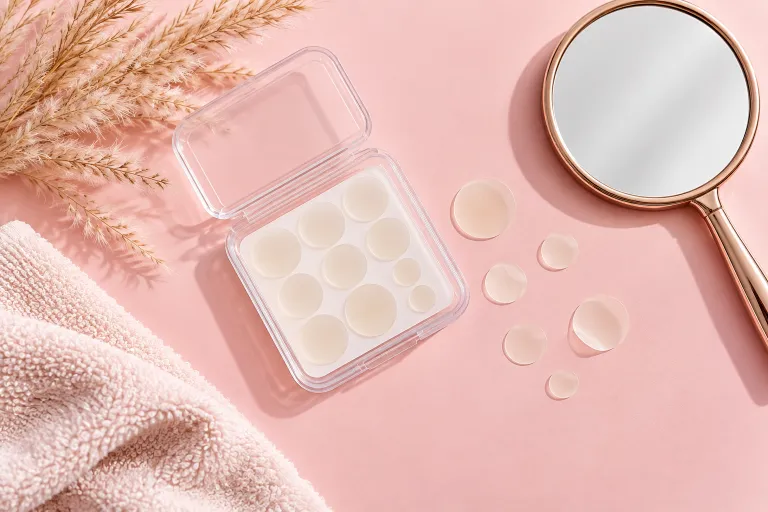
The fix: Cover the spot with a pimple patch. Hydrocolloid patches soak up fluid and create a barrier between your fingers and your skin. Keep a few in your bag, your car, and your nightstand so the urge has somewhere to go.
Bookmark this one for the next time a bump tempts you at 11 p.m.
5. Moisturize Even If Your Skin Feels Oily
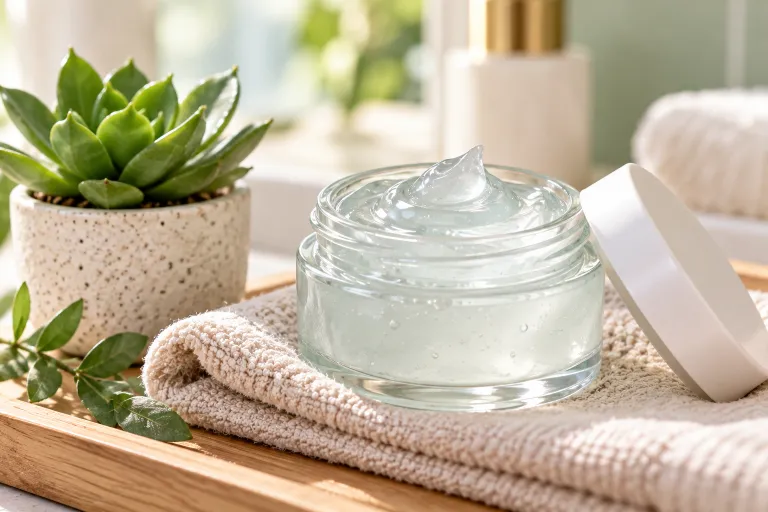
This is the step many people with an acne face skip, and it is one of the most overlooked. When skin is dry and irritated from active ingredients, it can feel tight and look shiny at the same time. A lightweight moisturizer keeps your skin barrier healthy so it can handle your treatments.
Choose gel or lotion formulas labeled “non-comedogenic,” which means they are designed not to clog pores. Ingredients like glycerin and hyaluronic acid are light and soothing. Apply it to slightly damp skin for a smoother feel.
6. Wear Sunscreen Every Single Morning
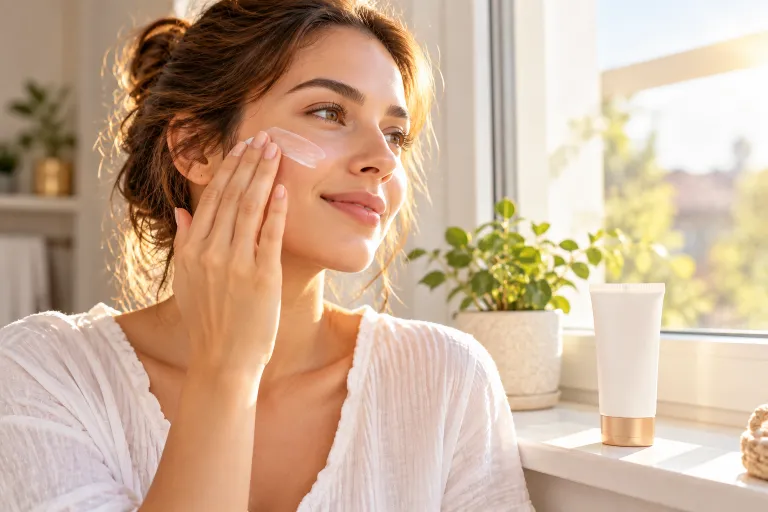
Sunscreen helps protect healing skin, and it matters more than most people realize. Sun exposure can darken the red and brown marks that breakouts leave behind, making them stick around longer. Many acne treatments can also make your skin more sensitive to the sun.
Pick an SPF 30 or higher labeled “oil-free” or “non-comedogenic.” Gel and fluid textures tend to feel the lightest under makeup. Apply about two finger lengths for your face and neck, even on cloudy days.
If a heavy sunscreen once broke you out, try a different texture before giving up on SPF altogether.
7. Add One New Product at a Time
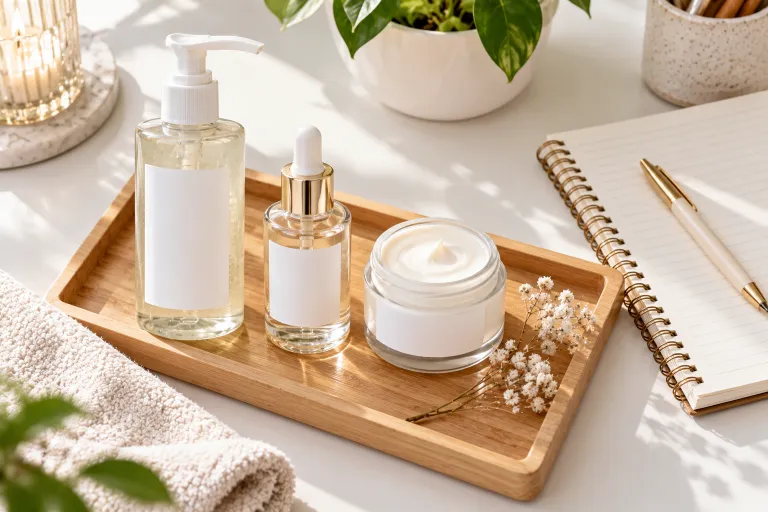
When breakouts get frustrating, it is tempting to buy a whole new routine at once. But if your skin reacts, you will not know which product caused it. Introducing one new product every two to three weeks lets you see exactly what helps and what irritates.
Be patient with results too. Most routines need around six to eight weeks before you can judge whether something is working. Some products can cause a short adjustment period, but burning, swelling, or intense redness means stop.
A small notes app entry with the date you started each product makes it easy to look back later.
8. Clean the Things That Touch Your Face
Your acne face may be telling you something about your surroundings. Pillowcases, phone screens, makeup brushes, and even hair products pick up oil, sweat, and product residue, then press them back onto your skin.
Try this simple schedule:
- Change your pillowcase once or twice a week.
- Wipe your phone screen daily with an alcohol wipe.
- Wash makeup brushes weekly with mild soap.
- Keep hair gels and oils away from your forehead and hairline.
It is a small habit with a surprisingly noticeable payoff, especially for breakouts along the hairline and jaw.

9. Support Your Skin From the Inside
Skin care does not stop at the bathroom sink. Poor sleep, high stress, and a lot of sugary or highly processed foods can make some people feel their skin is worse, though research on food and acne is still mixed and it affects people differently.
Instead of cutting out entire food groups, notice patterns. If your skin flares after certain foods, try reducing them for a few weeks and see what happens. Drink water through the day, aim for steady sleep, and find a stress outlet you actually enjoy, like walking or journaling.
This works best for people whose breakouts seem to flare during stressful weeks or hormonal shifts.

10. Know When to See a Dermatologist
Over-the-counter products work well for mild to moderate breakouts. But if you have deep, painful bumps, breakouts that leave scars, or acne that has not improved after two to three months of consistent care, a dermatologist can help.
They can prescribe options that are not available on store shelves, such as topical retinoids, antibiotics, or hormonal treatments for certain cases. Getting help early can also lower the chance of lasting scars.
Asking for help is not giving up. It is simply choosing the shortest path to feeling better.

Final Thoughts
Having an acne face does not mean you are failing at skin care. It means your skin needs patience, gentle habits, and a little time. Start with just one or two tips from this list and give them a fair few weeks. Small, steady changes add up, and clearer skin often arrives quietly. Save this guide so it is ready when you want a fresh plan, and try one idea tonight.
Image Alt Text Suggestions
- Woman gently massaging cream cleanser into her cheeks at a bright bathroom sink
- Small bottle of salicylic acid serum on a marble shelf beside a folded washcloth
- Fingertip applying a tiny amount of spot treatment to a blemish on the cheek
- Round hydrocolloid pimple patches arranged on a pastel background with a small mirror
- Open jar of lightweight gel moisturizer beside a soft towel and small plant
- Woman smoothing sunscreen over her cheeks near a sunny window
- Three skin care bottles on a tray with a notebook and pen for tracking new products
- Freshly made bed with a clean white pillowcase and spare set folded on the nightstand
- Breakfast table with water, fresh fruit, and oatmeal in soft morning light
- Woman speaking with a dermatologist in a calm consultation room
FAQ
1. What causes an acne face?
Acne usually starts when pores get clogged with oil and dead skin cells, often with bacteria and inflammation involved. Hormones, stress, certain products, and genetics can all play a role.
2. How long does it take to clear an acne face?
Most routines need six to eight weeks of steady use before you can see real change. Skin heals in cycles, so quick fixes are rare.
3. Should I moisturize if I have an acne face?
Yes. A lightweight, non-comedogenic moisturizer protects your skin barrier and helps you tolerate acne treatments. Skipping it can leave skin irritated and uncomfortable.
4. Is it okay to wear makeup with acne?
Yes, just choose oil-free, non-comedogenic formulas and remove them fully each night. Wash your brushes and sponges regularly so bacteria do not build up.
5. When should I see a dermatologist about acne?
See one if your acne is painful, deep, leaving scars, or has not improved after two to three months of consistent care. Early treatment can help reduce the risk of lasting marks.


