

11 Skin Types Secrets for a Better Glow Today
Ever feel like you have tried every product on the shelf and your skin still will not cooperate? You are not imagining it. Most of the time, the real issue is not the product. It is that you never truly figured out your skin type in the first place. Once you understand what your skin actually needs, everything else starts to click. This article walks you through 11 skin types secrets that make it so much easier to get that healthy, natural glow.
1. Your Skin Type Can Change With the Seasons
A lot of people pick one skin type label in their twenties and never question it again. But skin shifts with weather, stress, hormones, and even the water where you live. Someone with oily skin in July might feel tight and dry by January. The fix is simple: check in with your skin every few months instead of assuming it stays the same forever.
If your foundation looks cakey in winter but slides off by noon in summer, that is a sign your routine needs to flex with the season, not fight against it.

[INTERNAL LINK OPPORTUNITY: seasonal skincare routine changes]
2. Oily Skin Does Not Mean You Should Skip Moisturizer
This is one of the most common mistakes people with oily skin make. They think adding moisture will make the shine worse, so they skip it entirely. In reality, when you strip your skin of moisture, it often produces even more oil to compensate.
The fix is a lightweight, oil-free gel moisturizer applied every morning and night. Look for one with hyaluronic acid instead of heavy creams. Within a couple weeks, most people notice their skin actually gets less greasy by midday, not more.
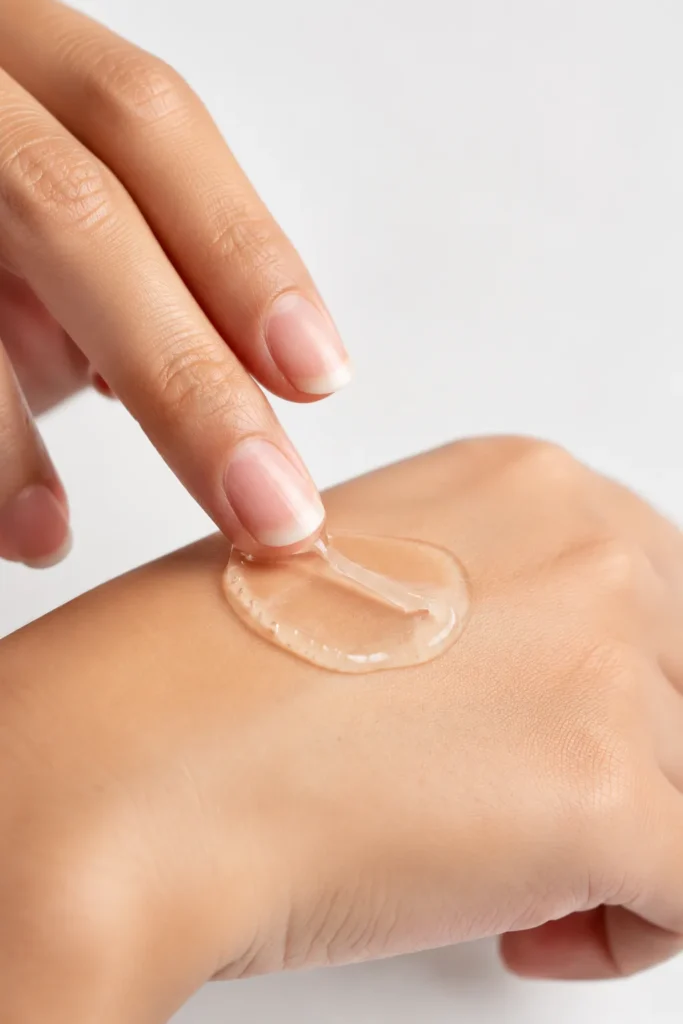
3. Dry Skin Often Gets Mistaken for Sensitive Skin
Dry skin and sensitive skin can look almost identical. Both show up as redness, tightness, and flaking. But they need different care. Dry skin lacks oil and needs richer, occlusive products. Sensitive skin reacts to ingredients and needs gentler, fragrance-free formulas.
If your skin flakes but does not sting or burn when you apply products, you are likely dealing with dryness, not sensitivity. Try a ceramide-based cream and see if the flaking calms down within a week.
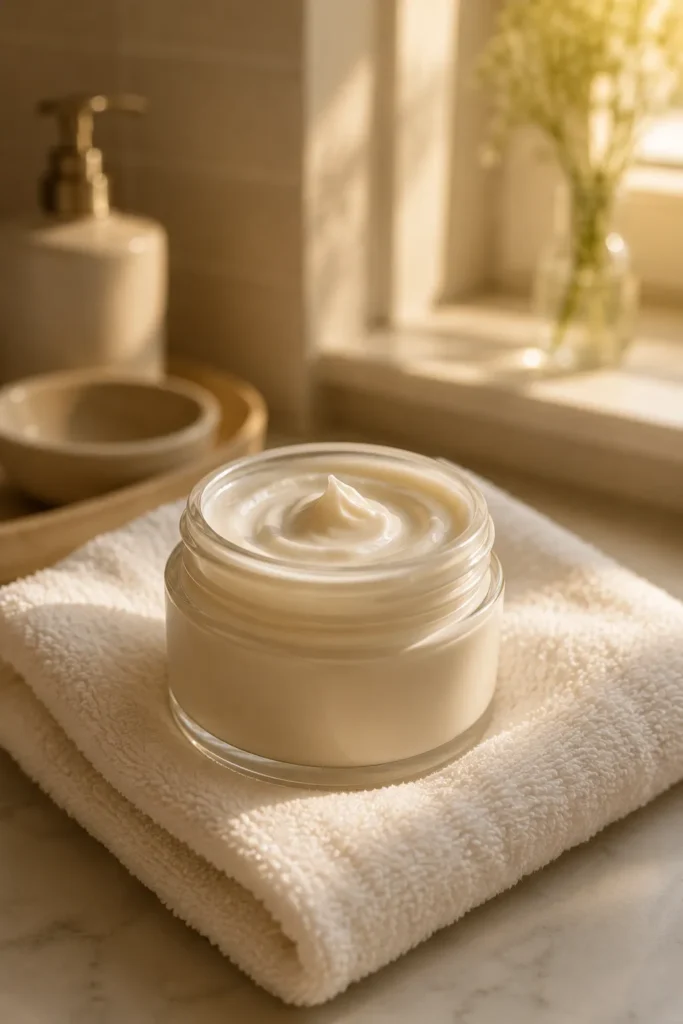
4. Combination Skin Needs Two Routines, Not One
If your T-zone shines by noon but your cheeks feel dry, you likely have combination skin. Using one product across your whole face usually backfires here. Your forehead and nose want something lighter, while your cheeks want something more hydrating.
Try applying a mattifying moisturizer only on the T-zone and a richer cream on your cheeks. This small tweak can fix a problem that has confused people for years.
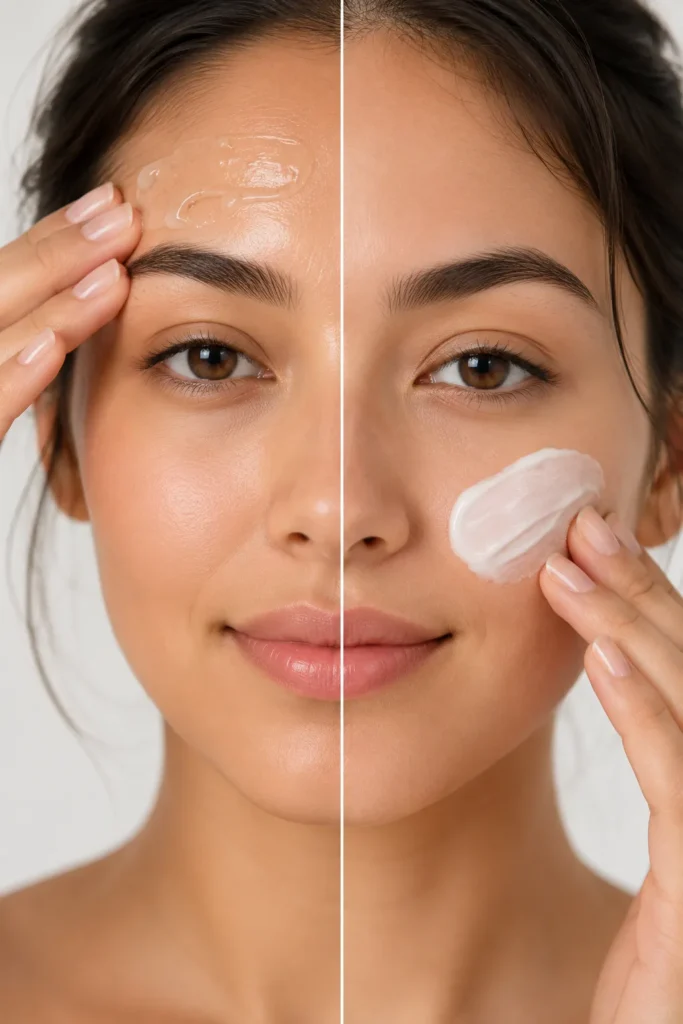
5. Sensitive Skin Reacts to More Than Just Products
People with sensitive skin often blame their skincare routine when the real trigger is something else entirely, like hot showers, harsh laundry detergent, or even pillowcases washed with strong fragrance. Redness and irritation are not always caused by what you put on your face.
Try switching to a fragrance-free detergent for two weeks before changing your entire skincare routine. Sometimes the fix is not a new serum, it is a smaller change you overlooked.

6. Normal Skin Still Needs a Routine
If you have normal skin, meaning not too oily or too dry, it is easy to assume you do not need much of a routine at all. This is one of those overlooked mistakes that catches up with people later. Normal skin can still lose its balance from sun exposure, stress, or aging if it is neglected.
A simple routine of gentle cleanser, moisturizer, and daily SPF keeps normal skin looking healthy for years, instead of just reacting once problems show up.
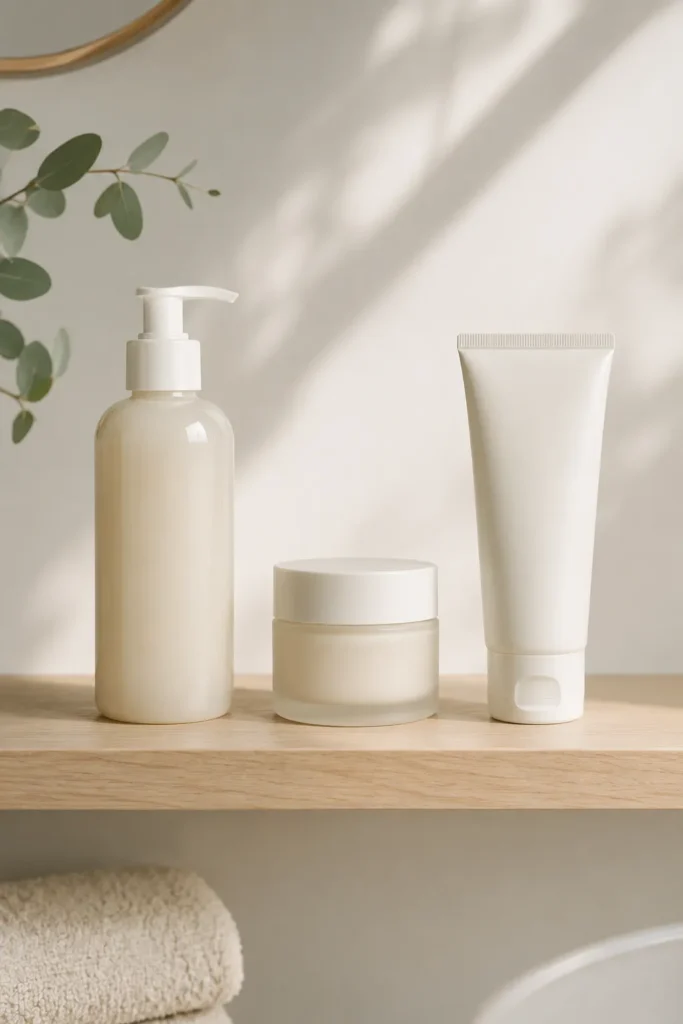
7. Acne Prone Skin Is Not Always Oily Skin
A lot of people assume breakouts only happen to oily skin types, but dry and combination skin can break out too. Dry skin that is not properly hydrated can overproduce oil in certain areas, leading to clogged pores and small breakouts along the jawline or chin.
If you are breaking out but your skin also feels tight, try adding hydration instead of stripping products even further. This one shift solves a surprising number of stubborn breakout cases.

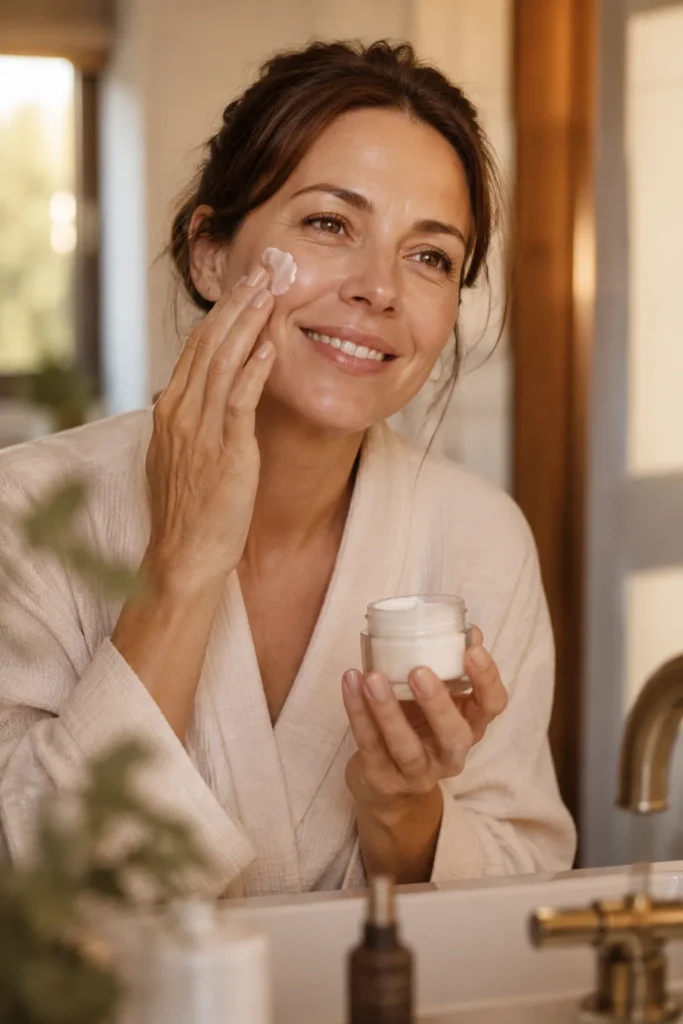
8. Mature Skin Has Different Needs Than People Expect
Mature skin is not just about wrinkles. As skin ages, it naturally produces less oil and loses some of its ability to retain moisture. This means a lot of mature skin types actually shift toward drier tendencies, even if someone had oily skin their whole life before.
Adding a richer moisturizer and a gentle retinol at night, a couple times a week to start, can make a noticeable difference in texture and glow within a month.
[INTERNAL LINK OPPORTUNITY: best anti aging routine for beginners]
9. Dehydrated Skin Is Different From Dry Skin
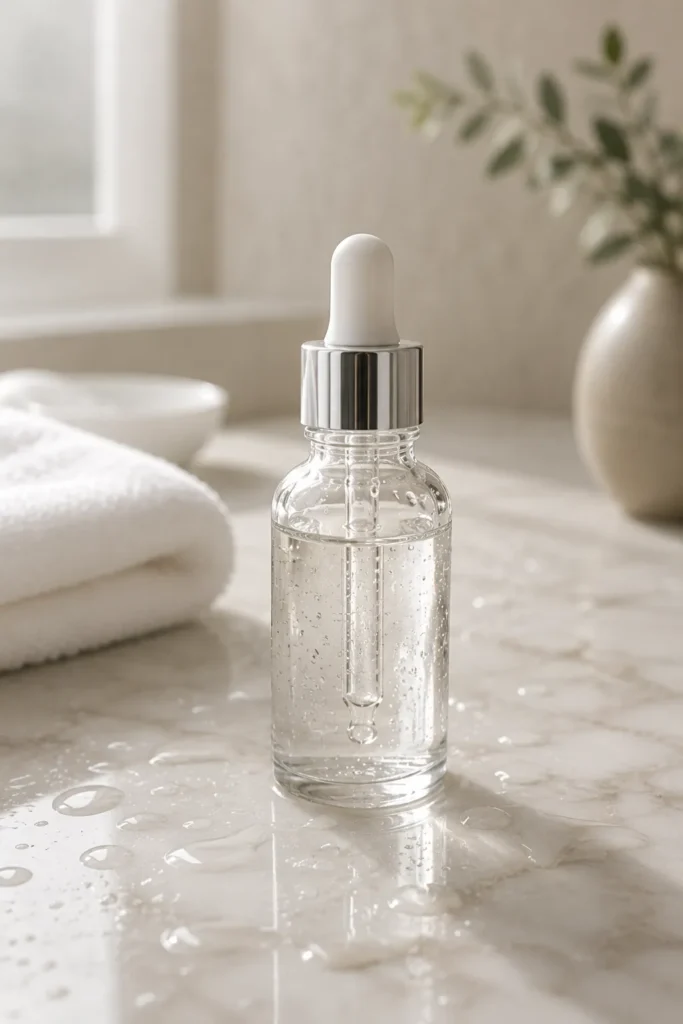
This is one of the biggest points of confusion. Dry skin lacks oil. Dehydrated skin lacks water, and it can happen to any skin type, even oily skin. Dehydrated skin often looks dull, feels tight after cleansing, and shows fine lines that seem to disappear after you apply a hydrating product.
If your skin feels oily but still looks dull and tight, try adding a hydrating serum with hyaluronic acid underneath your regular moisturizer. This one addition often brings back glow faster than switching your whole routine.
10. Your Skin Type Testing Method Might Be Wrong
Many people test their skin type once, right after washing their face, and assume the result is permanent. But testing right after cleansing often shows dryness that is temporary. A better way is to wash your face, wait one hour without applying anything, and then check how your skin feels and looks.
If you skip this waiting period, you might treat your skin for the wrong type entirely, which explains why some routines never seem to work.

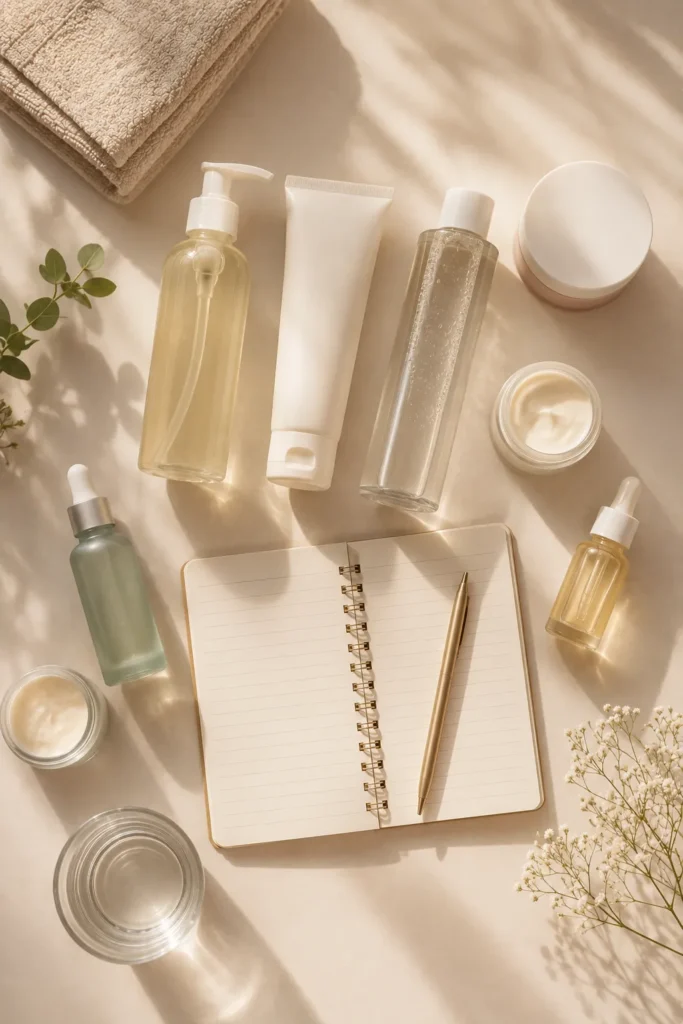
11. Building Your Routine Around Your Type Beats Chasing Trends
It is tempting to buy whatever product is trending, but the products that actually work long term are the ones matched to your specific skin type. A hydrating glass skin serum that works wonders for dry skin can clog pores on oily skin types, and a mattifying toner that helps oily skin can leave dry skin feeling worse.
Once you know your type, you can filter out 90 percent of products that were never going to work for you anyway, saving time, money, and frustration.
Final Thoughts
Figuring out your skin type is not about following a trend or copying someone else’s ten step routine. It is about paying attention to what your skin is actually telling you, season after season. Once that clicks, the rest becomes so much simpler. Try picking just one of these secrets to test this week and see how your skin responds. Save this guide so you can come back to it whenever your skin starts acting differently again.
Image Alt Text Suggestions
- Woman checking her skin in the mirror to identify her skin type
- Applying lightweight gel moisturizer for oily skin care
- Rich ceramide cream for dry skin hydration
- Combination skin routine using different products on face zones
- Fragrance-free laundry detergent for sensitive skin care
- Simple three step skincare routine for normal skin type
- Spot treatment application for acne prone skin
- Night cream routine for mature skin care
- Hydrating serum for dehydrated skin glow
- Testing skin type one hour after washing face
- Skincare products organized by skin type routine
FAQ Section
How do I know what my skin type really is?
Wash your face, wait about an hour without applying anything, then check how it looks and feels. If it feels tight and looks flaky, you likely have dry skin. If it looks shiny all over, you are probably oily, and shine only in the T-zone usually points to combination skin.
Can my skin type change over time?
Yes, skin type can shift with age, season, hormones, and even where you live. It is worth reassessing every few months instead of sticking to a label you picked years ago.
Is dehydrated skin the same as dry skin?
No. Dry skin lacks oil, while dehydrated skin lacks water and can affect any skin type, including oily skin. Dehydrated skin often looks dull and tight even when there is visible shine.
What is the biggest mistake people make with oily skin?
Skipping moisturizer. This often makes the skin produce even more oil to compensate, which makes the shine worse instead of better.
Do I need different products for different areas of my face?
If you have combination skin, yes. A lighter product on the T-zone and a richer one on the cheeks usually works better than applying the same product everywhere.
Why does my skin react even though I use gentle products?
Sensitive skin can react to things beyond skincare, like hot water, fragrance in laundry detergent, or rough pillowcases. It helps to rule out these everyday triggers before changing your entire routine.


