
10 Surprising Facts About Hormonal Changes in Your Body
One week your skin is calm and glowing. The next, you are staring at a breakout along your jaw and wondering what you did wrong. You are not imagining it, and you are definitely not alone. Hormonal changes quietly shape your skin, sleep, mood, and energy, and most of us were never taught how any of it works. Here are 10 surprising facts that will help you understand your body and treat it with a little more patience.
1. Hormones Work as a Team, Not Solo
Think of your hormones as a group chat where everyone reads everyone else’s messages. Estrogen, progesterone, testosterone, cortisol, insulin, and thyroid hormones all influence one another constantly. When one shifts, the others often adjust in response.
This is why a single symptom rarely has a single cause. A stressful month can raise cortisol, which can nudge your cycle off schedule, which can then change how your skin behaves.
Common mistake: Blaming one “bad hormone” for everything and chasing a quick fix. Better approach: Look at the whole picture, including sleep, stress, food, and your cycle, before changing your routine.
2. Hormonal Changes Often Show Up on Your Skin First
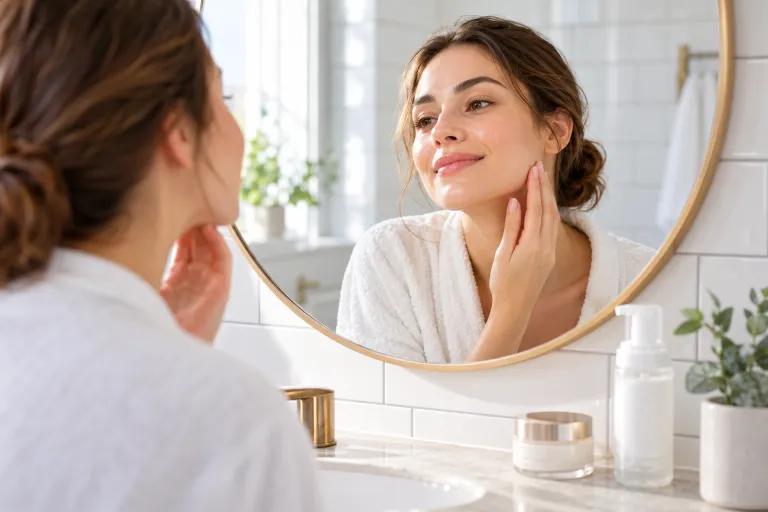
Your skin is one of the most visible places to notice hormonal changes. Oil glands respond to hormones called androgens, which means shifts in these hormones can lead to extra shine, clogged pores, and breakouts.
That is why hormonal breakouts tend to cluster around the chin, jawline, and lower cheeks. If you see deep, tender bumps in the same spot every month, your skin is probably telling you something about your cycle.
A gentle approach works best here. A salicylic acid cleanser a few times a week can help keep pores clear without stripping your skin barrier.
3. Your Skin Changes Throughout Your Monthly Cycle
Most women think of their skin as one fixed type, but your cycle can change it week by week. Many people notice skin feeling clearer and more hydrated in the first half of the cycle, then oilier and more reactive in the days before a period.
Picture the week before your period. Your usual rich cream suddenly feels heavy, and your pores seem more visible. That is a normal shift, not a sign your products stopped working.
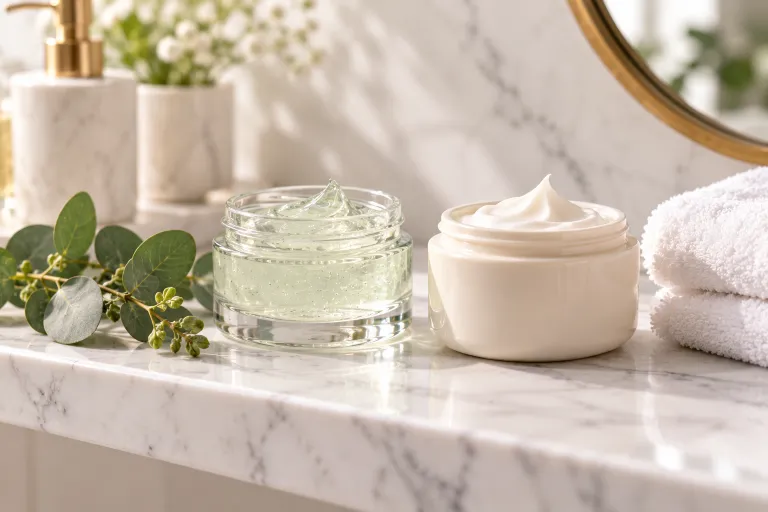
Try keeping two moisturizers on hand, a lightweight gel and a creamier option. Switch between them depending on how your skin feels. Bookmark this idea so you can come back to it when your skin starts acting unpredictable.
4. Stress Hormones Can Mimic Hormonal Breakouts
Cortisol, your main stress hormone, is not just a feeling. It can influence oil production and slow down how quickly your skin recovers from irritation. Many women assume a breakout is purely hormonal when stress is quietly driving it.
Here is something most people overlook. The breakout often appears days after the stressful event, not during it. So the exam week or the busy work deadline gets blamed long after the damage is done.
Build a tiny wind-down habit. Ten minutes of stretching, a short walk after dinner, or a warm shower before bed can help calm your stress response over time.

5. Sleep Is One of the Biggest Hormone Resetters
Sleep is when your body does a lot of its hormone housekeeping. Poor or short sleep can raise cortisol and disturb the hormones that influence hunger and fullness, which is why a bad night often leads to sugar cravings the next day.
Skin feels it too. After a few rough nights, many people notice dullness, puffiness, and dark circles that no concealer fully hides.
Common mistake: Scrolling in bed until midnight and hoping a night cream will repair the damage. Better approach: Dim the lights an hour before bed, keep your phone across the room, and aim for a steady bedtime, even on weekends.

6. Hormonal Changes Can Start Earlier Than You Think
Many women expect big hormonal shifts to arrive only at menopause, but the transition leading up to it, called perimenopause, can begin years earlier. For many, it starts in the 40s, and some notice changes in their late 30s.
Early signs can feel random. Sleep gets lighter, periods become less predictable, skin feels drier, and your mood seems more sensitive than usual. Because these changes are gradual, they are easy to dismiss as stress.
If you are in your late 30s or 40s and something feels different, write down what you notice for a couple of months. Those notes make a conversation with your doctor far more useful.

7. Your Gut and Your Hormones Are in Constant Conversation
It sounds surprising, but your digestion and your hormones influence each other. Research suggests gut bacteria play a role in how the body processes estrogen, and fiber helps move waste, including used hormones, out of the body.
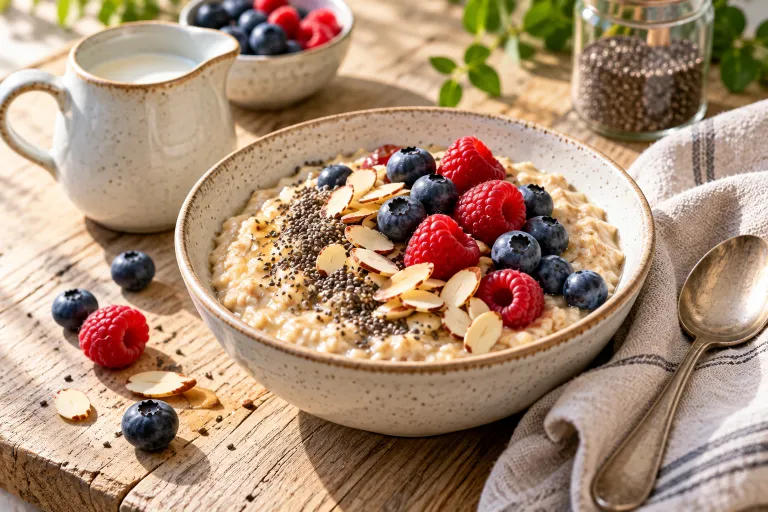
You do not need an extreme gut-health plan. Everyday meals can do a lot. Think a bowl of oatmeal with berries for breakfast, lentil soup for lunch, or a big salad with chickpeas for dinner.
Aim to add one fiber-rich food to each meal rather than overhauling everything at once. Small, steady changes are easier to keep than strict rules.
8. Hormonal Changes Can Affect Your Hair and Nails Too
Hormones influence the hair growth cycle, which is why many women notice extra shedding a few months after having a baby or during times of major stress. Nails can become brittle or slow-growing during these phases as well.
The delay is the part that confuses people. Shedding often shows up two to three months after the trigger, so it feels like it came out of nowhere.
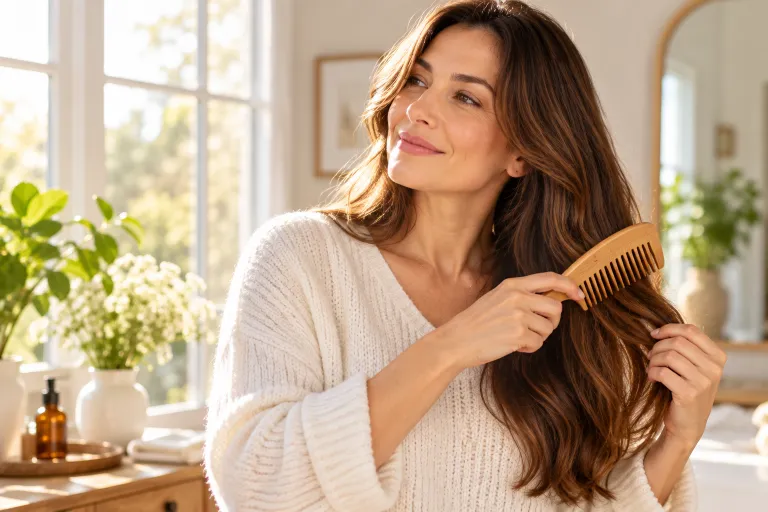
Be gentle during these seasons. Skip tight ponytails, go easy on heat tools, and use a soft brush on damp hair. If shedding lasts longer than a few months, it is worth asking your doctor to check things like thyroid levels and iron.
9. Birth Control and Pregnancy Cause Noticeable Hormonal Changes
Starting, stopping, or switching hormonal birth control can change how your skin and cycle behave. Some women see clearer skin on certain methods, while others notice breakouts or mood changes. Pregnancy and the months after delivery bring some of the biggest hormonal shifts a body can experience.
Here is the part many women are never told. Your skin may need a few months to settle after any big change, so one rough month does not mean you made the wrong choice.
Talk with your doctor before changing anything, and keep your skincare routine simple during transitions. Gentle cleanser, moisturizer, and daily sunscreen cover the essentials.

10. Some Symptoms Deserve a Doctor, Not Just a New Skincare Product
Skincare can support your skin, but it cannot fix an underlying imbalance. Persistent cystic acne, very irregular periods, unusual hair growth on the face, sudden weight changes, constant exhaustion, or ongoing mood changes are worth a medical conversation.
Conditions like thyroid problems and polycystic ovary syndrome are common and often manageable once they are identified. A simple blood test can sometimes give you answers that no serum ever will.
You know your body better than anyone. If something has felt off for weeks, trust that feeling and book the appointment. This is a good section to screenshot and keep handy for when you need the nudge.

Wrapping Up
Hormonal changes can make you feel like your body is working against you, but now you know there is usually a reason behind the shifts. Be kind to yourself on the off days, because your skin, mood, and energy are all responding to real changes. Start with one small habit this week, like a steady bedtime or an extra serving of fiber. Save this article so you can come back to it whenever your body feels a little unpredictable.
This article is for general information and is not medical advice. Please talk with a qualified healthcare professional about any health concerns.
6. Image Alt Text Suggestions
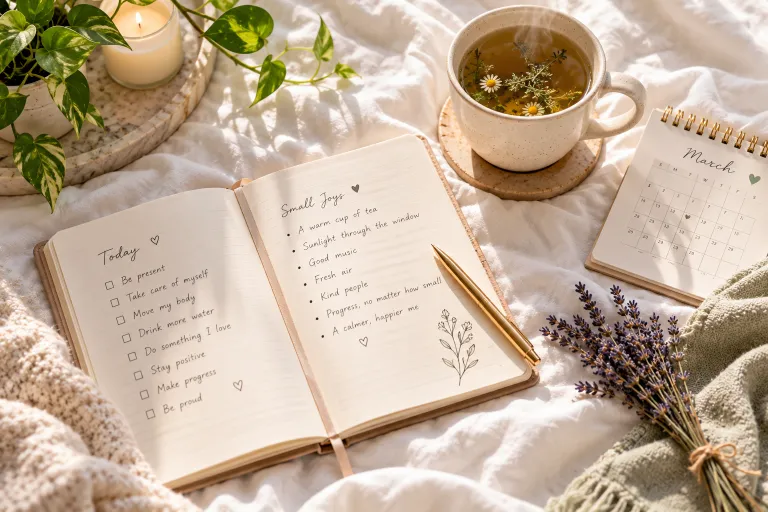
- Journal, herbal tea, and small calendar on a white bedsheet in morning light, representing tracking hormonal changes
- Woman touching her jawline in a bathroom mirror next to a gentle cleanser and moisturizer
- Light gel moisturizer and rich cream jar side by side on a marble bathroom shelf
- Woman stretching on a yoga mat in a cozy living room to reduce stress and support hormone balance
- Tidy bedroom with white linen bedding and a dim bedside lamp for better sleep and hormone health
- Woman in her early 40s writing symptoms in a notebook at a sunny kitchen table
- Bowl of oatmeal topped with berries, chia seeds, and almonds for fiber-rich hormone-friendly eating
- Woman gently brushing long hair with a wide-tooth comb near a bright window
- Simple skincare shelf with gentle cleanser, plain moisturizer, and mineral sunscreen
- Woman talking with a female doctor in a bright office about hormonal health concerns
7. FAQ Section
What are the most common signs of hormonal changes in women?
Common signs include breakouts, irregular periods, trouble sleeping, mood swings, fatigue, and changes in hair or skin texture. These symptoms can have other causes too, so a doctor can help you find out what is behind them.
Can hormonal changes cause acne in adulthood?
Yes, many women get breakouts in their 20s, 30s, and 40s because of hormonal shifts. They often appear around the jawline and chin and may flare around your period.
How can I naturally support my hormones?
Steady sleep, regular movement, balanced meals with plenty of fiber, and stress management all help your body stay in rhythm. These habits support your health but do not replace medical care when symptoms are severe.
At what age do hormonal changes begin to affect women most?
Hormonal changes happen throughout life, including puberty, pregnancy, and the lead-up to menopause. Perimenopause often begins in the 40s, though some women notice early signs in their late 30s.
When should I see a doctor about hormonal changes?
See a doctor if symptoms last more than a few months, get worse, or interfere with daily life. Very irregular periods, severe acne, heavy bleeding, or sudden unexplained changes are good reasons to book a visit.
If you’d like, I can also create the feature image and detailed image prompts for this article.


