

10 Easy Sun Protection Steps for Daily Skincare
Sunscreen sitting in your bathroom drawer does nothing for your skin. If you have ever bought a bottle of SPF with good intentions, only to forget it on the counter three days in a row, you already know how easy it is to fall off track. Sun protection feels like one more thing to remember in a morning that is already rushed. This guide breaks it down into small steps that actually fit into your real routine, not a fantasy one where you have an hour to get ready. By the end, you will have ten simple sun protection habits you can start using tomorrow morning.
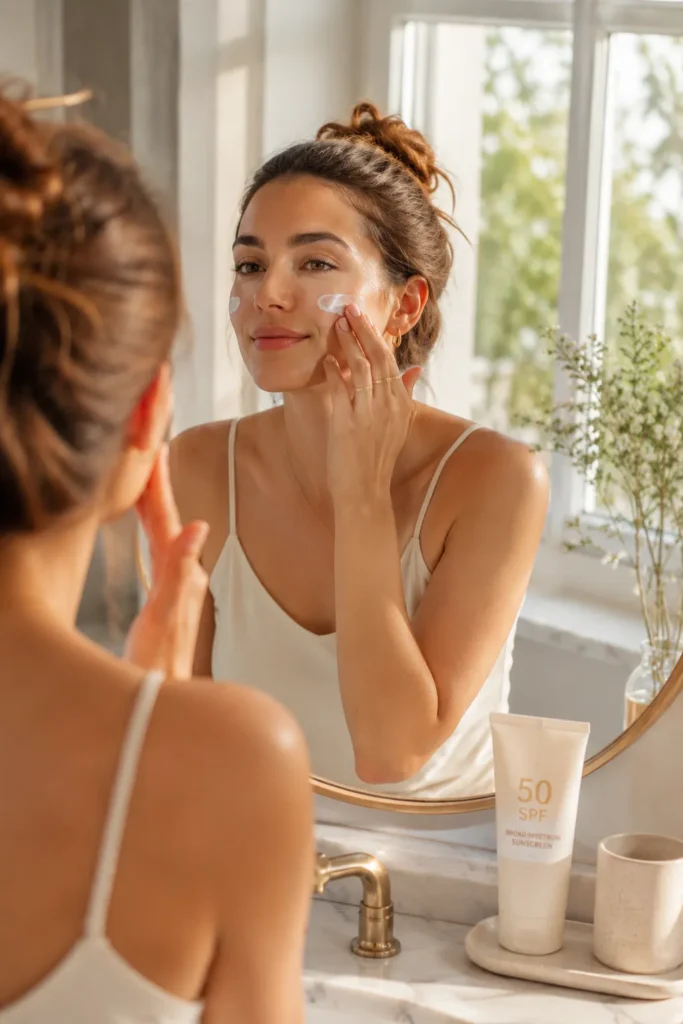
1. Apply Sunscreen Before Anything Else Touches Your Face
Most people layer sunscreen on top of moisturizer and call it done, but the order matters more than you think. Sunscreen needs direct contact with skin to form an even barrier, so put it on right after cleansing, before serums that are meant to sit closer to the skin.
A common mistake is applying sunscreen last, after makeup, which leaves gaps in coverage exactly where you need it most. Fix this by treating sunscreen as its own step, not an afterthought squeezed in at the end.
For oily skin, a gel based SPF works well in this spot. For dry skin, look for one with hyaluronic acid so it feels hydrating instead of tight.
2. Use Two Fingers Worth of Product, Not a Dab
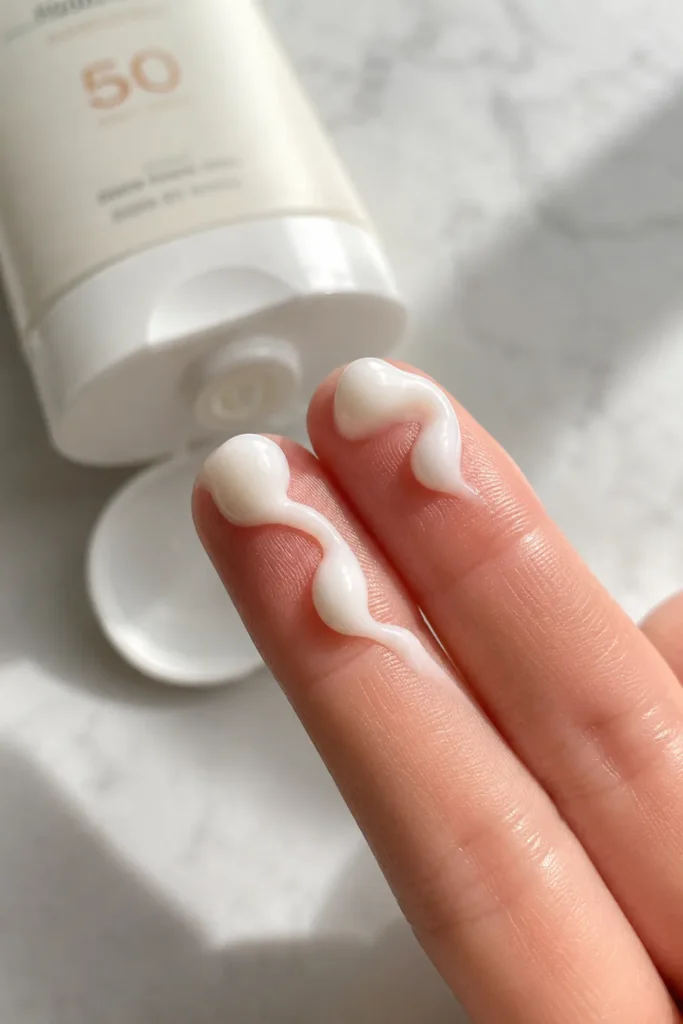
The two finger rule is one of those details most people have never heard, and it explains why sunscreen often does not work as well as the label promises. Squeeze sunscreen along your index and middle finger, full length, and that is the amount your face and neck need.
A dab the size of a pea will not give you the SPF number printed on the bottle. Dermatologists have pointed out for years that most people apply far less than the amount used in lab testing, which quietly lowers real world protection.
This matters most in summer or at high altitude, where UV exposure is stronger even on cloudy days.
3. Do Not Skip Your Neck and Ears
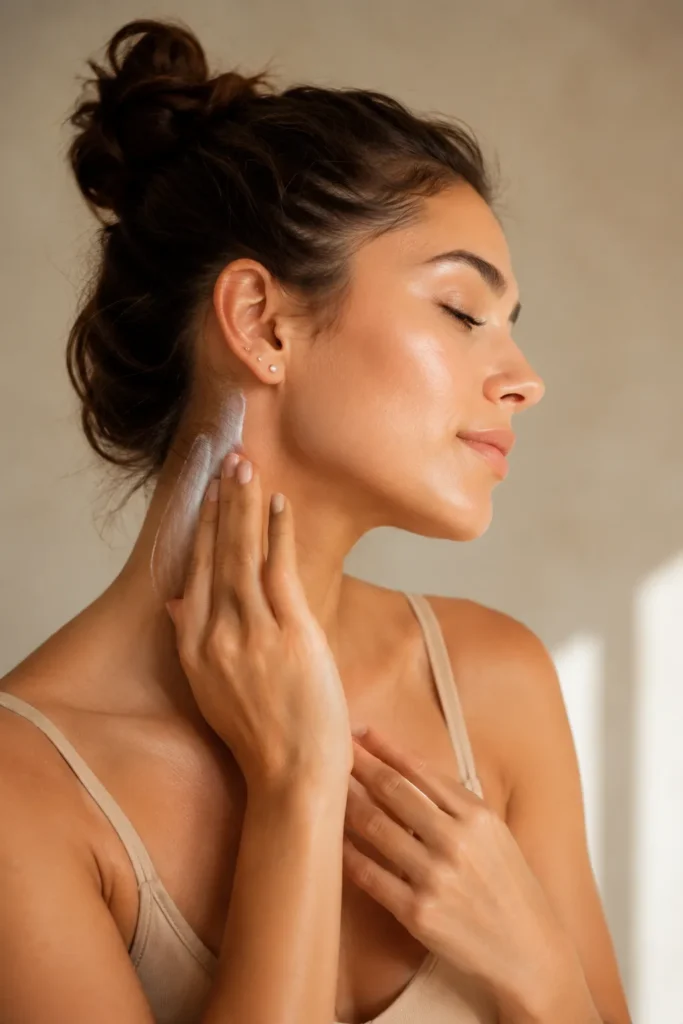
Your face gets all the attention, but your neck and ears are just as exposed and often get left out completely. This is one of those areas where sun damage shows up years later as uneven tone or fine lines that seem to appear out of nowhere.
Swipe leftover sunscreen from your fingers down your neck and across your ears every single morning. It takes ten extra seconds and covers skin that sees just as much sun as your cheeks.
This step matters most for anyone who wears their hair up often, since exposed ears and neck skin get direct sun with nothing blocking it.
4. Choose Broad Spectrum, Every Time
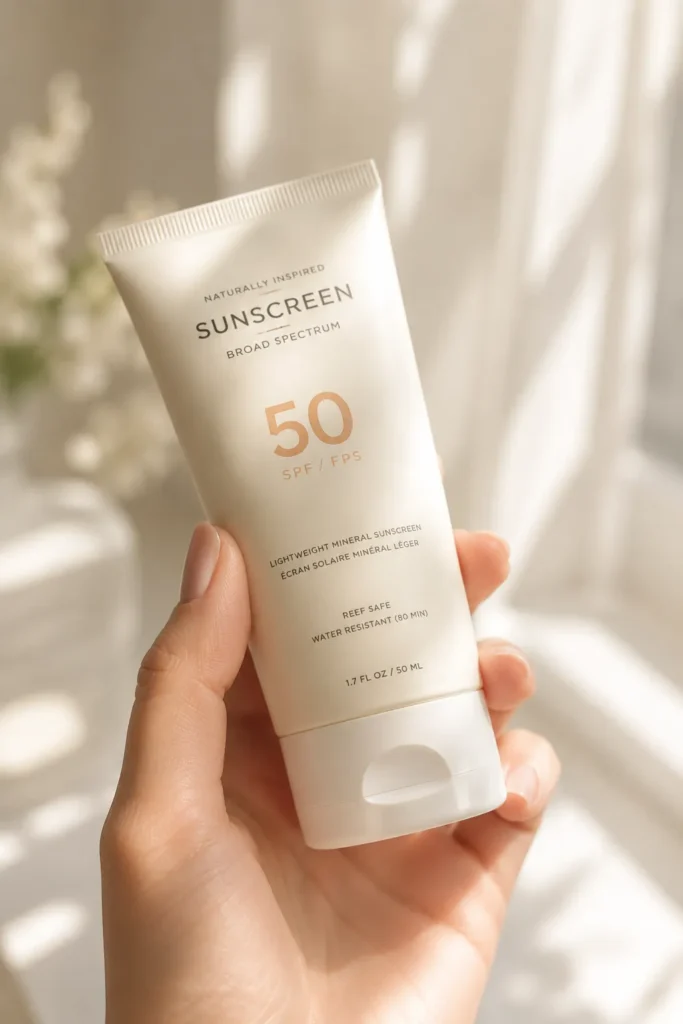
Not all sunscreen labels are equal, and this is where a lot of confusion starts. Broad spectrum means the product blocks both UVA and UVB rays, while a sunscreen without that label may only block one type.
UVA rays are the ones tied to premature aging and dark spots, and they pass through clouds and windows, which is why broad spectrum protection matters even on a gray day or during a long car ride.
[INTERNAL LINK OPPORTUNITY: how to read a sunscreen label]
Check the front of the bottle before you buy. If it does not say broad spectrum, put it back and choose one that does.
5. Reapply at Midday, Not Just in the Morning
Here is something most people get wrong. Sunscreen from your morning routine starts losing effectiveness after about two hours, especially if you sweat, touch your face, or spend time outside.
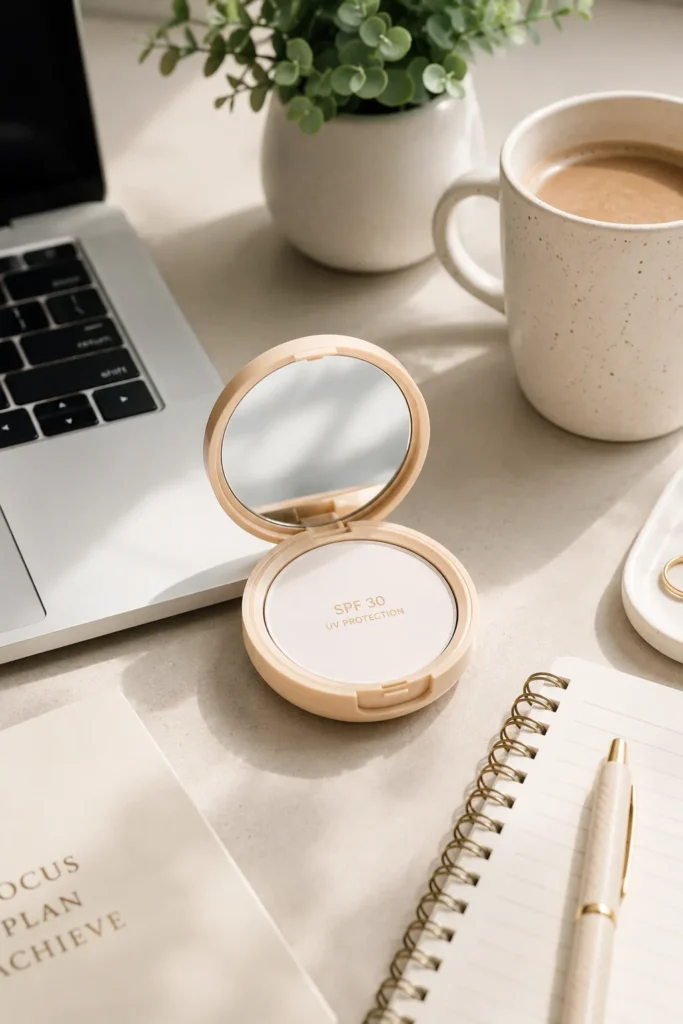
A quick fix that works for most schedules is keeping a powder or spray SPF at your desk or in your bag for a midday touch up. You will not need to redo your makeup, and it takes less than a minute.
This is especially useful for anyone who walks to lunch, sits near a sunny window at work, or spends part of the day outdoors running errands.
6. Protect Your Lips Too
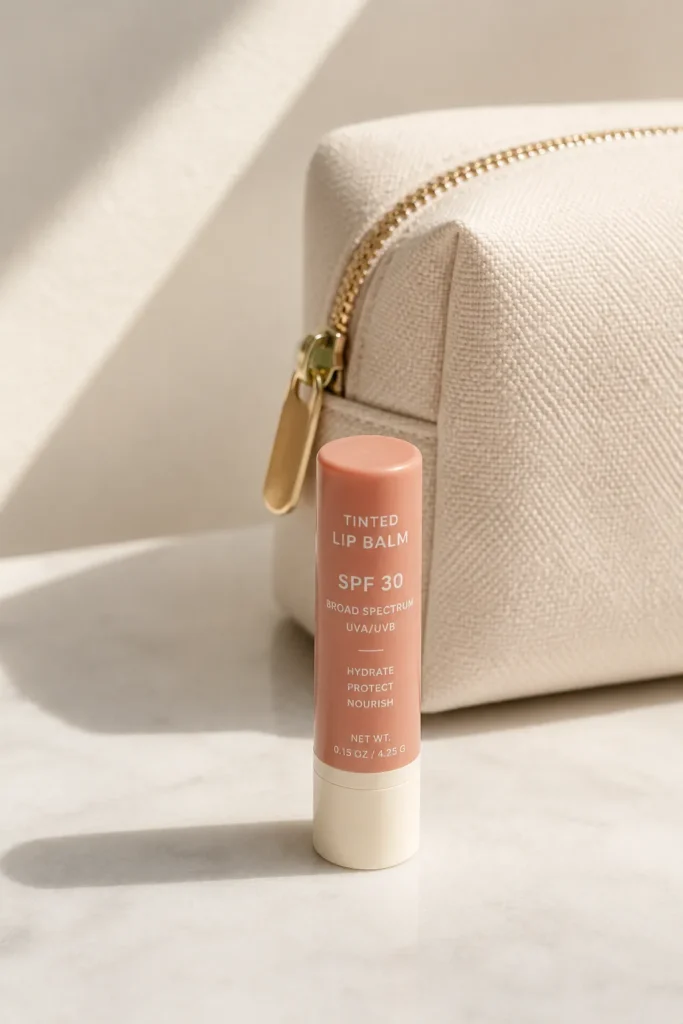
Lips are skin, but they rarely get sunscreen, and they burn just as easily as the rest of your face. Over time, unprotected lips can become dry, chapped, and more prone to sun damage that shows up as dark patches along the lip line.
Keep a lip balm with SPF 15 or higher in your bag and reapply it the same way you would reapply regular lip balm throughout the day.
This is a small habit that costs almost nothing but saves you from a spot people often forget until it is already a problem.
7. Wear Sunscreen Even on Cloudy Days
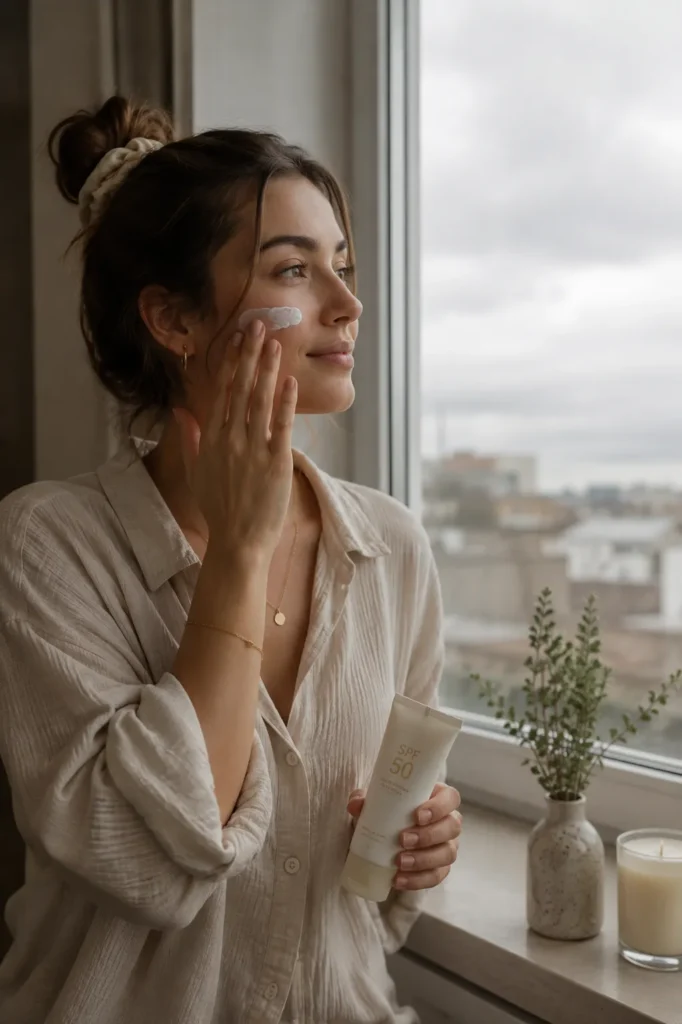
This is the piece of advice most people ignore, and it explains a lot of unexplained sun damage. Clouds block visible light, which is why it feels cooler, but up to 80 percent of UV rays still pass through cloud cover and reach your skin.
Save this idea for the next time the sky looks gray and you are tempted to skip your SPF. Treat sunscreen as a daily habit tied to getting dressed, not to whether the sun is visibly shining.
This matters most in fall and winter, when people relax their sun care simply because it does not feel like summer.
8. Layer SPF Under Makeup the Right Way
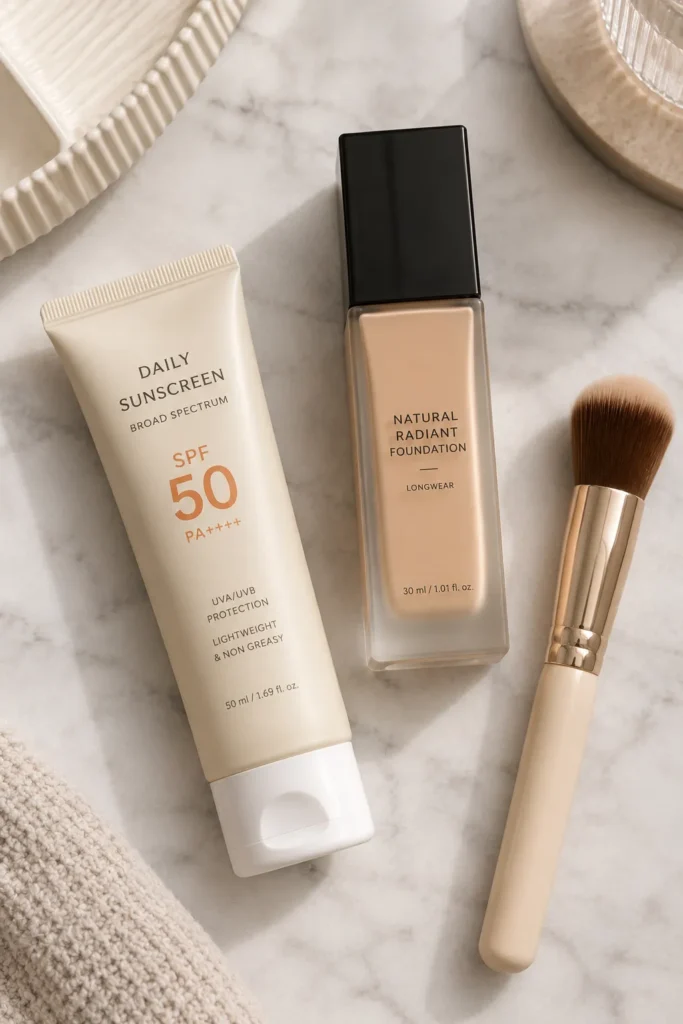
If you wear foundation or tinted moisturizer, layering matters. Let your sunscreen sit for about a minute before applying anything else, so it has time to settle into the skin instead of pilling or sliding around under makeup.
A common mistake is applying a heavy sunscreen right before a full face of makeup, which can cause everything to slip by midday. Choose a lightweight, fast absorbing formula if you plan to wear makeup on top, and give it a moment to set.
This works especially well for anyone with combination skin who struggles with makeup breaking down by early afternoon.
9. Protect Your Hands While You Drive or Work
Hands age faster than most people expect, largely because they get constant sun exposure that nobody thinks to block. Driving is one of the biggest offenders, since UVA rays pass straight through car windows and hit the hands on the wheel every single day.
A simple fix is keeping hand cream with SPF in your car or by your desk, and applying it the same way you would lotion. Over time, this habit protects against the dark spots and thinning skin that often show up on hands before anywhere else.
This is worth remembering if you commute often or work near a sunny window during the day.

10. Pair Sunscreen With Physical Coverage When You Can
Sunscreen is not the only tool you have, and combining it with physical barriers gives your skin extra protection without extra effort. A wide brim hat, sunglasses, or a light scarf around the neck can block a meaningful amount of UV exposure during long stretches outside.
This pairing matters most during activities like walking, gardening, or sitting outside for an event, where reapplying sunscreen every two hours is not always realistic.
Think of physical coverage as backup, not a replacement. Sunscreen still does the daily work, but a hat on a long outdoor afternoon gives your skin a break it will thank you for later.

Final Thoughts
Sun protection does not have to be complicated or take up half your morning. Once these small steps become part of your routine, they stop feeling like extra work and start feeling automatic, the same way brushing your teeth does. Your future skin will thank you for the effort you put in today. Save this list and try adding just one or two of these steps to your routine this week, then build from there.
Image Alt Text Suggestions
- Woman applying sunscreen to her face in morning light near a bathroom mirror
- Sunscreen being squeezed onto two fingers next to an open bottle
- Woman applying sunscreen to her neck and ears with hair tied up
- Hand holding a broad spectrum sunscreen bottle near a sunlit window
- SPF powder compact on a desk next to a laptop and coffee cup
- Tinted SPF lip balm tube next to a small makeup bag
- Cloudy sky with a woman applying sunscreen before going outside
- Flat lay of sunscreen, foundation, and a makeup brush on a vanity
- Hands on a car steering wheel with sunlight coming through the windshield
- Woman wearing a wide brim hat and sunglasses walking outside on a sunny day
FAQ Section
Do I need sunscreen every day, even if I stay indoors most of the time? Yes, especially if you sit near windows, since UVA rays pass through glass. Even short walks to your car or mailbox add up over time.
What SPF number should I use for daily wear? SPF 30 is the general minimum for daily protection, though many dermatologists recommend SPF 50 if you spend a lot of time outside. Higher SPF gives you a wider margin if you apply less than the ideal amount.
Can I skip sunscreen on cloudy or rainy days? No, clouds only block visible light, not most UV rays. Up to 80 percent of UV exposure still reaches your skin through cloud cover.
Is chemical or mineral sunscreen better for daily use? Both work well when used correctly. Mineral sunscreen tends to suit sensitive skin better, while chemical formulas often feel lighter under makeup.
How often should I reapply sunscreen during the day? Every two hours is the general rule, especially if you are outside, sweating, or in direct sun. A powder or spray SPF makes midday reapplication easier over makeup.
Does sunscreen expire? Yes, most sunscreen lasts about one to three years unopened, and effectiveness drops after the expiration date. Check the bottle for a date and replace it once it has passed.


