

10 Acne Tips for Clearer-Looking Skin Every Day
You wake up, check the mirror, and there it is again. A new spot right where you were hoping for a good skin day. Acne can make even a normal morning feel heavy, and it is easy to feel like you are doing everything wrong. The good news is that small, steady habits usually do more than any miracle product. This guide gives you 10 practical acne tips you can start using today, with no complicated routine required.
1. Wash Your Face Twice a Day, Gently
Think of your cleanser as a soft reset, not a scrub-down. Wash once in the morning and once at night, using lukewarm water and your fingertips for about 30 to 60 seconds.
The common mistake is scrubbing hard to “get the acne out.” Rough scrubbing irritates the skin, and irritated skin often produces more redness and more breakouts. Choose a gentle, fragrance-free gel or foaming cleanser instead, then pat your face dry with a clean towel rather than rubbing.
Picture your skin feeling clean and calm afterward, not tight or squeaky. That tight feeling is a sign the cleanser is too strong for you. A good rule for busy mornings: if you only have time for one thorough wash, make it the night one, because that is when makeup, sunscreen, and the day’s oil need to come off.

2. Choose Non-Comedogenic Products
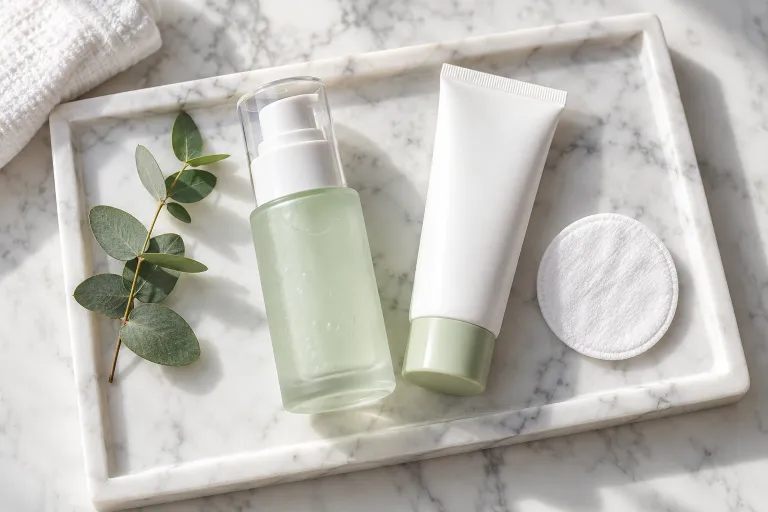
Look for the words “non-comedogenic” on the label of your moisturizer, sunscreen, and makeup. It means the product is formulated to avoid clogging pores.
Many people with acne-prone skin skip moisturizer because they fear it will feel greasy. That backfires, since dry skin can trigger extra oil. A lightweight, oil-free gel moisturizer keeps your skin barrier comfortable without leaving a shiny film.
Here is a small detail that saves money: you do not need a pricey product for this. Plenty of drugstore options in the $8 to $15 range are labeled non-comedogenic and work well for daily use. Keep this tip handy for your next shopping trip, since the label check takes only a few seconds.
3. Add a Gentle Acne-Fighting Ingredient
Two ingredients show up again and again in acne care: salicylic acid and benzoyl peroxide. Salicylic acid works inside the pore to loosen buildup, while benzoyl peroxide targets acne-causing bacteria on the surface.
Start slow. Use a low strength, like 2% salicylic acid or 2.5% benzoyl peroxide, only two or three evenings a week, then build up as your skin allows. Jumping in every night with a strong formula is the fast track to peeling and stinging.
Most people overlook one thing here: pick one active to begin with, not three. Layering several at once can leave skin red and sore, which makes acne look worse. Also note that benzoyl peroxide can bleach towels and pillowcases, so use white ones.
4. Never Skip Sunscreen
Sunscreen might be the most underrated part of an acne routine. Sun exposure can darken the marks that breakouts leave behind, so those spots hang around far longer than they need to.
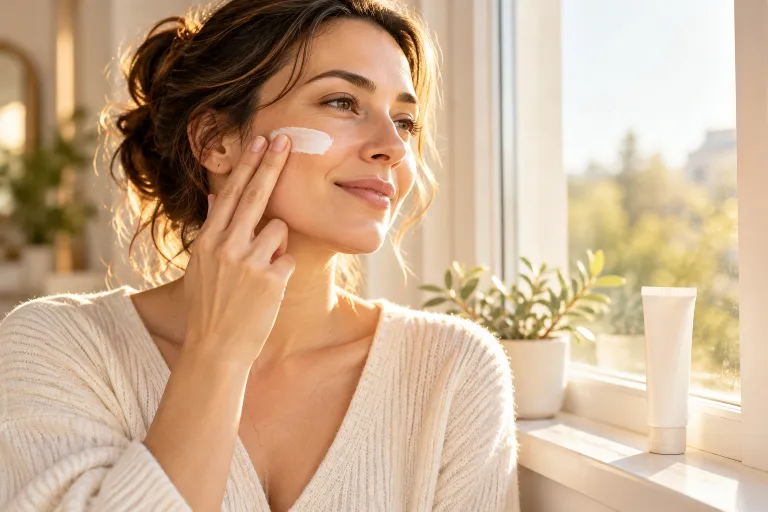
Pick a lightweight, oil-free formula labeled non-comedogenic, and apply it as the last step every morning, even on cloudy days. Gel fluids and mineral formulas often feel more comfortable on breakout-prone skin than thick creams.
Imagine a sunscreen that sinks in quickly and leaves a soft, natural finish under makeup. If a formula feels heavy or leaves you shiny by noon, try another texture instead of skipping it. It is worth trying a few until one feels effortless.
5. Keep Your Hands Off Your Face
Your hands touch phones, door handles, and keyboards all day. Every time you rest your chin in your palm, you may be moving oil and dirt onto your skin.
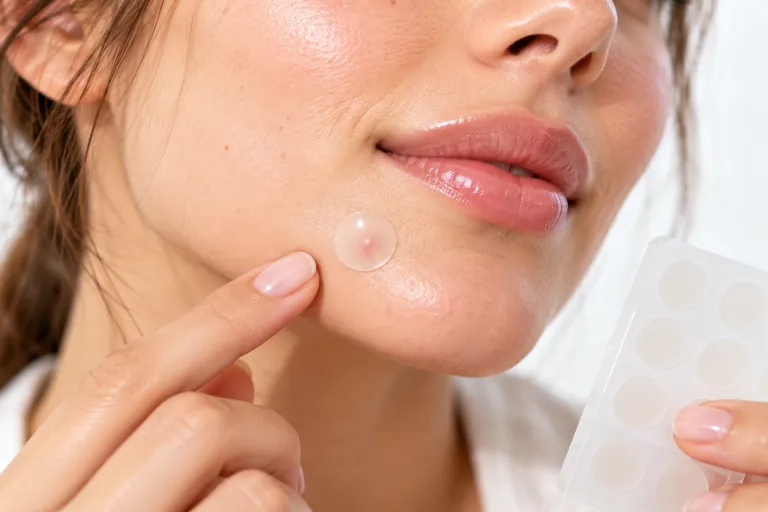
The bigger habit to break is picking. Squeezing a spot can push bacteria deeper, and it often leads to a scab, then a dark mark that lingers for weeks. If you feel the urge, cover the spot with a small hydrocolloid patch. It protects the area, absorbs fluid, and physically blocks your fingers.
Try keeping a pack of patches in your bag, on your nightstand, and by your bathroom mirror. When the patch is already in your hand, the picking habit fades faster than you would expect.
6. Change Your Pillowcase Often
You spend about a third of your life with your cheek pressed to your pillow, so it matters. Oil, hair products, and sweat collect on the fabric and go right back onto your skin.
Swap your pillowcase every two to three days if your skin is breaking out, or at least once a week if things are calm. Buy a few extra in soft cotton or silk so laundry day never becomes an excuse.
A small pitfall: strongly scented detergent can irritate sensitive skin. Choose a fragrance-free one, and you may notice fewer red patches by the morning. Add it to your weekly reset list, right beside changing your towels.

7. Be Careful With Makeup and Hair Products
Foundation, concealer, and even hair oils can sit on the skin and clog pores, especially along the forehead and jawline. That is why breakouts sometimes appear right where your hair or bangs rest.
Choose oil-free, non-comedogenic makeup, and always remove it before bed with a gentle cleanser. Wash makeup brushes and sponges weekly, since they collect old product and bacteria. If hair products are the suspect, keep them away from your hairline when styling.
Try this quick test: if you notice new bumps along your hairline, look at your shampoo, conditioner, and styling cream first. A simple swap is often all it takes.

8. Eat and Drink in a Way That Supports Your Skin
Food is not the sole cause of acne, but for some people certain patterns seem to make a difference. High-sugar foods and, for some, dairy are commonly mentioned as possible triggers, though research is still mixed.
Rather than cutting out entire food groups, keep a simple two-week note in your phone. Write down what you ate and how your skin looked. If a pattern shows up, adjust one thing at a time. Add colorful fruits, vegetables, and plenty of water, since they support your overall health.
Picture a plate with leafy greens, berries, and whole grains, and you have a good start. Drastic diets are hard to keep up, so small, sustainable swaps beat strict rules every time.

9. Manage Stress and Protect Your Sleep
When you are stressed, your body releases hormones that can increase oil production, and that may show up as a fresh round of breakouts before a big week. It is one of the most overlooked links between daily life and skin.
You do not need a spa retreat. Ten minutes of walking, some stretching, or a quiet wind-down before bed can help. Aim for seven to nine hours of sleep when you can, and try to keep a steady bedtime.
A simple evening idea: dim the lights, put your phone across the room, and finish with your skincare steps as a calm ritual. Treating your routine as a moment of care, not a chore, makes it easier to stick with.

10. Give Your Routine Time and Know When to See a Doctor
Most acne products need six to eight weeks to show clear results. Switching products every few days keeps your skin in a constant state of confusion, and that can look like acne that never improves.
Pick a simple routine, stick with it, and take a photo in the same light every two weeks so you can see real progress. If your acne is painful, deep, leaves scars, or does not improve after two months, book an appointment with a dermatologist. Prescription options can help when store-bought products are not enough, and getting help early can protect your skin.
There is no shame in asking for support. Think of it as a shortcut to finding what works for your skin, not a sign that you failed.

Conclusion
Clearer-looking skin rarely comes from one dramatic fix. It comes from gentle, repeated choices, like washing kindly, protecting your skin from the sun, and keeping your hands away. If those mornings in front of the mirror have felt discouraging, remember that every small habit you add is quietly working in your favor. Pick just two tips from this list and try them this week. Then save this guide so you can return to it whenever your skin needs a fresh start.
6. Image Alt Text Suggestions
- Woman splashing lukewarm water on her face at a bright bathroom sink beside a gentle acne cleanser
- Flat lay of non-comedogenic gel moisturizer and sunscreen on a white marble tray for acne-prone skin
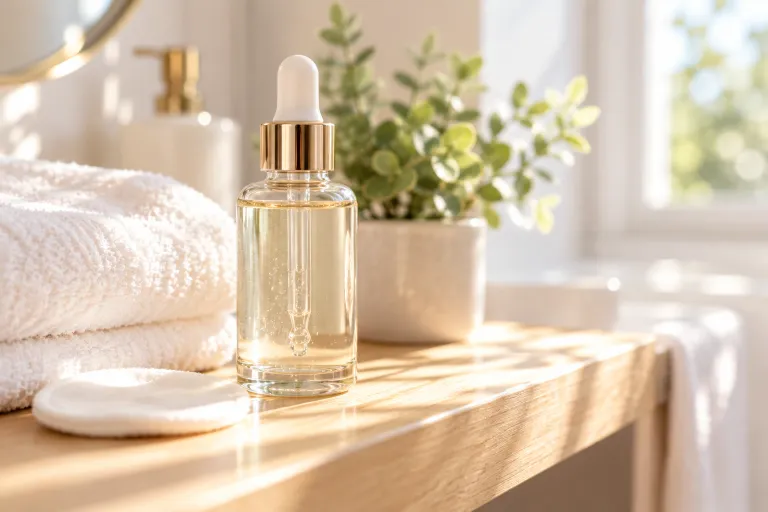
- Salicylic acid toner bottle with cotton pad and white towel on a bathroom shelf
- Woman applying lightweight oil-free sunscreen to her cheek near a sunny window
- Close-up of a hydrocolloid acne patch on a chin with a hand holding the patch sheet
- Freshly made bed with clean white pillowcases and a spare pillowcase for acne care
- Clean makeup brushes drying on a towel next to brush cleanser
- Colorful breakfast bowl with berries and oats beside a glass of water for healthy skin
- Cozy bedroom at night with a lamp and skincare tray for a calming bedtime routine
- Smiling woman in a bathroom mirror with a notebook tracking her acne skin progress
7. FAQ Section
Q1: What is the fastest way to get rid of acne?
There is no instant fix, but a gentle cleanser, a low-strength salicylic acid or benzoyl peroxide product, and a hydrocolloid patch on single spots work best together. Most people see real changes after six to eight weeks of steady use.
Q2: Can I wear makeup if I have acne?
Yes. Choose oil-free, non-comedogenic formulas, keep your brushes clean, and always remove makeup before bed. Skipping the removal step often causes more trouble than the makeup itself.
Q3: Does drinking more water clear acne?
Water supports your overall health, but it is not a stand-alone acne treatment. Think of it as one helpful habit beside a consistent routine, not a replacement for it.
Q4: Why do I still get acne as an adult?
Adult acne is common and can be linked to hormones, stress, sleep, or certain products. Women in their 25 to 45 range often notice breakouts around the jawline and chin, especially near their cycle.
Q5: How often should I exfoliate if my skin is acne-prone?
Once or twice a week is usually plenty with a gentle chemical exfoliant, like a low-strength salicylic acid. Over-exfoliating can strip the skin and make breakouts look worse.
Q6: When should I see a dermatologist for acne?
See one if your acne is deep, painful, scarring, or not improving after about two months of consistent care. A dermatologist can offer prescription options that go beyond what store products can do.


