

10 Face Acne Tips for Clearer, Healthier-Looking Skin
You wake up, check the mirror, and there it is again: a new bump right where you were hoping for a clear day. Dealing with face acne in your 30s or 40s can feel unfair, especially when you thought you left it behind in high school. The good news is that most breakouts respond to a calm, consistent routine, not a shelf full of harsh products. Here are 10 practical tips to help your skin look clearer and feel healthier, starting this week.
1. Cleanse Gently Twice a Day
Picture a soft, cushiony foam melting dirt off your face instead of a squeaky, tight, stripped feeling.
Washing once in the morning and once at night is enough for most skin. A gentle gel or foaming cleanser with a balanced pH works well, and many good ones cost between $8 and $15 at the drugstore.
The mistake: scrubbing hard or washing four times a day because the skin “feels oily.” Over-washing damages your skin barrier, which can make your skin produce more oil and feel more irritated.
The fix: use lukewarm water, massage the cleanser in for about 30 seconds with your fingertips, rinse well, and pat dry with a clean towel. If you work out midday, one extra rinse after sweating is fine.

2. Start With One Proven Acne Ingredient
Walk down any skincare aisle and the labels start to blur. Narrow it down to one active and give it time.
Three over-the-counter options have solid track records for acne-prone skin. Salicylic acid (around 2 percent) helps clear clogged pores. Benzoyl peroxide (2.5 to 5 percent) targets acne-causing bacteria. Adapalene (0.1 percent, now sold without a prescription in many places) helps keep pores from clogging in the first place.
Pick one and use it a few nights a week at first. Most people need 6 to 8 weeks to judge whether something is working. Using three new actives at once is the fastest way to red, peeling skin and no idea which product caused it.
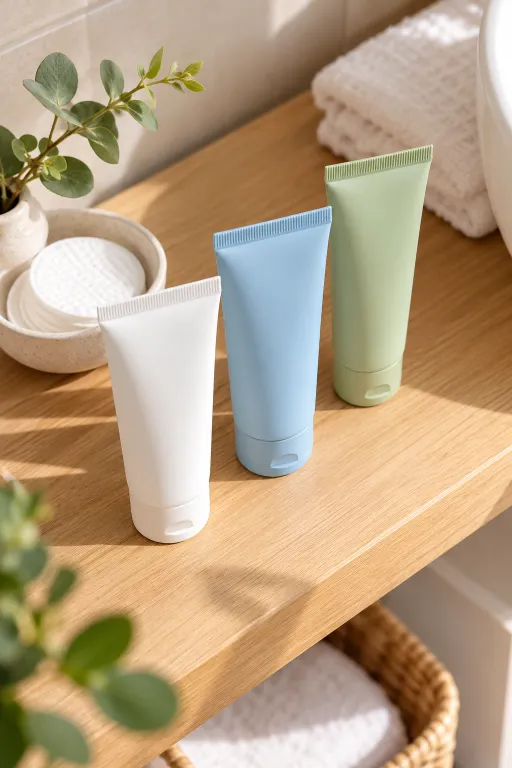
3. Never Skip Moisturizer, Even With Oily Skin
Here is something many people overlook: dry, dehydrated skin can look and feel oilier and break out more.
Acne treatments are drying by nature, so a lightweight moisturizer keeps your barrier steady. Look for gel or lotion formulas labeled non-comedogenic, which means they are made not to clog pores. Ingredients like glycerin, hyaluronic acid, and ceramides are gentle choices.
Apply it to slightly damp skin right after cleansing. If you are using an active ingredient at night, you can put moisturizer on first for a buffer if your skin feels sensitive.
Bookmark this one for the week your skin starts peeling from a new treatment. A good moisturizer is often what saves your routine.
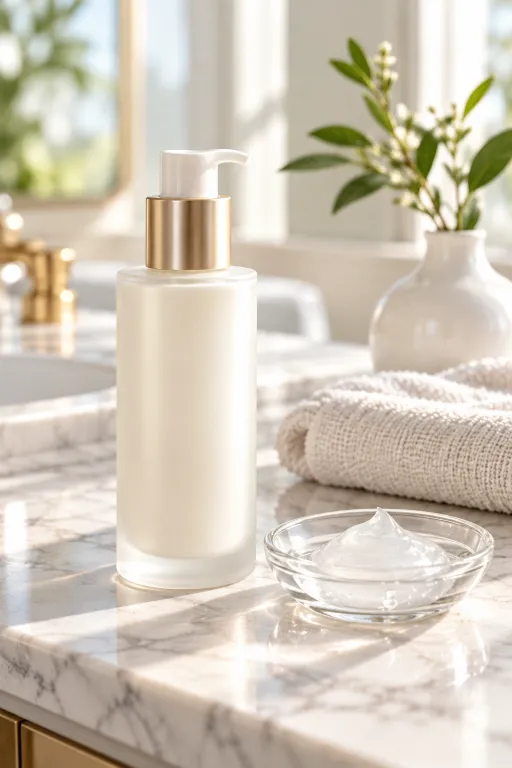
4. Wear Sunscreen Every Single Morning
Those stubborn dark marks left behind after a pimple heals? Sun exposure makes them stick around longer.
A broad-spectrum SPF 30 or higher, applied as the last step of your morning routine, protects healing skin and helps marks fade more evenly. Many acne treatments also make your skin more sun-sensitive, so this step matters even more.
Skip heavy, greasy formulas. Gel sunscreens, fluid textures, and ones labeled oil-free or non-comedogenic tend to sit more comfortably on breakout-prone skin. Use about a quarter teaspoon for your face, and reapply if you are outdoors for hours.
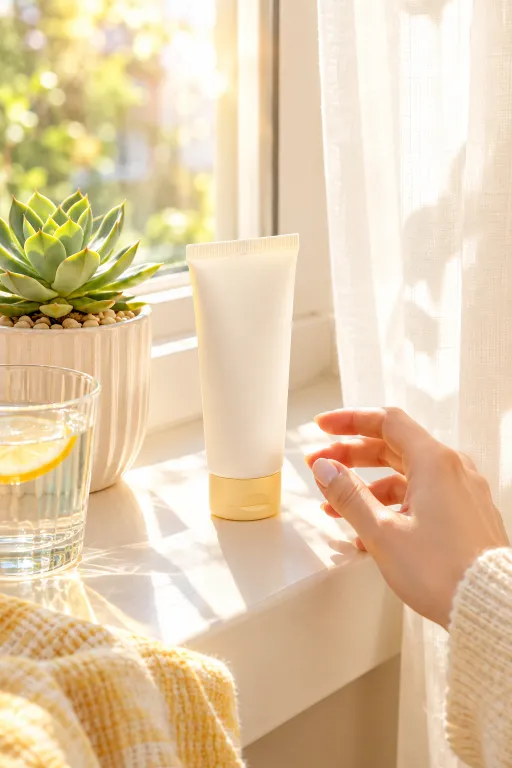
5. Resist Picking, and Use a Pimple Patch Instead
That tiny whitehead looks so easy to pop. Two weeks later you are looking at a scab and a mark that lingers for months.
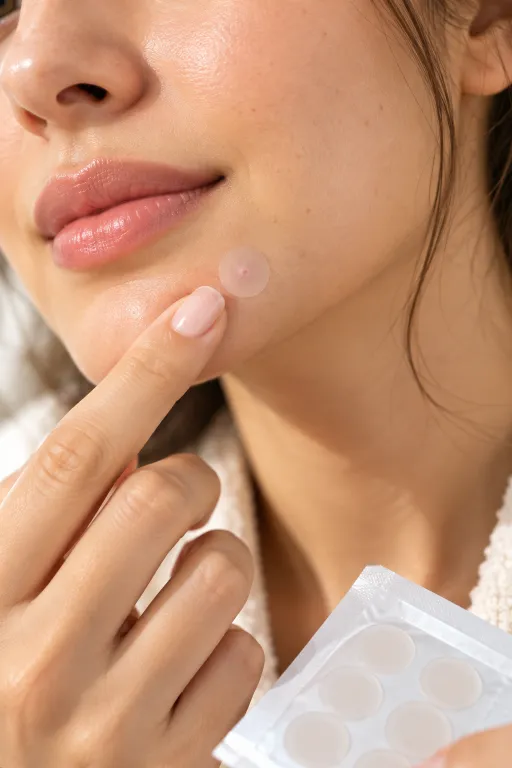
Squeezing pushes bacteria and inflammation deeper into the skin, which raises the chance of scarring and dark spots. Hydrocolloid pimple patches, usually $5 to $8 for a pack, are a smart swap. They absorb fluid from a surface-level pimple, protect it from your fingers, and keep the area moist while it heals.
Stick one on at night after cleansing, and leave it until it turns white and puffy. For deep, painful bumps without a head, a patch will not do much, so leave those alone and let your treatment work.
6. Wash Pillowcases and Clean Your Phone Screen
Your face spends about eight hours a night pressed against fabric, and your cheek rests against your phone all day.
Both collect oil, dead skin, hair product, and bacteria. Changing your pillowcase every 2 to 3 days is ideal if your skin is actively breaking out, and once a week is a reasonable minimum. Keep a stack of cheap cotton cases so swapping feels effortless.
Wipe your phone screen daily with an alcohol-based wipe, and avoid pressing it to your jaw during calls. If breakouts keep showing up on one cheek, the side you sleep on or hold your phone to is worth a second look.

7. Be Picky With Natural and Home Remedies
Natural does not always mean gentle, and this is where many people get burned, sometimes literally.
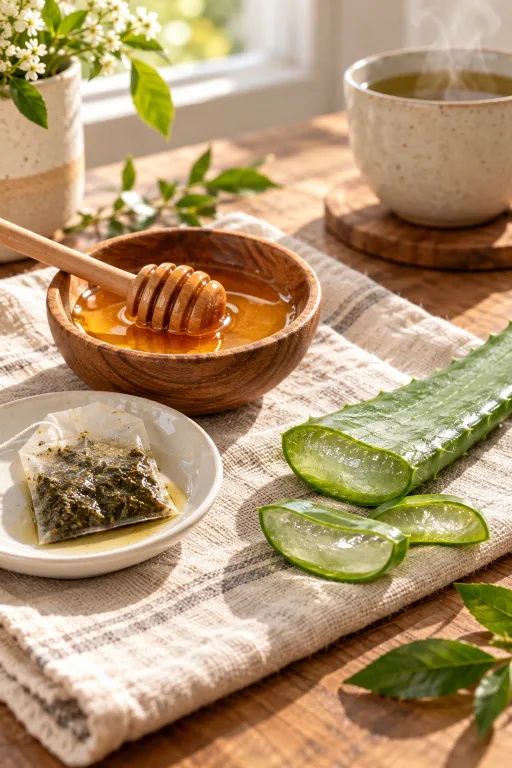
Remedies that are generally mild include a cooled green tea compress to calm redness, a thin layer of raw honey as a short mask, and pure aloe vera gel for soothing. Patch test on your inner arm first, because even gentle ingredients can irritate some people.
Skip lemon juice, baking soda, toothpaste, and cinnamon masks. They can disrupt your skin’s natural pH and cause burns, redness, or dark patches. Think of home remedies as soothing extras, not replacements for a proven active ingredient.
8. Check Your Makeup, Hair Products, and Hairline
Sometimes the cause of a breakout is hiding in your bathroom cabinet, not your cleanser.
Heavy foundations, thick concealers, and oil-rich hair products like pomades and some conditioners can clog pores along the forehead, temples, and jawline. If you tend to break out along your hairline, try switching to lighter, oil-free formulas and rinse hair products thoroughly.
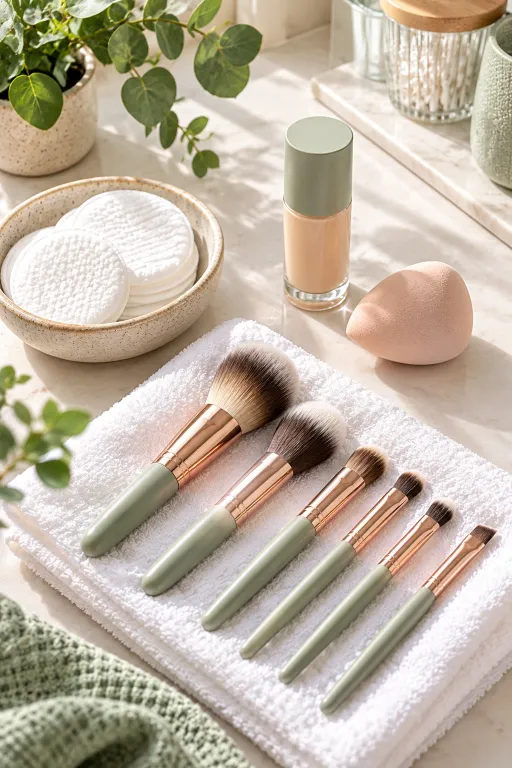
Clean makeup brushes and sponges once a week with a gentle soap. Always remove makeup before bed, even when you are exhausted. A cleansing balm or micellar water followed by your regular cleanser takes about two minutes and makes a real difference.
9. Look at Sleep, Stress, and Food Patterns
Skin does not live in isolation. If your breakouts flare during stressful weeks, you are not imagining it.
Stress can raise hormones that increase oil production, and poor sleep makes it harder for skin to recover. Aim for a steady bedtime and a few minutes of something calming, like a short walk or stretching.
Food research is more mixed. Some people notice flares with high-sugar foods or large amounts of dairy, while others see no link. Instead of cutting out entire food groups, keep a simple two-week note on your phone with meals and breakouts. If a pattern shows up, you will spot it without guessing.

10. Know When to See a Dermatologist
If you have done 8 to 12 weeks of a steady routine and your skin is not improving, that is useful information, not a failure.
Book an appointment if your acne is deep, painful, or leaving scars, if it flares around your period or jawline in a steady monthly pattern, or if it is affecting your confidence. A dermatologist can offer prescription options such as stronger topical treatments, oral medications, or hormonal therapies, tailored to you.
Bring a list of the products you use and when your breakouts started. It helps the visit go faster and gets you a clearer plan.

Final Thoughts
Face acne can make a normal morning feel heavy, but your skin is not working against you. It simply responds best to patience, gentle care, and a routine you can actually stick to. Pick one or two tips from this list and try them for the next few weeks. Save this article so you can come back to it whenever your skin needs a reset.
6. Image Alt Text Suggestions
- Woman rinsing foamy cleanser from her face at a white bathroom sink for face acne care
- Three over-the-counter acne treatment tubes arranged on a bathroom shelf
- Lightweight non-comedogenic moisturizer pump bottle on a marble vanity
- Broad-spectrum sunscreen tube on a sunny windowsill for acne-prone skin
- Hydrocolloid pimple patch applied to a chin to treat a breakout
- Fresh white pillowcases on a made bed with a phone on the nightstand
- Bowl of raw honey and green tea bag as gentle home remedies for acne
- Clean makeup brushes drying next to an oil-free foundation bottle
- Herbal tea, notebook, and lamp on a calming nighttime nightstand
- Dermatologist consultation about persistent face acne in a bright clinic
7. FAQ Section
How long does it take for face acne to clear up?
Most over-the-counter treatments need 6 to 8 weeks before you can judge results, and some skin takes up to 12 weeks. Skin often looks a bit worse before it improves, so consistency matters more than switching products quickly.
Can drinking more water clear acne?
Staying hydrated supports overall health, but there is no strong proof that water alone clears acne. Treat it as a helpful habit alongside a proper skincare routine, not a standalone fix.
Is it okay to use toothpaste on a pimple?
It is best to avoid it. Toothpaste contains ingredients that can irritate or burn the skin and may leave a dark mark. A hydrocolloid patch or a small dab of benzoyl peroxide is a safer spot treatment.
Why do I still get acne as an adult?
Adult acne is common and is often linked to hormone shifts, stress, certain skincare or hair products, and genetics. If it clusters around your jawline and chin or flares monthly, a dermatologist can help check for hormonal causes.
Should I use acne treatments on my whole face or just on pimples?
For ingredients like salicylic acid or adapalene, applying a thin layer to the whole breakout-prone area helps prevent new pimples from forming. Spot treatments only work on existing blemishes, so many people use both for different purposes.


