

12 SPF 50 Sunscreens for Smooth and Protected Skin
If you have ever bought a sunscreen, used it twice, and then let it sit in your bathroom cabinet for months, you are not alone. Maybe it left a white cast on your skin. Maybe it felt so heavy your face looked shiny by noon. Or maybe you just were not sure if SPF 50 was even necessary for your skin type. Sunscreen should not feel like a chore or a compromise, and the right formula can actually feel good to wear every single day. This list walks through 12 SPF 50 sunscreens worth trying, along with what makes each one work for different skin types and lifestyles.
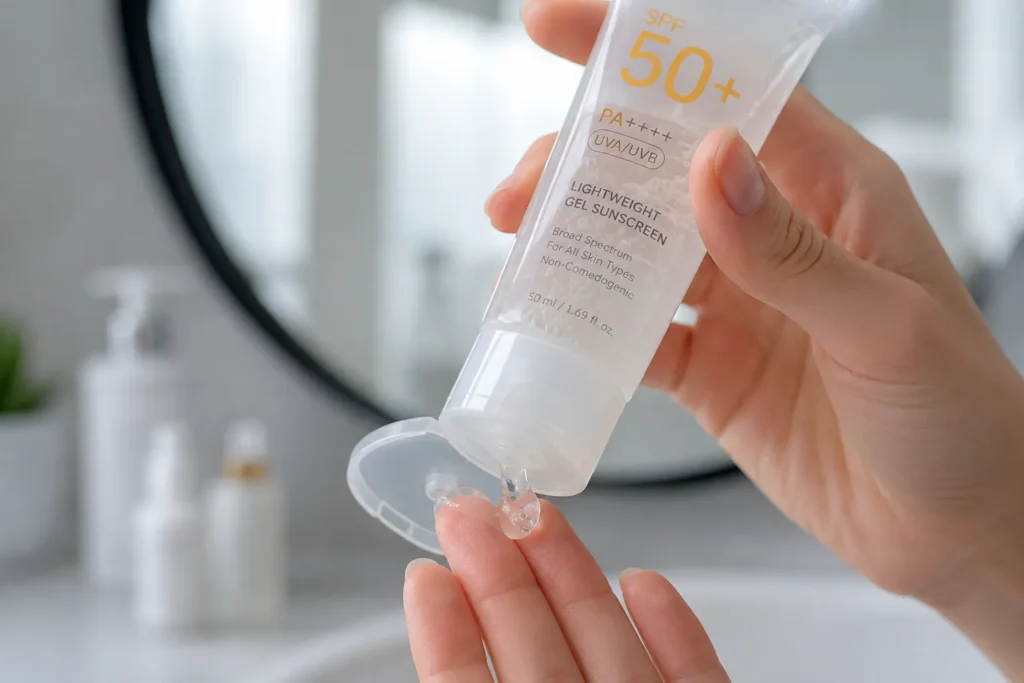
1. A Lightweight Gel Sunscreen for Oily Skin
If your skin gets shiny by lunchtime, a gel based SPF 50 formula is worth a look. Gel sunscreens absorb fast and dry down to a matte finish instead of sitting on top of your skin like a heavy cream. This works especially well for humid climates or summer months when your skin already produces more oil.
The key thing to check is whether the formula is labeled oil free or non comedogenic. That small detail on the label often decides whether you deal with clogged pores later in the week. People with combination skin also do well with gel formulas since they hydrate the dry areas without overloading the oily T-zone.
2. A Mineral SPF 50 for Sensitive or Reactive Skin
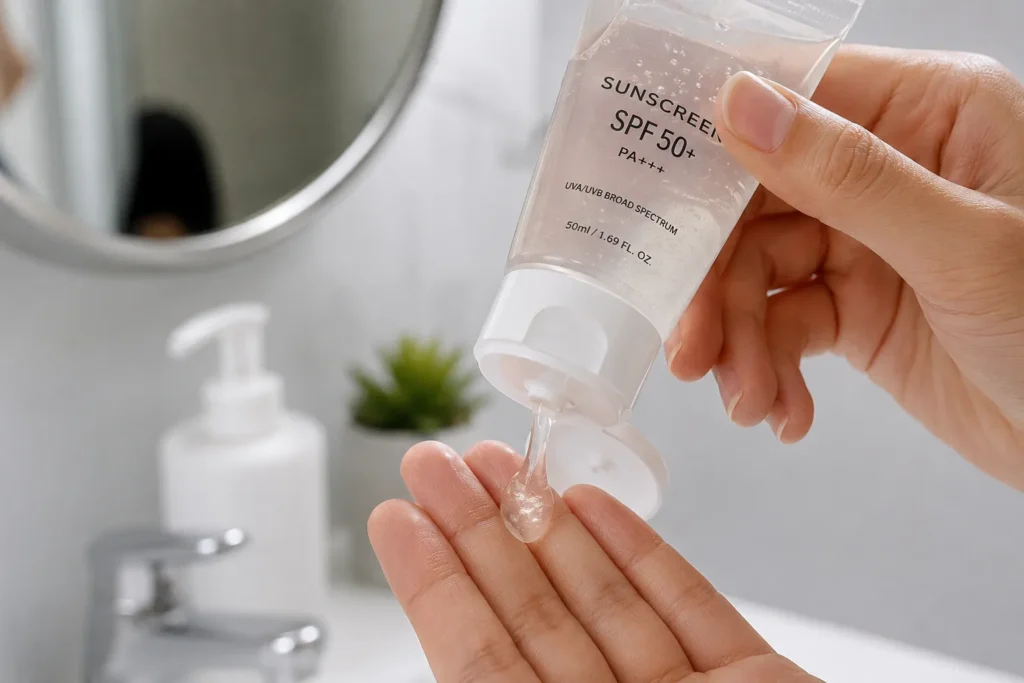
Mineral sunscreens use zinc oxide or titanium dioxide to sit on top of the skin and physically block UV rays, instead of absorbing into the skin like chemical formulas do. This makes them a common pick for people with rosacea, eczema, or skin that reacts to fragrance and certain preservatives.
A common mistake here is assuming all mineral sunscreens will leave a thick white cast. Newer formulas use micronized or tinted zinc oxide to blend in much better than the mineral sunscreens from a few years ago. If you have sensitive skin and have avoided sunscreen because of past reactions, a modern mineral SPF 50 might be worth a second try.
[INTERNAL LINK OPPORTUNITY: sensitive skin care steps for a fresh glow]
3. A Hydrating SPF 50 for Dry or Winter Skin
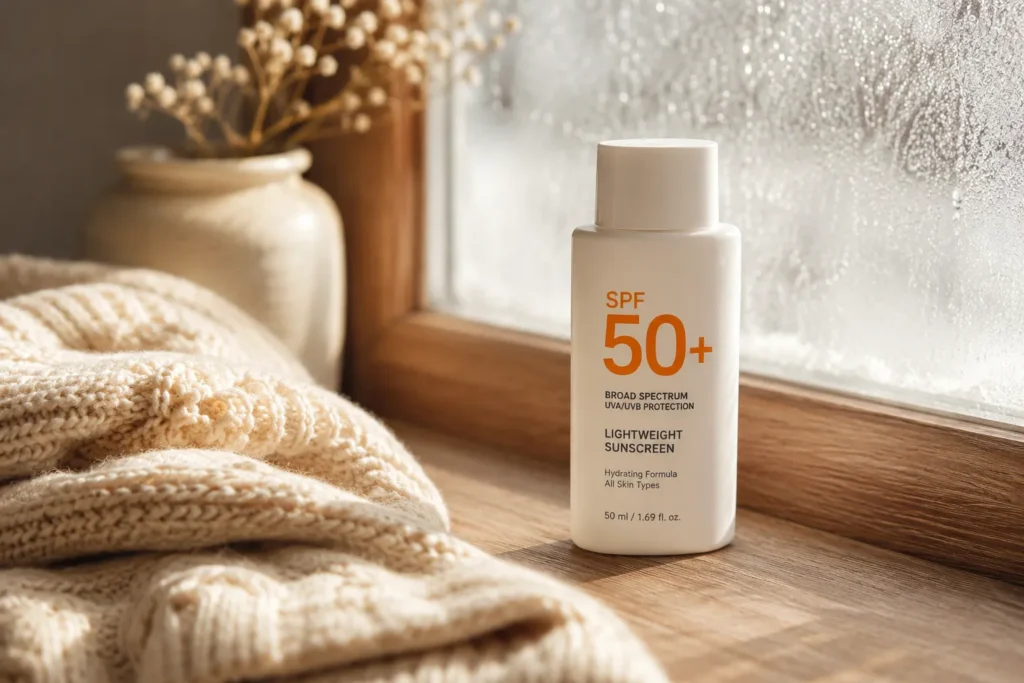
Dry skin needs a sunscreen that adds moisture instead of pulling it away. Look for formulas built around ingredients like hyaluronic acid, ceramides, or glycerin. These ingredients help the sunscreen feel more like a lightweight moisturizer than a separate, drying step in your routine.
This is especially useful during colder months when many people assume sunscreen is not necessary. UV rays still reach your skin on cloudy and cold days, and dry skin is often more sensitive to that exposure. A hydrating SPF 50 lets you protect your skin without adding another layer that leaves your face feeling tight.
4. A Tinted SPF 50 That Replaces Foundation
Tinted sunscreens have become popular for a real reason. They let you skip a separate foundation step while still evening out your skin tone and blocking UV rays. Many tinted formulas also include a light amount of iron oxide, which helps protect against visible light and blue light in addition to UV rays.
This is a great use case for busy mornings or for anyone who wants a simple three step routine of cleanser, sunscreen, and maybe a lip product. Just remember that tinted sunscreen still needs to be reapplied through the day the same way regular sunscreen does, since the tint alone does not extend your protection./
5. A Water Resistant SPF 50 for Beach and Pool Days
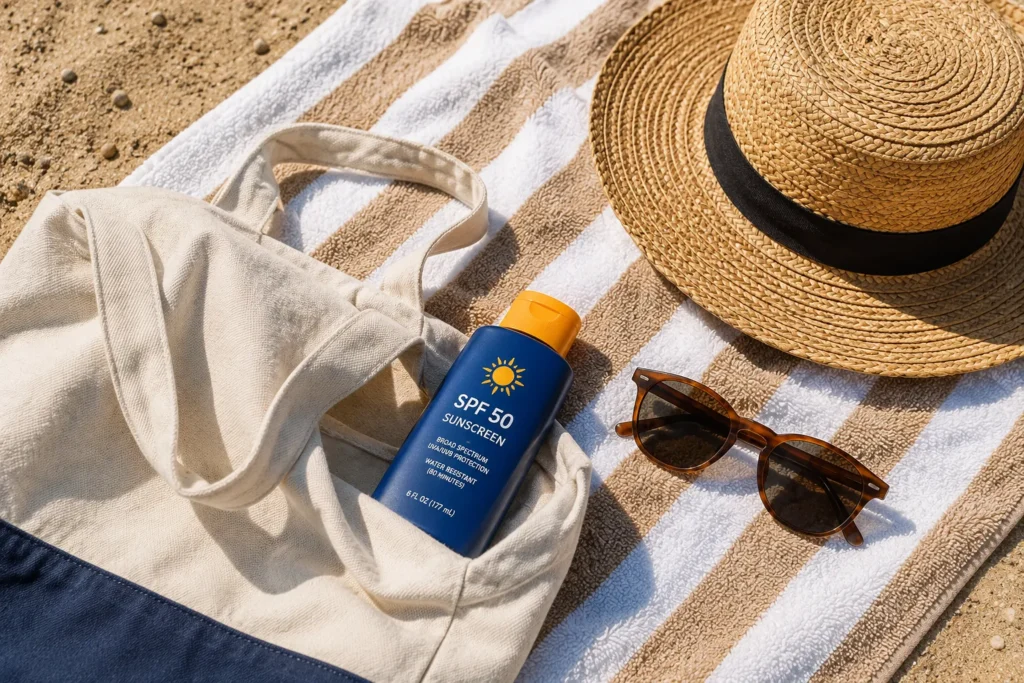
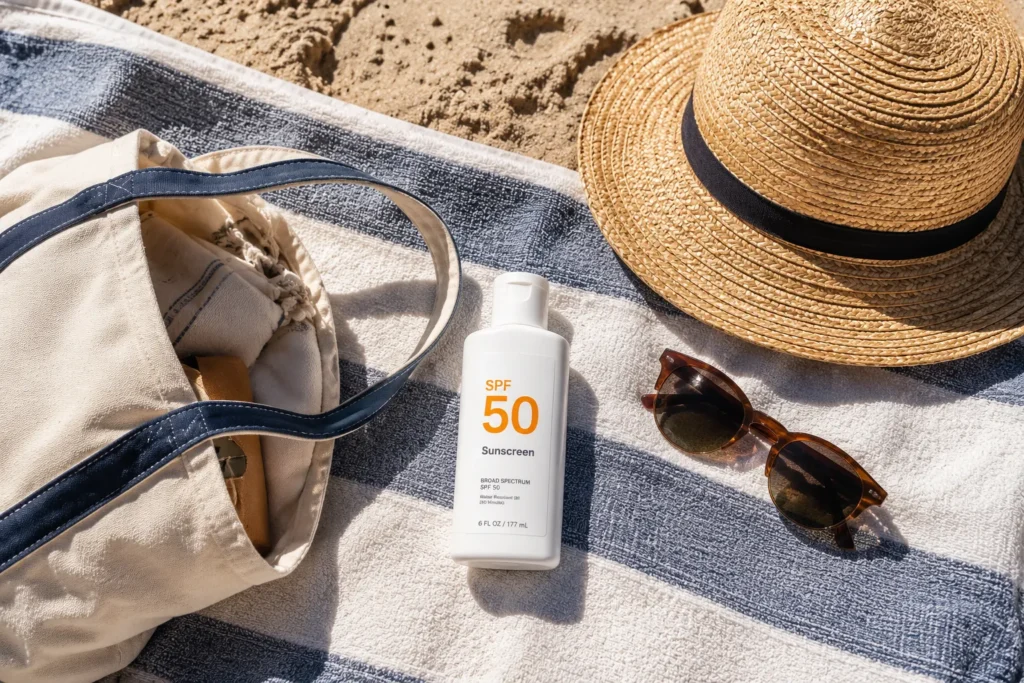
If you are swimming or sweating, you need a formula labeled water resistant, usually rated for 40 or 80 minutes. This does not mean waterproof, since no sunscreen is truly waterproof. It means the formula holds up for a specific amount of time before it needs to be reapplied.
A common mistake at the beach is applying sunscreen once in the morning and assuming it lasts all day. Even water resistant formulas need to be reapplied after swimming, toweling off, or heavy sweating. Keep the bottle in your beach bag, not just your car, so reapplying actually feels convenient instead of like an extra errand.
6. A Fragrance Free SPF 50 for Acne Prone Skin
Fragrance and heavy oils in some sunscreens can irritate acne prone skin or trigger breakouts. Choosing a fragrance free, oil free SPF 50 reduces that risk while still giving you full protection. Some formulas also include niacinamide, which can help calm redness while you wear sunscreen through the day.
This matters because skipping sunscreen to avoid breakouts is a common trade off people make, but unprotected sun exposure can actually make post acne marks darker and harder to fade. A gentle, fragrance free formula lets you protect your skin without adding to existing irritation.
7. A Budget Friendly SPF 50 for Everyday Use
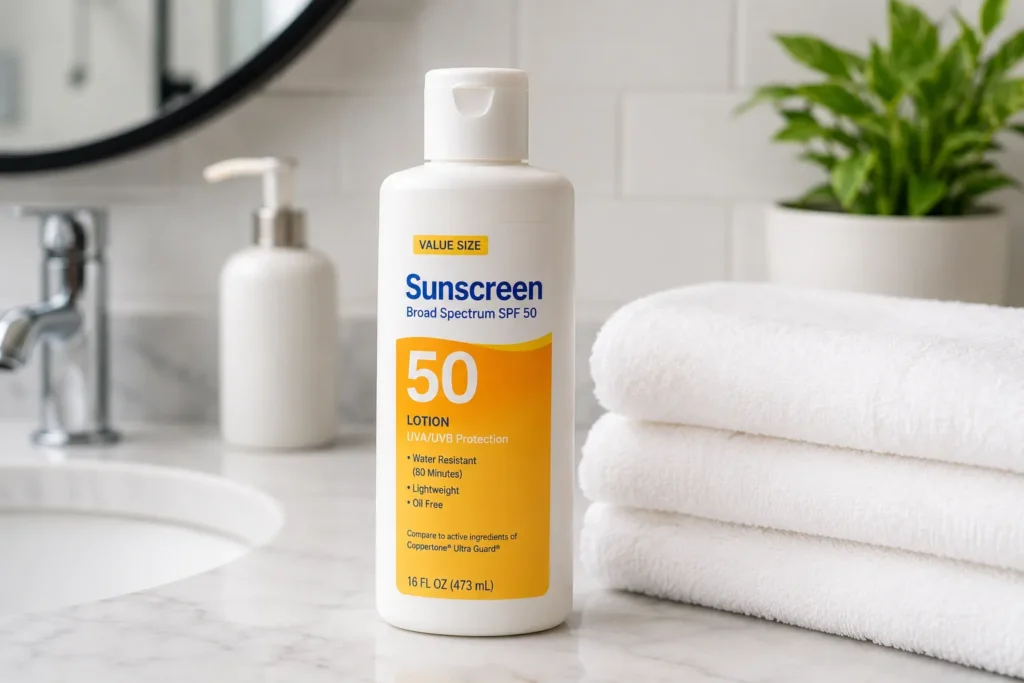
You do not need an expensive sunscreen to get real protection. Many drugstore formulas meet the same SPF 50 standard as higher priced options, and the biggest difference often comes down to texture and added extras rather than actual sun protection. If you are on a tight budget, a basic, well reviewed drugstore SPF 50 gets the job done.
The trick is finding a texture you actually enjoy wearing, since the best sunscreen is the one you will use every single day without skipping it. Trying a couple of affordable options before settling on one is a smart way to find your everyday pick without spending a lot upfront.
[INTERNAL LINK OPPORTUNITY: budget friendly skin care swaps for dry winter skin]
8. A Stick Sunscreen for Quick Touch Ups
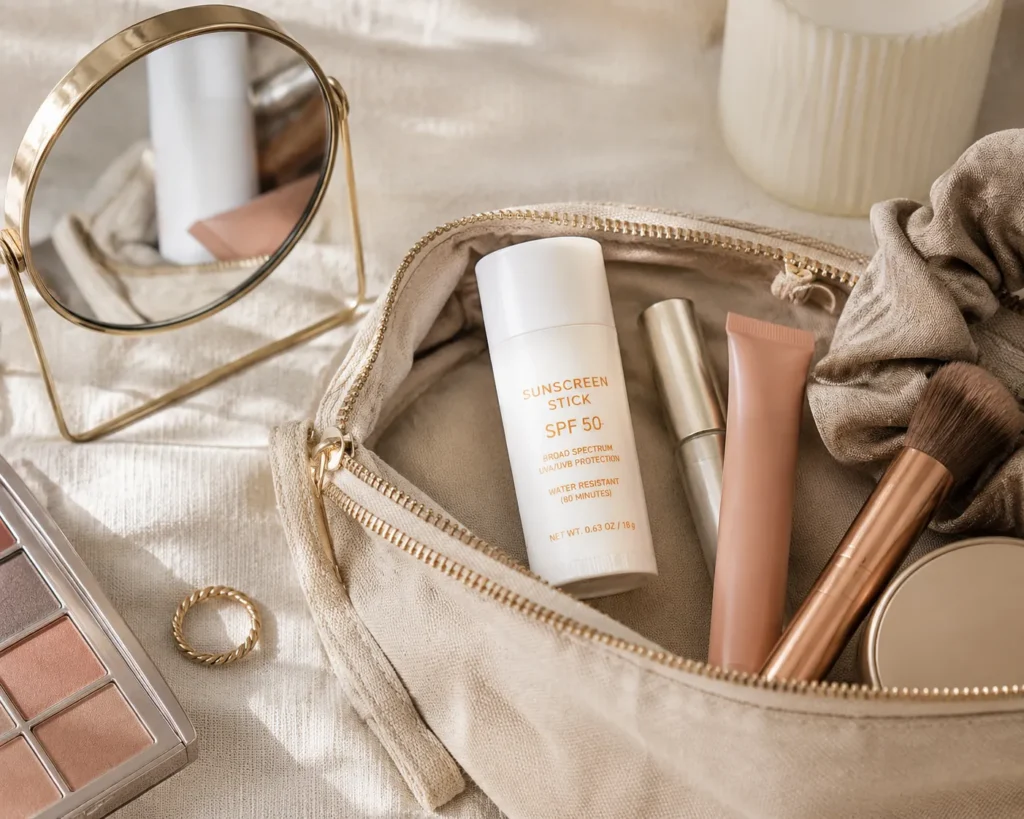
Stick sunscreens are one of the easiest ways to reapply SPF during the day, especially over makeup. You twist it up and swipe it directly onto your skin without needing to rub in a liquid or cream, which makes it much less messy for touch ups at work, school, or outdoors.
Keep in mind that stick formulas often need a bit more effort to apply evenly compared to liquid or gel sunscreens. Going over your face two or three times in different directions helps make sure you are not leaving thin, unprotected patches, especially around the hairline and jaw.
9. An Anti Aging SPF 50 With Added Antioxidants
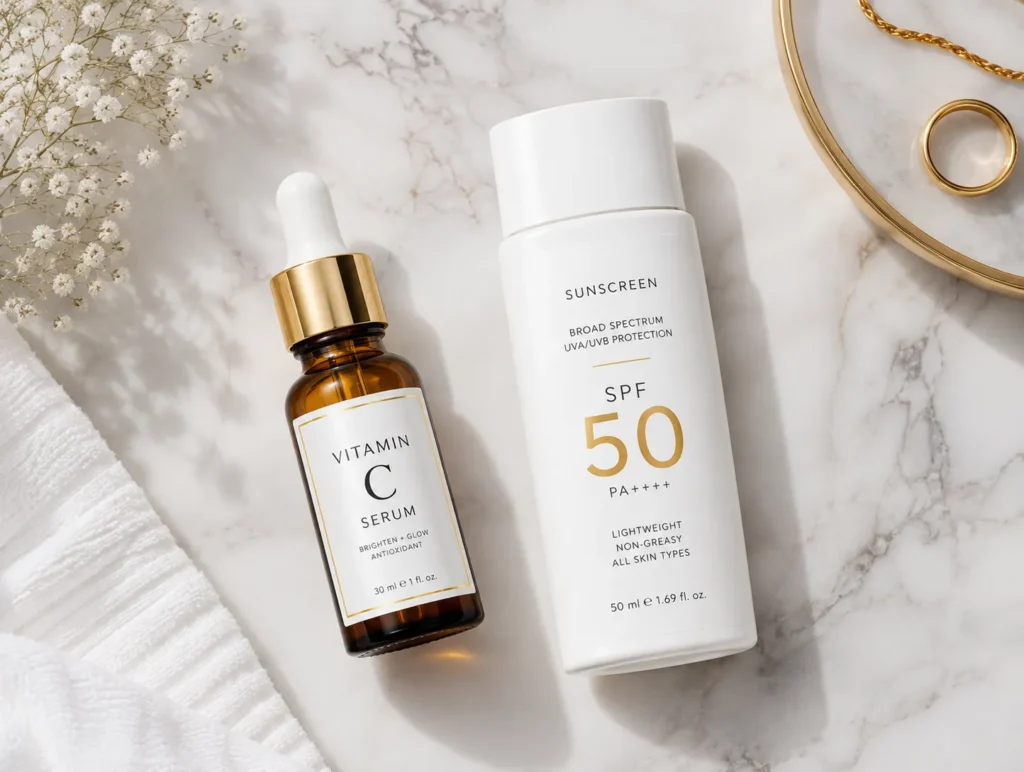
Some sunscreens combine SPF protection with antioxidants like vitamin C or vitamin E. These ingredients help fight free radical damage caused by sun exposure and pollution, working alongside the SPF instead of replacing it. This combination can be a smart step if you are also focused on fine lines and long term skin texture.
It helps to understand that antioxidants support your sunscreen, they do not substitute for it. A vitamin C serum without SPF on top still leaves your skin exposed to UV damage. Pairing the two in the right order, serum first, then sunscreen, gives you the most benefit from both.
10. A Sport SPF 50 for Sweat Heavy Activities
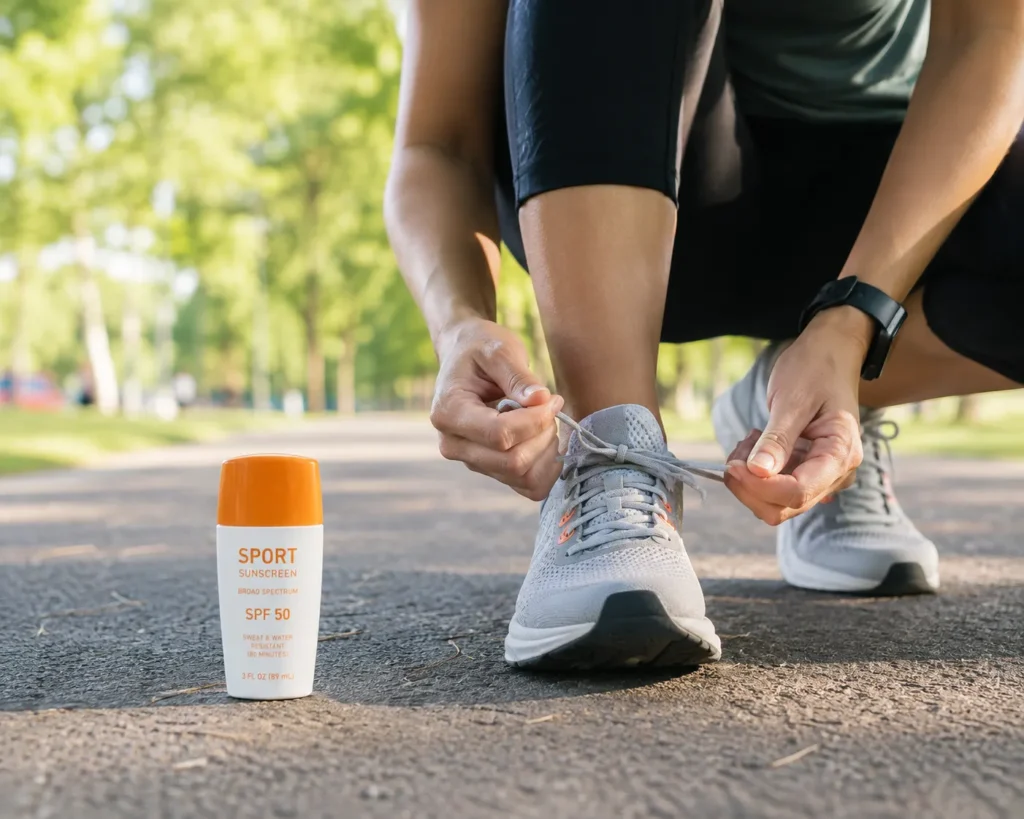
If you run, hike, or spend long hours outside being active, a sport specific SPF 50 formula is built to resist sweat better than standard sunscreens. These formulas are usually thinner and designed to stay put through movement instead of sliding off with perspiration.
A common mistake with sport sunscreens is applying too little because the formula feels light. Even a thin feeling sunscreen still needs a full, even layer to reach its labeled SPF number. Applying a light layer twice, rather than one thin coat, helps close any gaps in coverage.
11. A Baby Safe or Family Friendly SPF 50
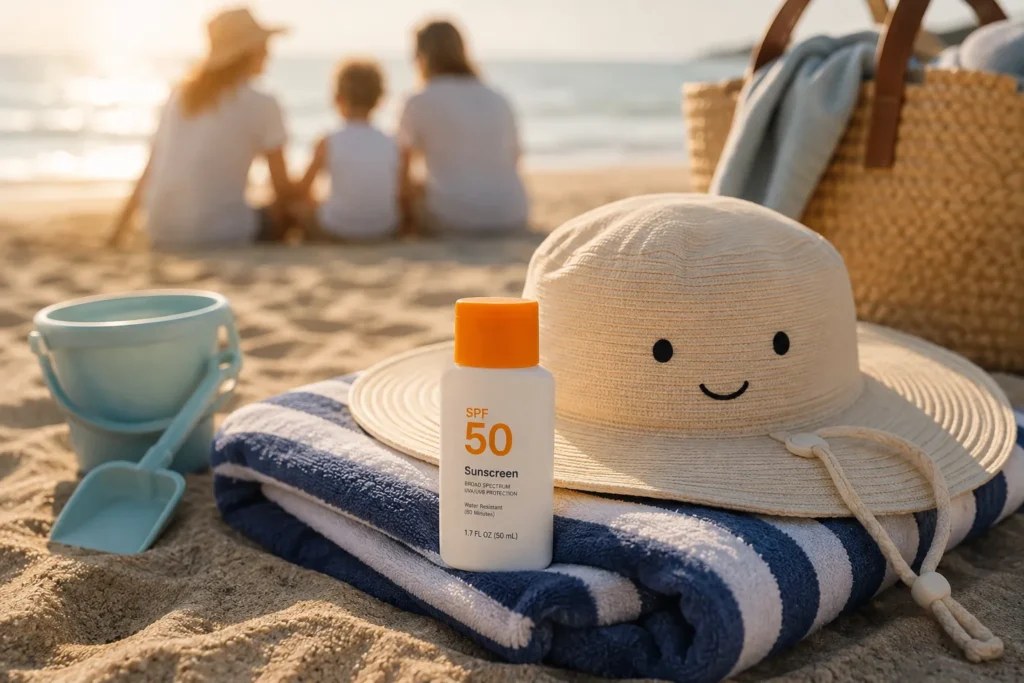
Formulas made for babies and young children tend to use gentler, mineral based ingredients and skip fragrance entirely. Many parents end up using these formulas on their own skin too, since they tend to be simple and low irritation, even if they are marketed for kids.
This is a good use case for anyone who wants a no fuss sunscreen for the whole family to share, especially on beach trips or outdoor days when everyone needs to reapply at the same time. Checking that the formula is broad spectrum still matters here, since baby specific does not automatically mean full protection.
[INTERNAL LINK OPPORTUNITY: beach kids ideas for a perfect family beach day]
12. A Two in One SPF 50 Moisturizer for Simplified Routines
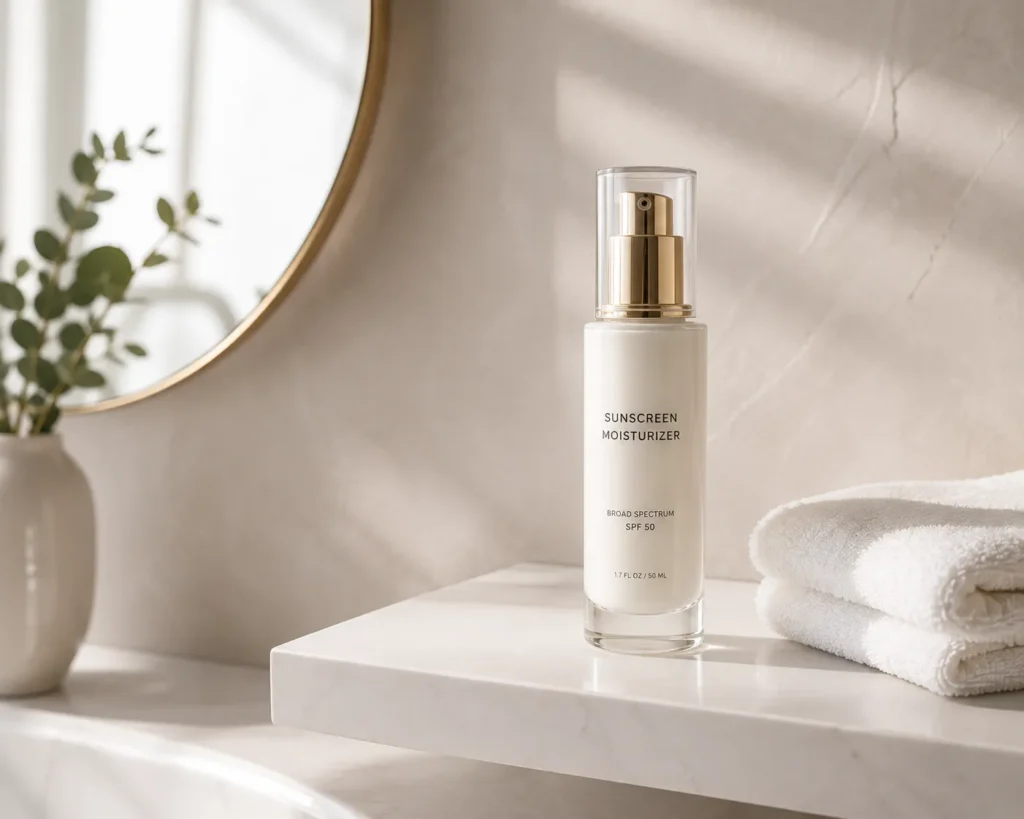
If your morning routine already feels like too many steps, a combined moisturizer and SPF 50 product can simplify things without cutting corners on protection. These formulas hydrate first and finish with sun protection, which works well for anyone who wants fewer bottles on their counter.
The one thing to watch for is using enough product. People often apply a moisturizer amount rather than a full sunscreen amount, which can quietly lower your actual protection level. A good rule of thumb is a full fingertip length of product for your face alone, even when it doubles as your moisturizer.
How to Pick the Right SPF 50 for Your Skin
With so many formulas out there, picking one can feel overwhelming. Start with your main skin concern, whether that is oiliness, dryness, sensitivity, or acne, and choose a formula built around that first. From there, texture and finish matter more than brand name. A sunscreen you actually enjoy applying is the one you will stick with, and consistency is what makes SPF effective over time, not any single product’s marketing claims.
It also helps to remember that SPF 50 blocks slightly more UVB rays than SPF 30, but the real difference in daily protection often comes down to how much you apply and how often you reapply, not the number itself. A well applied SPF 30 will usually outperform a thin, rushed layer of SPF 50.
Conclusion
Finding a sunscreen that actually fits into your life, rather than one you dread using, makes all the difference for your skin over time. You do not need to buy all 12 of these at once. Pick one that matches your skin type and your daily routine, and give it a real try this week. Small, consistent habits like this are what protect your skin for years to come, not a single perfect product. Save this list so you have it handy next time you are restocking your skin care shelf.
Image Alt Text Suggestions
- Lightweight gel sunscreen for oily skin application close up
- Mineral SPF 50 sunscreen for sensitive and reactive skin
- Hydrating SPF 50 sunscreen bottle for dry winter skin
- Tinted SPF 50 sunscreen applied as a foundation replacement
- Water resistant SPF 50 sunscreen packed for a beach day
- Fragrance free SPF 50 sunscreen for acne prone skin
- Budget friendly drugstore SPF 50 sunscreen on bathroom counter
- Stick sunscreen for quick SPF touch ups over makeup
- Anti aging SPF 50 sunscreen paired with vitamin C serum
- Sport SPF 50 sunscreen for sweat resistant outdoor activity
- Baby safe family friendly SPF 50 sunscreen for beach trips
- Two in one SPF 50 moisturizer for a simplified routine
FAQ Section
Is SPF 50 much better than SPF 30? SPF 50 blocks slightly more UVB rays than SPF 30, but the difference is small in real world use. Applying enough product and reapplying every two hours matters more than the exact SPF number.
Do I need SPF 50 sunscreen every day, even indoors? Yes, if you are near windows or spend time outside during the day, since UVA rays can pass through glass and clouds. Daily use helps prevent long term sun damage even without direct sunlight.
Why does my sunscreen leave a white cast? This usually happens with mineral sunscreens that use non micronized zinc oxide, or when too little product is rubbed in unevenly. Tinted mineral formulas or newer micronized versions tend to blend in much better.
How much SPF 50 sunscreen should I actually use on my face? A good rule of thumb is about a full fingertip length of product for your entire face and neck. Using less than this can lower your actual protection level well below what is listed on the bottle.
Can SPF 50 sunscreen cause breakouts? It can, if the formula includes heavy oils or fragrance that irritate your skin. Choosing an oil free, fragrance free, non comedogenic formula lowers this risk significantly for acne prone skin.
How often should I reapply SPF 50 sunscreen during the day? Every two hours is the general rule, and more often if you are swimming, sweating, or toweling off. Water resistant formulas still need reapplication after they reach their rated time limit, usually 40 or 80 minutes.


