

10 After Sun Mistakes That Can Harm Your Skin
Your skin survived the beach. Now comes the part most people skip completely.
You reapplied your sunscreen, you sat under the umbrella when it got too intense, and you thought you did everything right. But what happens in the hours after sun exposure matters just as much as what you did during it. A lot of women make small after sun mistakes without even realizing it, and those mistakes can lead to peeling, breakouts, dullness, or skin that ages faster than it should. This guide walks you through the ten most common after sun mistakes and exactly what to do instead, so your skin actually recovers instead of quietly suffering.
1. Jumping Straight Into a Hot Shower
After a day in the sun, a hot shower feels amazing. It also strips your skin at the exact moment it needs the opposite. Heat opens your pores and pulls moisture out of already sun-stressed skin, which makes redness and tightness worse.
Instead, rinse off with lukewarm or cool water. Think of it as helping your skin’s temperature come back down slowly, the same way you would ease into a cold pool instead of jumping in all at once. This one change alone can cut down on the peeling that shows up two or three days later. It works especially well after a beach day or a long afternoon by the pool, when your skin is already warm to the touch.

2. Skipping Aftercare Products Completely
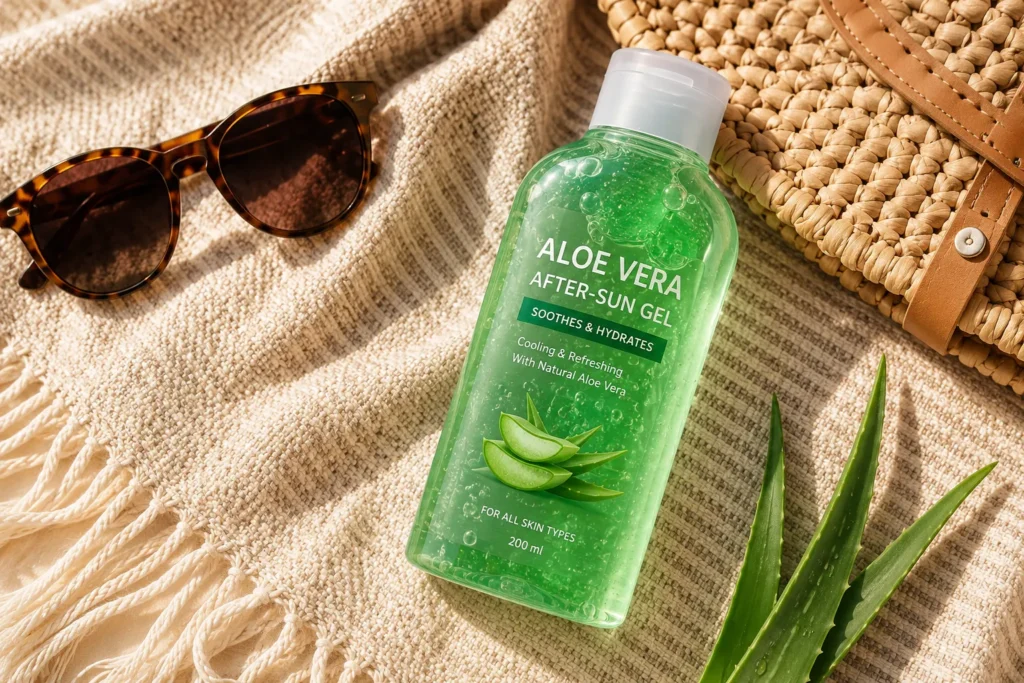
Sunscreen protects your skin during exposure, but it does nothing to repair it afterward. A lot of people assume if they did not get burned, they do not need an after sun product. That is one of the biggest gaps in most people’s skin care guide.
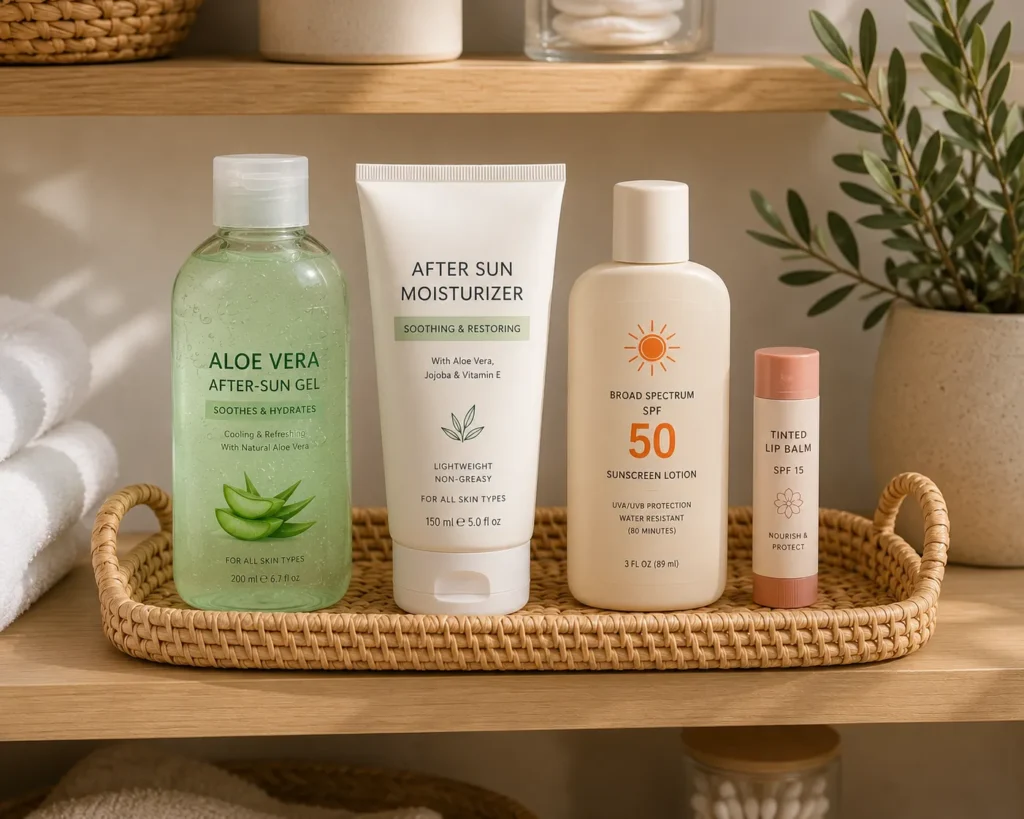
Even mild sun exposure creates tiny amounts of inflammation you cannot see yet. Applying an after sun lotion or gel with aloe, panthenol, or niacinamide helps calm that inflammation before it turns into visible redness or sensitivity the next morning. Keep a bottle in your beach bag right next to your sunscreen, not just in your bathroom cabinet. That way it becomes part of the routine instead of an afterthought.
[INTERNAL LINK OPPORTUNITY: best soap for dry skin]
3. Popping or Peeling Sunburned Skin
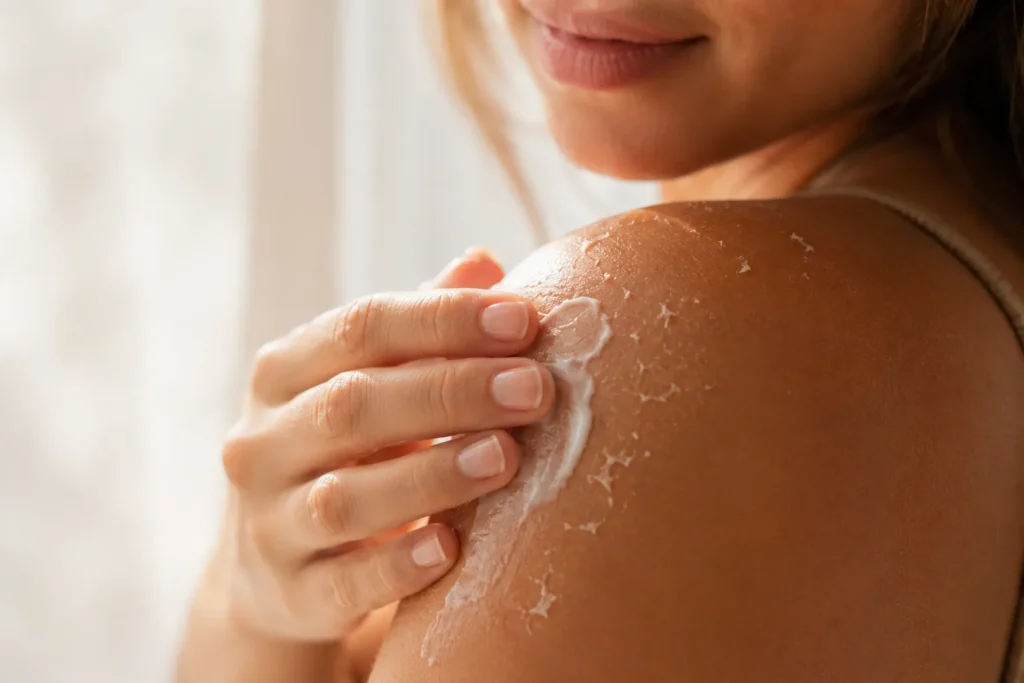
When skin starts to peel, it is tempting to help it along. Pulling at peeling skin feels satisfying in the moment, but it can tear healthy skin underneath and leave uneven patches or scarring behind.
Peeling is actually your skin’s way of shedding damaged cells on its own timeline. Let it happen naturally. If you want to speed things up gently, a light exfoliation with a soft washcloth after a few days, not during active peeling, helps smooth things out. This matters most for shoulders, noses, and the tops of feet, since those areas peel the most visibly and tend to get picked at the most.
4. Using Regular Body Lotion Instead of Something Formulated for Sun Exposed Skin
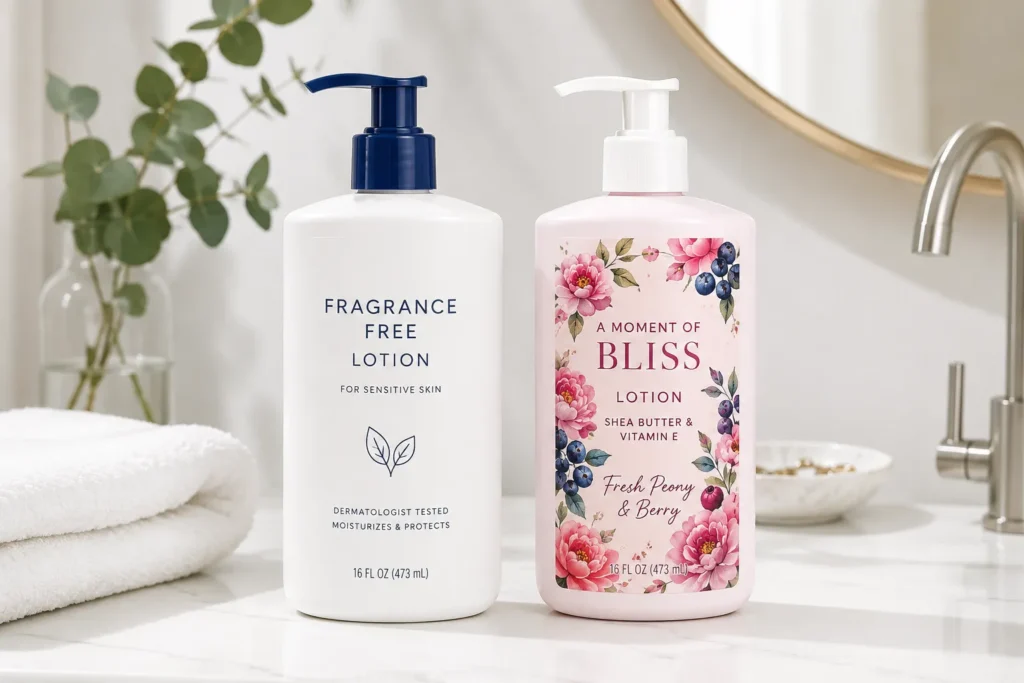
Not all moisturizers are built the same. A lot of everyday body lotions contain fragrance or alcohol that can sting or irritate skin that has been in the sun, even if that same lotion feels fine on any other day.
Look for something fragrance free with ingredients like aloe vera, oat extract, or ceramides. These ingredients rebuild the skin barrier instead of just sitting on top of it. For budget-friendly options, a plain aloe vera gel from the drugstore works surprisingly well and costs under ten dollars in most places. This is a small swap that makes a real difference for anyone with sensitive or easily irritated skin.
5. Forgetting That Sun Damage Continues After You Are Inside
Most people think the danger stops the moment they step out of the sun. In reality, skin cells continue to react to UV exposure for hours afterward. This is why redness sometimes shows up later in the evening even though you felt fine right after leaving the beach.
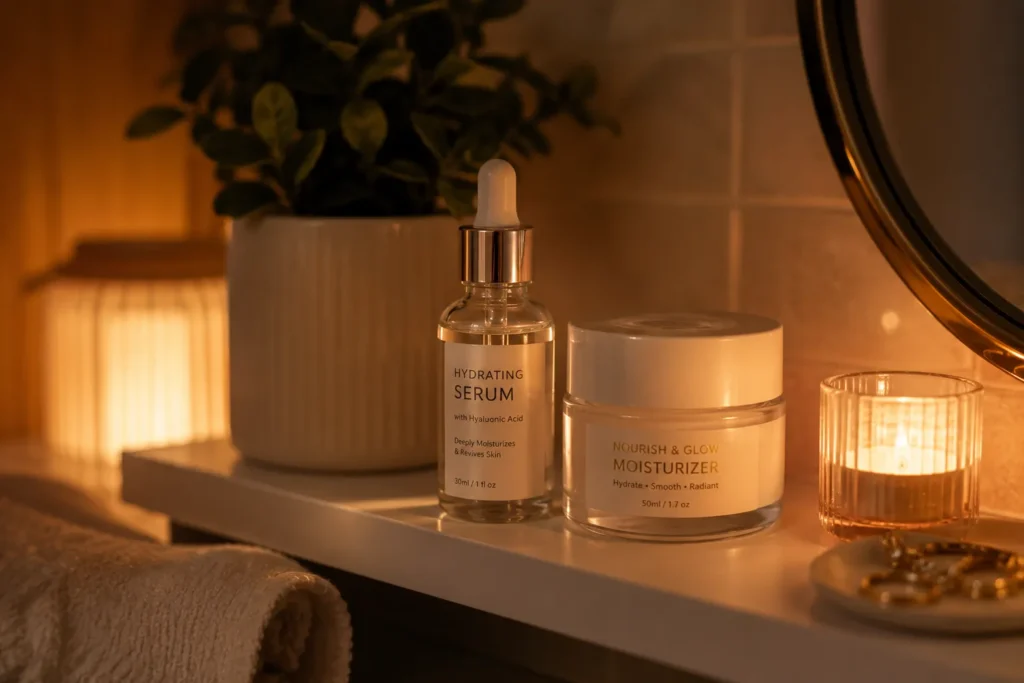
Give your skin extra hydration that night, not just once. Apply a hydrating serum or after sun product before bed, then again the next morning. Think of it like giving your skin a second and third dose of care instead of just one. This matters most after a full day outdoors, like a beach trip, a festival, or a long hike, where exposure built up steadily over many hours.
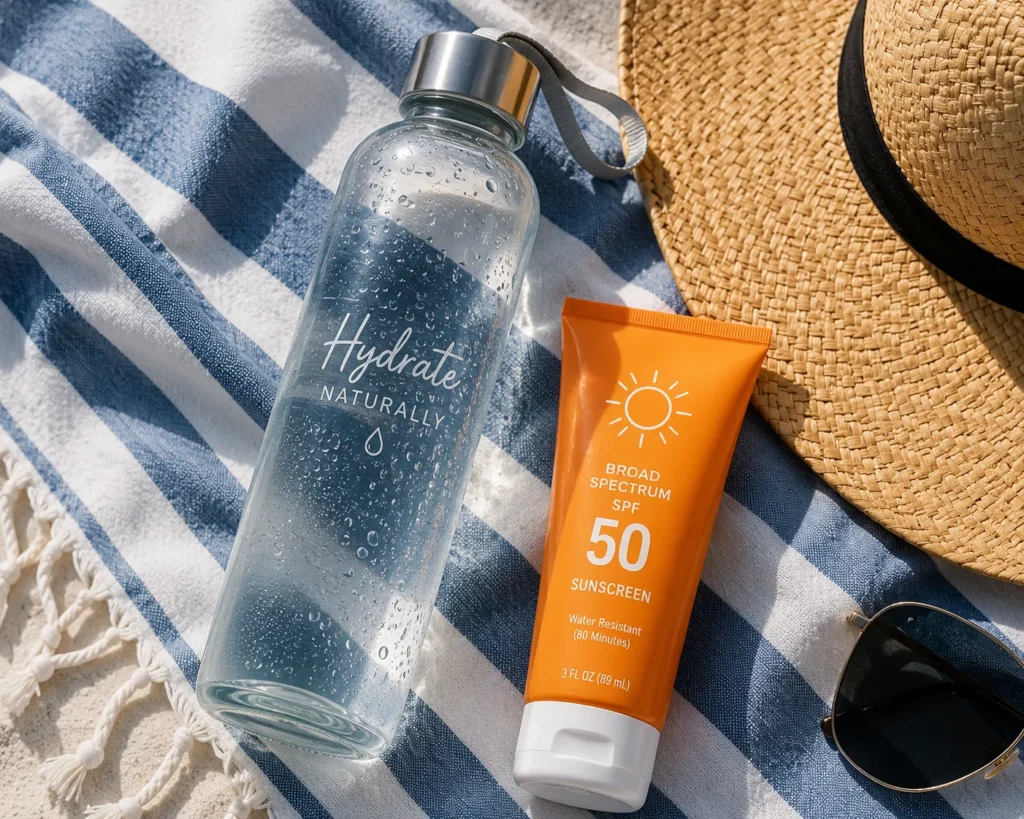
6. Not Drinking Enough Water
Sun exposure pulls moisture out of your body, not just your skin. If you spent the day sweating and soaking up sun without drinking much water, your skin will show it through dullness and a tight, dry feeling that lotion alone cannot fully fix.
Hydration from the inside supports hydration on the outside. Aim to drink water steadily throughout a sun exposed day, not just a big glass at the end. A good rule of thumb is drinking a full glass every hour or two you are outside. This matters even more on hot, dry days at places like the beach or a backyard pool, where sweat evaporates fast and can trick you into thinking you are not losing much fluid.
7. Applying Harsh Active Ingredients Too Soon
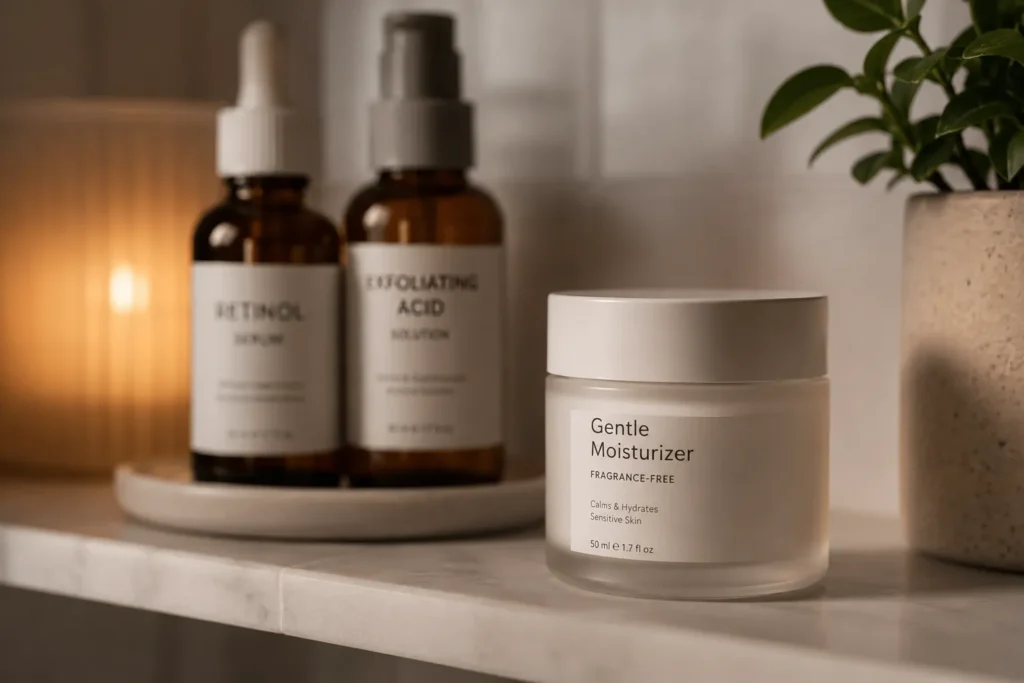
Retinol, exfoliating acids, and strong vitamin C serums are great for skin on a normal day. Right after sun exposure, they can be too much. Sun exposed skin has a weaker barrier for a short time, and strong actives can slip past that barrier and cause stinging, redness, or breakouts.
Give your skin a break from actives for at least 24 to 48 hours after noticeable sun exposure. Stick to gentle, hydrating products instead, and slowly reintroduce your regular routine once redness or warmth has fully settled. This mistake shows up most often with people who exfoliate as part of a nightly routine and forget to pause it after a sunny weekend.
8. Ignoring Your Lips and Scalp
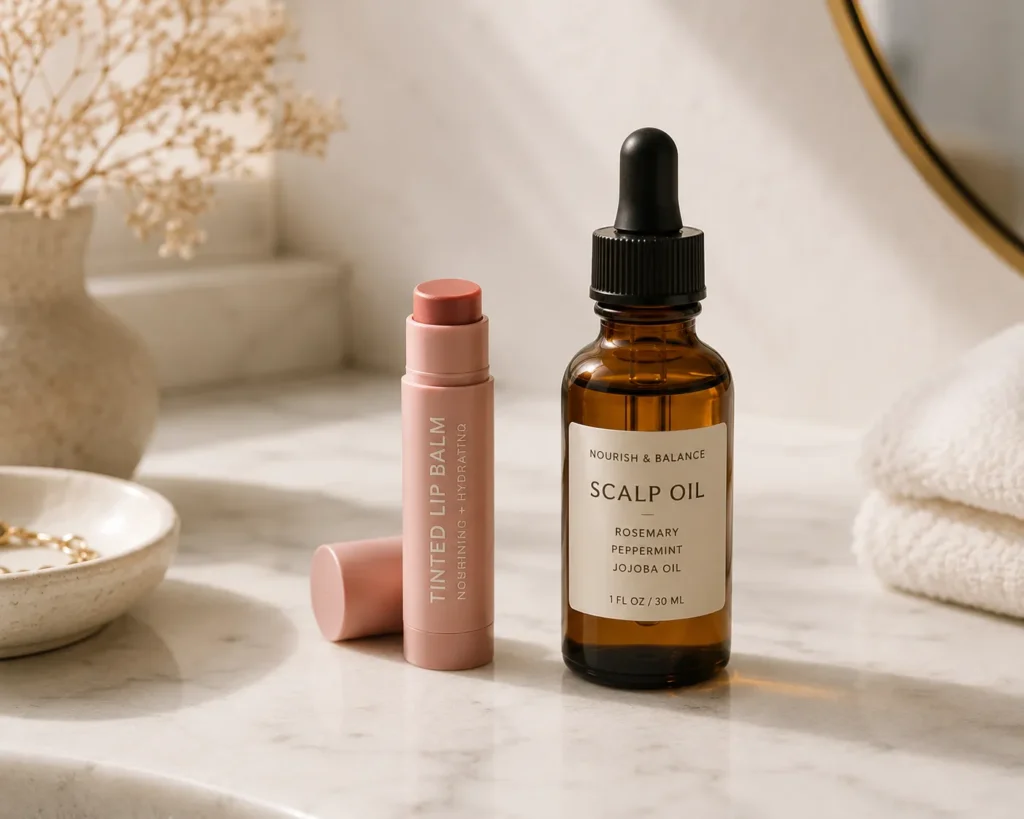
Most after sun care focuses on arms, shoulders, and the face, but lips and the scalp get just as much exposure and often get zero aftercare. Cracked, dry lips and a tender scalp are both signs of sun stress that people tend to overlook.
Use a hydrating lip balm with shea butter or ceramides after sun exposure, and if your scalp feels tender, a lightweight leave in conditioner or scalp oil can calm the irritation. This is especially true for anyone with a part line or thinner hair coverage, since that strip of scalp often gets the most direct exposure without anyone noticing.
[INTERNAL LINK OPPORTUNITY: soft lips secrets for a naturally smooth smile]
9. Wearing Tight Clothing Right After Sun Exposure
Slipping into tight jeans or a fitted top right after a day outside might seem harmless, but tight fabric rubbing against sun sensitized skin can cause friction that leads to more irritation, especially around waistbands and bra lines.
Choose loose, breathable fabric like cotton for the rest of the day and evening. Give your skin room to cool down and breathe before putting pressure on it again. This is worth remembering after a beach day especially, when you might be tempted to change straight into going out clothes right after rinsing off.

10. Assuming You Are Done Once Redness Fades
The biggest mistake of all is thinking your after sun routine is over once the visible redness disappears. Skin can look completely normal on the outside while still repairing itself underneath for several more days.
Keep up with gentle hydration and sun protection for at least a week after noticeable exposure. Your skin barrier needs that extra time to fully rebuild, even if you cannot see the difference day to day. This is the step that separates skin that bounces back looking healthy from skin that slowly builds up damage over an entire summer of sun exposure.
Conclusion
A day in the sun does not have to mean a week of dealing with peeling, dryness, or dull skin. Most after sun damage does not come from the sun itself, it comes from what happens, or does not happen, in the hours right after. Small changes like cooler showers, the right products, and a little extra hydration can protect the skin you already worked hard to care for. Pick just one of these fixes to try after your next time in the sun, and save this list so it is ready whenever you need it.
Image Alt Text Suggestions
- Woman rinsing off with cool water outdoors after sun exposure to prevent skin irritation
- Aloe vera after sun gel bottle next to sunglasses and beach bag for daily skin care routine
- Light skin peeling on shoulder being treated gently with soothing after sun lotion
- Fragrance free after sun lotion compared to scented body lotion for sensitive skin
- Nighttime skincare routine with hydrating serum and moisturizer for after sun recovery
- Reusable water bottle on beach towel next to sunscreen for sun day hydration
- Gentle skincare products replacing retinol and acids after sun exposure
- Lip balm and scalp oil for after sun lip and scalp care
- Loose cotton outfit recommended as comfortable clothing after sun exposure
- Complete after sun skin care routine with moisturizer, SPF, and lip balm
FAQ Section
How long should I wait before using retinol or exfoliants after sun exposure? Give your skin at least 24 to 48 hours before using strong actives again. Wait longer if you notice any lingering redness or sensitivity.
Is aloe vera enough for after sun care, or do I need a separate product? Plain aloe vera gel is a solid, affordable option for mild exposure. For more noticeable sun exposure, pairing it with a fragrance free moisturizer gives your skin extra support.
Why does my skin feel fine right after the sun but irritated the next day? Skin cells keep reacting to UV exposure for hours after you leave the sun, which is why redness or sensitivity often shows up later that evening or the next morning.
Should I moisturize before or after a shower following sun exposure? Moisturize right after a cool or lukewarm shower while your skin is still slightly damp. This helps lock in hydration more effectively than applying it to fully dry skin.
Can I still get sun damage even if I never got a visible sunburn? Yes. Mild exposure without visible burning still creates inflammation and dryness under the surface, which is why after sun care matters even on days you did not burn.
What is the biggest after sun mistake people do not realize they are making? Assuming the routine is over once redness fades. Skin continues repairing itself for days afterward, so hydration and gentle care should continue for at least a week.


