

10 Common Acne Causes and Ways to Prevent Them
You wash your face, you buy the “right” products, and still a new bump shows up right before something important. It is frustrating, and it can make you feel like you are doing something wrong. Most of the time, you are not. Acne causes are usually a mix of oil, hormones, habits, and genes working together. This guide breaks down ten of the most common ones and gives you a simple way to prevent each.
1. Excess Oil Production Is One of the Most Common Acne Causes
Skin that looks shiny by lunchtime is often telling you something.
Tiny glands under your skin make an oily substance called sebum. You need some of it to keep skin soft. When glands make too much, the extra oil mixes with dead skin cells and can block pores. Picture a forehead that looks glossy by noon and feels a little bumpy under your fingertips.
Common mistake: Scrubbing the shine away with a harsh cleanser. Skin ends up tight and irritated, and it still needs moisture.
Better approach: Use a gentle gel cleanser and a lightweight, oil-free gel moisturizer. Many good drugstore cleansers cost between $8 and $15. A niacinamide serum is also worth a look, since many people find it helps skin look less shiny over time.
Most people overlook one thing here. Oily skin can still be dehydrated, which is why skipping moisturizer often backfires.
2. Clogged Pores From Dead Skin Cells
Imagine a tiny doorway blocked by a pile of fallen leaves.
Your skin sheds dead cells every day. Sometimes they do not slide off cleanly. They stick together with oil and form a plug inside the pore. That plug is the starting point for blackheads, whiteheads, and many deeper bumps.
Prevention tip: Use a gentle chemical exfoliant, such as salicylic acid, two or three nights a week. It can get into the pore and loosen what is trapped. Start with a low strength, often 0.5 to 2 percent, and build up slowly.
Common mistake: Using a gritty scrub and then popping what is left. Rough scrubs can irritate skin, and squeezing can push trapped material deeper and leave marks that last longer than the pimple.
This makes a great tip to screenshot, because it is simple enough to repeat every week without overthinking it.
3. Hormonal Changes Are Among the Biggest Acne Causes for Women
If your breakouts show up along the jawline and chin, hormones may be involved.
Hormone shifts can tell oil glands to work harder. This can happen around your period, during pregnancy, after stopping birth control, or with conditions like PCOS. That is why some women get a cluster of deep, tender bumps about a week before their cycle starts.
Use case: This idea works best if your breakouts seem to follow a pattern. For two or three months, jot down in your phone notes when new breakouts appear. Seeing the pattern can help you plan ahead and stay calm instead of panicking.
Prevention tip: Keep your routine steady during the flare-up week. Switching products in the middle of a breakout often adds irritation. If breakouts are painful, constant, or come with irregular periods, a doctor can look into the cause.

4. Acne-Causing Bacteria and Inflammation
Not every pimple is just a clogged pore. Some are also red, puffy, and sore.
A common skin bacteria called C. acnes lives on almost everyone’s face. Inside a blocked pore, it can multiply and trigger your immune system. The redness and swelling you see is your body reacting to it.
Prevention tip: Benzoyl peroxide can help reduce this bacteria. A 2.5 percent gel or wash is often enough for sensitive skin. Try it as a spot treatment on a few breakouts first.
Common mistake: Reaching for the strongest percentage, thinking more is better. Higher strengths can cause dryness and peeling without always working faster. Also, remember that it can bleach towels and pillowcases, so use white ones.
5. Genetics Can Make Your Skin More Prone to Breakouts
Sometimes you really are doing everything right, and your skin still has other plans.
If one or both parents dealt with acne, you may be more likely to as well. Genes can influence how active your oil glands are and how strongly your skin reacts to inflammation. You cannot change that, but you can work with it.
What helps: Stop blaming yourself, and build a gentle, steady routine early rather than waiting for things to get worse. If a simple routine is not enough after a couple of months, ask a dermatologist about prescription options such as topical retinoids. Many people who struggle with family-linked acne do well with a plan that is tailored to them.
A kind reminder for teens and adults alike: breakouts say nothing about how clean or careful you are.

6. Pore-Clogging Products and Heavy Formulas
The cream that feels like pure luxury might be the one your pores dislike.
Thick creams, rich oils, some foundations, and even hair products can settle into pores. A pomade or hair oil along the hairline is a classic hidden cause of small bumps on the forehead. Labels like “non-comedogenic” are helpful, but they are not a perfect guarantee for every skin type.
Common mistake: Adding four or five new products in one week. If you break out, you have no idea which one caused it.
Better approach: Introduce one new product every two weeks and test it on a small area first, like along the jaw. Pick lightweight formulas with short ingredient lists, and wash makeup off fully at night.

7. Over-Cleansing and Harsh Scrubbing
More washing sounds like it should mean fewer breakouts. It often works the other way around.
Your skin has a natural protective barrier. Too much cleansing, hot water, or rough scrubbing can wear it down. The result is stinging, tightness, flakiness, and more irritation, and that kind of irritation can make acne look worse.
Prevention tip: Cleanse twice a day with lukewarm water, massage for about 30 to 60 seconds, then pat dry with a soft towel. Follow with a moisturizer that contains ceramides, which help support the barrier.
Use case: Picture someone who washes four times a day after the gym, at work, and again at night because her skin “feels dirty.” Cutting back to two gentle washes and rinsing with water in between is a much kinder reset.

8. Stress and Your Skin
Ever notice a new bump appear in the middle of a stressful week? That is not just your imagination.
Research suggests stress can make acne worse for many people. When you are tense, your body releases hormones that may push oil production and inflammation higher. Stress also makes it easy to pick at your skin without noticing.
Prevention tip: Choose one small habit you can actually keep. A ten-minute walk after lunch, a steady bedtime, or a few slow breaths before you start your skin care routine all count. Keep a pimple patch handy so your hands have something better to do than pick.
Think of this as a quiet idea worth coming back to on the days when everything feels like too much.

9. Diet Triggers That May Play a Role
Food and acne is a topic with a lot of noise, so let’s keep it honest.
Food is not the cause for everyone. Still, some studies link high-glycemic foods, like sugary drinks, white bread, and sweet snacks, to more breakouts in some people. Some also notice that dairy, especially skim milk, seems to affect them. Research is mixed, which is why guessing rarely works.
Common mistake: Cutting out five food groups at once and hoping something sticks.
Better approach: Keep a simple food and skin note for two or three weeks. Change just one thing, such as swapping a daily sugary latte for plain coffee or tea, and watch what happens. If it does not help, you can enjoy it again without guilt.

10. Friction, Sweat, and Everyday Touchpoints
Some breakouts have an address, and it is usually the spot that gets touched the most.
Phones, pillowcases, masks, helmets, hats, and resting your chin in your hand can all trap sweat and oil against the skin. Pressure and rubbing can also irritate pores, which is why athletes and people who wear straps often see bumps in the same area every time.
Use case: If you only break out on one cheek, think about which side you hold your phone against.
Prevention tip: Wipe your phone with a clean cloth, change your pillowcase once or twice a week, and shower soon after workouts. Wash makeup brushes every week or two. Little habits like these are easy to keep and cost almost nothing.

When Acne Causes Need a Dermatologist’s Help
Home care works well for mild breakouts, but it has limits.
Please see a dermatologist if you have deep, painful bumps, scarring, or breakouts that do not improve after about two to three months of steady care. A professional can match treatment to your skin and your cause, whether that is hormonal, bacterial, or a mix. Getting help early can also lower the chance of marks that stay behind.
[IMAGE SUGGESTION: A friendly dermatologist in a bright clinic chatting with a young woman and looking at a tablet together]
Final Thoughts
Understanding acne causes takes some of the guilt out of breakouts, because most of them are not about being messy or careless. Skin is complex, and a little patience goes a long way. Pick just one idea from this list that feels doable, and give it a few weeks before judging it. Your future self will thank you, so save this guide and try one change this week.
Image Alt Text Suggestions
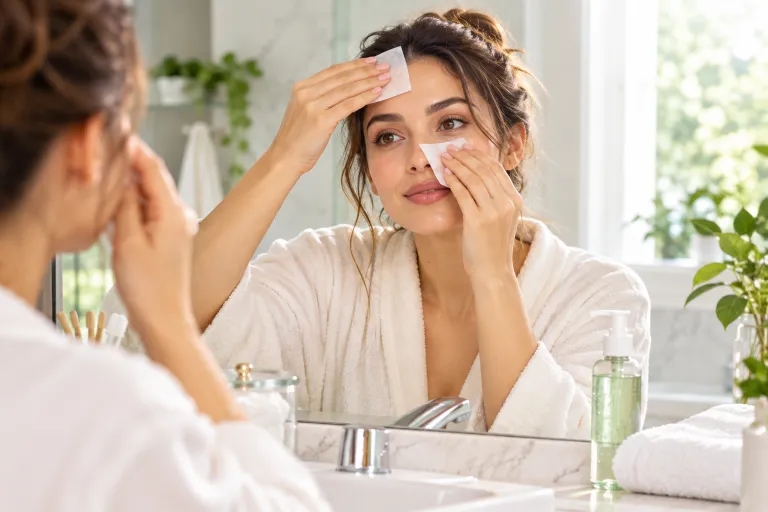
- Woman blotting an oily T-zone with a blotting sheet beside a gel cleanser in a bathroom
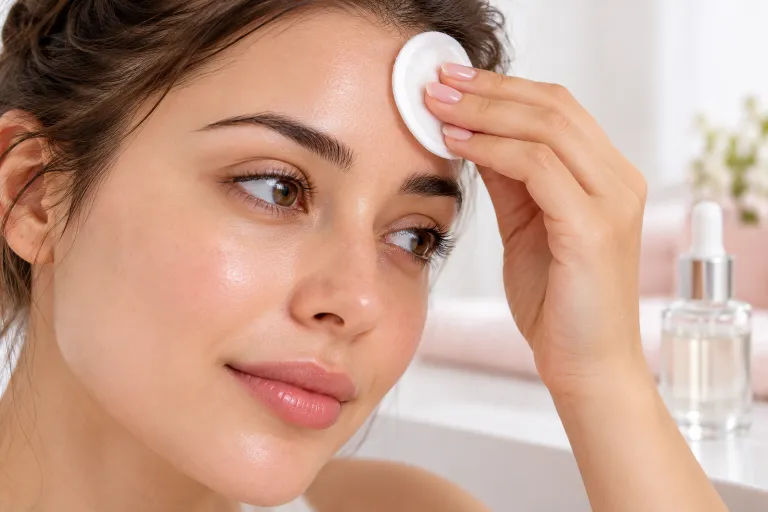
- Hand applying a clear exfoliating liquid to the forehead with a cotton pad
- Woman touching her jawline in soft morning light with a calendar and notebook nearby
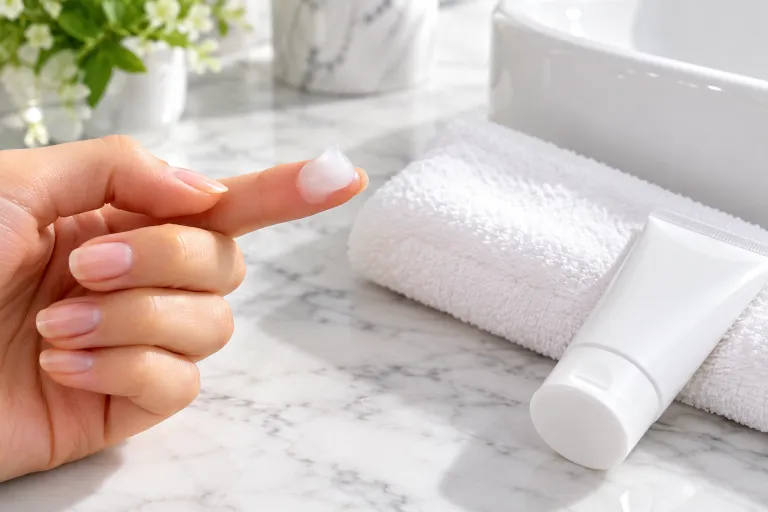
- Fingertip with a small dab of benzoyl peroxide gel next to a white towel and tube
- Mother and daughter at a mirror holding skin care bottles and smiling
- Flat lay of a light moisturizer, foundation, and hair oil on a linen cloth
- Woman patting her cheek dry with a soft white towel next to a cleanser bottle
- Woman in a cozy sweater sipping tea by a window with pimple patches on the table
- Kitchen table with berries, oats, water, and a food and skin notebook
- Clean white pillowcase on a made bed with a phone and cloth on the nightstand
- Dermatologist talking with a young woman in a bright clinic while viewing a tablet
FAQ Section
What is the main cause of acne?
Acne usually starts when oil and dead skin cells clog a pore. Hormones, bacteria, and inflammation then make the bump bigger and more noticeable.
Does dirty skin cause acne?
Not really. Acne comes from what happens inside the pore, so washing more often will not fix it. Gentle cleansing twice a day is usually enough.
Can stress alone cause acne?
Stress alone is rarely the only cause, but it can make existing acne worse. It can raise oil production and lead to more picking, so managing it may help.
How long does it take to see results after changing my routine?
Most skin care changes need about six to twelve weeks to show clear results. Give each change time before deciding it is not working.
Is it normal to get acne as an adult?
Yes, it is very common, especially for women, because of hormonal changes, stress, and products. If breakouts are painful or keep returning, a dermatologist can help find the cause.
Can I prevent acne completely?
Not always, since genetics and hormones play a role. But steady habits can reduce how often and how severe breakouts are.


