

10 Quick Guide Tips You Need to Know Today
Some days you just do not have twenty minutes for a full skin care routine. You want something that actually works, not another ten step plan that ends up collecting dust on your bathroom shelf. If you have ever stood in front of the mirror wondering what actually matters and what you can skip, you are not alone. This quick guide cuts through the noise and gives you ten simple, real tips you can use starting today, no fancy tools or hour long routines required.
1. Cleanse With Your Hands, Not a Rough Cloth
A lot of people reach for a washcloth out of habit, but that rough texture can irritate skin more than it helps. Your fingertips are gentle enough for daily use and let you feel where your skin actually needs attention.
Here is the quick fix. Wet your face first, then work a small amount of cleanser in slow circles for about thirty seconds before rinsing with lukewarm water. This works especially well if you have sensitive or reactive skin, since a washcloth can leave tiny scratches you will not notice until they start to sting later.

2. Skip Hot Water on Your Face
Hot showers feel amazing, but hot water strips the natural oils your skin needs to stay balanced. A lot of people do not realize this is why their skin feels tight and dry right after a shower.
Stick to lukewarm water when washing your face, even if the rest of your shower runs hot. This small change matters most for people with dry or eczema prone skin, where every bit of natural moisture counts. Think of it like watering a plant with the right amount, not flooding it and washing away the nutrients it already had.
3. Apply Product to Damp Skin
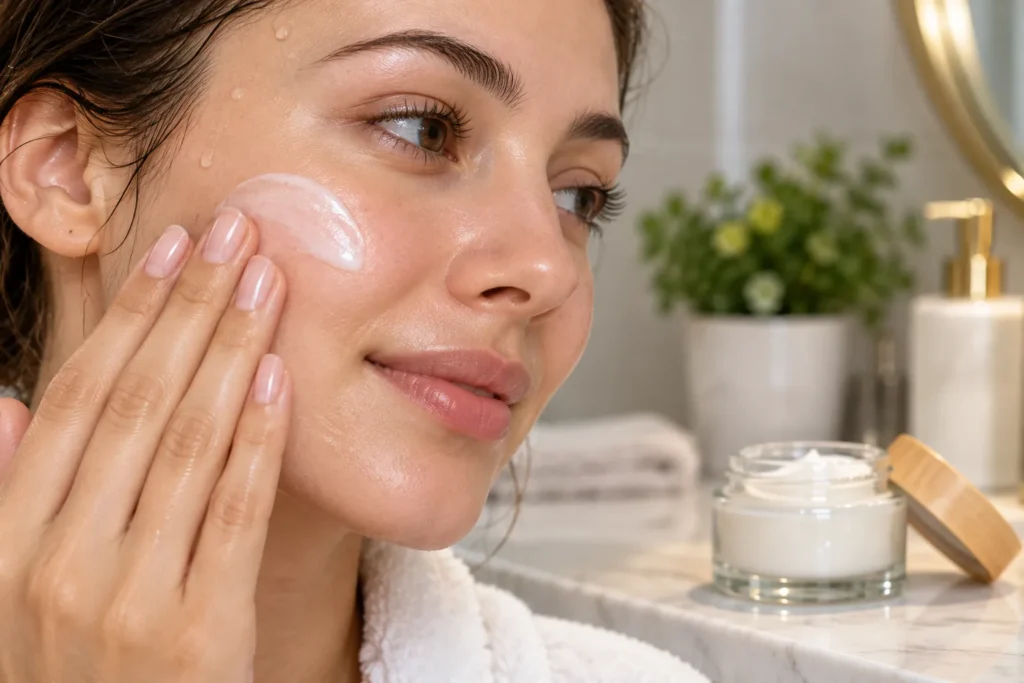
Here is one most people get wrong. If you wait until your skin is completely dry to apply moisturizer, you are missing your best window for locking in hydration.
Right after cleansing, while your skin is still slightly damp, smooth on your serum or moisturizer. The damp skin helps seal in extra water instead of letting it evaporate into the air. This is a quick win for anyone who deals with flaky patches, especially during colder months when indoor heating dries out the air around you.
4. Do Not Skip Sunscreen on Cloudy Days
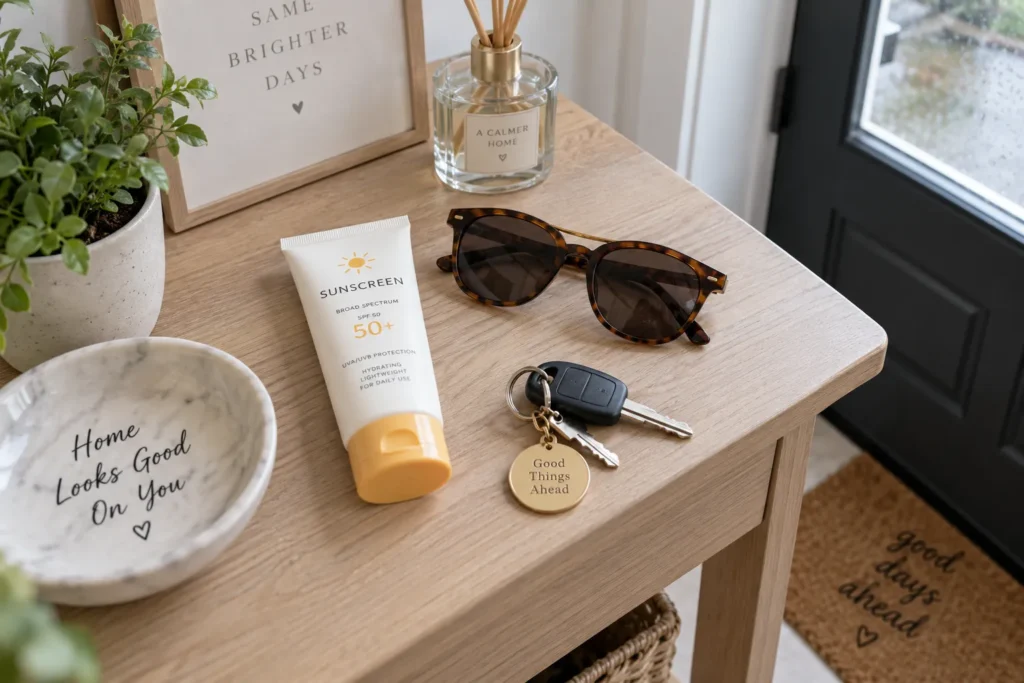
It is easy to think cloud cover means you are safe from sun damage, but up to eighty percent of UV rays pass right through clouds. Skipping sunscreen on gray days is one of the most common mistakes people make without realizing it.
Keep a lightweight sunscreen by your front door or in your bag so it becomes as automatic as grabbing your keys. This matters most if you spend time near windows at work or drive often, since UV rays reach you through glass too. A tinted mineral sunscreen works well here because it doubles as light coverage on days you want to skip makeup.
5. Pick One Active Ingredient, Not Five
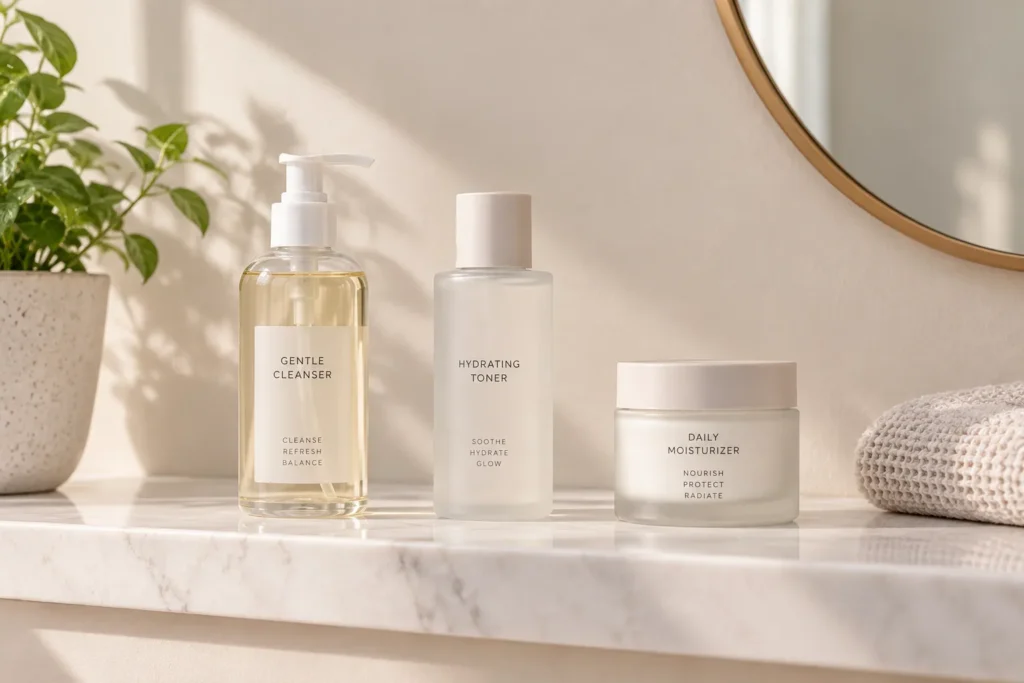
More is not always better when it comes to skin care. Layering five active ingredients at once, like retinol, vitamin C, and exfoliating acids all in one routine, can leave your skin red, irritated, and worse off than when you started.
Start with one active ingredient that targets your main concern, whether that is dullness, breakouts, or fine lines, and give it a few weeks before adding anything else. This approach works best for beginners or anyone whose skin has felt reactive lately. Think of your skin barrier like a fence around your house. You want to strengthen it, not knock down several boards at once to see what happens.

6. Change Your Pillowcase More Often Than You Think
Your pillowcase collects oil, sweat, and product residue every single night. Sleeping on the same one for two or three weeks can quietly contribute to breakouts along your jawline and cheeks.
Swap to a fresh pillowcase once a week, or twice a week if you tend toward oily or acne prone skin. Silk or satin pillowcases are worth trying too, since they create less friction against your skin overnight. This is a small habit that saves you from wondering why breakouts keep showing up in the same spot even when your routine has not changed.

7. Do Not Forget Your Neck and Chest
It is easy to stop your skin care routine right at your jawline, but your neck and chest show sun damage and aging just as fast as your face, sometimes faster.
Extend your cleanser, moisturizer, and sunscreen down to your neck and chest every time you apply them to your face. This is especially worth remembering in summer when these areas are often exposed but rarely protected. A friend once told me she only realized this after noticing her neck looked years older than her face, and that one habit change made a real difference within a few months.

8. Let Products Fully Absorb Before Layering
Rushing through your routine and piling on product after product without waiting means each layer just sits on top of the last one instead of actually sinking in.
Give each step about sixty seconds before moving to the next one, especially between serum and moisturizer. This matters most with thicker or oil based products, which need a little more time to settle. If your skin feels sticky or your makeup seems to slide around by midday, this simple pause can fix both problems at once.
9. Watch for Fragrance in Products That Touch Your Face All Day
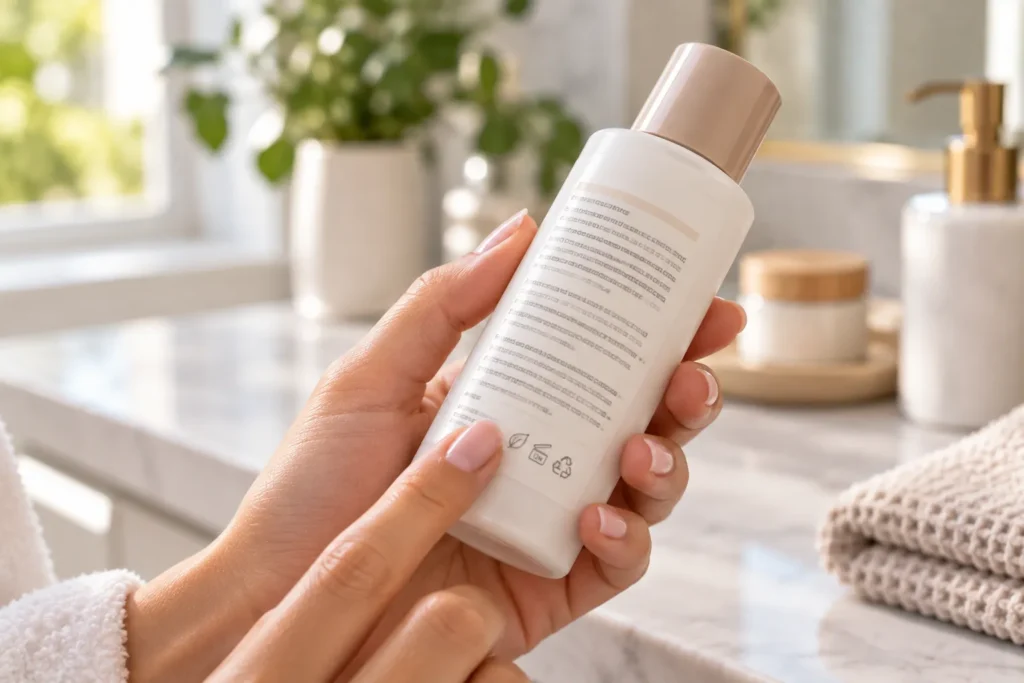
Fragrance can make a product smell wonderful, but it is also one of the most common causes of irritation, especially in products you leave on all day like moisturizer or sunscreen.
Check the ingredient list for the word fragrance or parfum, and consider switching to a fragrance free version if your skin often feels itchy or flushed. This tip matters most for anyone with rosacea, eczema, or generally reactive skin, where fragrance can trigger flare ups without an obvious cause. You will want to remember this one the next time your skin acts up for no clear reason.

10. Reset Your Skin Care Tools Weekly
Makeup brushes, beauty sponges, and even your phone screen touch your face constantly, yet most people forget these items need regular cleaning just as much as their skin does.
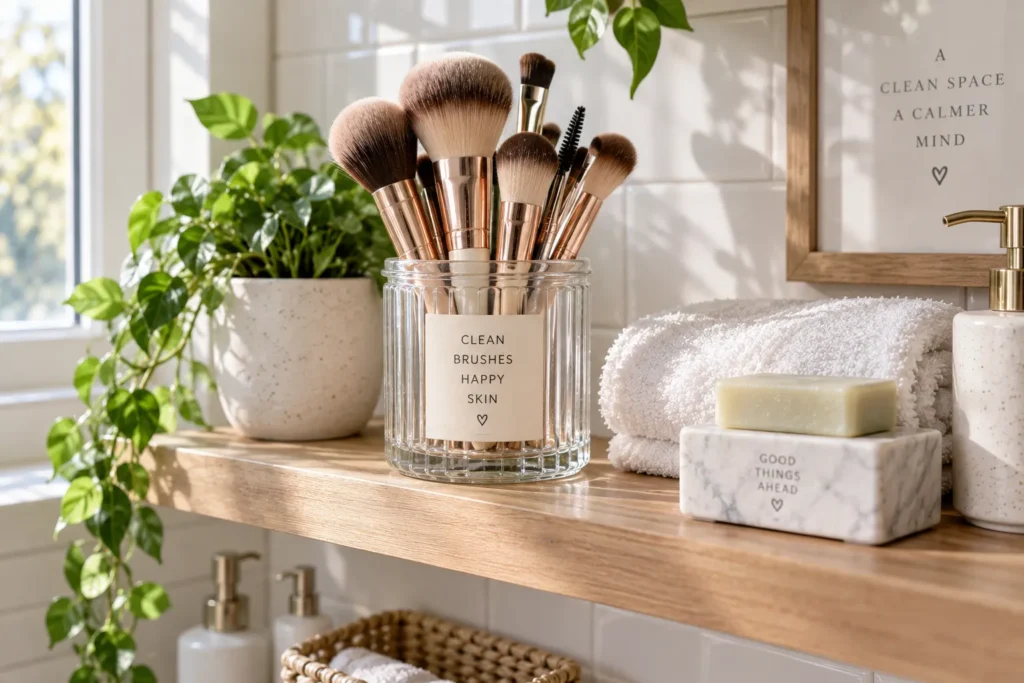
Wash makeup brushes and sponges once a week with a gentle soap, and wipe down your phone screen daily with an alcohol free wipe. This small reset matters most if you deal with recurring small breakouts in the same area, since dirty tools are often the hidden culprit. It is an easy step to overlook, but it closes the loop on a routine that otherwise looks perfect on paper.
[INTERNAL LINK OPPORTUNITY: daily skin care habits for beginners]
Final Thoughts
Good skin care does not have to mean an overwhelming routine with fifteen steps and an hour of your evening. Small, consistent choices, like the ones in this quick guide, add up more than any single expensive product ever could. Pick one or two tips from this list to try this week instead of trying to change everything at once. Your skin will thank you for the patience, and future you will be glad you saved this guide to come back to.
Image Alt Text Suggestions
- Woman gently cleansing her face with fingertips at a bathroom sink
- Moisturizer being applied to damp skin after cleansing
- Sunscreen tube placed by keys and sunglasses near a front door
- Minimalist skin care shelf with a few simple product bottles
- Satin pillowcase on a neatly made bed
- Woman applying sunscreen to her neck and collarbone
- Serum being pressed into skin with fingertips
- Skin care product label being read closely for ingredients
- Clean makeup brushes drying on a white towel
FAQ Section
What is the quickest way to improve my skin care routine? Start by fixing one habit at a time, like switching to lukewarm water or applying moisturizer to damp skin. Small, consistent changes usually beat a full routine overhaul.
Do I really need sunscreen every day, even indoors? Yes, if you spend time near windows, UV rays can still reach your skin through glass. Daily sunscreen is one of the most effective habits for preventing early skin aging.
How many active ingredients should I use at once? Stick to one main active ingredient at a time, especially if you are new to actives or your skin has felt sensitive lately. This helps you see what is actually working without overwhelming your skin barrier.
How often should I wash my pillowcase for clearer skin? Aim for once a week, or twice a week if your skin is oily or acne prone. Oil and product buildup on pillowcases is a common hidden cause of breakouts.
Why does my skin still feel dry even though I moisturize? You may be applying moisturizer to fully dry skin, which misses the best window for locking in hydration. Try applying it while your skin is still slightly damp instead.
Is fragrance in skin care products actually a problem? It can be, especially for reactive or sensitive skin types. If you notice unexplained redness or itching, switching to fragrance free products is worth trying first.


