

10 Easy Ways to Get Acne Free Skin Naturally
You wake up, check the mirror, and there it is again. A fresh breakout right before something important. It is frustrating, and it can make you feel like your skin is working against you. The good news is that small, gentle habits add up faster than most people expect, and you do not need a harsh routine to see change. Here are 10 natural, realistic steps that can help you move toward acne free skin, or at least calmer and clearer skin you feel good in.
1. Start With a Gentle Cleansing Routine for Acne Free Skin
Think of your face as delicate fabric, not a greasy pan that needs scrubbing.
Wash twice a day, once in the morning and once at night, using lukewarm water and a mild, fragrance-free cleanser. Massage it in for about 30 to 60 seconds with your fingertips, then rinse well and pat dry with a clean towel.
The common mistake is scrubbing hard or using hot water because skin feels oily. That strips the protective barrier, and irritated skin often responds by producing even more oil. The fix is simple: gentler products, softer hands, and consistency.
This works especially well for oily and combination skin, and it costs very little. A basic drugstore gel or foaming cleanser is plenty.

2. Hands Off: Stop Picking and Touching Your Face
Most people overlook how many times a day their hands visit their face. Resting your chin on your palm, scratching your cheek, and squeezing a spot “just once” all add up.
Picking pushes bacteria and oil deeper, which can cause more swelling and, later, dark marks or scars. A small spot that would have healed in a few days can linger for weeks.
Try this instead: cover a surfaced blemish with a hydrocolloid pimple patch overnight. It makes a tiny cushion over the spot, keeps your fingers away, and helps absorb fluid. Keep a few in your nightstand drawer so you reach for a patch instead of a mirror.
Works best on whiteheads that have already come to a head. Cystic bumps under the skin are better left alone entirely.

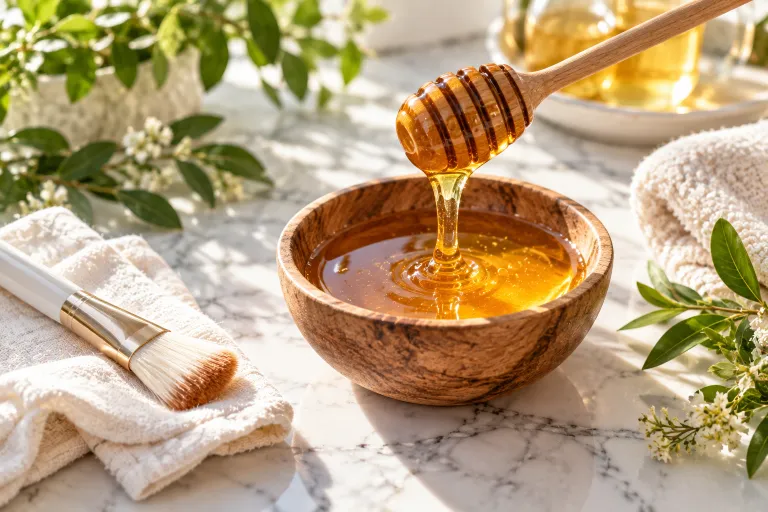
3. Use Raw Honey as a Gentle Spot Mask
Honey is the kind of kitchen ingredient that feels like a treat for your face. Raw honey has natural soothing and antibacterial properties, which is why many people use it on irritated, blemish-prone skin.
Smooth a thin layer over clean skin, leave it for 10 minutes, then rinse with lukewarm water. Do it two or three times a week. Use plain raw honey, not a flavored or heavily processed jar, and patch test on your inner arm first.
A mistake to avoid is mixing honey with lemon juice. Lemon is very acidic and can burn or darken the skin in sunlight. Honey on its own is calmer and just as useful.
Great for a relaxed weekend evening when your skin feels angry and tight.
4. Try a Cooled Green Tea Toner
Green tea contains natural plant compounds called polyphenols, which are known for their calming, antioxidant qualities. That makes it a lovely soft option for redness-prone, breakout-prone skin.
Steep one green tea bag in hot water for about five minutes, then let it cool fully. Dip a cotton pad in the tea and sweep it over clean skin, or lay the cooled tea bags over red areas for five minutes like a mini compress.
Here is a detail most people miss: homemade toners do not last. Make a fresh cup each time, or store it in the fridge for no more than a day or two. Old tea can grow bacteria, which is the opposite of what you want.
This is a good fit for hot summer days, when a chilled, refreshing step feels wonderful.

5. Soothe Redness With Pure Aloe Vera Gel
Picture a cool, clear gel melting into warm, flushed skin. That is why aloe vera has earned its place in so many bathroom cabinets.
Aloe is hydrating and calming, so it can help take the sting and redness out of angry breakouts, especially if you are using stronger acne products that leave your skin a little dry. Look for a gel with a short ingredient list and no added fragrance or alcohol. The bright green, heavily scented gels often contain things that irritate.
Apply a thin layer after cleansing, or use it as a light moisturizer on hot days. If you are using a fresh leaf from a plant, remove the yellow sap near the base first, since it can be irritating.
Perfect for sensitive skin that gets red and tight easily.

6. Use Tea Tree Oil Carefully and Diluted
Tea tree oil is one of the most talked-about natural options for blemishes, and there is some research supporting it in diluted form. Many studied gels contain around 5 percent tea tree oil, though results vary from person to person and it usually works more slowly than conventional treatments.
The big mistake is putting pure tea tree oil straight onto the skin. Undiluted oil can cause burning, peeling, and redness. Instead, choose a ready-made gel or cleanser that already contains it, or mix one drop into a teaspoon of a gentle carrier like jojoba oil before dabbing it on a single spot.
Patch test first on your jawline or inner arm and wait 24 hours. If your skin stings or turns red, skip it.
Best used as a spot treatment, not an all-over face product.

7. Wash the Things That Touch Your Face
Your skin can be doing everything right while your pillowcase quietly undoes it. Oil, sweat, hair products, and makeup transfer onto fabric night after night.
Change your pillowcase every two to three days if you are breakout-prone, and wipe your phone screen with a clean cloth daily. Wash makeup brushes and sponges weekly with a mild soap. Even your hair matters. If you have long hair, tie it back at night so oils and styling products do not rest against your cheeks and forehead.
Keep a small stack of cotton pillowcases in your linen closet so swapping them takes ten seconds. This is one of those small habits worth coming back to when your skin suddenly flares for no obvious reason.
Especially helpful for anyone who breaks out along the jawline or around the hairline.

8. Moisturize and Protect, Even If Your Skin Is Oily
Many people skip moisturizer when they are breaking out, thinking it will add more shine. In reality, dry, stressed skin can make oil production worse.
Choose a lightweight, oil-free gel or lotion labeled non-comedogenic, which means it is formulated not to clog pores. Apply it while your skin is still slightly damp for a soft, bouncy finish.
Then, every morning, finish with sunscreen. Sun exposure can darken the marks that breakouts leave behind, which makes them last much longer. A mineral or lightweight gel sunscreen labeled oil-free is a good place to start, and SPF 30 or higher is a common recommendation.
Even a simple three-step morning of cleanse, moisturize, and sunscreen can make your skin look calmer and more even over time.
9. Eat for Calmer Skin and Drink Enough Water
Food and skin have a real connection, though the research is still evolving and every person reacts differently. Some studies link high-sugar, refined carbohydrate-heavy diets with more breakouts, and some people notice flares with certain dairy products.
Instead of cutting out everything, try this: build your plates around colorful vegetables, fruit, whole grains, beans, and healthy fats like avocado, olive oil, and nuts. Swap a sugary afternoon snack for a handful of almonds and an apple, and drink water through the day.
If you suspect a trigger, keep a simple food and skin diary for three to four weeks before changing anything big. It is easier to spot patterns when you write them down.
A good fit for anyone who feels stuck, because it works from the inside while your skincare works from the outside.

10. Protect Your Sleep and Calm Your Stress
Ever notice your skin acts up in the middle of a stressful week? That is not a coincidence. Stress can raise hormones that tell your skin to make more oil, and poor sleep can leave your skin looking dull and inflamed.
Aim for seven to nine hours of sleep and a calm evening ritual. Dim the lights, put your phone down about 30 minutes before bed, and try a short walk, gentle stretching, or slow breathing. Even ten minutes of daylight and movement during the day can improve how you feel by evening.
The mistake is treating skin as separate from the rest of your life. The fix is giving your body the same patience you give your face.
Especially useful during busy seasons, exam weeks, or big life changes.

Final Thoughts
Remember that morning mirror moment, the one that made your stomach drop? Healthy skin rarely comes from one miracle product. It comes from gentle, repeated choices, and you now have ten of them to lean on. Be patient, because skin usually needs several weeks to show real change, and perfectly clear skin all the time is not realistic for anyone. If your breakouts are painful, deep, scarring, or not improving, a dermatologist can give you treatment that natural habits alone cannot. Save this list for the next time your skin acts up, and pick just one idea to try this week.
6. Image Alt Text Suggestions
- Woman with fresh clean skin washing her face with a gentle cleanser at a bright bathroom sink
- Close-up of a clear hydrocolloid pimple patch on a cheek next to a pack of patches
- Wooden bowl of raw honey with a honey dipper and mask brush on a marble counter
- Cup of cooled green tea with cotton pads and tea bags for a homemade acne toner
- Fresh aloe vera leaf cut open beside a jar of pure aloe vera gel on a windowsill
- Amber dropper bottle of tea tree oil with green leaves and a cotton swab for spot treatment
- Freshly made bed with clean white pillowcases and a phone on a cloth for acne prevention
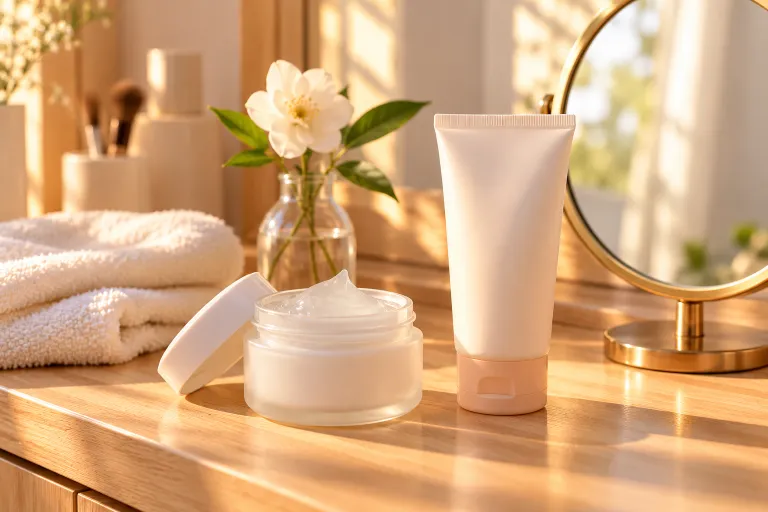
- Lightweight oil-free moisturizer and sunscreen tube arranged on a bathroom vanity shelf
- Colorful bowl of berries, spinach, avocado, and nuts with a glass of water for clearer skin
- Cozy bedroom at dusk with herbal tea on a nightstand for better sleep and calmer skin
7. FAQ Section
Is it really possible to get acne free skin naturally?
Natural habits can make a real difference in how often and how severely you break out, but no routine guarantees perfectly clear skin. Genetics, hormones, and stress all play a role. Aim for calmer, clearer, and healthier-looking skin rather than perfection.
How long does it take for natural acne remedies to work?
Most skin needs about four to eight weeks of steady care before you can judge results, because skin renews itself slowly. Try one new habit at a time so you can tell what is helping.
Can toothpaste or lemon juice clear pimples fast?
No, and both can irritate or burn your skin. Toothpaste contains ingredients not meant for the face, and lemon juice is very acidic. Hydrocolloid patches or a gentle spot treatment are safer choices.
Does drinking more water clear acne?
Water supports overall skin health, but it will not clear breakouts alone. Think of it as one helpful piece of a bigger routine that includes cleansing, moisturizing, and balanced eating.
What should I do if natural remedies are not working?
If your acne is painful, deep, leaves scars, or does not improve after a couple of months, see a dermatologist. They can offer treatments that natural habits cannot, and getting help early can protect your skin from lasting marks.
Is it safe to use natural remedies with acne medication?
Not always. Some natural ingredients can increase dryness or irritation when combined with medicated products. Check with your dermatologist or pharmacist before mixing them.
I can also create the feature image and numbered image generation prompts with placements and alt tags if you’d like them for this one.


