

10 Acne Routine Steps for Smooth, Glowing Skin
You buy the new cleanser, the trendy serum and the miracle spot treatment, and your skin still breaks out. It feels unfair, and honestly, it is exhausting. Most of the time the problem is not your skin. It is a messy, overcomplicated acne routine that fights itself. Here are 10 simple steps that work together, so you can build a routine you will actually stick with.
Step 1: Start Your Acne Routine With a Gentle Cleanser
Picture a cleanser that leaves your face feeling soft and calm, not tight and squeaky.
That tight feeling means your skin barrier is being stripped, and a stressed barrier can make breakouts worse. Look for a gentle, fragrance-free gel or cream cleanser. If your skin is oily, a gel with a little salicylic acid works well. If your skin is dry or sensitive, a creamy formula is kinder.
Mistake and fix: Many people scrub harder when they break out. Instead, use your fingertips and lukewarm water for about 30 seconds, then rinse well.
Best for: Beginners and sensitive skin.

Step 2: Double Cleanse at Night to Keep Pores Clear
Think of sunscreen, makeup and city grime sitting on your skin all day like a thin film.
A single face wash often cannot lift all of it. At night, start with a micellar water or cleansing balm to melt away sunscreen and makeup. Follow with your gentle cleanser to wash the skin itself. This helps stop leftover product from sitting in your pores.
If you wear no makeup and only a light sunscreen, you can skip this on lazy nights. Use it on the days you wear full coverage or water-resistant SPF.

Step 3: Add a Hydrating Layer Before Your Acne Treatment
Here is something most people overlook: acne-prone skin still needs water.
Oil and hydration are not the same thing. Skin can be oily and dehydrated at the same time, which is why some faces feel greasy yet flaky. After cleansing, press in a lightweight hydrating essence or a serum with hyaluronic acid or niacinamide. Niacinamide is a popular pick because it may help with oil balance and redness. Start with a low strength to see how your skin reacts.
Apply it to slightly damp skin so it sinks in better and your treatment step feels less harsh afterward.

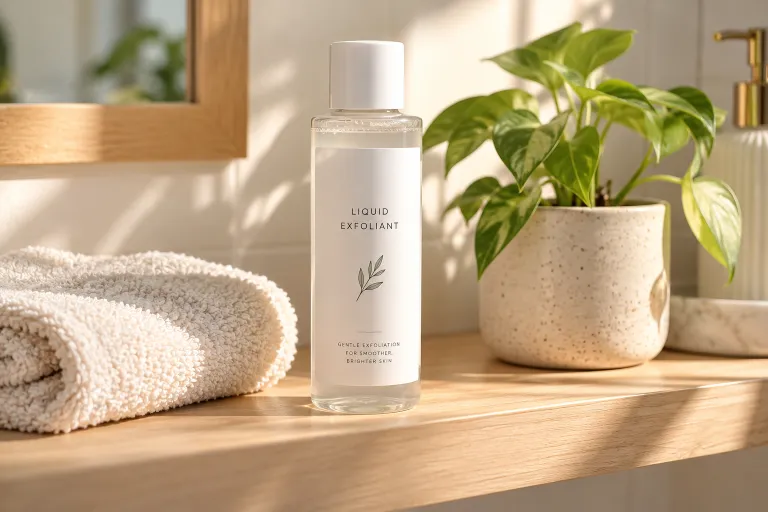
Step 4: Use Salicylic Acid to Unclog Pores
Imagine a tiny scrub that works inside the pore instead of on the surface.
Salicylic acid is an oil-soluble ingredient, so it can get into pores and help clear the buildup behind blackheads and whiteheads. A leave-on product with 0.5 to 2 percent is a good range. Begin three nights a week and slowly increase if your skin feels comfortable.
Mistake and fix: Using a strong acid every single day right away leads to peeling and irritation. Add it slowly and stop if your skin stings or turns very red.
Step 5: Treat Active Pimples With a Thin Layer of Benzoyl Peroxide
If you have red, angry pimples, this is the ingredient dermatologists mention again and again.
Benzoyl peroxide targets the bacteria involved in many breakouts. A 2.5 percent strength is often a gentler place to begin than 5 or 10 percent, and it can work just as well for many people. Use a pea-sized amount for the whole face, or dab it only where you need it.
A small warning: it can bleach towels, pillowcases and hair. Use white linens and let it dry fully before bed.
Best for: Inflamed pimples on the cheeks, chin and jawline.

Step 6: Bring in a Retinoid Slowly for Smoother Texture
Think of this step as the long game that helps skin look more even and polished over time.
Adapalene is a retinoid now sold over the counter in many places. It helps skin cells turn over normally, which can ease clogged pores and rough texture. Use a pea-sized amount at night, two nights a week at first, on dry skin.
Expect some dryness in the first few weeks. If you feel burning, cut back. Do not layer it with salicylic acid or benzoyl peroxide on the same night when you are starting out. Alternate nights instead.

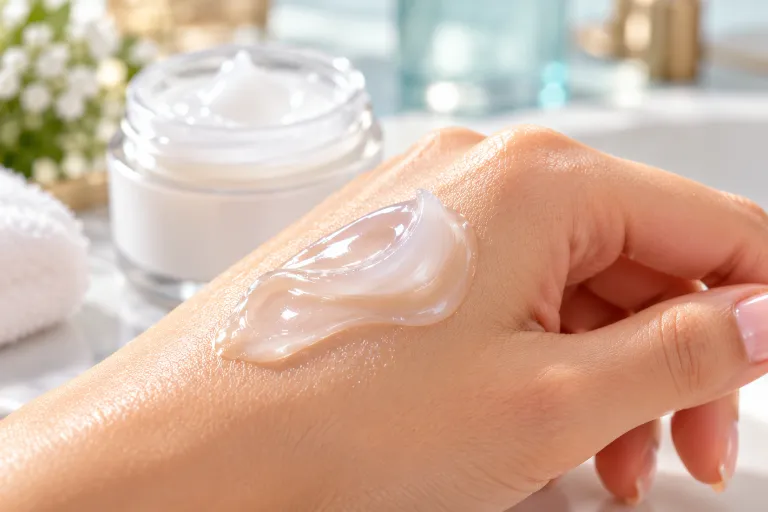
Step 7: Lock It In With a Non-Comedogenic Moisturizer
Your treatment steps dry out the surface, so a good moisturizer is what makes the whole routine tolerable.
Choose a formula labeled non-comedogenic, which means it is made not to clog pores. Light gel creams with ceramides or glycerin are great for oily skin. Dry skin can handle a slightly richer cream. Apply it while your skin is still a little damp.
Skipping moisturizer is one of the most common acne mistakes. Dry, irritated skin often responds by making more oil, which can lead to more breakouts.
Step 8: Never Skip Sunscreen in Your Daily Acne Routine
Picture the dark marks acne leaves behind, the ones that linger long after the pimple is gone.
Sun exposure can make those marks darker and last longer. Many acne treatments also make skin more sensitive to the sun, so SPF 30 or higher every morning is not optional. Mineral sunscreens with zinc oxide are often gentle on breakout-prone skin, and lightweight fluid or gel textures feel less greasy.
A rough guide is about two finger lengths for the face and neck. Reapply if you are outside for hours.

Step 9: Treat Spots Gently With Hydrocolloid Patches
Resist the urge to pick. You already know how that story ends.
Hydrocolloid patches are small, clear stickers that absorb fluid from a pimple that has come to a head. They also act as a barrier, so your fingers stay away. Place one on a clean, dry spot overnight and peel it off in the morning. They work best on whiteheads and open pimples, not on deep bumps under the skin.
This is a great trick to bookmark for the morning of a big event, when a surprise breakout shows up.

Step 10: Support Your Acne Routine With Smart Habits and Patience
Skin does not clear overnight, and most routines need 8 to 12 weeks before you can judge the results fairly.
A few small habits help more than you might expect:
- Change your pillowcase once or twice a week.
- Clean your phone screen and makeup brushes regularly.
- Use a clay mask once a week if your skin is oily.
- Add one new product at a time, so you know what is helping or hurting.
If you want a natural touch, a green tea toner or a calming aloe gel can be a gentle extra. Always patch test first, and skip lemon juice and baking soda, which can burn the skin.
If your acne is deep, painful or leaving scars, see a dermatologist. Prescription options can make a real difference.
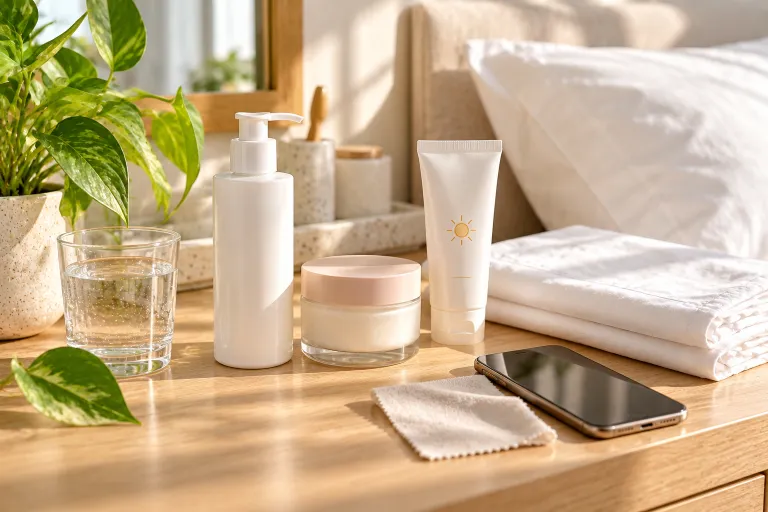
A Simple Way to Put It All Together
Morning: gentle cleanser, hydrating layer, moisturizer, sunscreen.
Night: double cleanse if needed, hydrating layer, one active (salicylic acid, benzoyl peroxide or adapalene on alternating nights), moisturizer.
Keep it boring on purpose. A routine you can repeat is better than a fancy one you abandon.
Final Thoughts
Breakouts can make you feel like your skin is working against you, but a calm, steady acne routine gives you a way to work with it. Start with the basics, add one step at a time and be kind to your face along the way. Save this guide, pick just one change to try this week and let your skin have time to respond.
6. Image Alt Text Suggestions
- Pump bottle of gentle gel cleanser beside a clean white sink for an acne routine
- Cotton pad with makeup residue next to micellar water on a marble vanity
- Dropper bottle of hydrating serum with a drop on a fingertip
- Slim bottle of salicylic acid exfoliant with a folded washcloth and small plant
- Tube of benzoyl peroxide acne gel beside a white pillowcase
- Flat lay of acne treatments arranged by night of the week on linen
- Swirl of lightweight non-comedogenic moisturizer on the back of a hand
- Woman applying sunscreen with two fingers by a bright window
- Hydrocolloid pimple patch on a cheek in natural light
- Simple bathroom shelf with cleanser, moisturizer and sunscreen for an acne routine
7. FAQ Section
What is the best order for an acne routine?
Go from thinnest to thickest. Cleanse first, then apply a hydrating layer, your treatment, moisturizer and, in the morning, sunscreen. This lets each product absorb properly.
How long does an acne routine take to work?
Most people need 8 to 12 weeks to see real change. Some dryness or small flare-ups in the first few weeks can be normal, but stop and check in with a doctor if your skin feels painful or severely irritated.
Can I use salicylic acid and benzoyl peroxide together?
You can, but it often leads to dryness when you are new to both. A gentler way is to use salicylic acid some nights and benzoyl peroxide on others, or use one in the morning and one at night.
Should I moisturize if my skin is oily and acne-prone?
Yes. Oily skin can still be dehydrated, and skipping moisturizer may lead to more oil. Choose a light, non-comedogenic gel cream.
How many times a day should I wash my face with acne?
Twice a day is plenty, once in the morning and once at night. Washing more often can strip the skin and trigger irritation. Rinse after a sweaty workout if needed.
When should I see a dermatologist about acne?
Book a visit if you have deep, painful cysts, scarring, or no improvement after about three months of consistent care. A professional can offer prescription treatments that over-the-counter products cannot match.


