

10 Healthy Skin Care Habits for Radiant Skin
You wash your face, buy the serum everyone talks about, and still wake up with skin that looks tired. It is frustrating when you are doing “all the right things” and nothing seems to change. The truth is that healthy skin care is built on small habits you repeat, not on one miracle product. This guide walks you through ten simple, realistic habits that help your skin look calm, balanced, and naturally radiant.
1. Start With a Gentle Cleanse Morning and Night
Picture a clean, soft face after washing, with no tightness and no squeaky feeling.
A gentle cleanser removes sweat, oil, sunscreen, and city grime without stripping your skin. That matters because harsh washing damages your skin barrier, the thin protective layer that holds in moisture. When the barrier is weak, skin gets dry, red, and sometimes oilier as it tries to make up for the loss.
Common mistake: Using a foaming, strongly scented cleanser twice a day because it feels “deep clean.”
The fix: Choose a creamy or low-foam cleanser with simple ingredients. Use lukewarm water, massage for about 30 to 60 seconds, and pat dry with a clean towel. If you wear makeup or sunscreen, cleanse in two rounds at night.

2. Make Sunscreen Your Non-Negotiable Daily Step
Sunscreen is the most useful thing you can do for long-term healthy skin care, and it is easy to skip on cloudy days.
Daily UV exposure is a major driver of dark spots, uneven tone, and early lines. A broad-spectrum SPF 30 or higher worn every morning protects the very glow you are working hard to build. Dermatologists commonly recommend about a quarter teaspoon for the face, and more for the neck and ears.
Use case: Keep a small tube in your bag or desk drawer, so reapplying during a long day outdoors feels easy instead of like a chore.

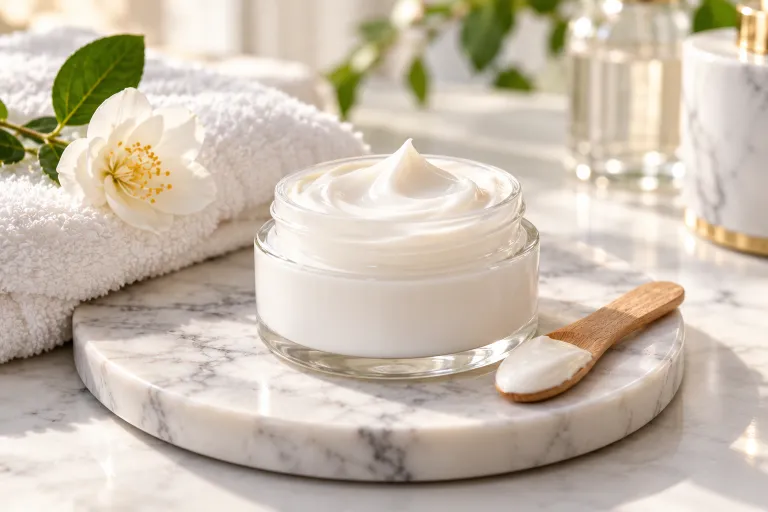
3. Moisturize Even if Your Skin Feels Oily
Think of a moisturizer as a soft blanket that keeps hydration from escaping while you sleep or work.
Oily and acne-prone skin still needs water and barrier support. Skipping moisturizer can leave skin dehydrated, which can look dull and feel tight underneath the shine. Pick a light, gel-style formula if you break out easily, and a richer cream if your skin feels dry or flaky.
Apply it while your face is still slightly damp. Damp skin holds onto moisture better, so even a small amount goes a long way. Look for ingredients like glycerin, ceramides, and hyaluronic acid, which are well known for supporting hydration.
4. Drink Water and Eat for Your Skin
Here is something many people overlook: your skin shows what is happening on your plate long before you notice it in the mirror.
Water will not erase wrinkles, but staying hydrated supports how you feel and how your skin looks. Add colorful foods too. Berries, leafy greens, carrots, tomatoes, nuts, and fatty fish provide vitamins and healthy fats that support overall skin health.
Use case for busy weeks: Keep a water bottle on your desk and add one fruit or vegetable to each meal. Small swaps are easier to keep than a full diet overhaul.
Keep in mind that food affects people differently, so notice what makes your skin feel its best.

5. Protect Your Sleep for Brighter Mornings
Imagine waking up with fewer puffy eyes and a face that looks rested instead of drained.
During sleep, your body does a lot of its repair work. Poor sleep can leave skin looking dull and make dark circles more noticeable. Aim for seven to nine hours when you can, and keep a steady bedtime so your body settles into a rhythm.
A small bonus: swap your pillowcase for a clean one a couple of times a week. Oil, sweat, and hair products collect on fabric and can bother sensitive or breakout-prone skin. This is a page worth saving for the nights you are tempted to scroll until midnight.

6. Exfoliate Gently, Not Aggressively
Smooth, soft skin comes from patience, not scrubbing.
Exfoliation removes dead skin cells so products absorb better and skin looks brighter. A mild chemical exfoliant, such as lactic acid, can work better for many people than rough scrubs with large grains, which may cause tiny tears.
Common mistake: Exfoliating every day because your skin looks dull.
The fix: Start with once a week, then move to two nights a week only if your skin stays comfortable. If you notice stinging, redness, or peeling, take a break and focus on moisturizer. Always wear sunscreen the next morning, since exfoliated skin is more sensitive to sun.

7. Add One Active Ingredient at a Time
Imagine your skin as a quiet room. Adding five new products at once is like turning on five radios.
Vitamin C, niacinamide, retinol, and azelaic acid are popular because they have solid research behind them for tone, texture, and breakouts. But using many at once makes it hard to know what helps and what irritates.
Introduce one new product, use it two or three times a week for two weeks, and watch how your skin responds. Patch test on your inner arm or jawline first. Retinol is best at night and should always be followed by sun protection the next day. If you are pregnant, nursing, or on prescription skin care, check with your doctor before adding retinoids.

8. Keep Your Hands Off Your Face
Your hands touch phones, door handles, and keyboards all day, then travel to your cheeks without you noticing.
Picking at spots can lead to inflammation, scarring, and dark marks that last much longer than the original pimple. If you feel the urge, try a hydrocolloid patch. It covers the spot, absorbs fluid, and creates a barrier that makes picking harder.
Common mistake: Squeezing a pimple that is not ready.
The fix: Leave it alone, apply a spot treatment with benzoyl peroxide or salicylic acid, and be patient. Clean your phone screen with a wipe a few times a week too, since it rests against your cheek during calls.

9. Manage Stress With Small Daily Resets
A calm mind often shows up as calmer skin.
Stress can trigger flare-ups, especially for people prone to acne, eczema, or redness. You do not need a spa day to reset. Try five minutes of slow breathing, a short walk after lunch, or a quiet evening stretch before bed.
Treat your skin care steps as part of that reset. Let your evening cleanse become the moment you slow down, put your phone away, and breathe. Habits that feel good are habits you actually keep, and that is where radiant skin comes from.

10. Be Consistent and Keep It Simple
The real secret behind a lasting healthy skin care routine is boring: do the basics every day.
A simple routine of cleanser, moisturizer, and sunscreen in the morning, plus cleanser and moisturizer at night, beats a complicated shelf you abandon in two weeks. Most skin changes take about four to six weeks to show, because skin renews itself slowly.
Take a photo once a month in the same light so you can see real progress. Come back to this list when you feel tempted to buy something new, and ask yourself whether it solves a real problem or just looks pretty on a shelf. If a rash, painful acne, or a changing mole shows up, see a dermatologist rather than guessing.

Final Thoughts
Remember that frustrating feeling of doing everything and seeing nothing? It usually fades once you stop chasing perfect products and start repeating small habits. Pick just one idea from this list and try it for two weeks. Your skin does not need to be flawless to look healthy, rested, and glowing. Save this post for the days you need a reminder, and start with tonight’s gentle cleanse.
6. Image Alt Text Suggestions
- Woman in a white robe gently massaging gentle cleanser onto her cheeks at a bright bathroom sink
- Sunscreen tube beside sunglasses and a straw hat on a sunny windowsill for daily sun protection
- Open white jar of face moisturizer on a marble tray beside a folded towel
- Skin-friendly foods including water with lemon, fresh berries, and almonds on a wooden table
- Cozy bed with soft white linens, a sleep mask, and a lamp for better skin-friendly sleep
- Bottle of gentle exfoliating toner and cotton pad on a soft pink bathroom counter
- Three small serum bottles with a dropper lined up on a clean skincare shelf
- Close-up of a hand placing a hydrocolloid pimple patch on a clean cheek
- Woman sitting cross-legged on a yoga mat near a window with a cup of tea for stress relief
- Tidy bathroom shelf with cleanser, moisturizer, and sunscreen beside a small green plant
7. FAQ Section
What are the most important healthy skin care habits?
The essentials are gentle cleansing, daily sunscreen, and regular moisturizing. Add good sleep, water, and balanced meals, and you cover most of what keeps skin healthy over time.
How long does it take to see results from a new skin care routine?
Most people notice early changes in four to six weeks, since skin renews itself slowly. Deeper concerns like dark spots can take three months or longer, so be patient and consistent.
Do I need a 10-step routine for healthy skin?
No. A simple routine of cleanser, moisturizer, and sunscreen is enough for most people. Add one targeted product only when you have a specific concern.
How often should I exfoliate my face?
Once or twice a week is plenty for most skin types. If your skin feels stingy, tight, or red, cut back and focus on moisturizing.
Can diet really change how my skin looks?
Food supports overall skin health, but results vary from person to person. Eating a variety of fruits, vegetables, and healthy fats while staying hydrated is a safe place to start.
When should I see a dermatologist?
See one if you have painful or persistent acne, a rash that will not clear, or a mole that changes shape or color. A professional can give advice that fits your skin and health history.


