

10 Best Tips to Unclog Pores Naturally at Home
You lean in toward the bathroom mirror and there they are again: tiny dark dots across your nose and chin that never seem to leave. You have scrubbed, squeezed, and tried every strip on the shelf, and your skin still feels rough. The good news is that you do not need harsh products to unclog pores. These 10 natural, beginner-friendly tips will help you clear buildup gently, so your skin looks smoother and feels fresher.
1. Start With a Gentle Oil Cleanse to Unclog Pores
Picture a soft, silky balm melting makeup and sunscreen right off your skin. That is the magic of oil cleansing.
Oil dissolves oil. Sebum, sunscreen, and makeup are all oil-based, so a light cleansing oil lifts them out of the pore far better than a foaming wash alone. Massage a teaspoon of jojoba or grapeseed oil onto dry skin for 60 seconds, then rinse with warm water.
A common mistake is using heavy oils like coconut oil on the face. It can sit in pores and make congestion worse. Choose lighter oils instead. This works best for anyone who wears sunscreen or makeup daily and wants a deeper evening cleanse.

2. Use Steam to Soften Clogged Pores
Think of a warm, quiet five minutes where your skin turns soft and slightly flushed. Steam helps loosen the plugs inside your pores so they come out more easily afterward.
Pour hot (not boiling) water into a bowl, drape a towel over your head, and keep your face about 12 inches away for 5 minutes. Steaming once a week is plenty. More than that can leave skin dry and irritated.
Skip this if your skin is very red, sensitive, or dealing with active breakouts. A warm washcloth pressed to your face for a minute is a kinder swap. Steam is a great pre-mask step on a lazy Sunday night.

3. Try a Clay Mask Once a Week
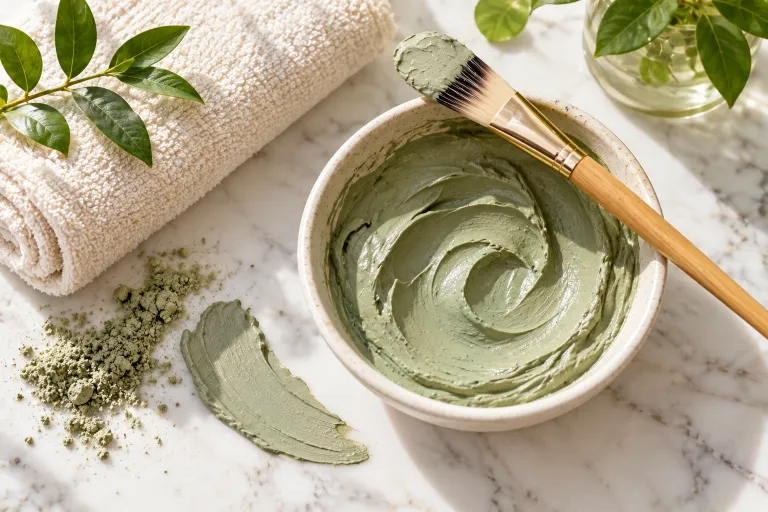
A thin layer of soft green or gray clay can feel like a tiny reset button for oily, stuffed-up skin. Clay works like a magnet for excess oil and surface impurities.
Mix 1 tablespoon of kaolin or bentonite clay with enough water or rose water to make a smooth paste. Spread it thinly and rinse after 8 to 10 minutes, before it cracks and tightens fully. Overly dry clay pulls moisture from your skin, which can trigger even more oil later.
This is a budget-friendly step too. A jar of kaolin clay is often just a few dollars and lasts for months. Bookmark this one for your next at-home spa night.
4. Exfoliate Gently With Natural Acids
If your skin feels bumpy under your fingertips, dead cells are probably sitting on top of your pores and holding oil in. Gentle exfoliation clears the way.
Natural-leaning options include lactic acid (found in milk-based products) and a mild fruit-enzyme mask made with papaya or pineapple. Use them once or twice a week at most. Look for products labeled “gentle” if you are new to exfoliating.
Many people grab a gritty scrub and rub hard, thinking harder means cleaner. It does not. Scrubbing can cause tiny tears in the skin and more irritation. Choose a mild acid or enzyme and let it do the work for you.

5. Make a Honey Mask for Soft, Clear Pores
Imagine warm, golden honey glowing on your skin while you sip tea. It feels like a treat and works like one too.
Raw honey is naturally antibacterial and gently hydrating. Spread a thin layer over a clean face, leave it for 10 minutes, then rinse with lukewarm water. For extra cleansing power, mix it with a pinch of oatmeal.
This is a lovely choice for dry or combination skin that needs unclogging without stripping. Always do a small patch test on your inner arm first, especially if you have pollen or bee allergies.

6. Use Green Tea as a Calming Toner
Green tea feels like a cool, quiet moment in a cup, and your skin can enjoy it too. It contains plant compounds that are often used in skin care to help calm redness and balance a shiny look.
Brew a cup, let it cool completely, and pour it into a clean spray bottle. Mist your face after cleansing, or pat it on with a cotton pad. Keep it in the fridge and use it within 3 to 4 days, since homemade toners do not contain preservatives.
This is perfect for hot weather, oily T-zones, and mornings when your skin looks tired. It is also one of the cheapest steps on this list.

7. Add a Salicylic Acid Step if You Want Extra Help
Sometimes natural methods need a little backup. Salicylic acid is oil-soluble, which means it can slip inside the pore and help clear buildup from within. It is derived from willow bark, which makes it a nice middle ground between natural and effective.
Start with a 0.5% to 2% cleanser, toner, or serum, two or three nights a week. If your skin tolerates it well, you can slowly add more.
The classic mistake is combining it with other strong exfoliants on the same night. Pairing too many actives can leave skin tight, red, and flaky. Pick one exfoliating step per night and let your skin rest between uses.

8. Stop Picking and Pinching Blackheads
It is tempting. You can see it, you can feel it, and your fingers want to fix it. But squeezing pushes debris deeper and can stretch pores, leaving them looking larger.
Instead, apply a warm compress for a few minutes, then use your gentle exfoliant or clay mask and let time do the rest. If a blackhead feels truly stubborn, a licensed esthetician can extract it safely with the right tools.
Here is something many people overlook: the dark color of a blackhead is not dirt. It is oil that has darkened after meeting the air. That is why scrubbing harder never works. Think patience, not pressure.

9. Choose Non-Comedogenic Products Every Day
You can do all the right masks and still end up with clogged pores if your moisturizer, sunscreen, or foundation is quietly blocking them. “Non-comedogenic” simply means a product is formulated not to clog pores.
Check labels on your daily products, especially heavy creams and thick makeup. Light gel moisturizers and mineral sunscreens made for oily skin are often a better fit for congestion-prone faces. Introduce one new product at a time so you can tell exactly what your skin likes.
This is especially useful if you wear makeup daily or live somewhere warm and humid. Small swaps often matter more than big routines.

10. Support Your Pores From the Inside and the Outside
Clear-looking skin is not only about what you put on your face. Daily habits quietly shape how often pores get congested in the first place.
Wash pillowcases weekly, clean your phone screen, and always remove makeup before bed. Drink enough water, eat a balanced diet with plenty of fruits and vegetables, and try not to touch your face throughout the day. Results are not instant, so give any new habit a full 4 to 6 weeks before judging it.
If your pores stay stubbornly clogged, or you notice painful or inflamed breakouts, a dermatologist can guide you to a plan that fits your skin. Keep this list close for the weeks when your routine needs a refresh.

Final Thoughts
Clogged pores can make you feel like your skin is working against you, but small, steady habits really do add up. You do not need a shelf full of harsh products, just a few gentle steps you can repeat. Choose one or two tips from this list and try them this week. Save this article so it is ready the next time your skin needs a little extra care.
6. Image Alt Text Suggestions
- Woman massaging cleansing oil into her face to unclog pores at home
- Woman steaming her face over a bowl of hot water with a towel over her head
- Bowl of green clay mask with a wooden brush on a bathroom counter
- Papaya slice and enzyme mask for gentle natural exfoliation
- Raw honey dripping from a dipper into a bowl for a honey face mask
- Spray bottle of homemade green tea toner next to a cup of tea
- Salicylic acid serum bottle on a clean white shelf
- Woman using a warm compress on her nose to loosen blackheads
- Non-comedogenic moisturizer, sunscreen, and foundation arranged flat lay
- Fresh pillowcase and water glass on a bedside table for healthy skin habits
7. FAQ Section
Can you really unclog pores at home without products from a store?
Yes, to a degree. Steam, clay masks, honey, and good cleansing habits can all help loosen buildup. For deeper congestion, a gentle acid like salicylic acid may help more.
How often should I unclog my pores?
Most people do well with a clay mask or gentle exfoliant once or twice a week. Daily cleansing is still important. Doing too much can dry out your skin and make oil production worse.
Why do my pores keep getting clogged again?
Pores refill naturally as your skin makes oil every day. Heavy products, skipped cleansing, and hormones can all speed this up. Consistent gentle care keeps buildup from piling up.
Can I shrink my pores permanently?
Pore size is mostly genetic, so they cannot truly be shrunk. Keeping them clear can make them look smaller and smoother. Daily sunscreen also helps protect the skin around them.
Is it safe to use baking soda or lemon juice on my pores?
It is best to avoid both. They can upset your skin’s natural balance and cause irritation or dark marks. Gentler options like clay, honey, and mild acids are safer choices.
When should I see a dermatologist about clogged pores?
If you have painful bumps, deep cysts, or congestion that does not improve after 6 to 8 weeks, it is worth getting professional advice. They can recommend treatments that suit your skin type.


