

10 Acne Skin Aesthetic Tips for a Fresh Natural Glow
You wake up, check the mirror, and there it is again: a new breakout right where you were hoping for a clear day. It is easy to feel like every other woman online has perfect skin while you are stuck in a cycle of products, panic, and picking. Here is the good news. A beautiful acne skin aesthetic is not about having flawless skin. It is about calm, healthy, lightly glowing skin that looks cared for. This guide gives you ten practical steps to get there without harsh scrubs or a bathroom shelf full of products.
1. Start With a Gentle Cleanse That Protects Your Skin Barrier
Clean skin should feel soft and comfortable afterward, never tight or squeaky.
Many of us treat acne like a dirt problem and scrub harder. That usually backfires. Over-cleansing strips the skin barrier, which can lead to redness, flaking, and even more oil as your skin tries to make up for the loss.
Choose a mild, fragrance-free gel or cream cleanser and use it twice a day, once in the morning and once at night. Massage it in with your fingertips for about 30 seconds using lukewarm water, since hot water can leave skin irritated. Pat dry with a clean towel instead of rubbing.
Mistake and fix: Using a gritty scrub on active breakouts spreads irritation. Skip it and let a gentle cleanser do the job.

2. Treat Breakouts Without Attacking Your Whole Face
Spot treating is kinder than covering your entire face in strong actives.
Picture a single red bump on your chin. Instead of drying out your whole face, dab a small amount of a targeted treatment on just that spot. Common over-the-counter options include benzoyl peroxide (often sold at 2.5 percent to 5 percent) and salicylic acid (often around 0.5 percent to 2 percent). Start with the lowest strength and use it every other night to see how your skin reacts.
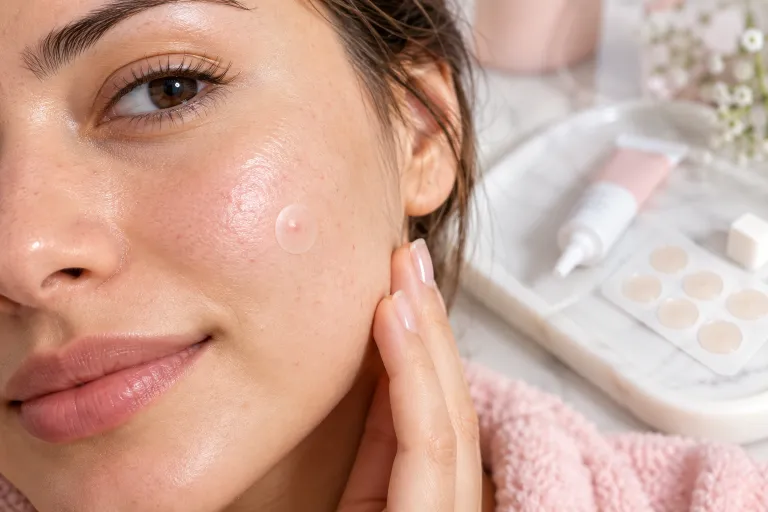
For a pimple that has come to a head, a hydrocolloid patch is a great option. It creates a small protective cover that absorbs fluid and keeps your fingers away, which is half the battle.
Mistake and fix: Popping a pimple with your nails can push bacteria deeper and leave a dark mark that lasts for months. Cover it with a patch and walk away from the mirror.
3. Hydrate With a Light Gel Moisturizer
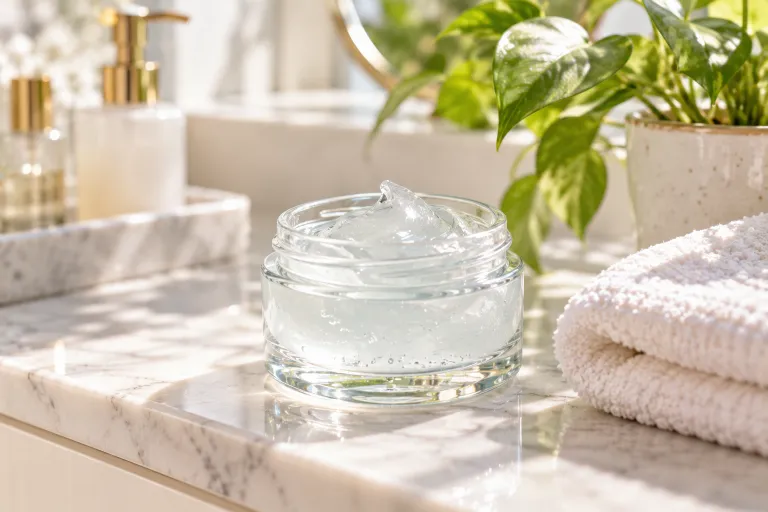
Oily and acne-prone skin still needs moisture, just a lighter kind.
This is the step people skip most often, and it is the one that makes skin look plump and fresh instead of flat and dry. A water-based gel or lotion labeled “non-comedogenic” (made to avoid clogging pores) gives your skin the hydration it needs without a heavy, greasy feel.
Apply it while your skin is still slightly damp from cleansing. That small trick helps lock in water, and your face will look softer within minutes.
If you are using spot treatments or stronger actives, moisturizer becomes even more important because it cushions your skin against dryness and peeling.
Want to come back to this later? Bookmark this tip for the days when your skin feels tight and cranky, because a simple moisturizer swap is often the fix.
4. Wear Sunscreen Daily So Marks Do Not Linger
Sunscreen is the quiet hero of every clear skin routine.
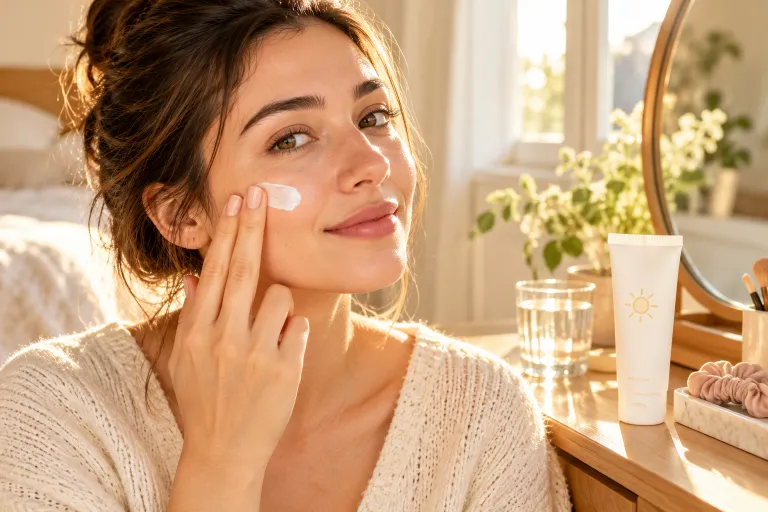
After a breakout heals, it often leaves a flat pink, red, or brown mark behind. Sun exposure can make those marks darker and slower to fade. A broad-spectrum SPF 30 or higher worn every morning helps protect healing skin.
Look for formulas described as lightweight, oil-free, or made for acne-prone skin. Many people find that fluid or gel sunscreens sit better under makeup than thick creams. Use roughly two finger-lengths for your face and neck, and reapply if you are outside for long stretches.
Use case: This matters most if you spend time near windows, commute daily, or have been treating acne with ingredients that can make skin more sun-sensitive.
5. Create a Natural Acne Skin Aesthetic With Light, Skin-Like Makeup
Think of makeup as a soft filter, not a mask.
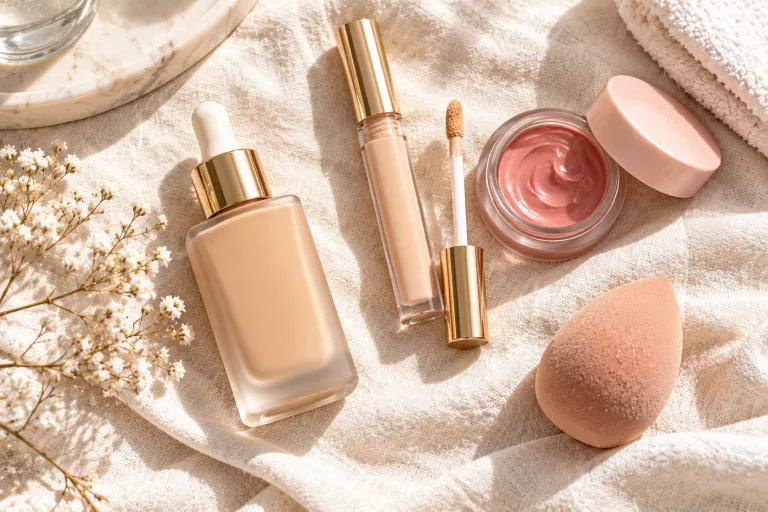
Heavy foundation tends to emphasize texture and can feel suffocating on breakout-prone skin. For a fresher look, try a sheer skin tint or a lightweight, non-comedogenic foundation applied only where you need evenness, like around the nose and chin.
Use a small brush or clean fingertip to tap concealer directly onto blemishes instead of dragging it across them. Then press a cream blush onto the apples of your cheeks. Cream formulas melt into the skin and give that lit-from-within look that powder rarely can.
The most important step comes at night. Remove all makeup with a gentle cleanser before bed so nothing sits in your pores.
A budget-friendly note: you do not need a full beauty drawer. A tint, a concealer, and a cream blush are enough to create a polished, natural face.
6. Keep Everything That Touches Your Face Clean
Tiny habits around your skin often matter as much as the products on it.
Pillowcases, phone screens, makeup brushes, and even your hands collect oil, product, and dust. Changing your pillowcase every few days and washing makeup brushes weekly takes just a few minutes. Wipe your phone with a clean cloth before long calls.
Also notice how often you rest your chin or cheek in your hand. It is a habit most of us do without thinking, yet it can transfer oil and irritation to the same spots again and again.
Mistake and fix: Washing your face carefully and then touching it all day cancels out your effort. Keep a small pack of clean tissues nearby so your hands have something else to do.

7. Try a Soothing Home Remedy for Calmer Skin
Gentle kitchen ingredients can calm redness, but only when you keep them simple.
A basic oatmeal mask is a good place to start. Mix two tablespoons of finely ground plain oats with enough water to make a soft paste, spread it on clean skin for about 10 minutes, then rinse with cool water. Oats are known for their soothing feel on irritated skin.
Cooled green tea is another easy option. Brew a bag, let it chill in the fridge, and press it onto your face with a cotton pad as a refreshing step before moisturizer.
Always patch test a new ingredient on your inner arm or jawline first and wait a day to see how your skin reacts.
Skip these: Lemon juice, baking soda, and toothpaste are popular online but can burn, dry out, and inflame the skin.

8. Eat and Drink in a Way That Supports Clearer-Looking Skin
Food is not a magic fix, but your plate can play a supporting role.
Research on diet and acne is still developing, and every person reacts differently. Some people notice that very sugary foods or large amounts of dairy seem to coincide with more breakouts, while others see no change at all.
Instead of cutting out entire food groups, try a gentle experiment. Add more colorful vegetables, fruit, nuts, and whole grains for two to three weeks, and note how your skin feels in a small journal. Drinking water through the day also keeps you feeling fresh, although it will not clear acne on its own.
If you want to remove a food for a test, change only one thing at a time so you can actually tell what is helping.

9. Be Patient With Dark Marks and Texture for a Natural Glow on Acne-Prone Skin
Fading marks takes weeks, not days, and that is completely normal.
Once breakouts calm down, the leftover spots are often what bother us most. Ingredients such as niacinamide and azelaic acid are commonly used to help even out tone gradually. Introduce only one new active at a time, start a few nights per week, and give it at least 8 to 12 weeks before judging results.
Pair any brightening step with daily sunscreen, or you may be working against yourself.
Here is what many people overlook: rushing between new products every week confuses your skin and makes it hard to know what works. Pick a small routine, keep it steady, and let time do the quiet work.
Pin this one for your future self, because it is the reminder you will want when you feel tempted to switch everything at once.
10. Protect Your Sleep, Manage Stress, and Know When to Get Help
Skin often reflects how well you are resting and coping.
Stress and poor sleep do not cause acne on their own, but many people find breakouts flare during hard weeks. Aim for a steady bedtime, a screen-free wind-down, and small stress breaks like a short walk or a few slow breaths.
Sometimes home care is simply not enough. If your acne is painful, deep, leaving scars, or affecting your confidence, a dermatologist can offer prescription options that over-the-counter products cannot match. Seeing a professional is a smart, caring step, not a failure.
Use case: Reach out sooner if you have tried a consistent routine for about 8 to 12 weeks without improvement.

Final Thoughts
Remember that mirror moment from the beginning? You can have mornings where you look at your skin with patience instead of panic. A fresh, natural acne skin aesthetic comes from small, steady habits, not from chasing perfection. Choose just one tip from this list and try it for the next seven days. Save this guide so it is waiting for you the next time your skin needs a gentle reset.
Image Alt Text Suggestions
- Woman with fresh dewy skin splashing lukewarm water at a bright bathroom sink beside a gel cleanser bottle
- Close-up of a hydrocolloid pimple patch on a cheek with a spot treatment tube nearby
- Clear jar of lightweight gel moisturizer beside a folded white towel and a small plant
- Woman applying sunscreen to her cheek in soft morning window light
- Flat lay of skin tint, concealer, cream blush, and makeup sponge on cream linen
- Neatly made bed with fresh white pillowcases and a spare folded pillowcase
- Wooden bowl of oatmeal face mask with green tea and a washcloth on a kitchen counter
- Breakfast table with berries, oats, cucumber water, and a skin journal
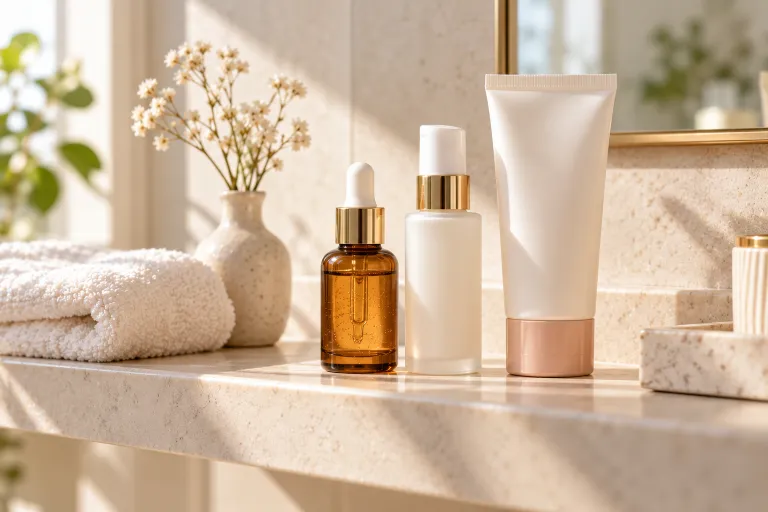
- Bathroom shelf with niacinamide serum, dropper bottle, and sunscreen in soft tones
- Cozy bedroom at dusk with a lamp, knit blanket, and a woman reading in bed
FAQ
1. What is an acne skin aesthetic?
It is a soft, natural look that celebrates healthy, calm skin even when breakouts are present. It focuses on gentle care, light makeup, and a healthy-looking glow instead of hiding or perfecting every flaw.
2. How can I get a natural glow with acne-prone skin?
Keep your routine simple with a gentle cleanser, a light moisturizer, and daily sunscreen. Hydrated, calm skin reflects light better, which is what creates that fresh glow.
3. Can I wear makeup if I have acne?
Yes. Choose lightweight, non-comedogenic products, apply them sparingly, and always remove them before bed. Sheer skin tints and cream blush usually look more natural than heavy full-coverage foundation.
4. How long does it take for acne to clear up?
Most routines need about 8 to 12 weeks before you can judge results, since skin renews itself gradually. If you see no improvement or your acne is painful or scarring, check in with a dermatologist.
5. Are home remedies safe for acne?
Gentle options like a plain oatmeal mask or cooled green tea are generally mild, but you should patch test first. Avoid harsh DIY ingredients like lemon juice, baking soda, and toothpaste, which can irritate your skin.


