

10 Azelaic Acid Benefits for Clearer, Brighter Skin
You look in the mirror and see it all at once: red bumps that will not settle, dark marks from old breakouts, and a tone that looks tired no matter how much water you drink. It is frustrating when every product seems to fix one problem and start another. Azelaic acid is one of those rare ingredients that speaks to several of these worries together, and it does it gently. This guide covers 10 azelaic acid benefits and shows you how to use it without upsetting your skin.
1. Azelaic Acid Calms Breakouts Without Harsh Drying
Picture a pimple that looks angry on Monday and quietly flattens by the weekend. Azelaic acid helps by reducing the bacteria linked to acne and easing the inflammation around clogged pores.
It works well for combination skin with occasional breakouts on the chin and cheeks. Smooth a pea-sized amount over the whole area, not just the spot, so new pimples have less room to form.
Common mistake: Layering it with benzoyl peroxide, a scrub, and a strong toner on the same night. The fix: Start with azelaic acid alone in your evening routine for two weeks, then add extras one at a time.
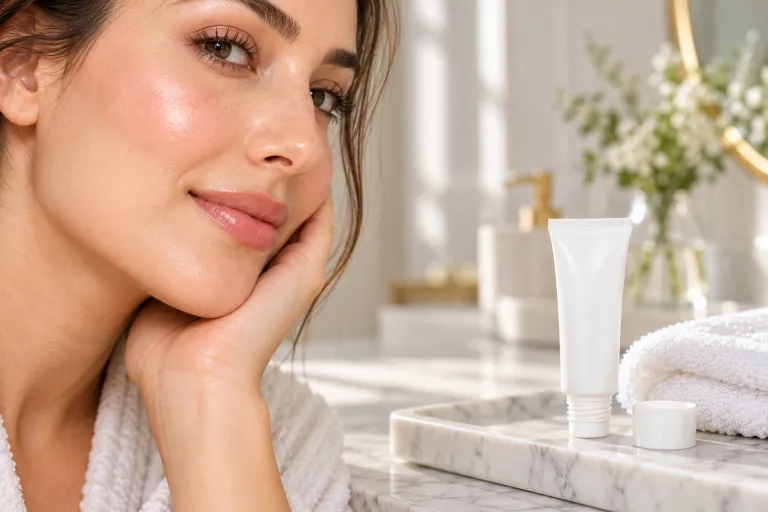
2. It Helps Fade Dark Spots Left by Old Pimples
Those brownish or pink marks that linger long after a pimple heals are called post-inflammatory hyperpigmentation. Azelaic acid is known to target overactive pigment-making cells rather than lightening your skin overall, which is why it is often a favorite for deeper skin tones.
Think of a spot on your jawline that has hung around for months. Consistent nightly use, paired with daily sunscreen, gives those marks the best chance to soften into your natural tone. Skip the sunscreen and the spots can darken again.
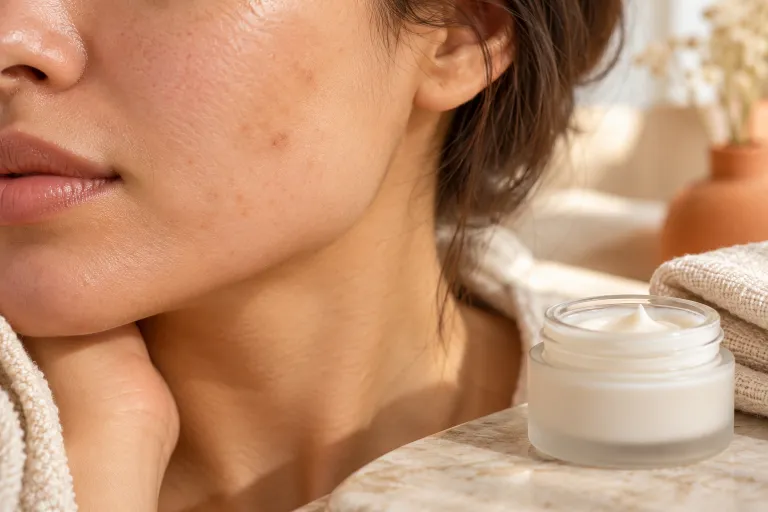
3. Azelaic Acid Benefits Include Softening Stubborn Redness
Some redness looks like a constant blush that never fades, especially around the nose and cheeks. Azelaic acid is widely used for the bumps and flushing of rosacea, and prescription strengths are commonly used for it.
Over-the-counter options are usually gentler, so they suit everyday redness better than a diagnosed condition. If you suspect rosacea, a dermatologist can tell you which strength fits. Keep a note of what triggers your flare-ups, such as hot showers or spicy meals, since skincare works best alongside those habits.

4. It Unclogs Pores and Smooths Rough Texture
Run your fingers over your forehead. Those tiny bumps that feel like sandpaper are often clogged pores. Azelaic acid gently encourages skin cells to shed evenly, so pores stay clearer and the surface feels smoother.
It is a good fit if you find glycolic or salicylic acid too stinging. Apply a thin layer after cleansing and give it a minute to settle before moisturizer. Most people notice the surface feeling silkier before they see any change in color, so texture is the first clue it is working.
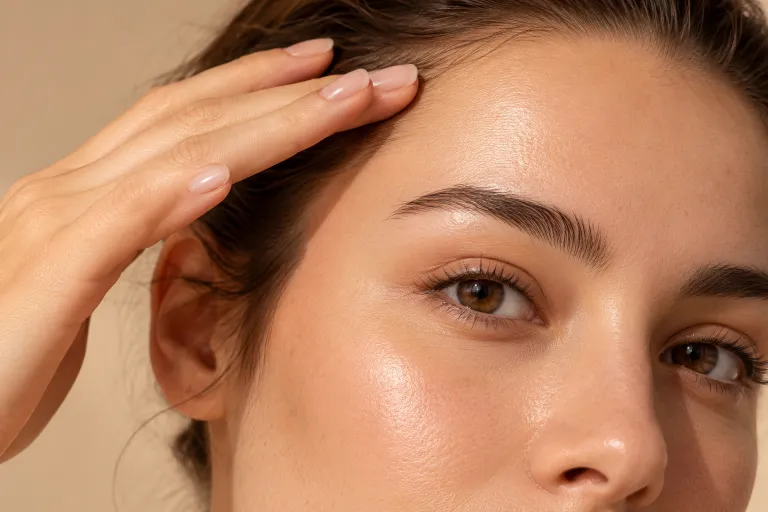
5. Azelaic Acid Brightens Dull, Uneven Skin
Dull skin often looks flat, like a lamp with a dusty shade. By easing dark marks and helping dead cells slip away, azelaic acid lets more light bounce off your face.
Here is what many people overlook: brightening rarely happens overnight. A month or two of steady use gives a more honest picture than a week does. It suits anyone whose tone looks patchy from sun, breakouts, or old irritation. Bookmark this section for the days you feel tempted to switch products too soon.

6. It Is Gentle Enough for Sensitive Skin
If retinol leaves your face flaky and acids make it sting, azelaic acid can feel like a relief. It tends to be milder, which is why it is often suggested to people who react easily.
Even gentle ingredients can bother you if you rush. Start three nights a week, then move to nightly once your skin feels comfortable. Mild tingling or itching in the first few days is common. If it burns or swells, stop and speak with a professional.
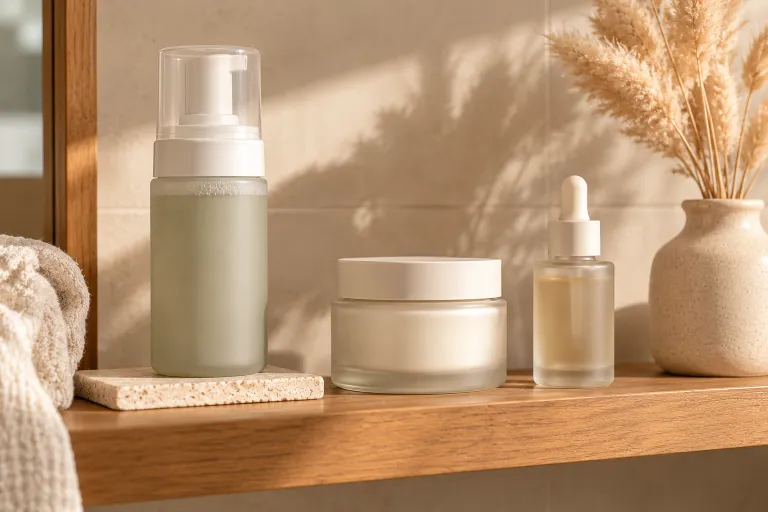
7. Azelaic Acid Plays Well With Other Actives
Skincare routines get crowded fast, and not every ingredient likes to share a shelf. Azelaic acid usually pairs well with niacinamide, hyaluronic acid, and ceramide moisturizers, which soften its edges and keep skin comfortable.
A simple example: hyaluronic acid serum, then azelaic acid, then a barrier cream at night. If you already use retinol, alternate nights instead of layering both, especially at the start. Give your skin rest days, since less friction often means faster progress.
8. It Can Help Body Breakouts and Razor Bump Marks
Face is not the only place that gets bumpy. Chest, shoulders, and back can break out too, and razor marks along the bikini line or underarms can leave dark patches.
Azelaic acid creams and gels can be used on those areas, applied to clean, dry skin after a shower. Wear breathable fabrics afterward, since tight clothing rubs and can trap sweat. For stubborn body breakouts, a dermatologist can suggest stronger options.

9. Azelaic Acid Is Affordable and Easy to Find
Not every effective ingredient needs a luxury price tag. Over-the-counter 10 percent formulas are often available at drugstore prices, commonly somewhere between $10 and $30 depending on brand and size.
A little goes a long way, so one tube often lasts for months. Look for a formula that is fragrance-free if your skin is reactive. Compare the percentage on the label, since some products contain only a trace amount and do very little.
10. It Is Often Considered a Pregnancy-Friendly Option
Many people give up acne treatments during pregnancy because so many are off the table. Azelaic acid is often considered one of the more comfortable options, and doctors sometimes recommend it for breakouts and dark patches during that time.
Still, every pregnancy is different, so check with your doctor before adding anything new. It is a good question to write down and bring along to your next appointment.

How to Use Azelaic Acid Step by Step
Start with a clean, dry face. Apply a thin layer, about a pea-sized amount for the whole face, then follow with moisturizer. Evenings are usually easiest, and sunscreen is a must the next morning.
Begin every other night for the first week, then increase as your skin allows. A quick patch test behind the ear helps you catch a reaction early. Skipping the patch test is one of the easiest mistakes to make, so keep this step in your notes.
[IMAGE SUGGESTION: A simple three-step visual of a cleanser, azelaic acid cream, and moisturizer arranged in order on a clean countertop]
[INTERNAL LINK OPPORTUNITY: simple nighttime skin care routine for beginners]
Who Should Be Careful With Azelaic Acid
Most people tolerate it well, but a few groups should be cautious. If you have very reactive skin, eczema flare-ups, or a known allergy to any ingredient in the formula, talk to a professional first. Stop using it if you get hives, swelling, or lasting burning.
Some people notice slight lightening in very sun-exposed skin, so daily sunscreen matters. When in doubt, a quick chat with a dermatologist saves time and money.
[IMAGE SUGGESTION: A woman gently holding a small product jar while reading the ingredient label in a bright, quiet bathroom]
Final Thoughts
Clearer, brighter skin does not have to mean a complicated routine or a painful one. Azelaic acid can quietly help with breakouts, marks, and uneven tone at the same time, and it does it without much drama. Pick one product, use it steadily, and give your skin a couple of months to show you what it can do. Save this guide for later, or try one small change tonight.
[IMAGE SUGGESTION: A woman with a fresh, glowing complexion smiling softly in a sunlit room]
Image Alt Text Suggestions
- Woman’s clean, dewy cheek with an azelaic acid cream tube on a white marble tray
- Jawline with faint fading marks beside a small jar of azelaic acid cream
- Woman with calm even skin holding a cool washcloth to her cheek
- Fingertips touching a smooth forehead with a soft glow
- Smiling woman with bright, even-toned skin in morning light
- Minimalist shelf with fragrance-free cleanser, cream, and azelaic acid serum
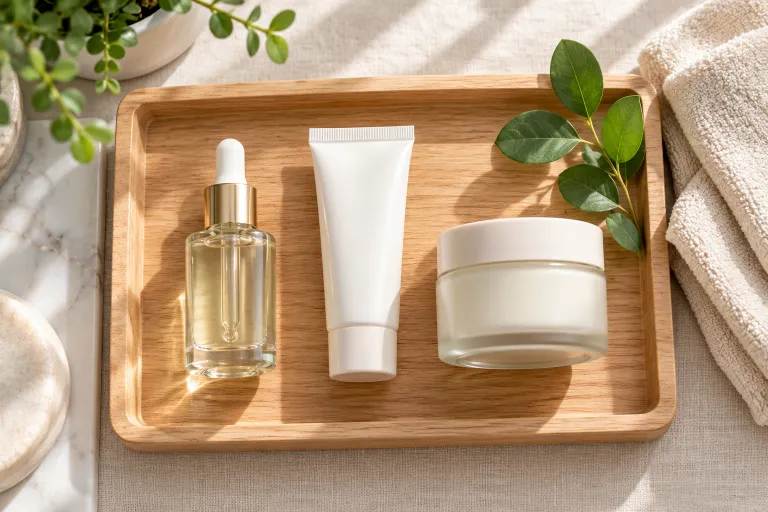
- Flat lay of three skin care bottles on a wooden tray with a small plant
- Woman in a cotton robe applying cream to her shoulder
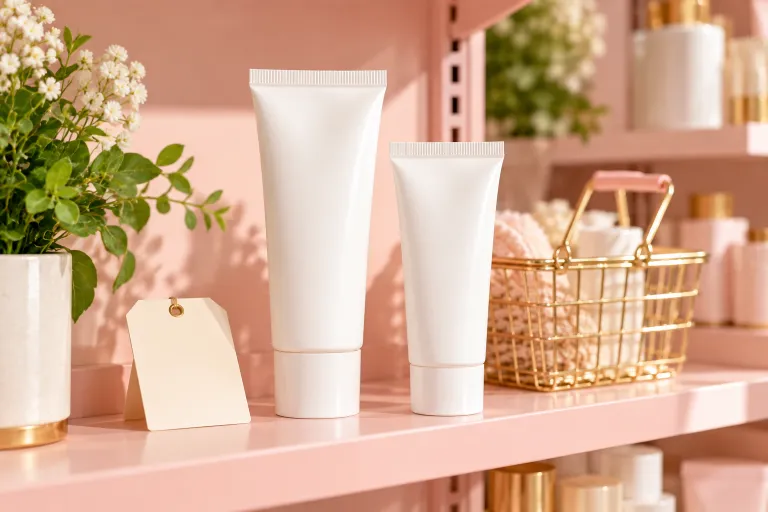
- Two affordable azelaic acid products on a pastel shelf
- Woman by a window with a notebook and a skin care jar
- Cleanser, azelaic acid cream, and moisturizer arranged in order on a countertop
- Woman reading the ingredient label on a skin care jar
- Woman with a fresh, glowing complexion smiling in a sunlit room
FAQ Section
1. What does azelaic acid do for your skin?
It helps calm breakouts, fade dark marks, ease redness, and smooth uneven texture. It is a gentle multitasker, which is why so many routines include it.
2. How long does azelaic acid take to work?
Some people see changes in texture within a few weeks. Dark spots and tone usually take one to three months of steady use, so patience matters.
3. Can I use azelaic acid every day?
Many people can once their skin adjusts. Start a few nights a week, then increase slowly if your skin feels comfortable.
4. Can I use azelaic acid with retinol or vitamin C?
Often yes, but start carefully. Alternate nights with retinol, and use vitamin C in the morning if your skin gets irritated when they share a routine.
5. Does azelaic acid make skin sensitive to the sun?
It is not known as a strong sun-sensitizer, but daily sunscreen is still important. Sun exposure can darken the very marks you are trying to fade.
6. Is azelaic acid good for dark skin tones?
It is often a favorite because it targets overactive pigment cells and tends to be gentle. Results still vary, so a patch test is a smart first step.


