

10 Best Lip Sunscreen Tips for Everyday Protection
Your face gets sunscreen every morning, but what about your lips? If you are like most women, you probably forget them completely, and then wonder why your lips feel dry, flaky, or oddly dark around the edges by summer. Lips have thinner skin than the rest of your face, which means they burn faster and heal slower. The good news is that protecting them does not require a complicated routine. This guide walks you through ten simple, practical ways to keep your lips shielded from the sun so they stay soft, smooth, and healthy all year.
1. Choose a Lip Balm With SPF 30 or Higher
Not every tinted lip balm on the shelf actually protects you. A lot of them list “SPF” in tiny print but only offer SPF 15, which is not enough for real daily protection. Look for a balm that clearly states SPF 30 or higher on the front label, not buried in the ingredients list. For everyday wear in a place like Phoenix or Miami, this single swap can prevent the kind of sun damage that shows up later as dark patches on the lip line.
The mistake most people make is grabbing whatever lip balm is closest to the checkout counter without flipping it over to check the SPF number at all.
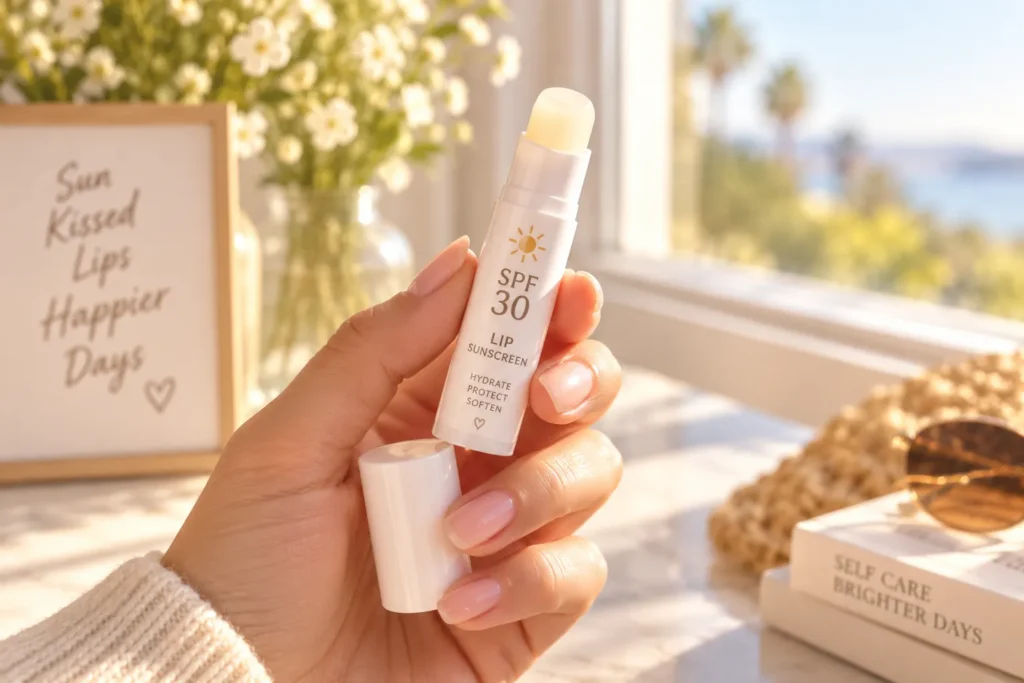
2. Reapply Every Two Hours, Not Just Once in the Morning
Sunscreen on your lips wears off faster than sunscreen on your skin because you eat, drink, and talk throughout the day. One swipe in the morning will not carry you through an afternoon walk or a lunch outside. Keep your lip SPF in your bag, your car, and your desk drawer so reapplying takes ten seconds instead of becoming a chore you skip.
This works especially well for anyone with a long commute or an outdoor job, where lips are exposed to sun for hours without a break.
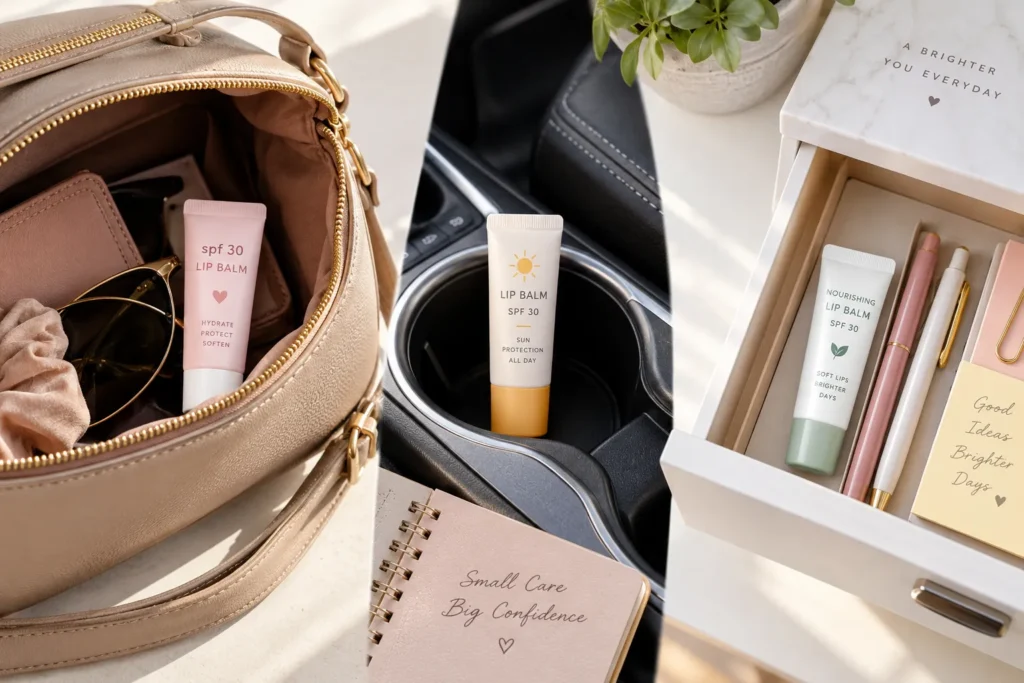
3. Use Mineral SPF for Sensitive or Chapped Lips
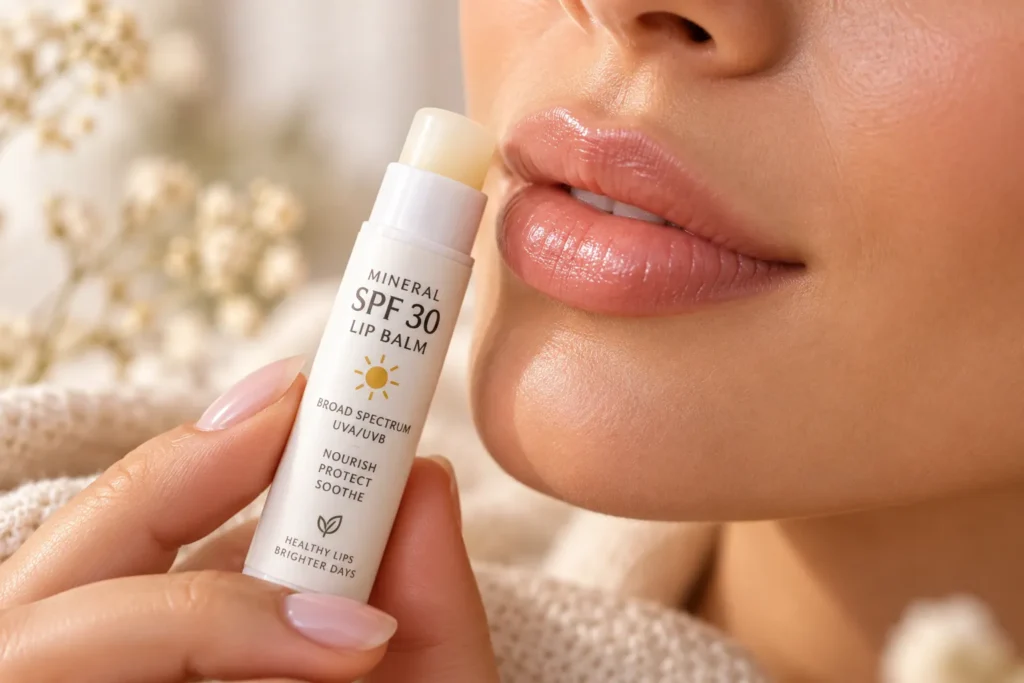
If your lips tend to sting or feel irritated after using a chemical sunscreen, the ingredient list is likely the problem. Mineral options with zinc oxide sit on top of the skin and reflect sunlight instead of absorbing into already cracked or chapped lips, which makes them gentler for daily use. This matters most in winter, when lips are already dry and more likely to react to harsh formulas.
Understanding the difference between mineral and chemical SPF helps you pick a product that calms your lips instead of adding to the irritation.
[INTERNAL LINK OPPORTUNITY: mineral sunscreen benefits for sensitive skin]
4. Layer Lip SPF Under Your Regular Lipstick or Gloss
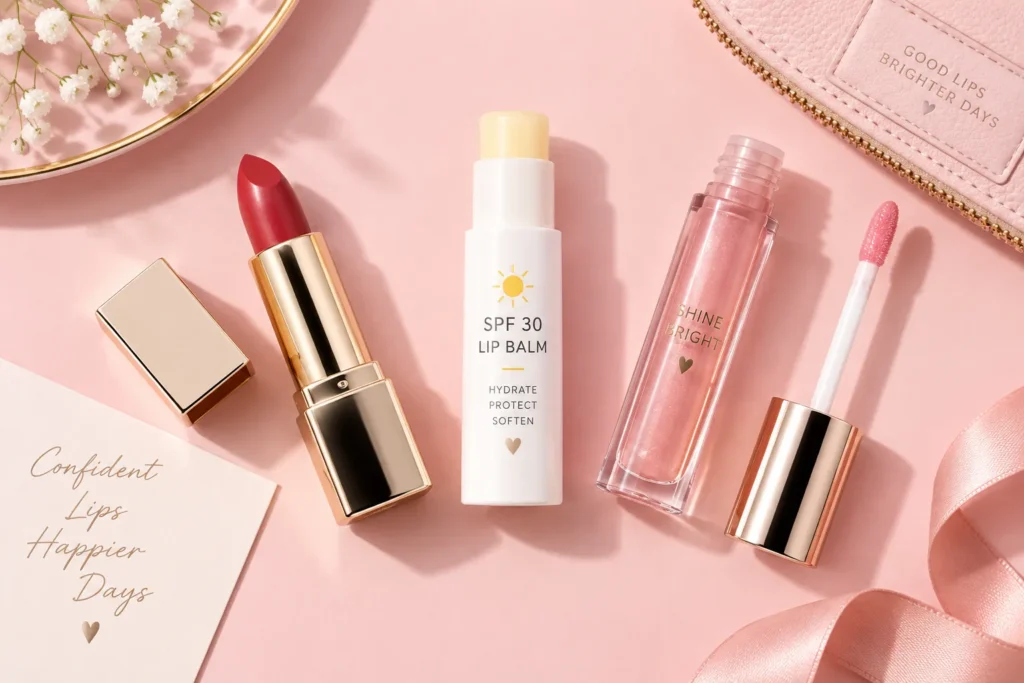
You do not have to choose between sun protection and your favorite lip color. Apply a thin layer of SPF lip balm first, let it sit for a minute, then put your lipstick or gloss on top as usual. This small step means your lips stay protected even on days you want a full glam look for a night out or a wedding.
A common mistake is applying lipstick first and adding balm on top, which just smears your color without actually protecting your lips underneath.
5. Do Not Skip SPF on Cloudy or Cold Days
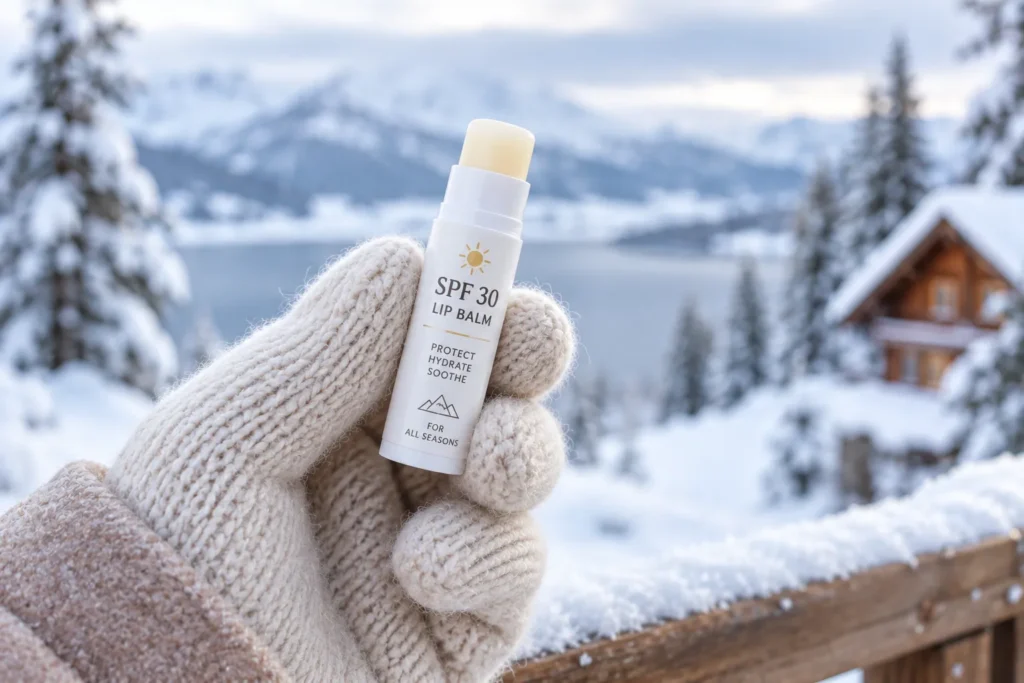
UV rays pass through clouds and reflect off snow, which means your lips can burn just as easily in January as they can in July. Someone who skis or hikes in winter is often more exposed to UV damage than someone lounging on a summer beach, simply because they assume the cold weather means no risk. Keep a stick of SPF lip balm in your coat pocket during colder months, not just your summer bag.
This one habit alone can prevent the painful, cracked lips that so many people blame on “just the cold weather.”
6. Pick a Formula With Added Moisture, Not Just SPF
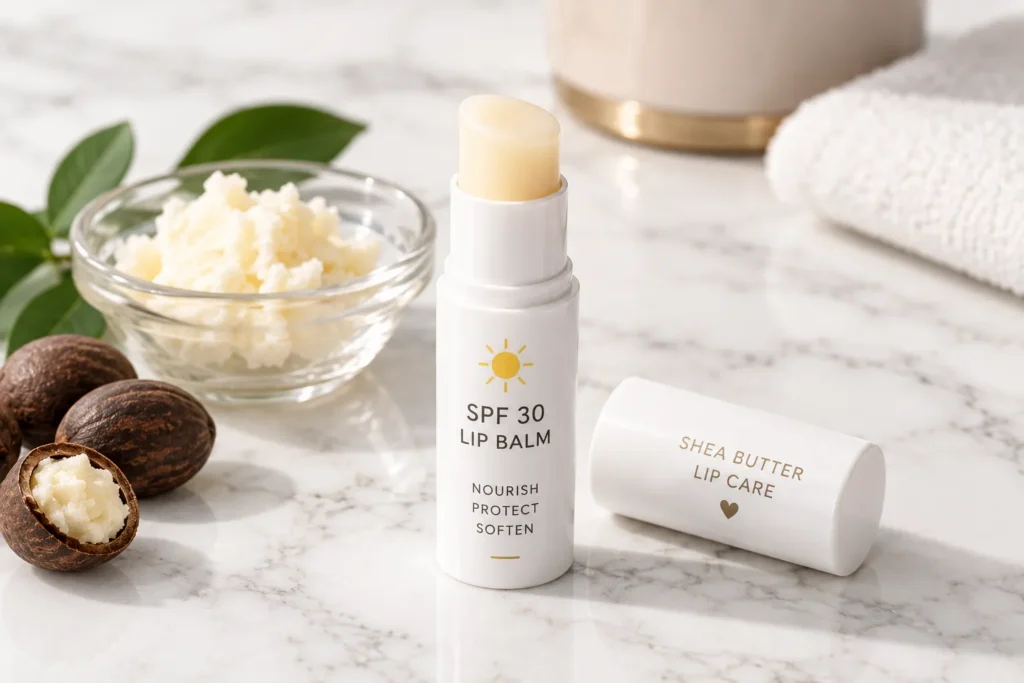
Sun protection and hydration are not the same thing, and a balm that only blocks UV rays without moisturizing ingredients can leave your lips feeling tight and dry. Look for a formula that combines SPF with shea butter, beeswax, or vitamin E so your lips get both protection and softness in one step. This is especially helpful for anyone who already deals with naturally dry lips, since one product does double duty.
7. Protect Your Lips Before and After Sun Exposure, Not Just During
Most people only think about lip SPF while they are actually outside, but prevention starts before you leave the house and continues after you come back in. Apply a layer thirty minutes before heading out so it has time to settle, and follow up with a hydrating balm in the evening to repair anything the sun pulled moisture from during the day. This before and after habit works well for beach vacations, where lips take a beating from sun, salt water, and wind all at once.
8. Watch for Dark Spots Forming on the Lip Line
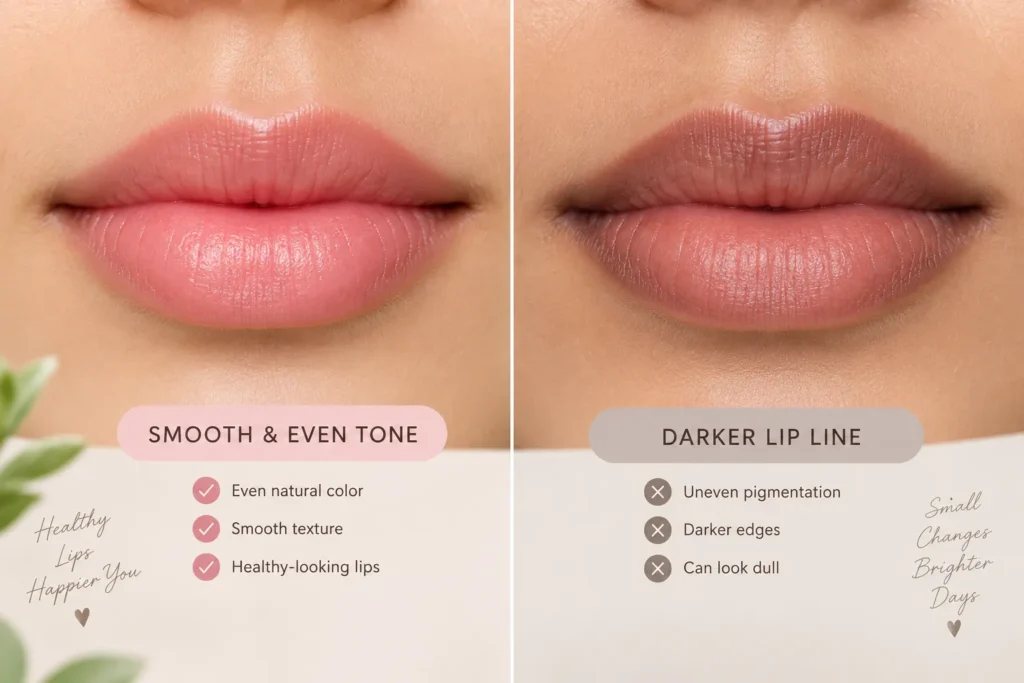
One overlooked sign of sun damage is a slightly darker line forming right along the edge of your lips, especially the lower lip. Most people assume this is just pigmentation from age, but consistent sun exposure without SPF is often the real cause. If you notice this happening, it is worth adding a dedicated lip SPF to your routine immediately rather than waiting until the discoloration becomes more noticeable.
Catching this early, rather than covering it with makeup, is the difference between reversing early damage and letting it set in permanently.
9. Choose Travel Friendly SPF Sticks for On the Go Protection
A small stick or tube that fits in a jacket pocket or car console makes reapplication realistic instead of something you always mean to do but forget. This matters most for road trips, festival days, or any long stretch of time away from your bathroom counter where a jar formula would be inconvenient. Stock two or three of these travel sizes so you are never caught without one when plans change last minute.
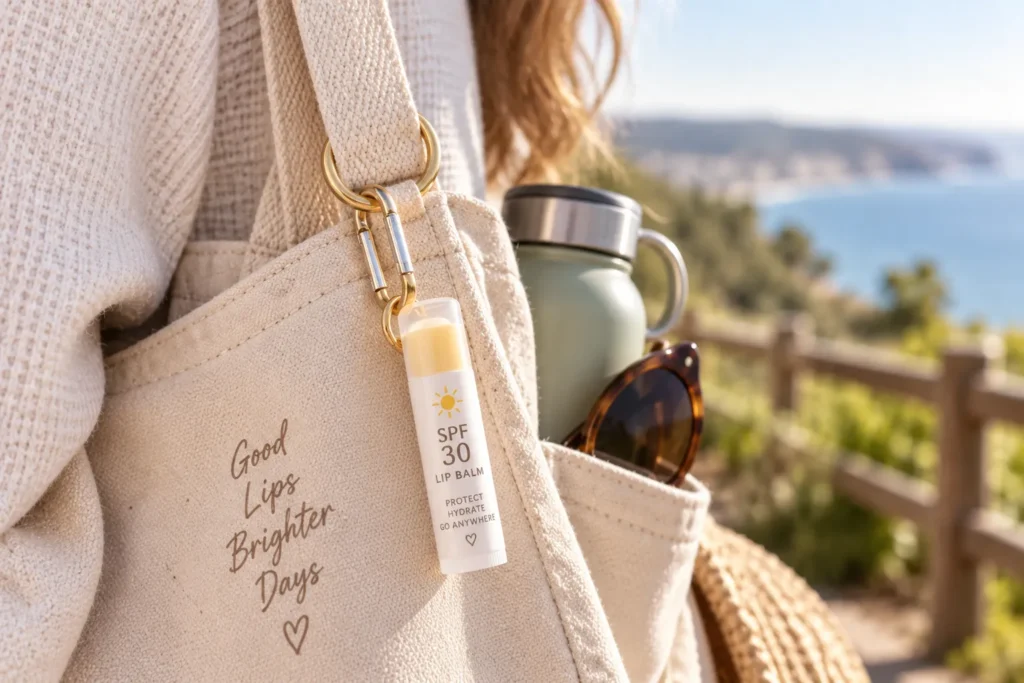
10. Treat Lip SPF as a Year Round Habit, Not a Summer Only Step
The biggest shift that actually protects your lips long term is treating SPF lip balm the same way you treat a toothbrush, something you reach for automatically every single day regardless of season or weather forecast. Lips age and show sun damage just like the rest of your face does, sometimes faster because the skin is thinner and often ignored. Building this into your morning routine now, even on a random Tuesday in November, is what prevents the regret of premature lines and dark spots five or ten years from now.
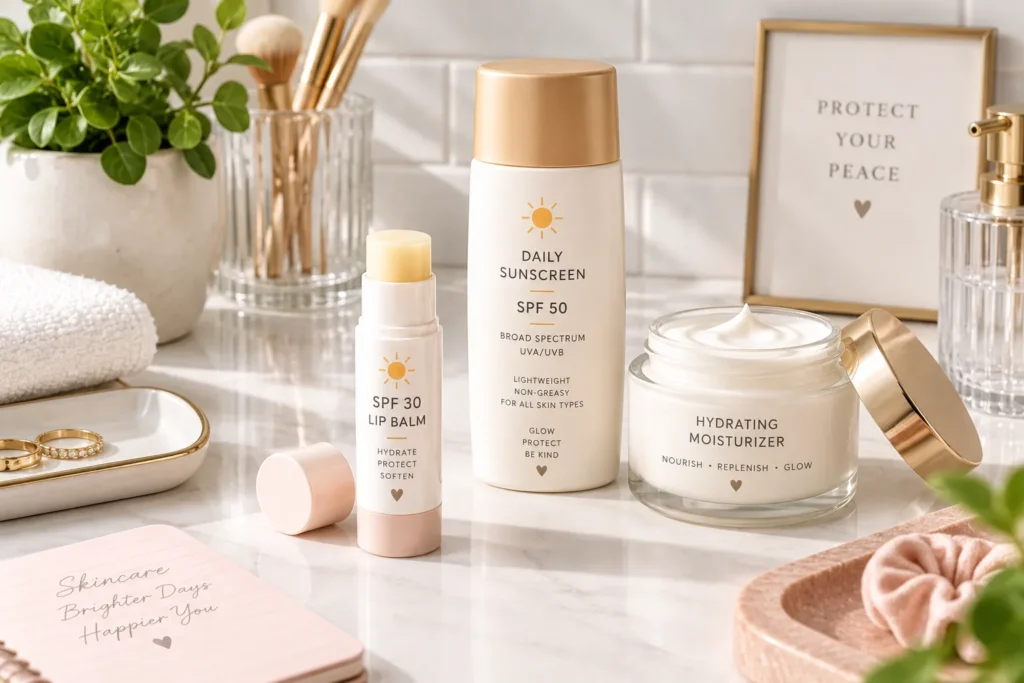
[INTERNAL LINK OPPORTUNITY: daily skin care habits for beautiful skin every day]
Final Thoughts
Your lips do a lot of work every day, and they deserve the same care you give the rest of your face. A few seconds of applying SPF lip balm in the morning, and reapplying when you remember throughout the day, can save you from years of dryness, dark spots, and premature aging. Start small. Pick just one of these tips and try it this week, then build from there. Save this article so you have it handy the next time you are restocking your beauty bag.
Image Alt Text Suggestions
- SPF lip balm tube held near a sunny window for daily lip protection
- Lip balm tubes stored in purse car and desk for easy reapplication
- Mineral SPF lip balm for sensitive and chapped lips
- SPF lip balm layered under lipstick and gloss for sun protection
- SPF lip balm stick used during cold winter weather
- Moisturizing SPF lip balm with shea butter texture
- Hydrating lip balm as part of an evening skin care routine
- Comparison of even lip tone versus sun damaged dark lip line
- Travel size SPF lip stick attached to a bag for on the go use
- Morning skin care routine flat lay including SPF lip balm
FAQ Section
Do I really need sunscreen on my lips?
Yes, the skin on your lips is thinner than the rest of your face, which makes it more prone to burning and long term sun damage. Regular SPF lip balm helps prevent dryness, dark spots, and premature aging.
What SPF level is best for lips?
Look for a lip balm with at least SPF 30, since anything lower does not provide strong enough daily protection. Reapplying every two hours matters just as much as the SPF number itself.
Can I wear lip SPF under lipstick?
Yes, apply a thin layer of SPF balm first and let it sit for a minute before adding lipstick or gloss on top. This protects your lips without changing how your color looks.
Why do my lips get darker on the edges?
A darkening lip line is often a sign of sun damage building up over time from unprotected exposure. Adding a daily SPF lip balm can help prevent this from getting worse.
Do I need lip SPF in the winter?
Yes, UV rays are present year round and can reflect off snow, making winter sun exposure just as risky as summer. Keeping a lip balm with SPF in your coat pocket helps prevent both sunburn and windburn.
What ingredients should I look for in a lip SPF product?
Look for a combination of SPF protection and moisturizing ingredients like shea butter, beeswax, or vitamin E. This gives you sun protection and hydration in a single product instead of needing two separate steps.


