

10 Sea Buckthorn Oil Uses for Naturally Glowing Skin
If your skin feels dull, dry, or just tired no matter how many products you try, you are not alone. So many of us stack our shelves with serums and creams hoping something finally works, only to feel like we are back where we started. That is where sea buckthorn oil comes in. This bright orange oil has been used for centuries, and once you see what it can actually do for your skin, you will understand why so many people are switching to it. Here are 10 simple ways to use sea buckthorn oil for a healthier, more radiant complexion.
1. Use It as a Daily Facial Oil
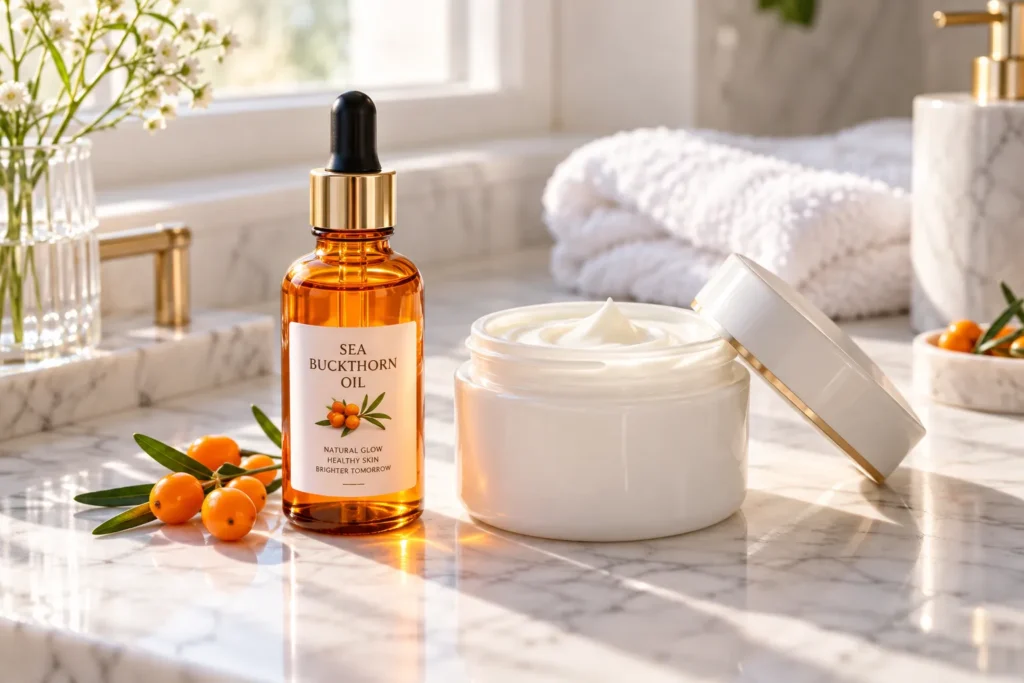
Sea buckthorn oil is rich in omega 7, a fatty acid that most other oils simply do not have. That makes it especially good at supporting your skin barrier, the outer layer that keeps moisture in and irritants out. For daily use, mix two to three drops into your regular moisturizer instead of applying it alone, since the oil is strong and a little goes a long way. This works well for anyone with dry or dehydrated skin, especially in colder months when skin tends to feel tight and flaky.
2. Add a Drop to Your Night Serum
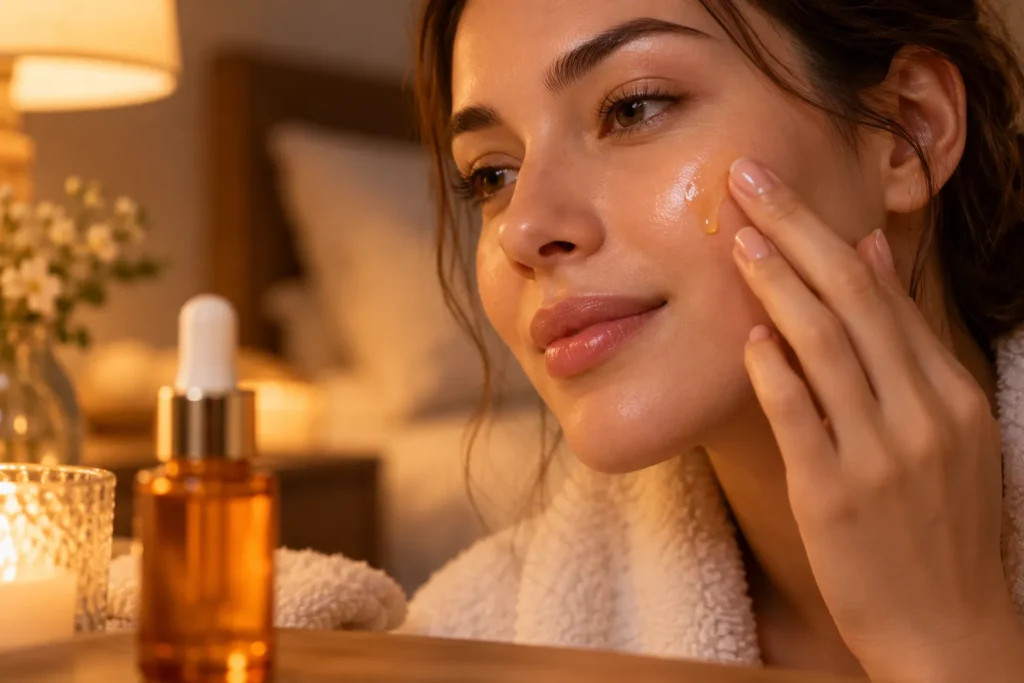
One mistake people make is applying sea buckthorn oil straight onto bare skin at night without anything underneath it. The oil absorbs better and works more evenly when it is layered over a hydrating serum first. Apply your usual serum, wait a minute for it to sink in, then press one drop of sea buckthorn oil over your cheeks and forehead. This combination helps skin look calmer and more even toned by morning, which is especially helpful if you deal with occasional redness or blotchy patches.
3. Use It to Calm Irritated or Reactive Skin
Sea buckthorn oil contains carotenoids and vitamin E, which are known for supporting skin that feels sensitive or easily irritated. If your skin reacts to weather changes, new products, or stress, a thin layer of this oil on clean skin can help it feel more settled. This is a good option for anyone with reactive skin who wants something gentle rather than a long list of active ingredients. Keep the layer thin since sea buckthorn oil has a naturally strong, earthy scent that can feel heavy if overused.
[INTERNAL LINK OPPORTUNITY: sensitive skin care routine tips]
4. Target Dark Spots and Uneven Tone
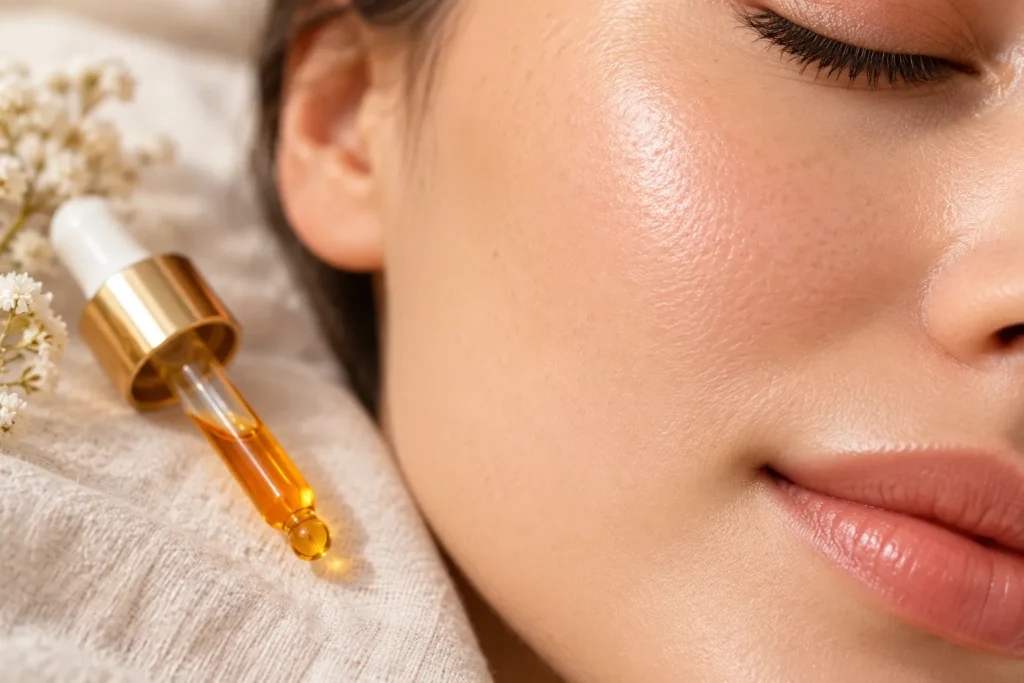
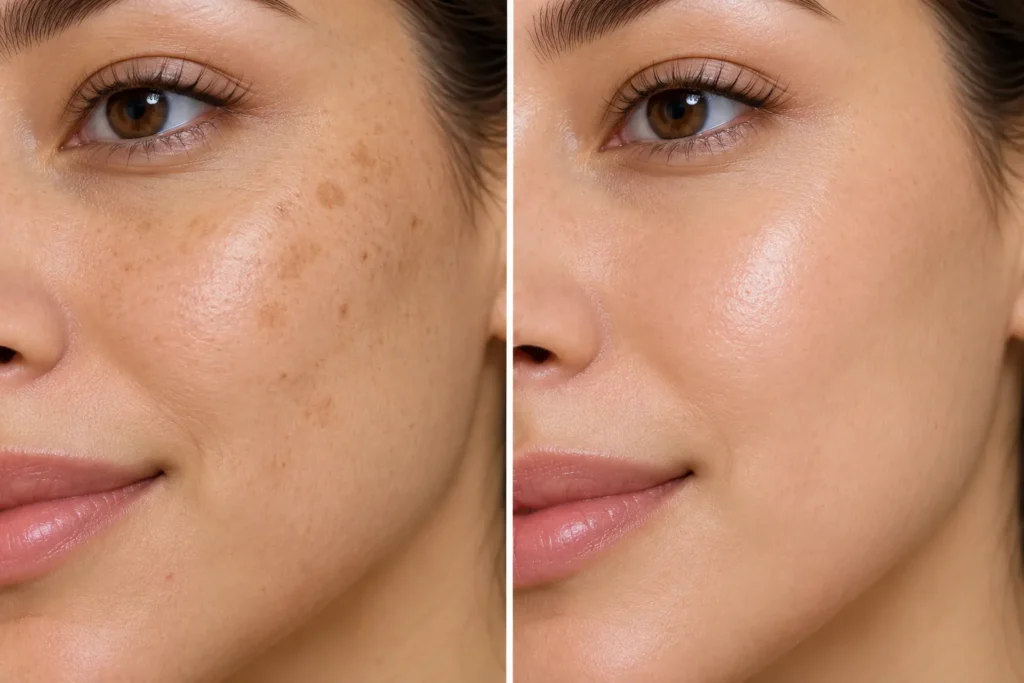
The natural pigment in sea buckthorn oil comes from carotenoids, the same compounds that give carrots their color, and these are linked to supporting a more even skin tone over time. For dark spots from old breakouts or sun exposure, apply a small dot directly onto the area after cleansing, then follow with moisturizer. Results take patience, usually several weeks of consistent use, so this works best as part of a long term routine rather than a quick fix.
5. Mix Into a Weekly Hydrating Mask
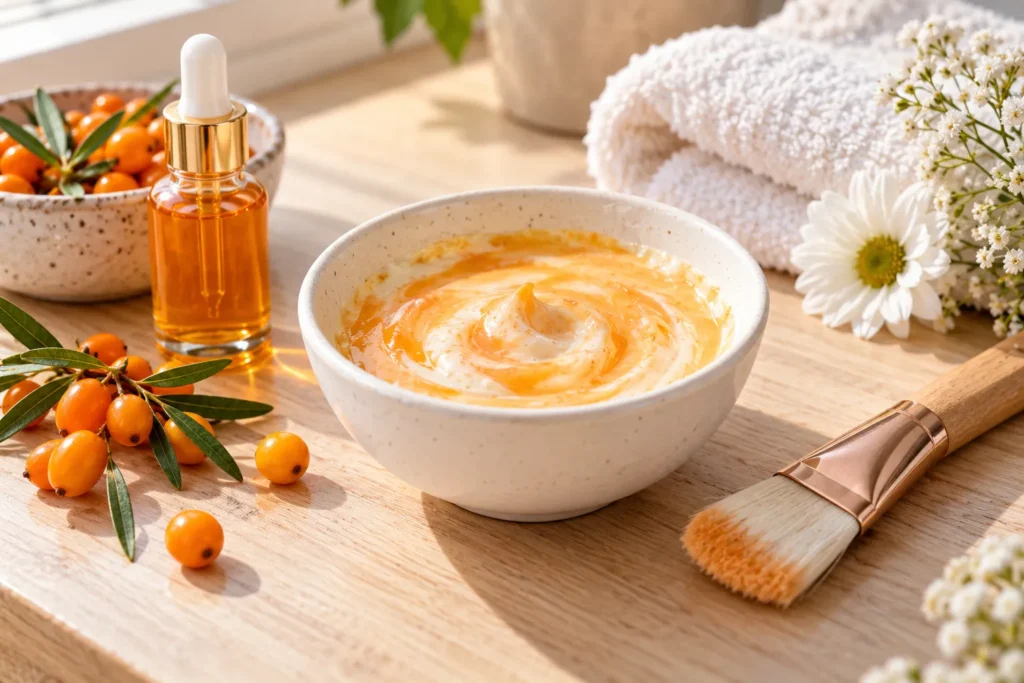
If your skin feels rough or tight by the end of the week, sea buckthorn oil can boost a simple hydrating mask. Mix two drops into plain yogurt or a fragrance free clay mask, then leave it on for ten minutes before rinsing. The fatty acids in the oil help soften rough texture, which makes this a nice weekend reset for anyone whose skin gets worn down from makeup, weather, or a busy week. This works especially well for budget conscious routines since you likely already have yogurt at home.
6. Apply to Cracked Lips and Cuticles
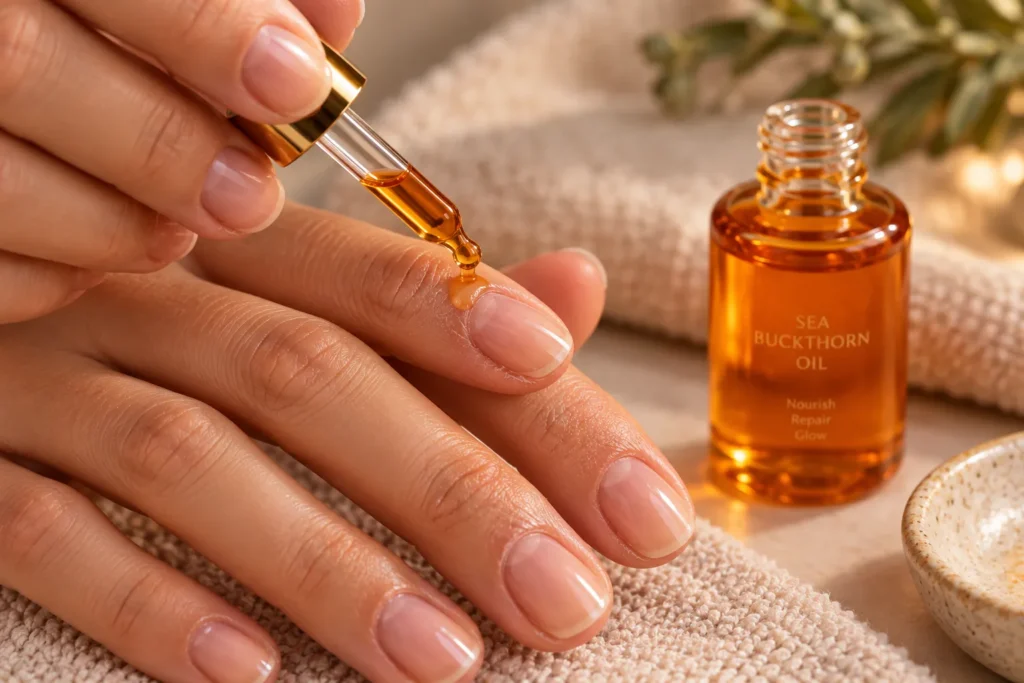
Sea buckthorn oil is not just for your face. Its healing compounds make it useful for small areas of dry or cracked skin, like winter lips or rough cuticles. Dab a tiny amount on chapped lips before bed, or massage a drop into your cuticles after washing dishes or being in cold weather. This is a simple multi use trick that stretches one bottle of oil much further than using it on your face alone.
7. Use It to Support Skin After Sun Exposure
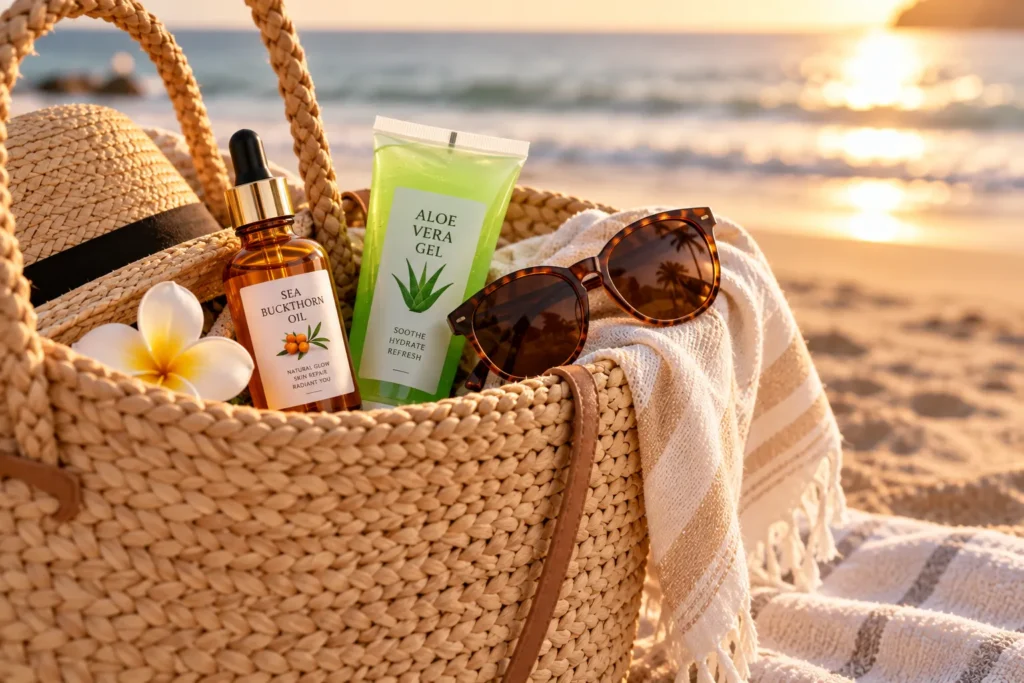
After a day outside, skin can feel tight, warm, or slightly irritated even without a full sunburn. A thin layer of sea buckthorn oil applied to cooled skin can help it feel more comfortable, thanks to its calming plant compounds. Apply it after your regular after sun routine, not as a replacement for aloe vera or a cooling gel, since sea buckthorn oil is an oil and works best as a final sealing step rather than the first layer.
[INTERNAL LINK OPPORTUNITY: after sun skin care mistakes to avoid]
8. Add It to Your Body Oil Routine
Most people only think of sea buckthorn oil for the face, but it works just as well on rough patches on elbows, knees, and shins. Mix a few drops into an unscented body lotion or carrier oil like jojoba, then apply after a shower while skin is still slightly damp. This locks in moisture more effectively and helps rough, dry patches feel smoother within a week or two of regular use.

9. Use It as a Spot Treatment for Blemishes
A common mistake is assuming all facial oils will clog pores, which stops people from trying sea buckthorn oil even though it is actually non comedogenic for most skin types. For an occasional blemish, apply one small drop directly on the spot after cleansing. The oil’s calming compounds can help the area look less inflamed by the next day. This works best as a spot treatment rather than an all over layer if you have oily or acne prone skin.
10. Combine It With Facial Massage for a Natural Glow
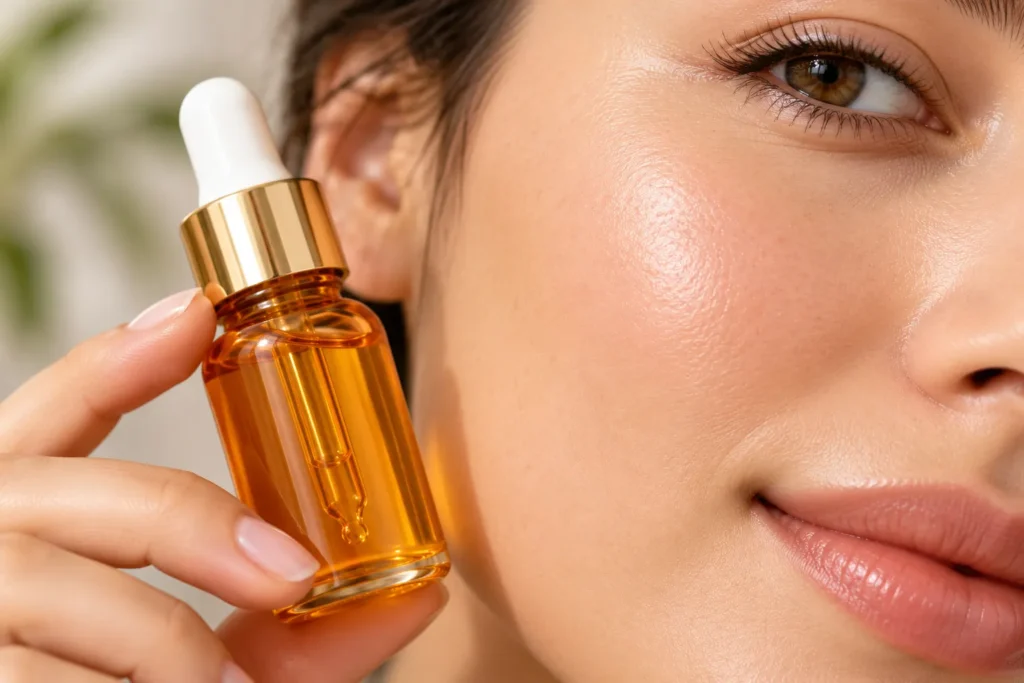
For an instant glow before an event or just to unwind after a long day, warm two drops of sea buckthorn oil between your palms and gently massage it into your face using upward strokes. This simple ritual takes less than five minutes but leaves skin looking dewy and refreshed, since massage helps boost circulation while the oil adds a healthy sheen. This is a nice idea to save for a slow Sunday evening or before a big day when you want your skin to look its best without heavy makeup.

Final Thoughts
Dull, tired skin does not need a ten step routine to fix. Sometimes it just needs one good ingredient used the right way. Sea buckthorn oil is packed with fatty acids and antioxidants that support your skin barrier, calm irritation, and bring back a natural glow without a complicated process. Start with just one of these ten ideas this week, whether that is a nightly drop in your serum or a simple lip treatment, and give your skin time to respond. Save this article so you always have it on hand as you build your routine.
Image Alt Text Suggestions
- Amber glass dropper bottle of sea buckthorn oil next to a moisturizer jar on bathroom counter
- Woman applying sea buckthorn facial oil to cheek in evening light
- Close up of calm healthy skin with sea buckthorn oil dropper nearby
- Before and after skin tone comparison showing faded dark spots
- Bowl of yogurt and sea buckthorn oil face mask mixture with brush
- Hand applying sea buckthorn oil to dry cracked cuticles
- Beach bag with sea buckthorn oil bottle and aloe vera gel
- Person massaging sea buckthorn body oil into elbow after shower
- Sea buckthorn oil dropper bottle near clear healthy cheek
- Woman massaging sea buckthorn facial oil into skin with eyes closed
FAQ Section
Is sea buckthorn oil good for all skin types?
Sea buckthorn oil works well for most skin types, including dry, sensitive, and combination skin. Oily or acne prone skin should use it sparingly as a spot treatment rather than an all over layer.
Can sea buckthorn oil stain my skin orange?
In very large amounts it can leave a slight orange tint temporarily, but using just one or two drops mixed into a moisturizer or serum avoids this completely.
How long does it take to see results from sea buckthorn oil?
Most people notice softer, calmer skin within one to two weeks, while deeper concerns like dark spots or uneven tone usually take four to six weeks of consistent use.
Can I use sea buckthorn oil every day?
Yes, sea buckthorn oil is generally safe for daily use when applied in small amounts, either alone at night or mixed into your existing moisturizer or serum.
Does sea buckthorn oil clog pores?
Sea buckthorn oil is considered non comedogenic for most people, meaning it does not typically clog pores when used in moderate amounts as part of a normal routine.
Where does sea buckthorn oil come from?
It comes from the berries and seeds of the sea buckthorn plant, a hardy shrub that has been used in traditional skin care for centuries because of its rich fatty acid and antioxidant content.


