

10 Summer Sunscreen Rules for Better UV Protection
You put sunscreen on every morning and still come home with pink shoulders or a slightly darker face by evening. It is frustrating when you are doing the “right” thing and your skin still pays for it. The truth is most sunscreen mistakes have nothing to do with the product itself and everything to do with how it is used. Here are 10 summer sunscreen rules that actually change the way your skin holds up in the sun.
1. Use Enough Sunscreen, Not Just Any Amount
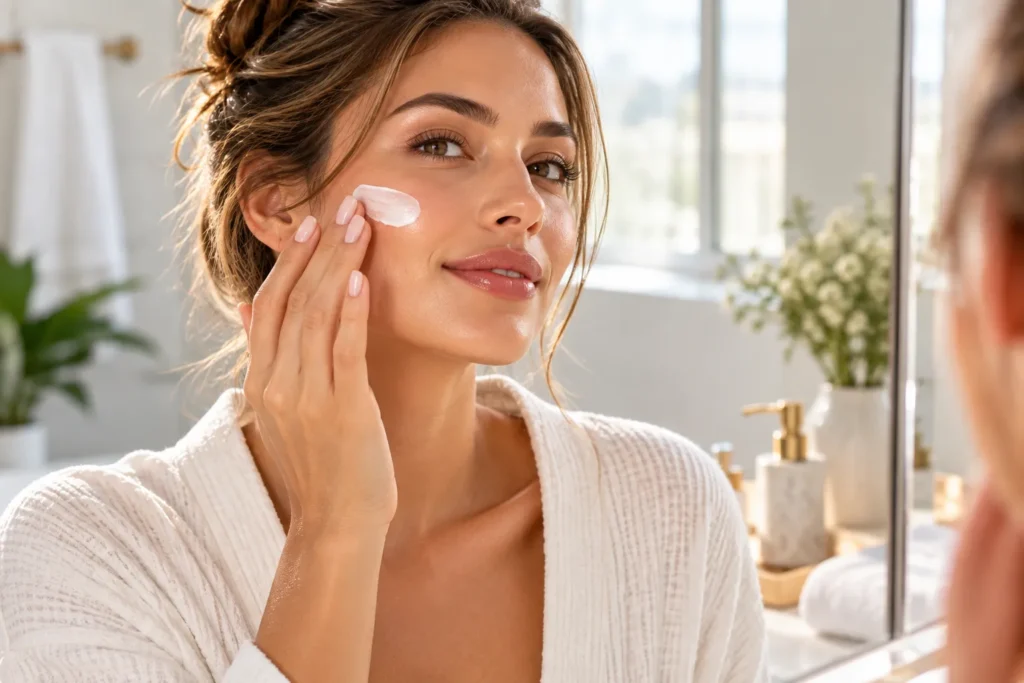
Most people apply about half of what they actually need. For your face and neck, that means a full nickel sized amount, not a small dab you rub in fast. For your whole body, plan on about one shot glass worth of sunscreen per application.
A common mistake is treating sunscreen like lotion and stretching a tiny amount across your whole face to save product. This cuts your actual SPF protection almost in half, even if the bottle says SPF 50. The fix is simple. Apply a generous, visible layer and let it sit for a minute before rubbing it in fully.
This rule matters most on days at the beach or pool where your skin has no fabric barrier at all.
2. Apply Summer Sunscreen 15 Minutes Before Sun Exposure
Chemical sunscreens need time to bind with your skin before they start working. If you put it on right as you walk out the door, you are stepping into full UV exposure with a product that has not activated yet.
Set a habit of applying sunscreen while you are still getting dressed or packing your bag, not as the last step before you leave. This small timing shift gives the formula a real head start.
For mineral sunscreens with zinc oxide, this window matters less since they sit on top of the skin and reflect UV rays right away, but it is still a good habit either way.
3. Reapply Every Two Hours, Even If You Are Indoors Near Windows
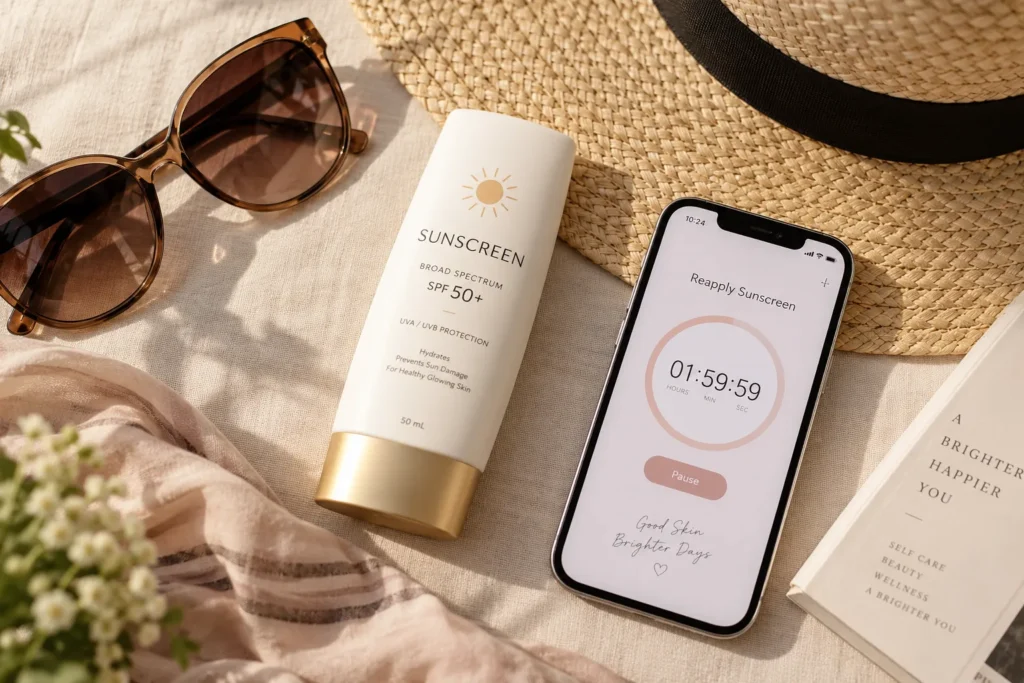
This is the rule most people skip completely. Sunscreen breaks down from sun exposure, sweat, and time, regardless of how strong the SPF number looks on the bottle. Two hours is the general limit before protection starts to drop off.
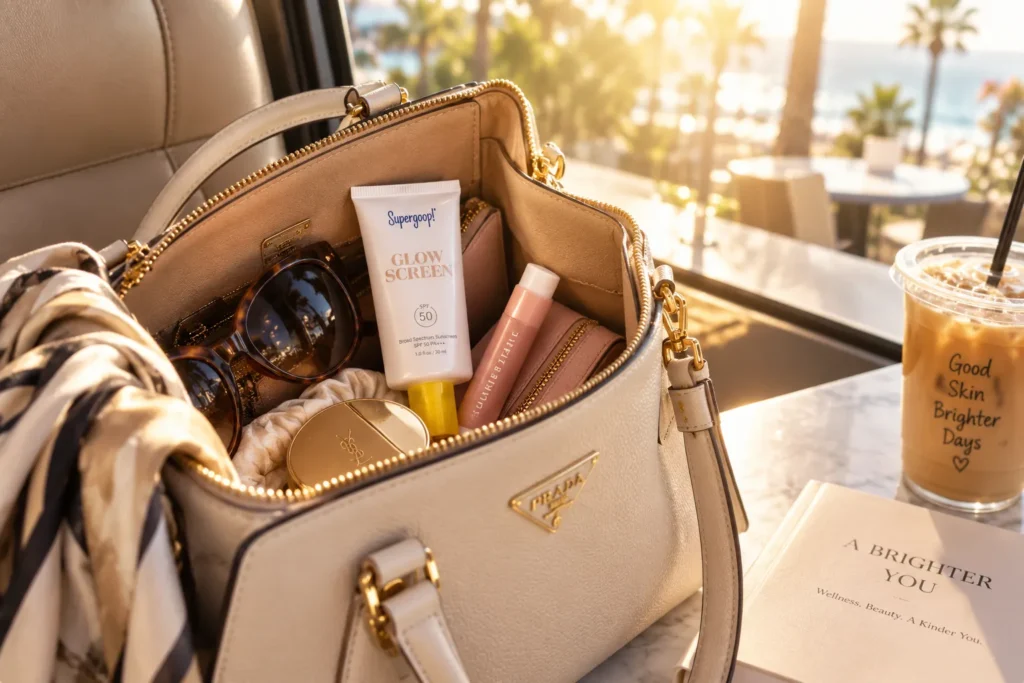
A common mistake is assuming that because you are inside for most of the day, you do not need to reapply. UVA rays pass through regular window glass and can still reach your skin during a long car ride or a desk near a sunny window. The fix is to keep a travel size sunscreen in your bag or car and reapply on a schedule, not just when you remember.
This matters most for anyone who spends summer afternoons driving, working near windows, or moving between indoor and outdoor spaces all day.
[INTERNAL LINK OPPORTUNITY: best travel size sunscreens for on the go reapplication]
4. Do Not Forget the Spots People Always Miss
Ears, the back of the neck, the tops of the feet, and the part in your hair are the areas that burn the most because they get skipped the most. These spots do not feel like “face” or “body” so they fall through the cracks during a quick morning routine.
Picture running a thin strip of sunscreen along the part of your hair before you tie it back, and dabbing a small amount on the tops of your ears where sunglasses sit. It only takes a few extra seconds but it prevents the kind of sunburn that shows up two days later when you least expect it.
This is especially important during beach days or long walks where these areas face the sun directly for hours.
/

5. Choose the Right SPF Level for Real Sun Exposure, Not the Highest Number Available
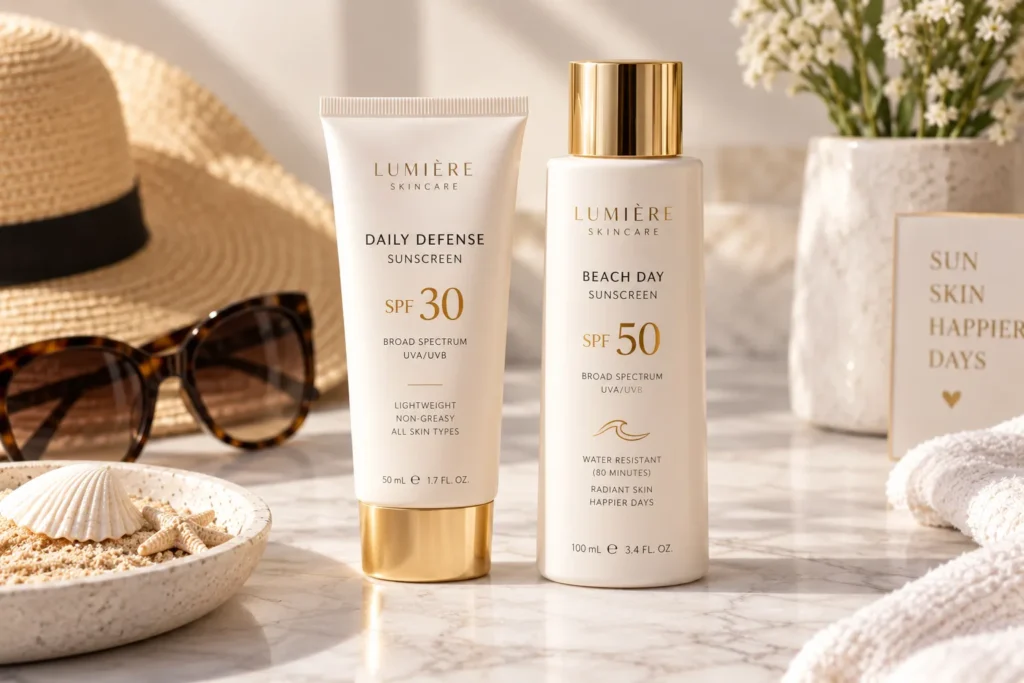
SPF 30 blocks about 97 percent of UVB rays, and SPF 50 blocks about 98 percent. The difference is small on paper, but the choice still matters based on how long you are actually outside.
For everyday errands and short walks, SPF 30 with consistent reapplication works well. For a full day at the beach, pool, or an outdoor event, SPF 50 gives you a wider safety margin, especially since most people do not reapply as often as they should.
A mistake people make is buying the highest SPF number they can find and assuming it means they can skip reapplication. No SPF number replaces the two hour reapply rule.
6. Layer Sunscreen Under Makeup the Right Way
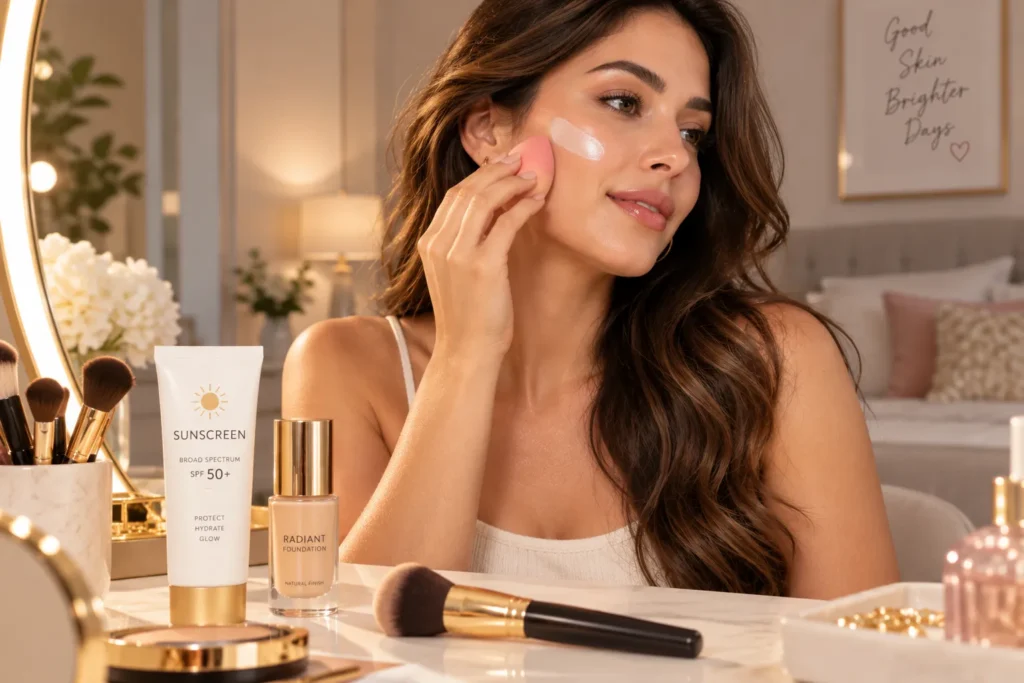
If you wear makeup, sunscreen should always go on as its own step, not mixed into your foundation. Let it fully absorb for a few minutes before applying anything on top so it has time to settle and actually protect your skin.
Picture your skin drinking in the sunscreen first, becoming smooth and matte, before you add a light layer of tinted moisturizer or foundation over it. Rushing this step means your makeup slides around and your sunscreen never fully bonds to your skin.
This routine works especially well for busy mornings when you still want light coverage without skipping real UV protection.
7. Understand the Difference Between Mineral and Chemical Sunscreen
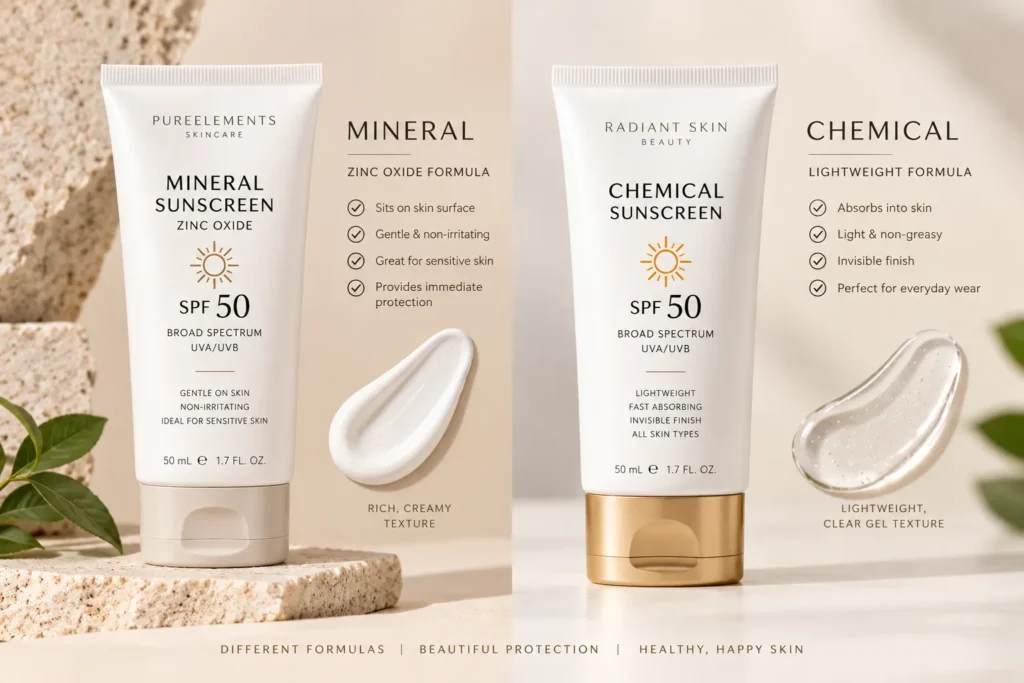
Mineral sunscreen, made with zinc oxide or titanium dioxide, sits on top of your skin and physically blocks UV rays. It works well for sensitive skin and is often gentler for anyone dealing with redness or breakouts.
Chemical sunscreen absorbs into the skin and converts UV rays into heat, which the skin then releases. It usually feels lighter and blends in more easily, which is why many people prefer it under makeup.
Neither type is automatically better. The right choice depends on your skin type and how it reacts. If your skin tends to get irritated easily, mineral sunscreen is usually the safer starting point.
8. Do Not Skip Sunscreen on Cloudy Summer Days
Clouds block visible light, which makes the day feel cooler and less intense, but up to 80 percent of UV rays still pass through cloud cover. This is one of the most overlooked summer sunscreen rules because the sky simply does not look dangerous.
A common mistake is judging sun risk by how hot or bright it feels outside instead of by actual UV exposure. The fix is to treat sunscreen as a daily habit tied to the calendar, not the weather app. If it is summer, sunscreen goes on regardless of cloud cover.
This rule matters most for outdoor activities like hiking, gardening, or long walks on overcast days when people tend to let their guard down.

9. Protect Your Lips and Eyes Too
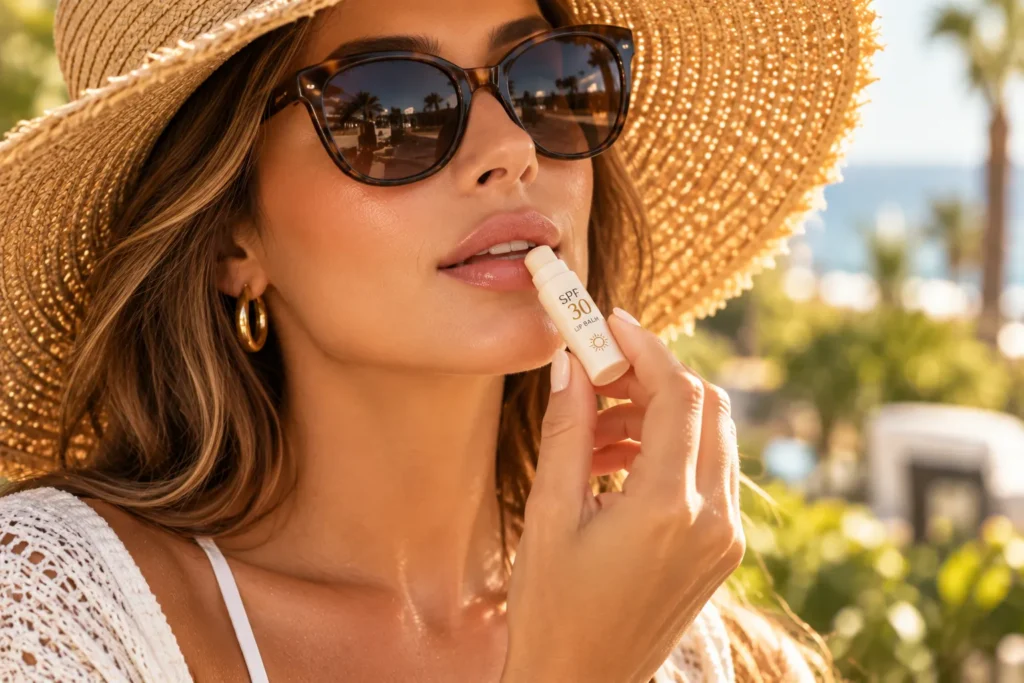
Lips have very thin skin and almost no natural protection from UV rays, yet they are one of the most commonly forgotten spots in a sunscreen routine. Look for a lip balm with SPF 15 or higher and reapply it as often as your regular lip balm.
For your eyes, sunglasses that block both UVA and UVB rays protect the delicate skin around your eyes and reduce the fine lines that come from squinting in bright light. A wide brim hat adds another simple layer of shade for your face, ears, and the top of your head.
This combination works especially well on vacation days when you are outside for hours at a time without a real break from direct sunlight.
10. Store Sunscreen Correctly So It Actually Works
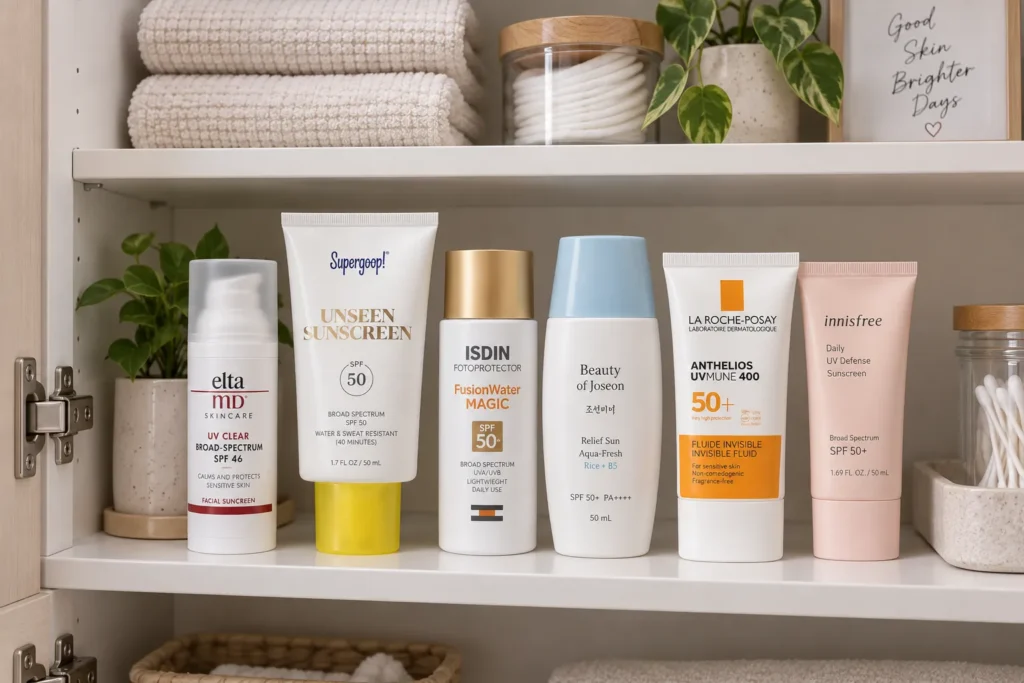
Sunscreen loses effectiveness when it sits in direct heat for long periods, which is exactly where most people leave it, in a hot car or a beach bag baking in the sun. Heat breaks down the active ingredients faster than the expiration date suggests.
Picture keeping a travel size bottle in your bag for daily use and storing your main bottle in a cool drawer or cabinet at home instead of your car. Check the expiration date each season, since sunscreen does expire and loses potency over time even if the bottle looks fine.
This rule protects your investment in a good sunscreen and makes sure the product actually performs the way it is meant to when you need it most.
[INTERNAL LINK OPPORTUNITY: how to build a simple summer skin care routine]
Sunburn and sun damage are not just about bad luck or sensitive skin. Most of the time, they come down to small gaps in a sunscreen routine that are easy to fix once you know what to look for. Pick one or two rules from this list that you are currently skipping and start there this week. Your skin will thank you by the end of summer, and future you will be glad you saved this for the next sunny day.
Image Alt Text Suggestions
- Woman applying a generous amount of sunscreen to her face in morning light
- Sunscreen, sunglasses, and a hat laid out before sun exposure
- Travel size sunscreen in an open handbag for easy reapplication
- Applying sunscreen to the back of the neck and ears
- SPF 30 and SPF 50 sunscreen bottles compared side by side
- Sunscreen and makeup products arranged on a bathroom counter
- Mineral sunscreen versus chemical sunscreen comparison
- Person walking outdoors on a cloudy summer day
- Woman wearing sunglasses and a wide brim hat applying SPF lip balm
- Sunscreen bottles stored in a cool bathroom cabinet away from heat
FAQ Section
How much sunscreen should I actually use on my face? A full nickel sized amount is the standard recommendation for your face and neck. Using less than this can cut your real SPF protection significantly, even with a high SPF product.
Do I need sunscreen on cloudy summer days? Yes, up to 80 percent of UV rays pass through clouds. Sunscreen should be a daily habit during summer regardless of how sunny it looks outside.
Is SPF 50 much better than SPF 30? SPF 50 blocks slightly more UVB rays than SPF 30, but the bigger factor is how often you reapply. Neither SPF level works well if you only apply it once a day.
Can I skip sunscreen if my makeup has SPF in it? Most makeup products do not contain enough sunscreen to provide full protection on their own. Apply a dedicated sunscreen first, then add makeup on top.
Why do I still get sunburned even when I wear sunscreen? The most common reasons are applying too little product, skipping reapplication every two hours, and missing spots like the ears, hairline, and tops of the feet.
Does sunscreen expire? Yes, sunscreen loses potency over time, especially if it has been stored in heat like a hot car. Check the expiration date each summer and replace it if it has passed.


