

10 Sunscreen Mistakes That Could Harm Your Skin
You put on sunscreen every single morning. You feel like you are doing everything right. Then you catch a glimpse of a new sunburn line on your shoulders, or you notice a dark patch on your cheek that was not there last summer, and you wonder how that even happened.
Here is the thing nobody tells you: wearing sunscreen and wearing it correctly are two very different habits. Most of us were never actually taught how to use it, so we pick up small mistakes along the way without realizing it.
This article walks through the ten most common sunscreen mistakes, why they matter, and exactly how to fix each one so your skin actually gets the protection you think it is getting.
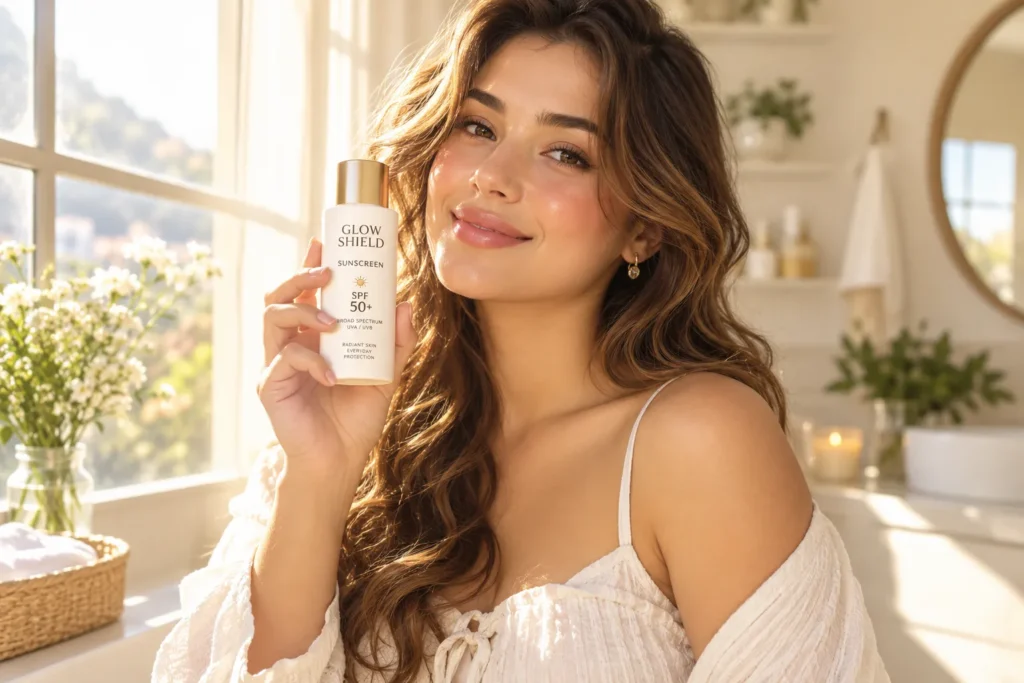
[INTERNAL LINK OPPORTUNITY: how to choose the right SPF for your skin type]
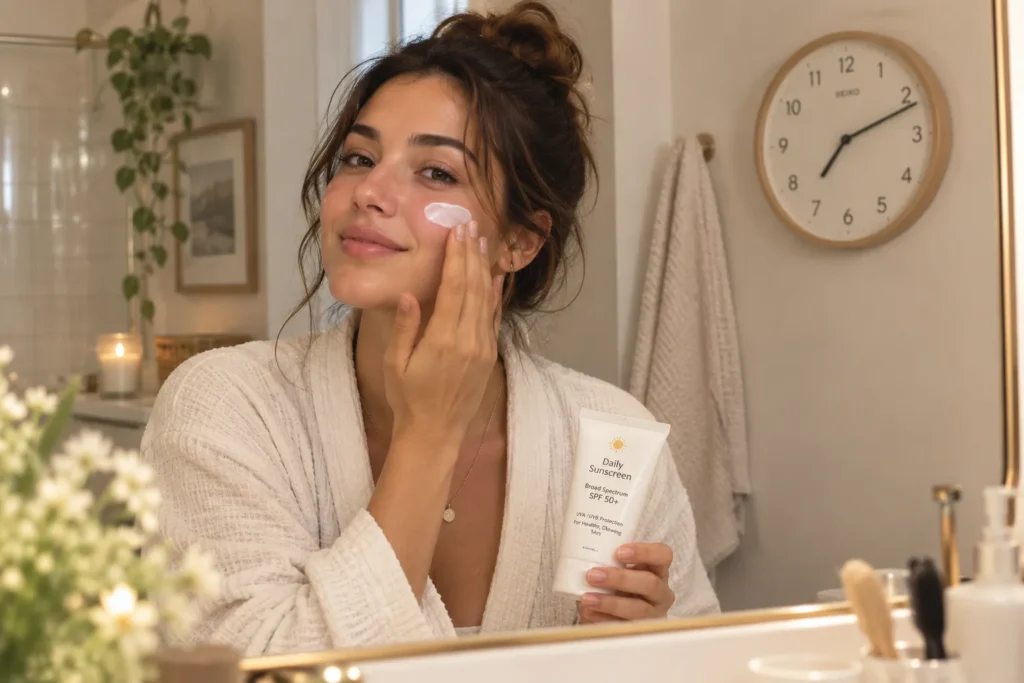
1. Using Too Little Sunscreen
Most people apply about half the amount they actually need, then wonder why they still burn.
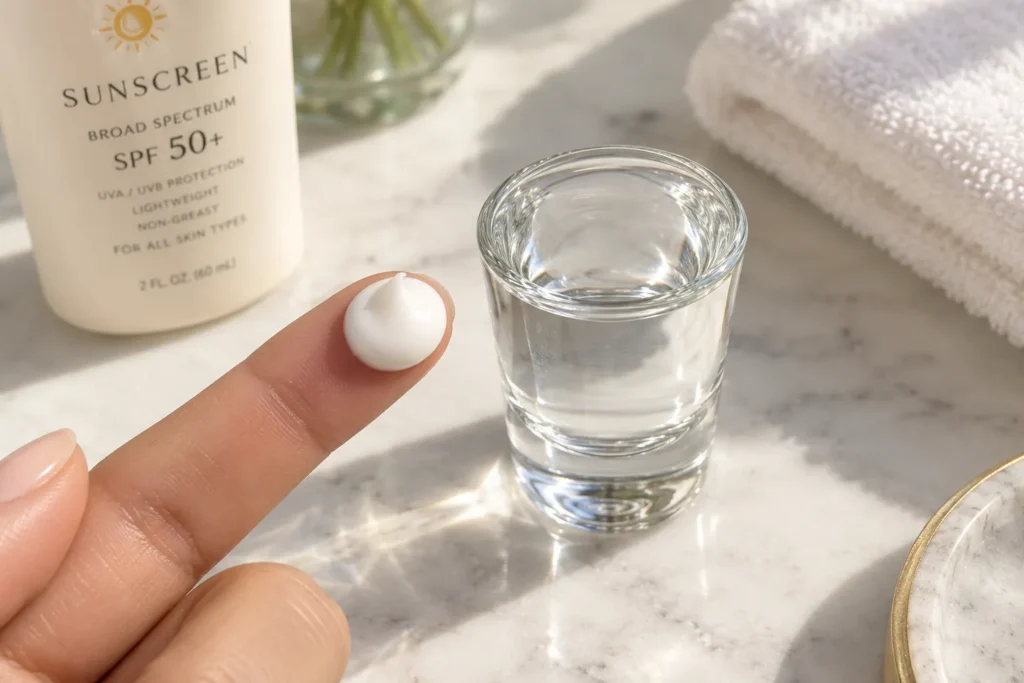
The general rule dermatologists give is about a nickel sized amount for your face and neck, and roughly a shot glass worth for your entire body. That sounds like a lot compared to what most of us squeeze out, and that gap is exactly why sunburns still happen on “protected” skin.
Think of it this way. SPF ratings are tested in labs using that full amount. If you apply half, you are not getting half the protection, you are getting a fraction of it because the SPF number was never designed to scale down.
A good habit is to apply sunscreen the same way every time, using a coin sized dollop for your face so you stop guessing. If you are at the beach, keep the bottle where you can see it so you remember to apply generously instead of dabbing on a thin layer just to check the box.
2. Skipping Reapplication Every Two Hours
Sunscreen is not a one and done product. Most formulas start breaking down after about two hours in direct sun, faster if you are sweating or swimming.
This is the mistake that catches even careful people off guard. You apply sunscreen before heading out for a walk or a pool day, feel confident, and never think about it again until you notice your skin is pink hours later.
Set a timer on your phone if you have to. If you are outside for a full day at the beach or a backyard barbecue, reapplication is not optional, it is the difference between skin that stays protected and skin that burns halfway through the afternoon.
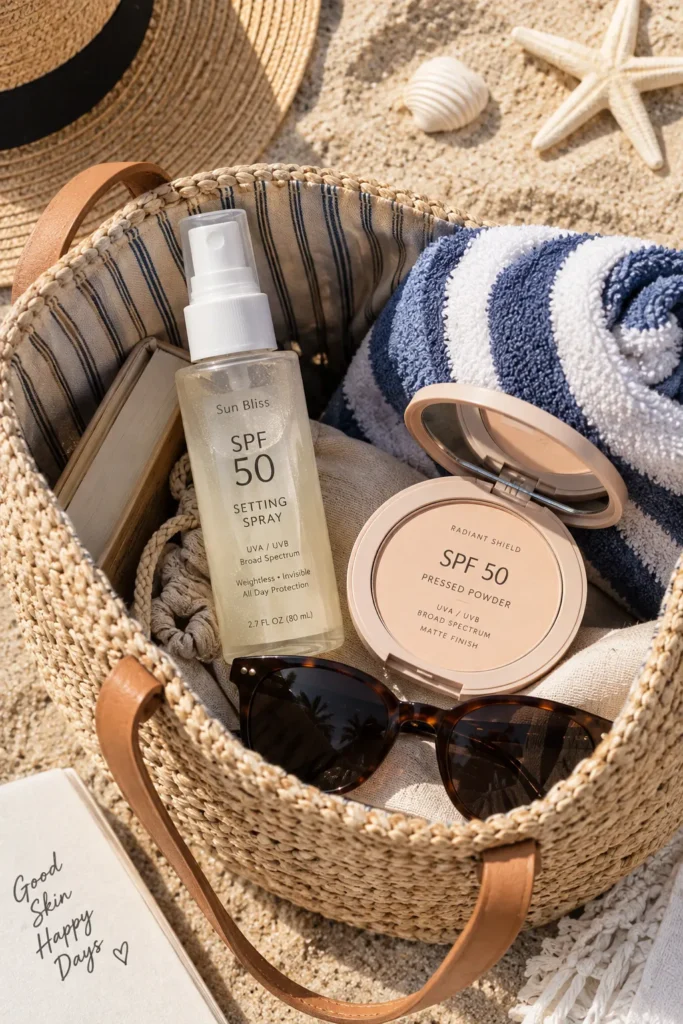
For makeup wearers, a setting spray with SPF or a powder sunscreen can make reapplication realistic without ruining your look. Keep one in your bag so there is no excuse to skip it.
3. Only Applying Sunscreen on Sunny Days
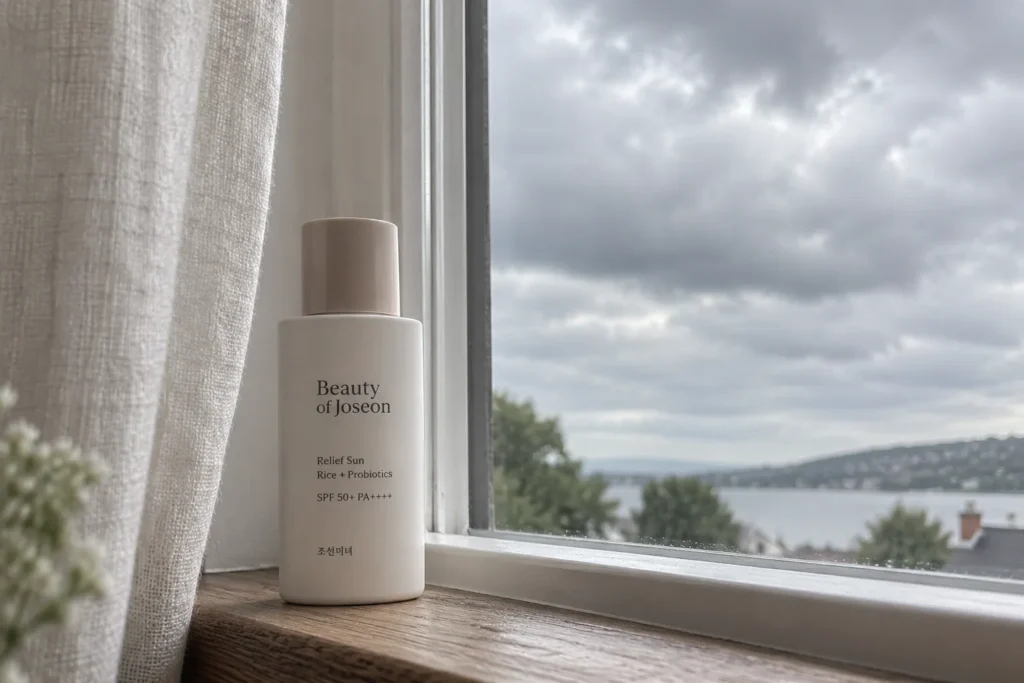
Clouds block a lot of things, but UV rays are not one of them. Up to 80 percent of UV rays can pass right through cloud cover, which means you can burn on an overcast day just as easily as a clear one.
This mistake is especially common in spring and fall, when the sky looks gray and cool but the UV index is still moderate to high. People skip sunscreen entirely because it does not “feel” sunny, then get caught off guard by a sunburn after a cloudy afternoon outside.
The fix is simple even if it takes a mindset shift. Make sunscreen part of your morning skin care routine every day, regardless of the forecast, the same way you would not skip brushing your teeth because it is raining outside.
4. Forgetting Easy to Miss Spots
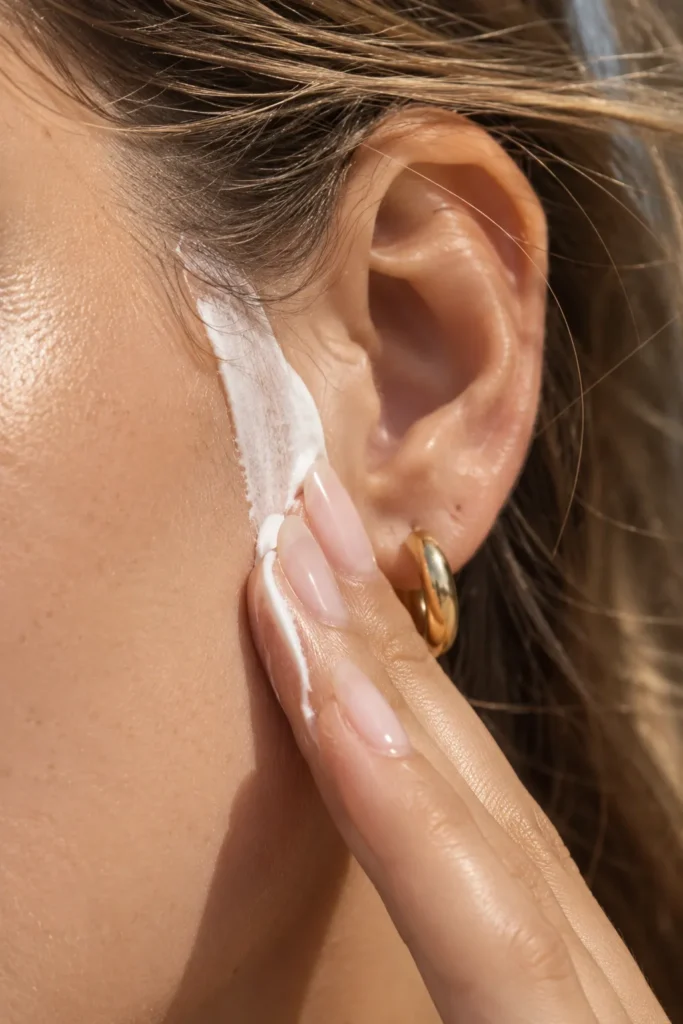
Ears, the back of the neck, the tops of the feet, and the hairline are the areas people forget most often, and they are also some of the most common places dermatologists see sun damage and skin cancer develop.
It makes sense why these spots get skipped. They are not the first thing you see in the mirror, so they do not come to mind when you are rushing through your morning routine.
Try applying sunscreen in a specific order so nothing gets left out: face, neck, ears, then any exposed skin like arms, hands, and feet. If you wear your hair up often, a spray sunscreen works well for reaching your part line and the back of your neck without messing up your style.
5. Applying Sunscreen After You Are Already Outside
Chemical sunscreens need about 15 to 20 minutes to actually bind to your skin and start working. If you put it on right as you walk out the door, you are spending the first part of your outing essentially unprotected.
This is a mistake that happens a lot on rushed mornings, especially with kids who need sunscreen applied fast right before school drop off or a soccer game.
Build in the buffer time. Apply sunscreen while you are still getting dressed or eating breakfast, not as the last step before you leave the house. Mineral sunscreens work a little faster since they sit on top of the skin rather than absorbing in, but giving any sunscreen a few minutes before sun exposure is still the safest habit.
6. Choosing a Low SPF for Daily Wear
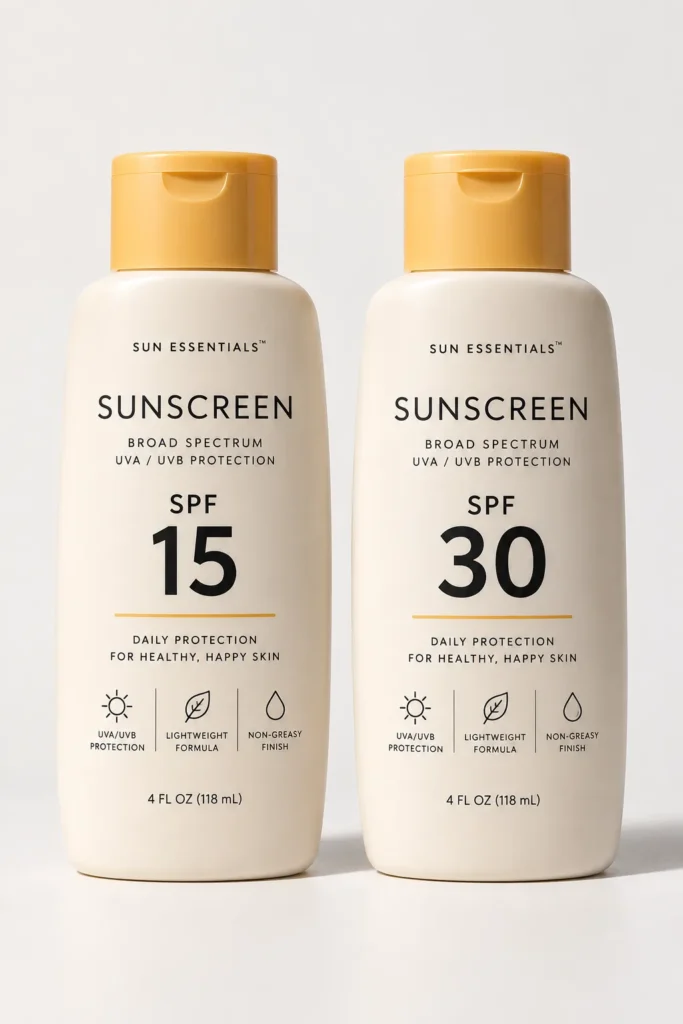
SPF 15 might feel like enough for a quick errand, but the difference between SPF 15 and SPF 30 is bigger than the numbers suggest. SPF 15 blocks about 93 percent of UVB rays, while SPF 30 blocks about 97 percent. That gap adds up over years of daily sun exposure.
A lot of people also do not realize that SPF only measures UVB protection, the rays that cause sunburn. UVA rays, the ones linked to premature aging and deeper skin damage, are a separate concern entirely.
For everyday wear, dermatologists generally recommend at least SPF 30 with broad spectrum protection listed on the label. Broad spectrum means the formula guards against both UVA and UVB rays, not just the ones that cause visible burning.
7. Assuming Makeup With SPF Is Enough
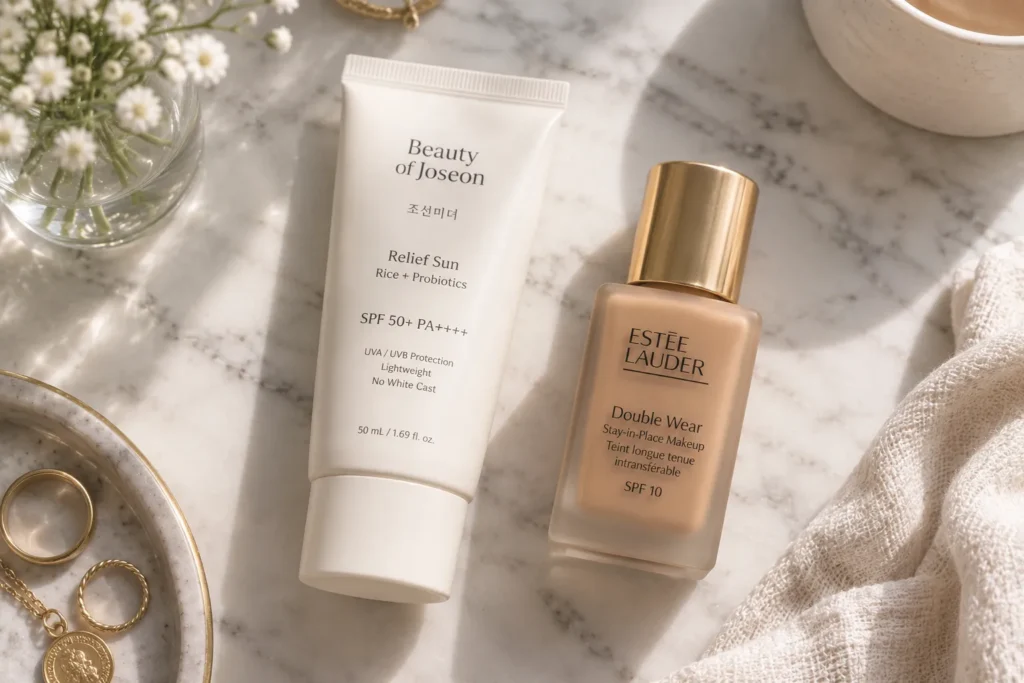
A foundation or tinted moisturizer with SPF 15 built in sounds convenient, but most people do not apply nearly enough of it to get real protection. You would need to apply a thick, cakey layer of foundation to match the SPF rating on the label, which almost nobody actually does.
This mistake gives a false sense of security. You feel covered because the label says SPF, but the actual protection on your skin is far lower than the number suggests.
Treat makeup with SPF as a small bonus layer, not your main defense. Apply a proper sunscreen underneath your usual skin care routine first, then let your makeup go on top as normal. This way your protection is already in place before makeup even enters the picture.
8. Using Expired or Old Sunscreen
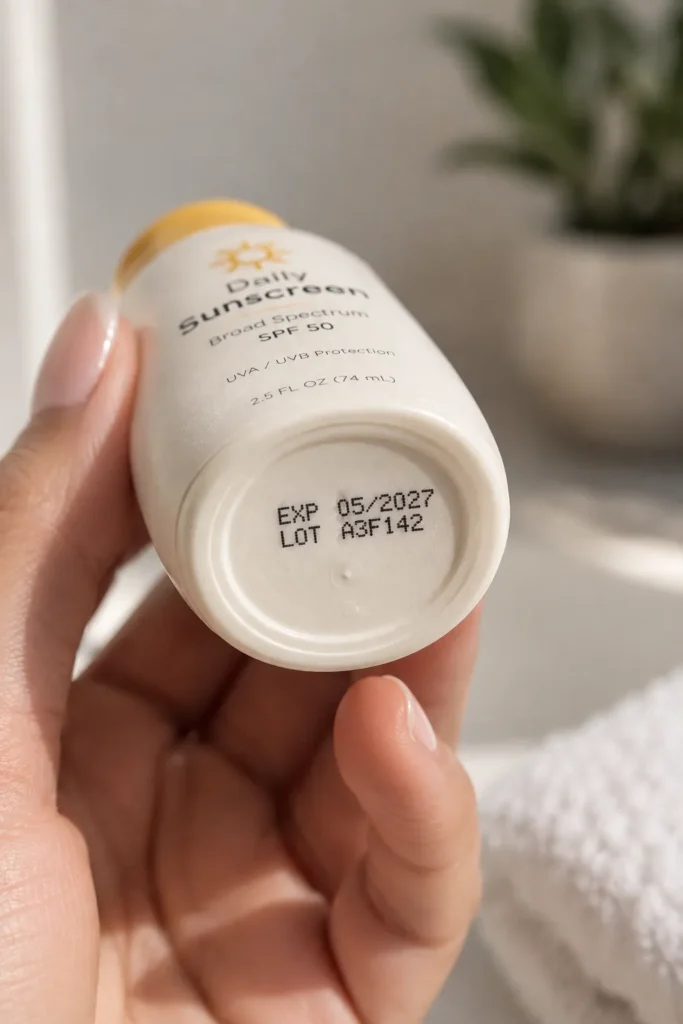
Sunscreen does not last forever, even unopened. Most formulas are good for about two to three years, but heat exposure, like leaving a bottle in a hot car or a beach bag, can break down the active ingredients much faster than the expiration date suggests.
This is an easy mistake to make because sunscreen often gets tucked into a drawer or bag and forgotten between summers. By the time you pull it back out, the formula may no longer be doing what the label promises, even though it looks and smells the same.
Check the expiration date printed on the bottle, and if there is not one, write the date you opened it somewhere on the packaging. If the texture has changed, separated, or the smell seems off, it is time to replace it rather than risk unreliable protection.
9. Not Adjusting for Water or Sweat
Water resistant does not mean waterproof, and that distinction matters more than most labels make it seem. Water resistant sunscreens are tested to hold up for either 40 or 80 minutes of swimming or sweating, listed right on the bottle, but after that window, protection starts to fade.
This mistake shows up most at pool days and beach trips, where people apply once in the morning and assume they are covered for hours of swimming and drying off in the sun.
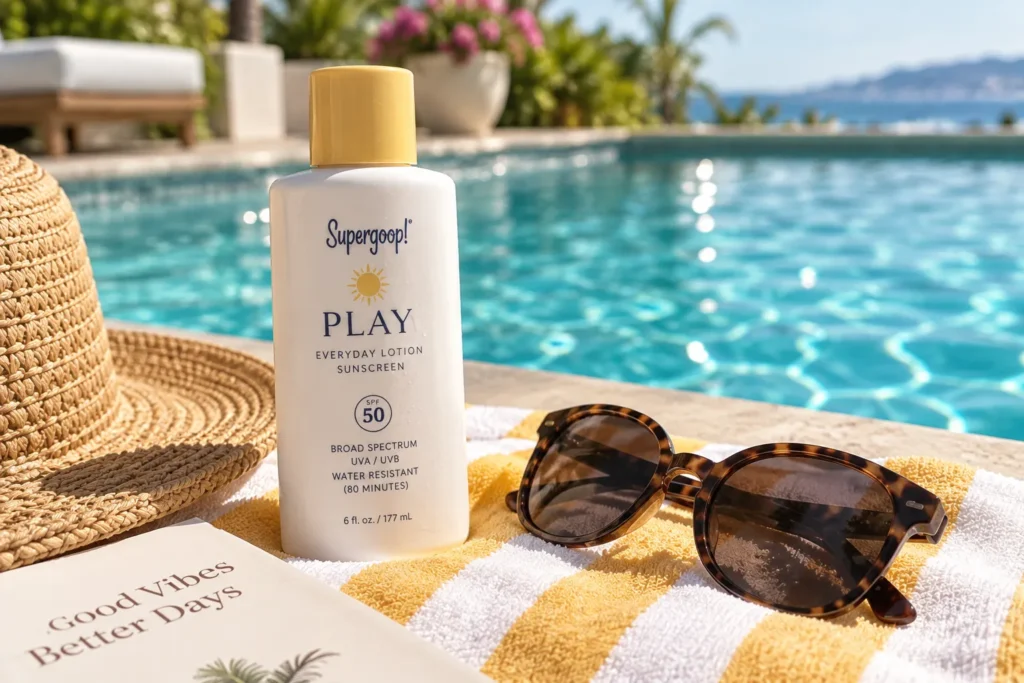
Reapply immediately after swimming or heavy sweating, even if the water resistant window has not technically passed yet, since towel drying rubs off a good portion of any sunscreen. Keep a bottle poolside so reapplying takes seconds instead of becoming a chore you put off.
10. Believing Darker Skin Tones Do Not Need Sunscreen
This is one of the most damaging myths still floating around. While more melanin does offer some natural protection, it is nowhere near enough to prevent sun damage, premature aging, or skin cancer on its own.
The mistake often comes from a lack of visible sunburn as feedback. Because darker skin tones may not show redness the same way, it is easy to assume no damage is happening, when in reality UV exposure is still affecting the skin underneath the surface.
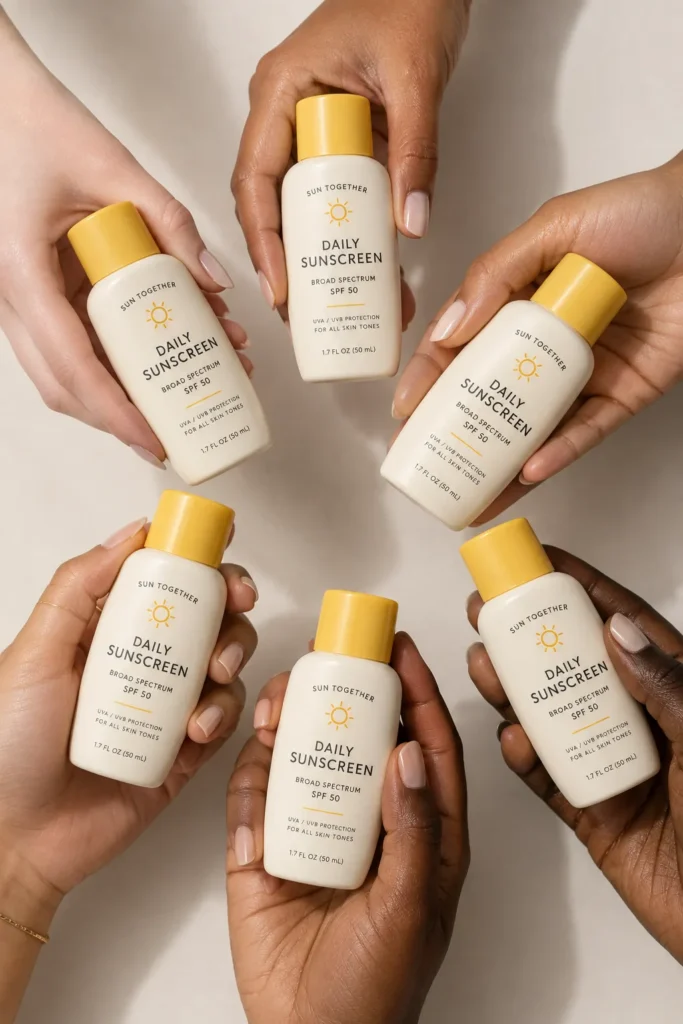
Everyone, regardless of skin tone, benefits from daily SPF 30 or higher. If you have struggled to find a formula that does not leave a white cast, look for mineral sunscreens labeled specifically as tinted or formulated for deeper skin tones, since these are made to blend in rather than sit on top visibly.
[INTERNAL LINK OPPORTUNITY: best tinted mineral sunscreens for deeper skin tones]
Final Thoughts
Sunscreen only works as well as the way you use it. None of these mistakes mean you have been doing skin care wrong this whole time, they just mean there is room to make one small habit a little more consistent. Pick one thing from this list, maybe reapplying every two hours or finally checking that expiration date, and start there this week. Your future skin will thank you for it.
Image Alt Text Suggestions
- Woman applying sunscreen to her face in a bathroom mirror during morning routine
- Nickel sized amount of sunscreen compared to a shot glass to show correct application amounts
- Travel size SPF powder and sunscreen spray inside an open beach bag for easy reapplication
- Cloudy sky with a bottle of sunscreen on a windowsill, showing sunscreen is needed even without sun
- Close up of sunscreen being applied near the ear and hairline, commonly missed spots
- Person applying sunscreen at a bathroom counter before getting dressed in the morning
- SPF 15 and SPF 30 sunscreen bottles side by side for comparison
- Sunscreen tube next to a tinted foundation bottle showing separate skin care steps
- Sunscreen bottle with a visible expiration date stamp on the packaging
- Sunscreen bottle on a pool towel next to sunglasses for poolside reapplication
- Diverse hands in different skin tones each holding a small bottle of sunscreen
FAQ Section
Do I need to wear sunscreen indoors? Yes, if you are near windows for long periods, since UVA rays can pass through glass. It is not as critical as outdoor exposure, but daily SPF is still the safer habit.
How much sunscreen should I actually use on my face? A nickel sized amount is the general guideline for full face and neck coverage. Using less than that lowers the actual SPF protection you are getting.
Can I skip sunscreen on cloudy or rainy days? No, up to 80 percent of UV rays still pass through cloud cover. Sunburns on overcast days are more common than people expect.
Is a higher SPF always better? Not by much after SPF 30. The jump from SPF 30 to SPF 50 only adds a small percentage of extra protection, so reapplying on time matters more than chasing a higher number.
Does sunscreen expire even if it is unopened? Yes, most sunscreen is good for two to three years, but heat exposure can break it down faster. Check the label and toss it if the texture or smell seems off.
Do people with darker skin tones still need sunscreen daily? Yes, all skin tones are at risk for sun damage, premature aging, and skin cancer. Melanin offers some natural protection but not nearly enough on its own.


