

10 Rosehip Oil Uses for Clear, Soft and Radiant Skin
If you have ever stood in front of the mirror wishing your skin looked a little brighter, a little smoother, or just less tired, you are not alone. Between dry patches, stubborn dark spots, and skin that never seems to bounce back the way it used to, it is easy to feel like you have tried everything. Rosehip oil has quietly become one of the most loved natural skin care oils for exactly this reason. It is gentle, affordable, and works in more ways than most people realize. In this article, you will find 10 simple rosehip oil uses that can help your skin look clearer, softer, and more radiant, without adding a complicated new routine to your day.
[INTERNAL LINK OPPORTUNITY: budget-friendly natural skin care swaps]
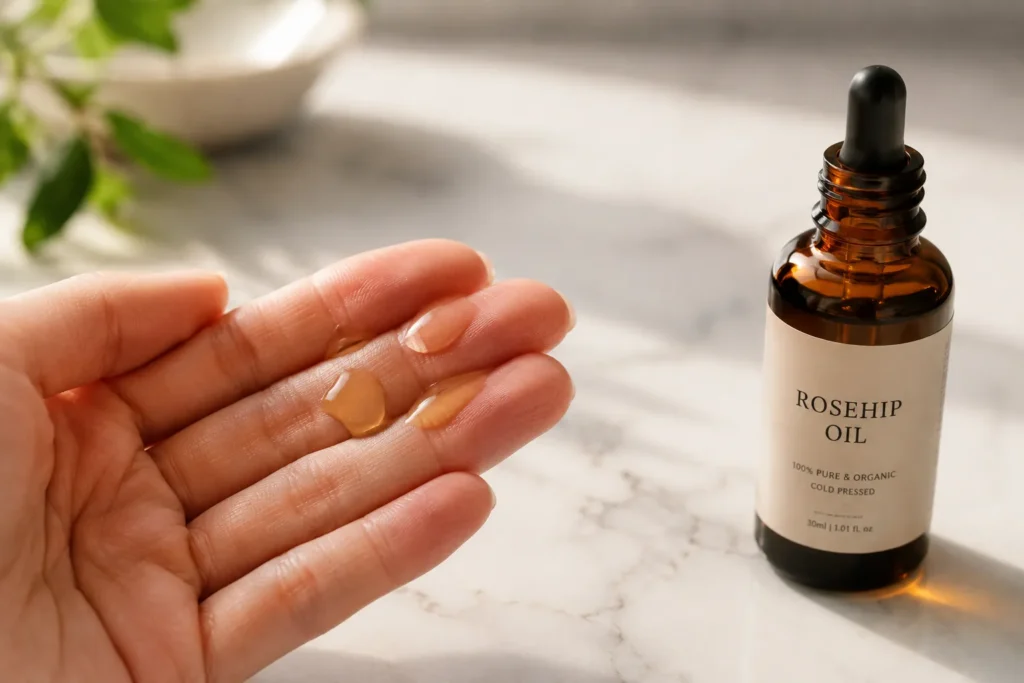
1. Fade the Look of Dark Spots and Old Acne Marks
Rosehip oil is best known for helping even out skin tone over time. It contains natural vitamin A compounds that gently support skin cell turnover, which is what helps old acne marks and sun spots look lighter with regular use.
Most people expect overnight results, then get discouraged when nothing changes by day three. The truth is this oil works slowly and steadily. A common mistake is applying it once and giving up. The fix is simple: use it every night for at least six to eight weeks before judging the results. Try warming two or three drops between your palms and pressing it gently onto areas with dark spots, like the cheeks or forehead, right before bed. Over a few weeks, marks that once felt permanent start to look softer and less noticeable.
2. Calm Dry, Flaky Winter Skin
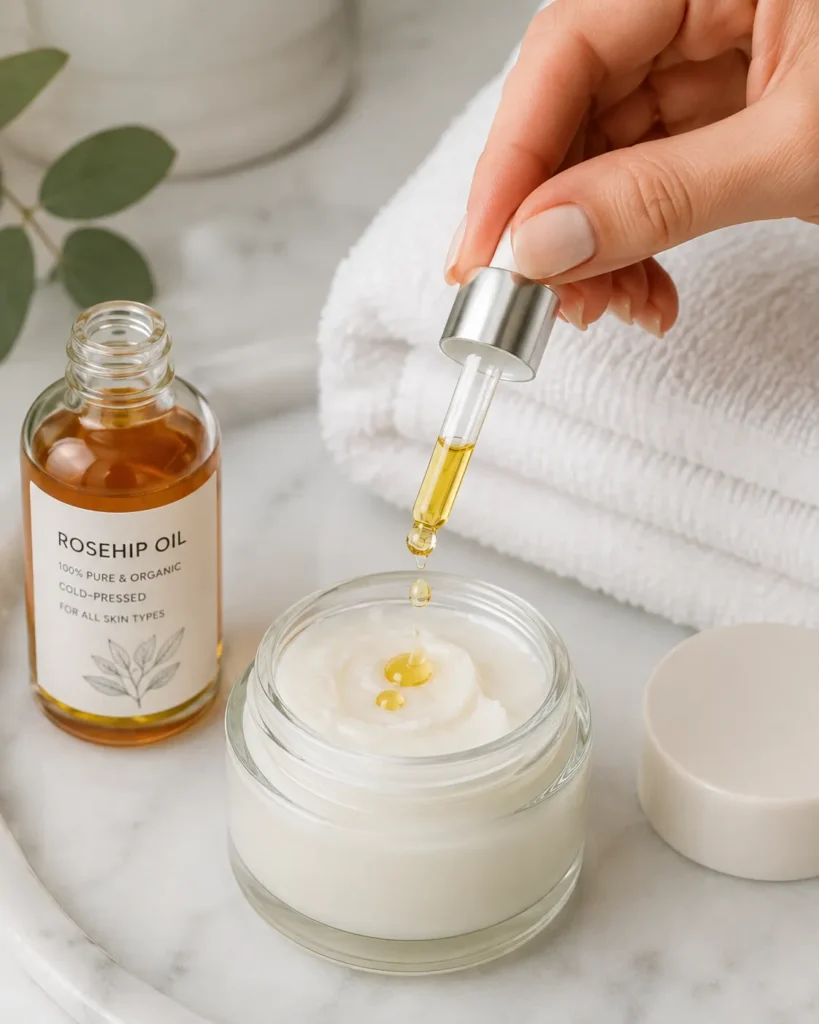
When cold air and indoor heating team up, skin can turn tight and flaky fast. Rosehip oil is rich in essential fatty acids, which help strengthen the skin barrier so moisture stays locked in instead of escaping.
This works especially well for anyone who lives somewhere with harsh winters or dry indoor heat. Instead of layering on heavier creams that can feel greasy, try mixing two drops of rosehip oil into your regular moisturizer. This small addition boosts hydration without changing the texture of the products you already own and love.
3. Soften Rough Patches on Elbows and Knees
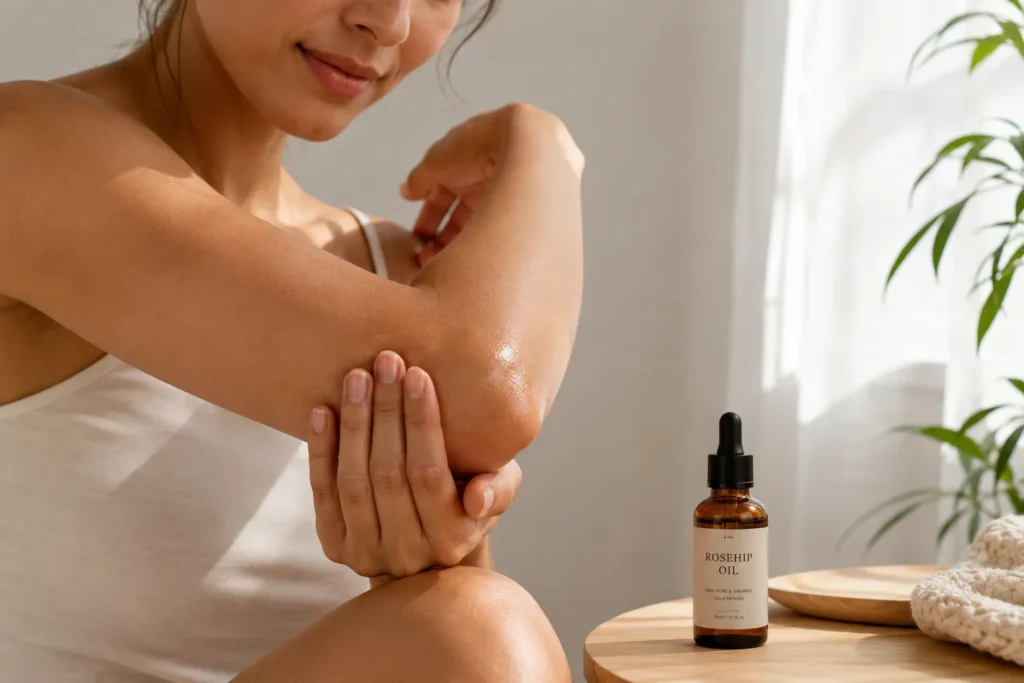
Most people only think about rosehip oil for the face, but it works just as well on rough spots like elbows and knees. These areas have thicker, drier skin that often gets ignored in a normal skin care routine.
A good use case here is right after a shower, while skin is still slightly damp. Massage a few drops directly onto rough patches so the oil seals in the water already on your skin. This is an easy step to add without changing anything else about your routine, and it is one of those small habits that quietly makes a big difference over a month.
4. Support a More Even, Brighter Skin Tone
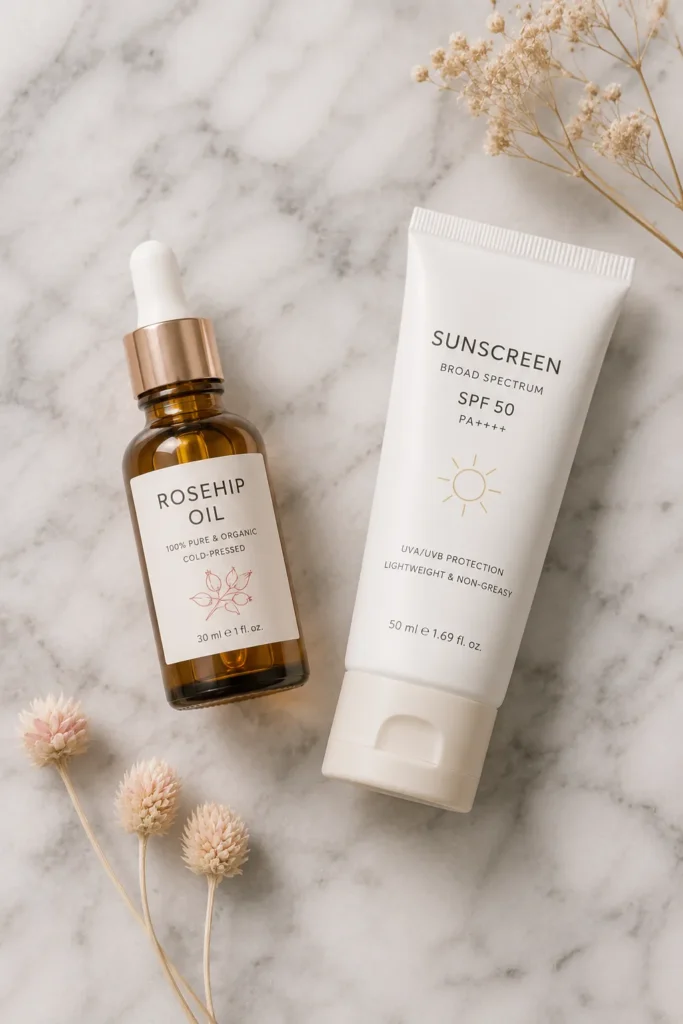
Uneven skin tone is one of the top reasons skin looks dull instead of radiant. Rosehip oil contains vitamin C and antioxidants that help protect skin from the kind of daily stress that leads to dullness, like sun exposure and pollution.
The mistake many people make is expecting a brightening product to work alone. Rosehip oil works best as part of a full routine, not a standalone fix. Pair it with gentle daily sunscreen and you give your skin the best chance to look brighter over time instead of fighting new damage while trying to heal old damage at the same time.
5. Reduce the Look of Fine Lines
As skin loses collagen over time, fine lines start to show up around the eyes and mouth first. Rosehip oil’s natural vitamin A content can support a smoother look over time by encouraging healthy cell renewal.
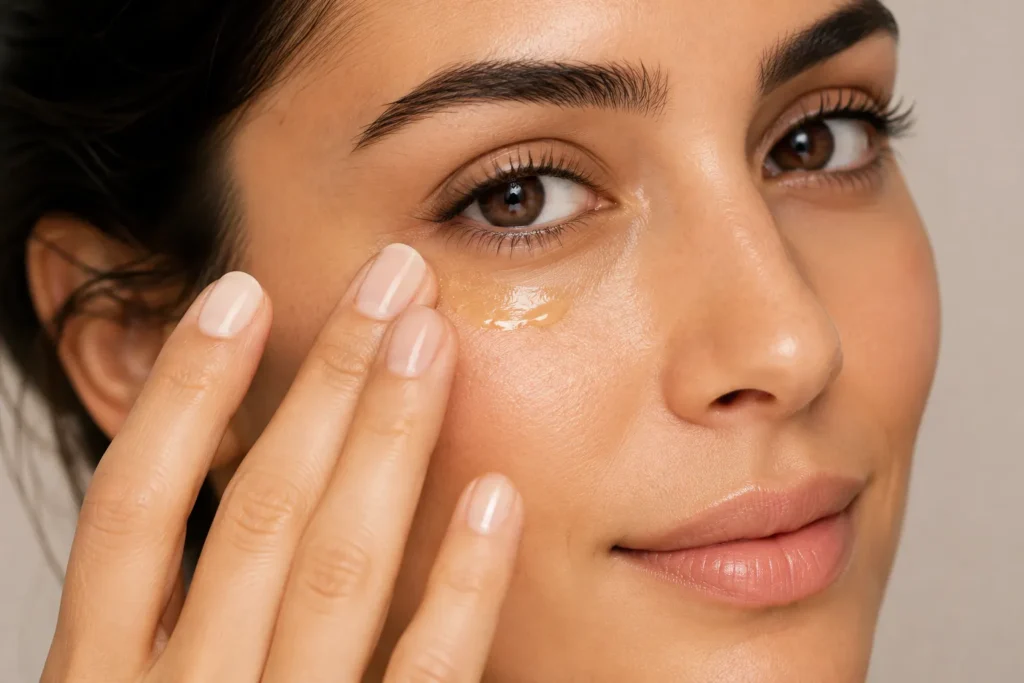
This is especially worth trying for anyone in their thirties or forties who is noticing early fine lines but does not want a harsh retinol product that can cause irritation. Rosehip oil offers a gentler entry point. Pat one drop very lightly around the eye area using your ring finger, since that finger applies the least pressure naturally.
6. Calm Redness and Occasional Skin Irritation
Rosehip oil has natural anti-inflammatory properties that can help take the edge off redness from things like windburn, mild irritation, or reactive skin. It is not a treatment for serious skin conditions, but it can offer gentle relief for everyday redness.
This use case works especially well for anyone with sensitive skin who reacts to strong actives. A common mistake is piling on multiple new products at once when skin is already irritated, which usually makes things worse. Instead, simplify your routine down to a gentle cleanser and rosehip oil alone until the redness settles.
7. Use It as a Lightweight Overnight Treatment
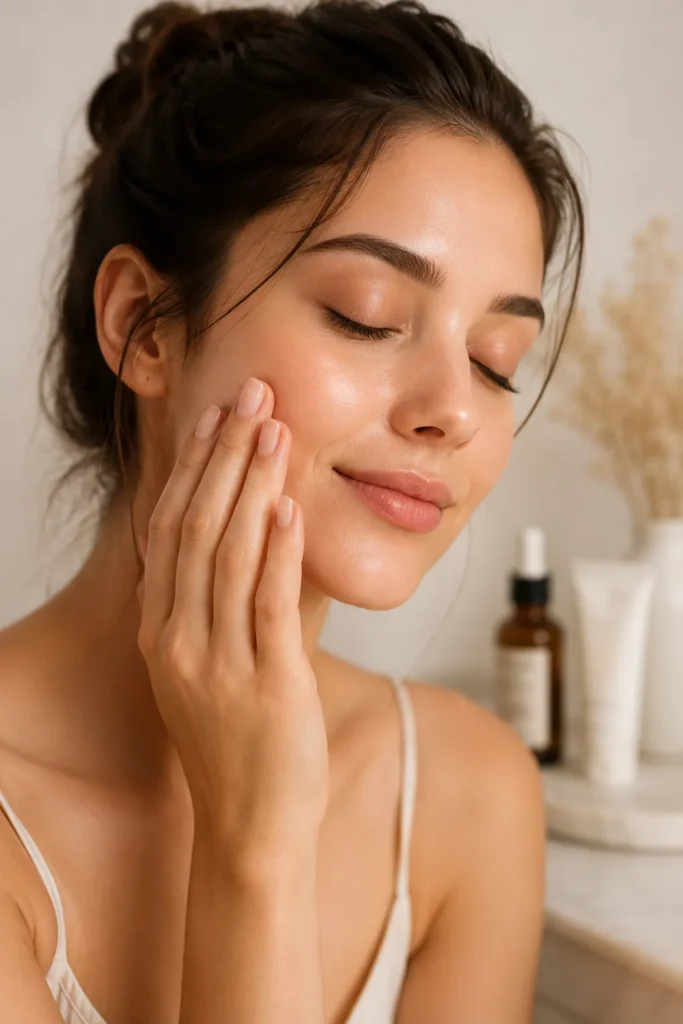
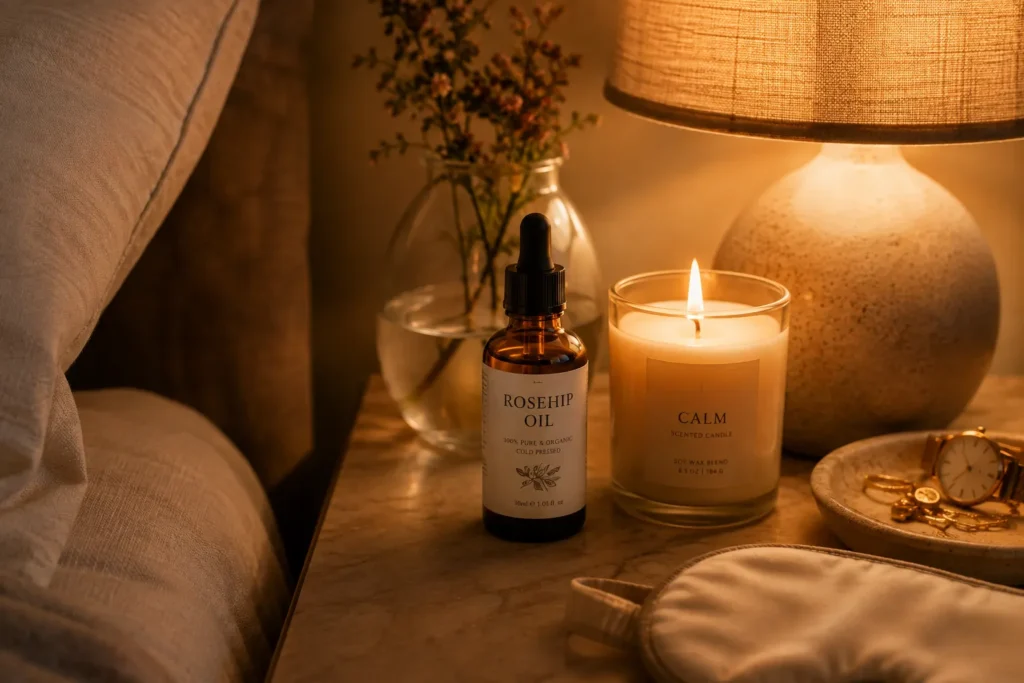
One of the most save-worthy rosehip oil uses is turning it into a simple overnight treatment. Because it absorbs fairly quickly and does not feel heavy, it works well as the last step in a nighttime routine instead of a heavier night cream.
This is a great option for anyone with combination or oily skin who normally avoids oils out of fear they will feel greasy. Rosehip oil has a lighter texture than many face oils, so it tends to sit well even on oilier skin types. Apply three to four drops after your moisturizer and let it settle in while you sleep.
8. Smooth and Nourish Dry Cuticles
Cuticles often get left out of skin care routines completely, even though dry, cracked cuticles can be uncomfortable and make hands look older than they are. Rosehip oil’s fatty acids work well here too, softening skin around the nails.
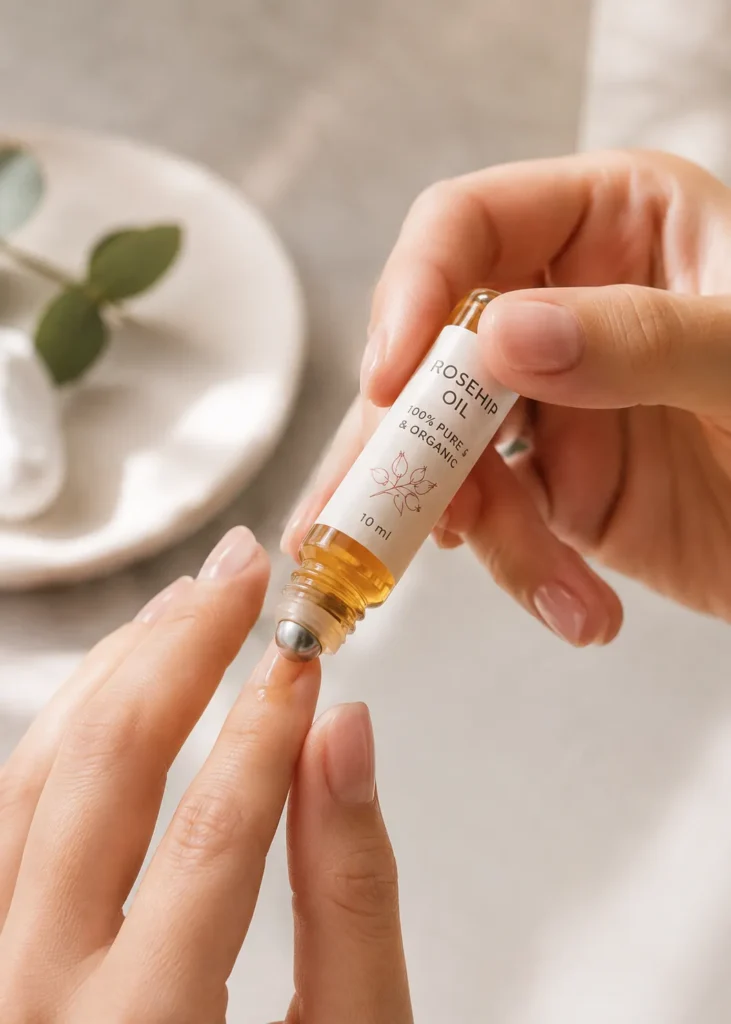
This is especially useful in colder months or for anyone who washes their hands often throughout the day. Keep a small rollerball version of rosehip oil in your bag or by the sink, and massage a drop into each cuticle whenever you notice dryness. It takes ten seconds and prevents that painful cracked skin feeling before it starts.
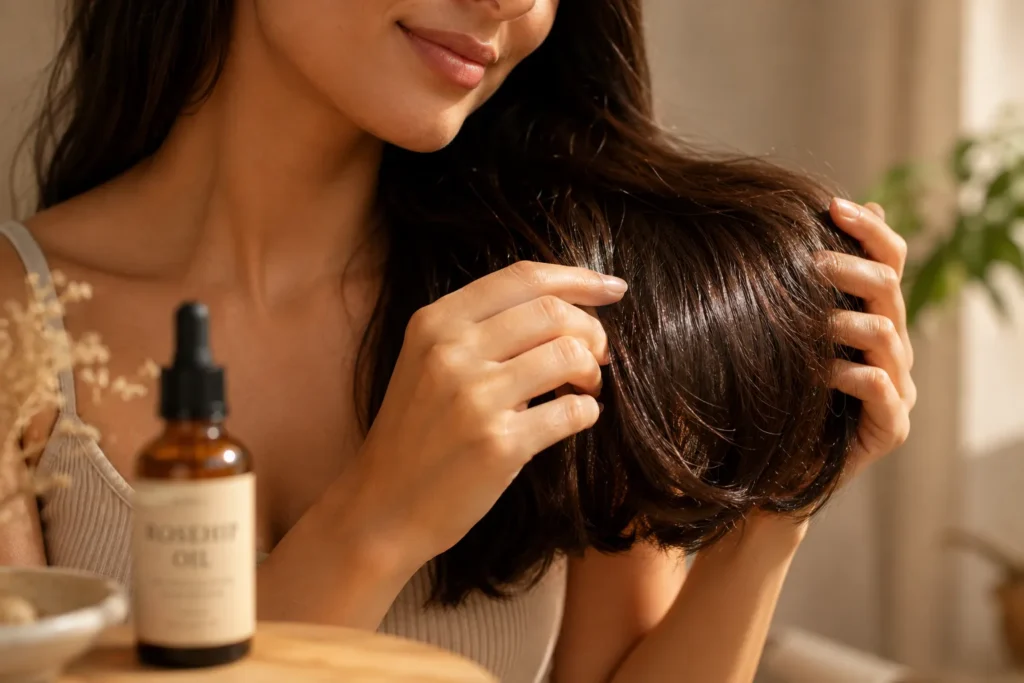
9. Add Shine and Softness to Dry Hair Ends
Rosehip oil is not just for skin. A small amount smoothed over dry, frizzy hair ends can add softness and a light natural shine, similar to how argan oil is often used.
This works well for anyone with color-treated or heat-damaged hair, since those hair types tend to be drier at the ends. The key is using a very small amount, about one drop rubbed between your palms first, then applied only to the bottom two or three inches of hair. Using too much at the roots is the most common mistake, since it can make hair look greasy fast.
10. Extend Your Makeup Free Glow Days
On days you want to skip makeup but still want skin that looks healthy and awake, rosehip oil can help. Its light natural sheen gives skin a soft glow without looking oily or overdone, which works well under nothing but skin care and a bit of sunscreen.
This is a nice use case for weekends, travel days, or anywhere you want low maintenance skin that still looks put together. Apply two drops as your final step and gently press it in rather than rubbing, which helps it sit smoothly instead of streaking.

A Few Things to Know Before You Start
Rosehip oil is generally gentle, but it is still worth doing a patch test on your inner arm before applying it to your face, especially if you have reactive or very sensitive skin. Choose a cold-pressed, unrefined version when possible, since this keeps more of the natural nutrients intact. A 30ml bottle typically lasts several months with nightly use and usually falls in a budget-friendly price range compared to many specialty face oils, which makes it an easy oil to try without a big investment.
[INTERNAL LINK OPPORTUNITY: how to choose the right face oil for your skin type]
Final Thoughts
Skin that feels dry, uneven, or just a little tired can wear you down more than people realize, especially when nothing you try seems to stick. Rosehip oil will not fix everything overnight, but it is one of those quiet, consistent tools that rewards patience with real results. Pick one or two uses from this list that fit your routine right now, and give them a few weeks before expecting change. Save this article so you can come back to it as you work your way through the rest of the list.
Image Alt Text Suggestions
- Rosehip oil dropper bottle with oil drops on fingertips in soft natural light
- Adding rosehip oil into a jar of face moisturizer on a bathroom counter
- Applying rosehip oil to a dry elbow with a small glass bottle nearby
- Rosehip oil bottle next to sunscreen tube on a marble countertop
- Gently patting rosehip oil around the eye area with the ring finger
- Woman touching her cheek gently in a calm, simple skin care setting
- Bedside table with rosehip oil bottle and soft lamp light for a nighttime routine
- Massaging a drop of rosehip oil into a dry cuticle with a rollerball bottle
- Running fingers through soft, shiny hair ends after applying rosehip oil
- Fresh-faced woman outdoors with a natural glow and no makeup
FAQ Section
Is rosehip oil good for every skin type? Yes, rosehip oil works for most skin types including dry, combination, and sensitive skin because of its lightweight texture. Oily or acne-prone skin can also use it, but it is smart to patch test first since everyone’s skin reacts a little differently.
How long does it take to see results from rosehip oil? Most people notice softer, more hydrated skin within a week or two, but changes in dark spots or fine lines usually take six to eight weeks of consistent use. Skin care results build slowly, so patience matters more than speed here.
Can I use rosehip oil every day? Yes, rosehip oil is gentle enough for daily use, usually once at night or twice a day if your skin tolerates it well. Start with a few nights a week if you have sensitive skin, then build up from there.
Should rosehip oil go before or after moisturizer? Rosehip oil generally works best as the last step in your routine, applied after moisturizer, since oils help seal in hydration. Some people also like mixing a drop directly into their moisturizer for an easier one-step routine.
Does rosehip oil expire? Yes, rosehip oil has a shorter shelf life than many other oils, usually around six months to a year once opened. Store it in a cool, dark place and check for a change in smell, which is usually the first sign it has gone off.
Can rosehip oil help with acne scars? Many people use rosehip oil specifically for fading the look of old acne marks over time, thanks to its natural vitamin A content. It works best on marks that have already healed rather than active breakouts, so pair it with a gentle routine if you are still dealing with acne.


