

10 Natural Acne Care Tips for a Healthy Skin Glow
You wake up, check the mirror, and there it is again. A fresh breakout right before something important. Most of us have tried harsh scrubs and drying treatments, only to end up with skin that is red, tight, and still breaking out. Good acne care does not have to feel like a battle with your own face. This guide gives you 10 natural, gentle habits you can start this week for calmer, clearer-looking skin and a glow that feels healthy.
1. Start With a Gentle Cleanser You Can Use Twice a Day
Think of your cleanser as the quiet foundation of everything else you do. Choose a soft, low-foam formula with no heavy fragrance, and wash morning and night with lukewarm water. Hot water strips the skin and can leave it producing even more oil.
Here is why it works. A gentle wash lifts sweat, sunscreen, and dirt without wrecking your skin barrier, the thin protective layer that keeps irritation out. A common mistake is washing a third or fourth time when you feel greasy. That usually backfires. Stick to twice a day and pat your face dry with a clean towel instead of rubbing.
Works best for: oily and combination skin, or anyone whose face feels tight after washing.

2. Dab on Raw Honey as a Soothing Spot Treatment
A thin layer of raw honey can sit on a blemish like a soft, golden bandage. Honey is naturally humectant and has a long history in home skin care for calming irritated spots. Use a clean fingertip, dab it on a single pimple, leave it for 10 to 15 minutes, then rinse gently.
Pick plain raw honey, not a flavored or heavily processed one. A small jar costs a few dollars and lasts for months. Always test a tiny amount on your inner arm first, because natural does not mean allergy-proof.
Save this one for the nights when a single stubborn spot shows up and you want something simple from your kitchen.

3. Try Green Tea Toner for Redness and Shine
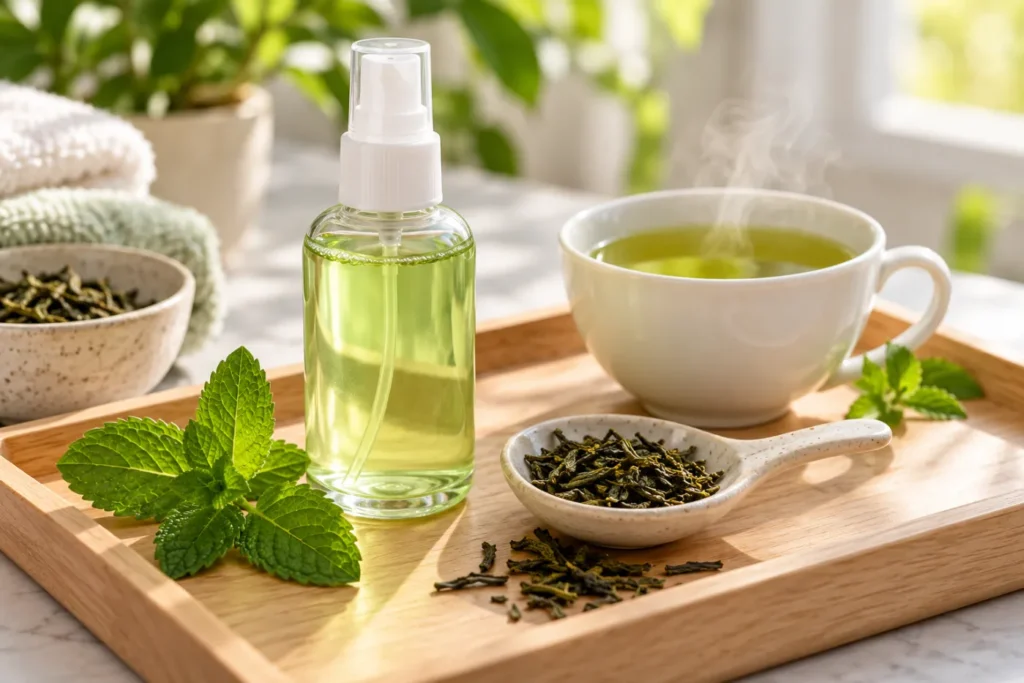
Brew a cup of plain green tea, let it cool completely, and store it in a clean spray bottle in the fridge. A light mist after cleansing feels cool on warm, inflamed skin. Green tea contains polyphenols, plant compounds studied for their calming properties, which is why it shows up in many skin care labels.
Use it within about three days, since homemade toners have no preservatives and can grow bacteria. Many people skip this step and keep a batch for two weeks. That is the mistake to avoid. Make small amounts, more often.
4. Use Aloe Vera Gel to Calm Irritated Skin
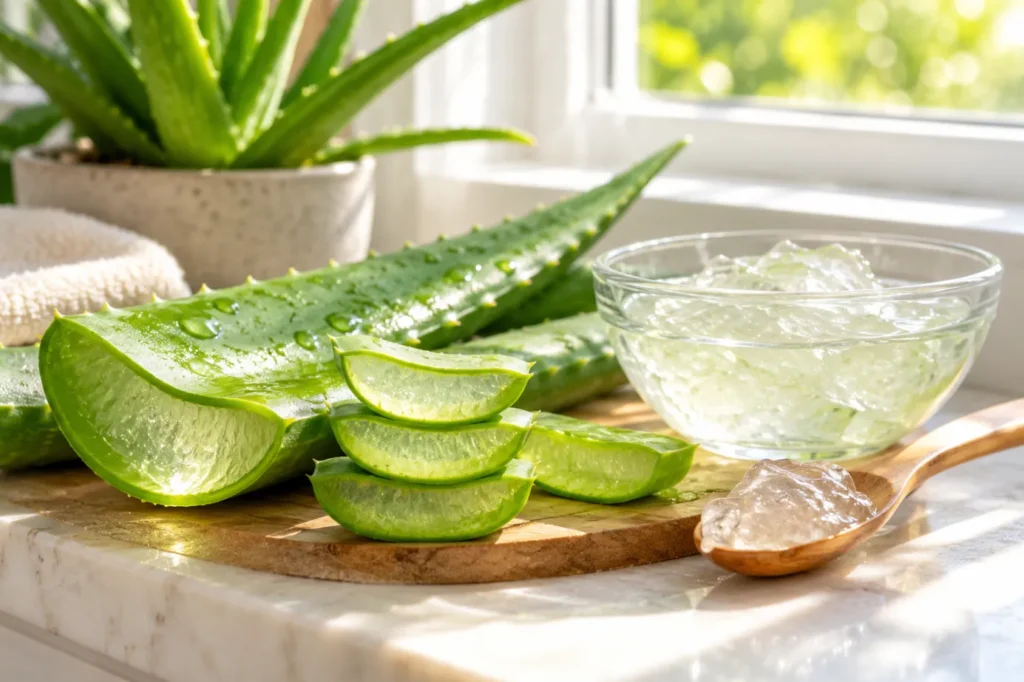
Aloe is the friend you call when your face feels hot and sore after a breakout or a drying treatment. Pure aloe gel feels light and cool, and it adds moisture without leaving a greasy film. Smooth a thin layer over clean skin, especially on the cheeks and jawline.
Check the ingredient list. Many bright green bottles contain added alcohol and fragrance, which can irritate acne-prone skin. Look for a gel with aloe as the first ingredient and very few extras. Fresh gel scraped from a plant leaf is another budget-friendly choice for anyone with a plant on the windowsill.
Works best for: sensitive skin, rental-bathroom budgets, and post-sun redness.
5. Swap Your Pillowcase More Often Than You Think
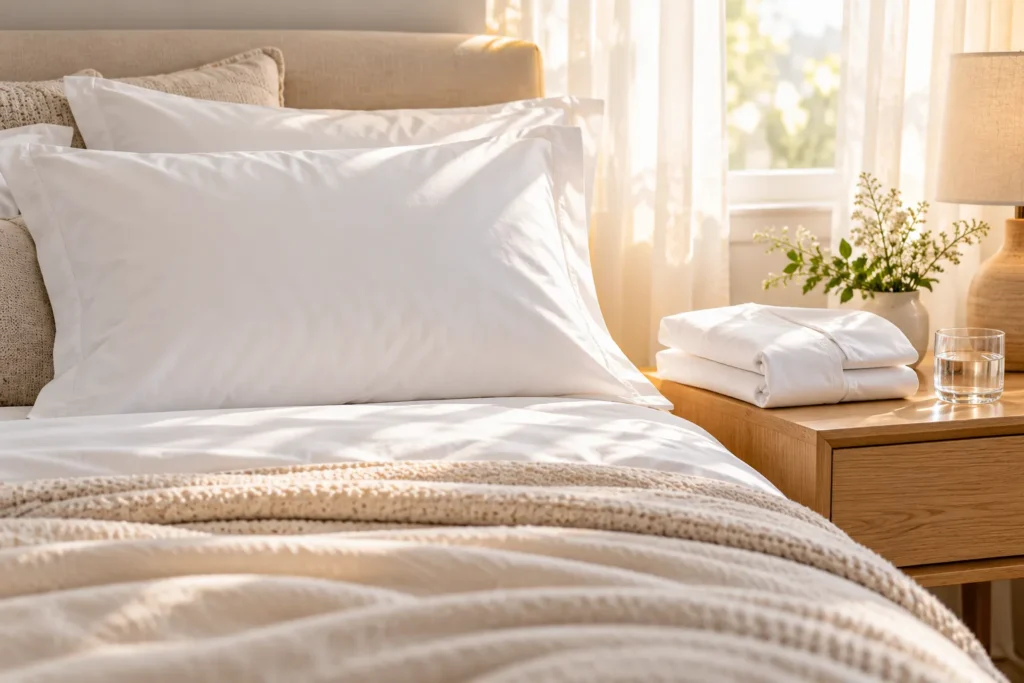
Your pillowcase quietly collects oil, hair products, and sweat for hours every night. Change it twice a week, and picture yourself laying your cheek on something crisp and clean instead of something that has been there since last Sunday. Soft cotton or silk both work, as long as you wash them regularly.
Wash with a fragrance-free detergent, since strong scents can bother reactive skin. This is the habit most people overlook, because it costs nothing and does not feel like skin care at all. If you sleep with your phone near your face, wipe the screen too.
6. Choose a Lightweight Moisturizer, Even When You Are Oily
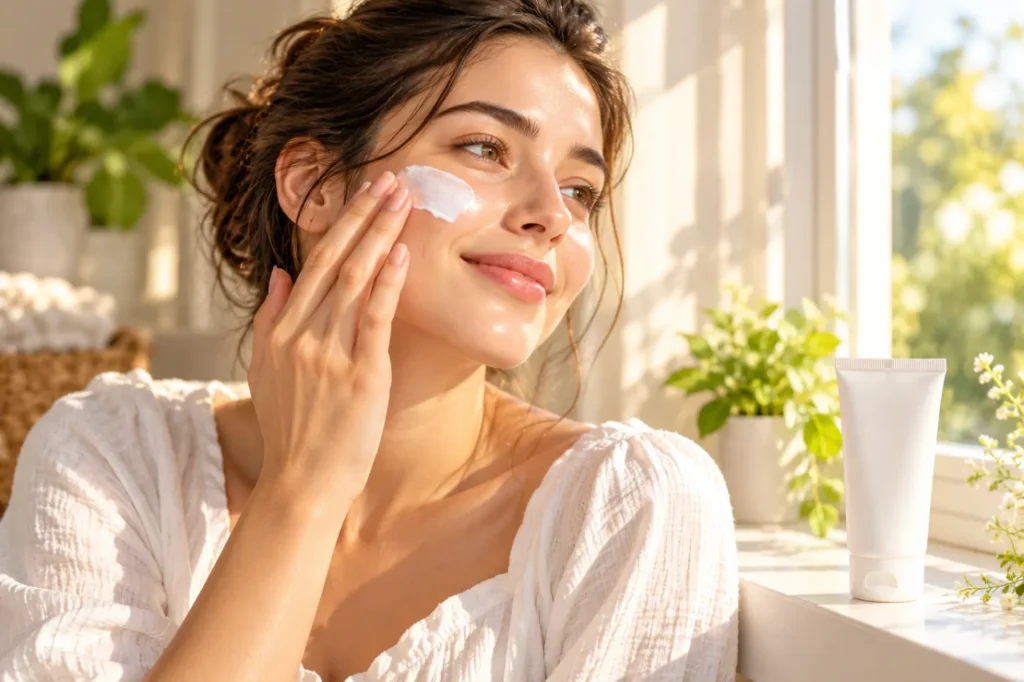
Skipping moisturizer feels logical when your face shines by noon, but dehydrated skin often makes extra oil to compensate. Pick a lightweight, oil-free gel or lotion labeled non-comedogenic, which means it is made not to clog pores. Apply a pea-sized amount after cleansing while your skin is still slightly damp.
Think of moisture as the thing that lets your skin feel balanced instead of stressed. Many drugstore options sit between 8 and 15 dollars, so you do not need a luxury jar for this step.

7. Protect Your Skin With a Daily Sunscreen
Sun exposure can leave dark marks behind after a pimple heals, and those marks linger far longer than the blemish itself. A broad-spectrum sunscreen, SPF 30 or higher, keeps them from deepening. Mineral formulas with zinc oxide tend to feel gentler on sensitive, breakout-prone faces.
Apply it as the last step of your morning routine, about two finger-lengths for face and neck. The common slip is skipping it on cloudy days. Ultraviolet rays still reach you, so make it as automatic as brushing your teeth.
8. Rethink What Is on Your Plate
Food is not the only cause of breakouts, but many people notice their skin looks calmer when meals are built around whole foods. Try a plate with colorful vegetables, berries, nuts, and fish or beans. Some research links high-sugar, high-glycemic eating with more breakouts in certain people, though results vary from person to person.
Instead of cutting everything at once, change one thing for two weeks, like swapping a sugary afternoon drink for water or unsweetened tea. Keep a quick note on your phone so you can spot patterns. A small change you can keep beats a strict plan that lasts three days.

9. Keep Your Hands Off, Even When It Is Tempting
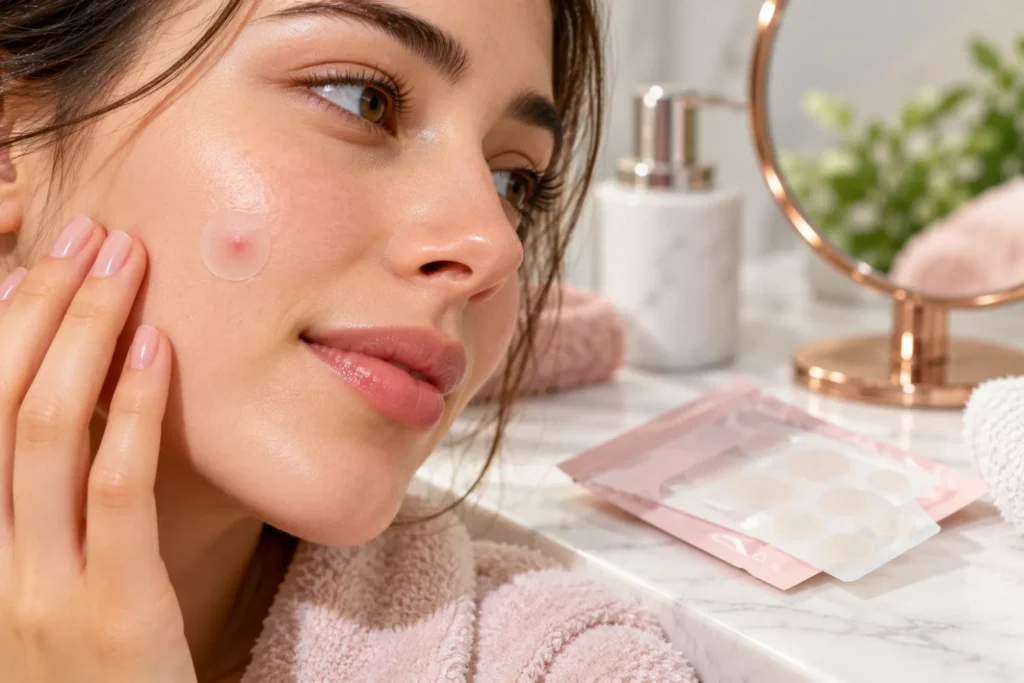
Picking turns a small pimple into a bigger, redder one and raises the chance of lasting marks. Instead, place a small hydrocolloid patch over the spot at night. It sits flat, absorbs fluid, and creates a physical barrier between your fingers and your skin. A pack of 20 patches usually costs under 10 dollars.
Wash your hands before touching your face, and clean your phone and makeup brushes weekly. These tiny habits cut down on the bacteria and oil you spread without noticing.
Bookmark this tip for those mornings when a spot feels impossible to ignore.
10. Manage Stress and Sleep Like They Are Part of Your Routine
Late nights and stress seem unrelated to your face, yet many people see more breakouts during busy, tired weeks. Aim for 7 to 9 hours of sleep and build in a five-minute wind-down, such as stretching, journaling, or a slow cup of herbal tea. Picture your evening ending quietly, phone down, lights low.
This will not replace a good routine, but it supports it. Skin repairs itself while you rest, so protecting your sleep is real skin care, not an extra.

A Quick Note on Persistent Acne
Natural care works well for mild breakouts. If your acne is painful, deep, scarring, or not improving after six to eight weeks, a dermatologist can offer treatments home remedies cannot. Asking for help is not failing. It is a smart next step.
Conclusion
Clear skin rarely comes from one miracle product. It grows from small, kind habits repeated on ordinary days, like washing gently, changing the pillowcase, and drinking the extra glass of water. Those mornings of dreading the mirror can slowly turn into mornings of feeling comfortable in your skin. Choose just one tip from this list and try it this week, then come back and pin the article so your next idea is easy to find.
6. Image Alt Text Suggestions
- Woman rinsing her face at a bathroom sink with a gentle cleanser for natural acne care
- Raw honey dripping from a wooden dipper into a glass jar as a natural acne spot treatment
- Glass spray bottle of homemade green tea toner beside a cup of green tea for acne-prone skin
- Fresh aloe vera leaf with clear gel on a windowsill for calming acne irritation
- Fresh white pillowcase on a made bed to support acne care and clear skin
- Lightweight gel moisturizer on a fingertip for oily, acne-prone skin
- Woman applying mineral sunscreen on her cheek as part of a daily acne care routine
- Bowl of berries, salmon salad, and water glass representing healthy eating for clearer skin
- Hydrocolloid pimple patch on a cheek to protect a blemish and stop picking
- Cozy bedroom with journal and herbal tea for sleep and stress support for healthy skin
7. FAQ Section
Can acne be treated naturally?
Mild breakouts often respond well to gentle habits like consistent cleansing, moisturizing, sunscreen, and sleep. Moderate or severe acne usually needs a dermatologist’s help, so do not wait too long if it is not improving.
What is the best natural remedy for acne?
There is no single best option for everyone. Raw honey, aloe vera, and cooled green tea are popular gentle choices, but always patch test first.
How long does acne care take to work?
Most routines need six to eight weeks before you can judge results. Skin renews itself slowly, so give each change time before switching things up.
Does drinking water clear acne?
Water supports overall skin comfort, but it will not clear acne on its own. Think of it as one helpful habit alongside cleansing and moisturizing.
Are home remedies like lemon juice and toothpaste safe for pimples?
Lemon juice and toothpaste can burn and irritate skin, so they are best avoided. Gentler options like honey, aloe, or a pimple patch are safer choices.
Should I moisturize if my skin is oily and breaking out?
Yes. A lightweight, oil-free moisturizer helps keep your skin barrier balanced, which can reduce the cycle of dryness and extra oil.
Want me to create the feature image and the detailed image prompts with alt tags for this article next?


