

10 Sunscreen Ads Every Beauty Fan Will Love
Scroll through Pinterest for five minutes and you will probably run into at least one sunscreen ad that stops you mid swipe. Maybe it is the dewy skin, the honest before and after, or the way the product just looks so good sitting on a marble counter. If you have ever wondered why some sunscreen ads feel impossible to scroll past while others get ignored, you are not alone. This list breaks down the sunscreen ad styles that beauty fans genuinely love, and why each one works so well.
By the end, you will know exactly what makes these ads so saveable, and you can even borrow a few ideas for your own skin care content or shopping list.
1. The Glass Skin Close Up
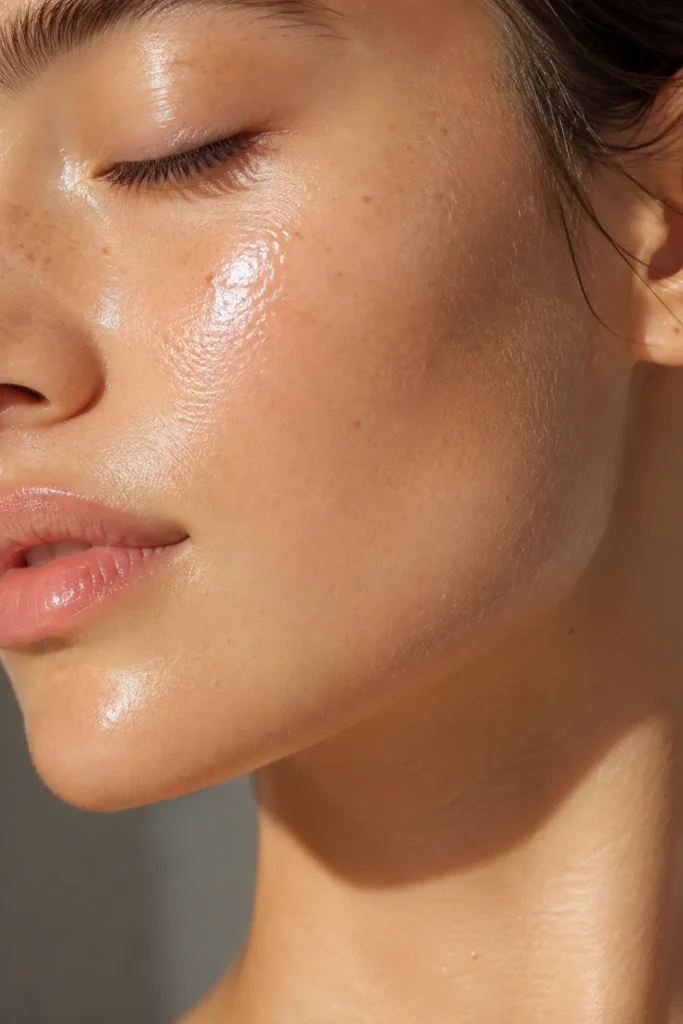
This style zooms in tight on bare, glowing skin with sunscreen already blended in, showing that dewy, almost translucent finish people call glass skin. It works because it sets a clear expectation. You can practically feel the smooth texture just by looking at it.
The best version of this ad avoids heavy filters. Instead it uses natural light, often near a window, so the glow looks like something you could actually achieve at home with the right formula and a light hand during application.
2. The Honest Before and After
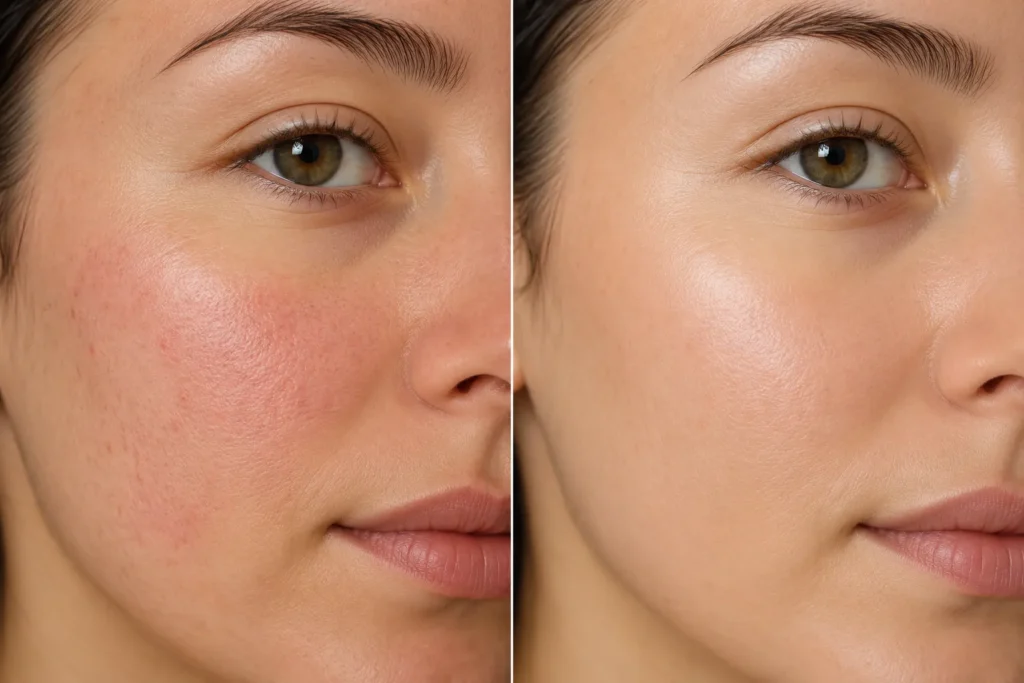
Nothing builds trust faster than an ad that shows real texture, real redness, or real sun damage before the product, then the calmer, more even skin after consistent use. Beauty fans love this style because it feels less like a sales pitch and more like proof.
A common mistake brands make here is over editing the after photo until it looks unrealistic. The fix is simple. Keep the lighting and angle identical in both shots, and let the skin improvement speak for itself instead of relying on filters to fake the result.
3. The Beach Bag Flat Lay
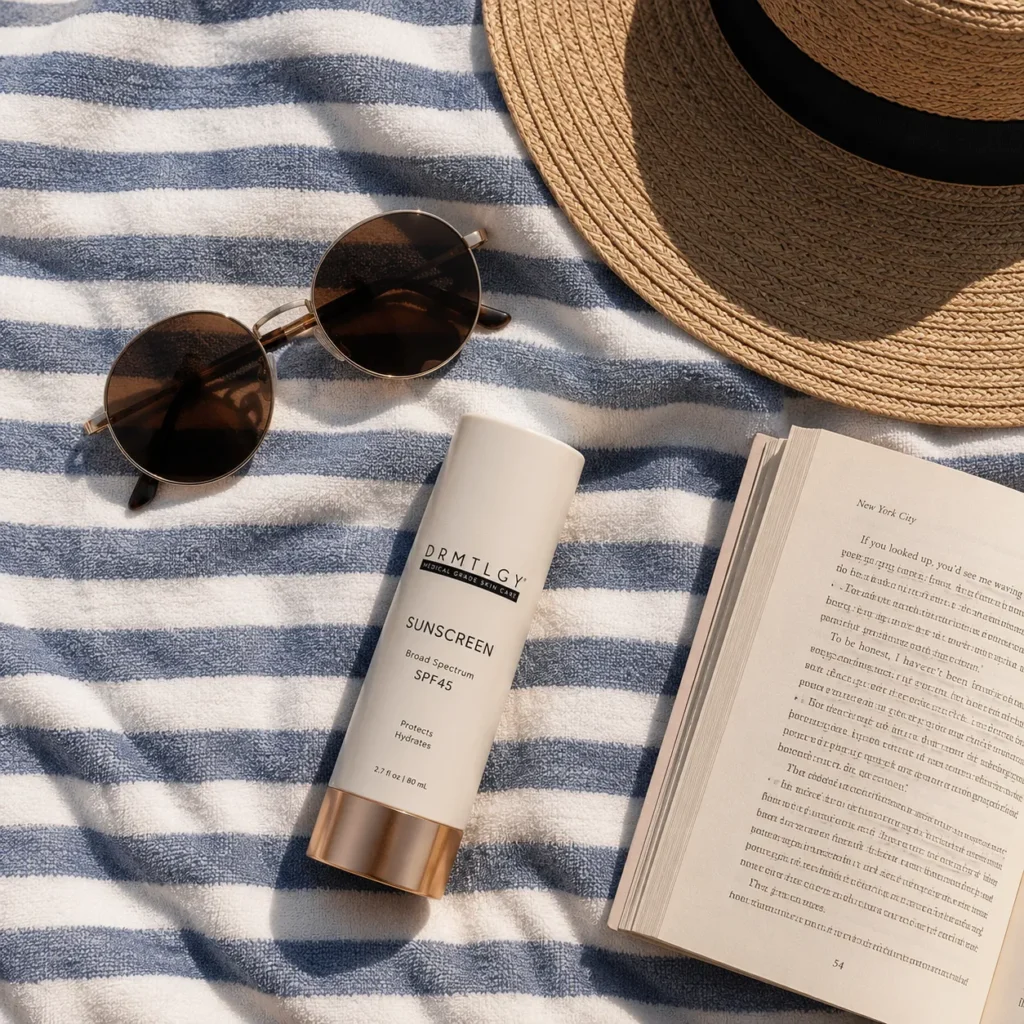
This ad style lays sunscreen out next to sunglasses, a straw hat, and a paperback book on a striped towel. It works so well because it sells a feeling, not just a product. The reader pictures their own summer day, not just a bottle of SPF.
This idea works best for readers packing for a beach trip or a pool day on a budget, since most of the props are things people already own. Swap in a tote bag and flip flops if a full beach setup is not available.
[INTERNAL LINK OPPORTUNITY: easy sun protection steps for daily skincare]
4. The Ingredient Spotlight
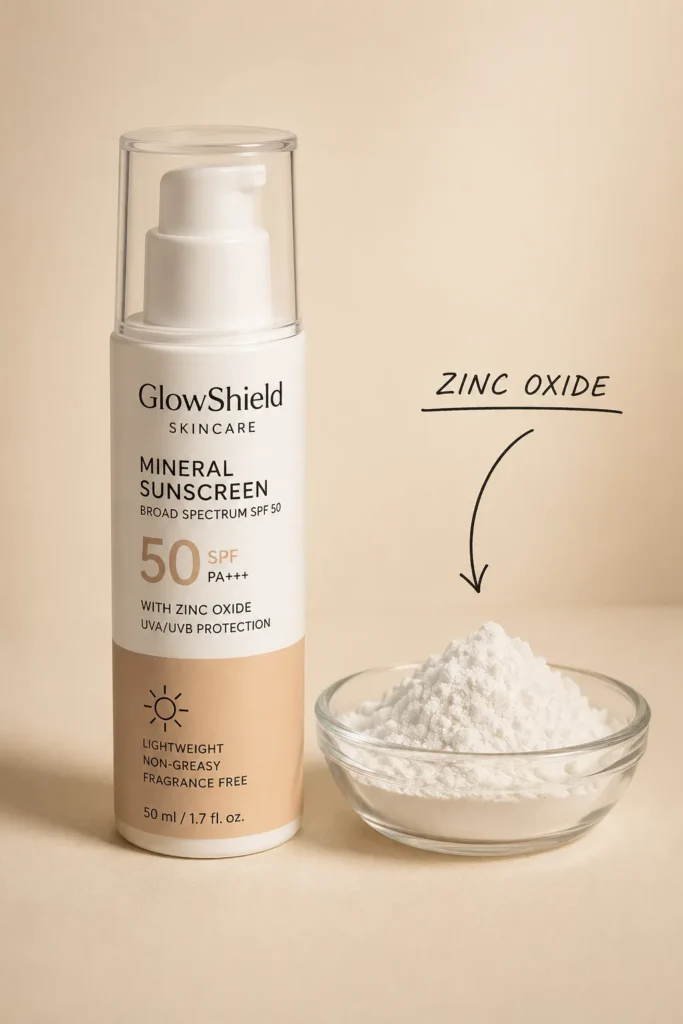
Some of the most saved sunscreen ads focus on a single hero ingredient, like zinc oxide or niacinamide, shown next to the raw material or a simple illustration. This works because it educates the reader while it sells, which builds real trust.
The key here is explaining why the ingredient matters in plain language. A line like “zinc oxide sits on top of skin and physically blocks rays” tells the reader something useful instead of just naming a chemical they do not understand.
5. The Everyday Routine Shot
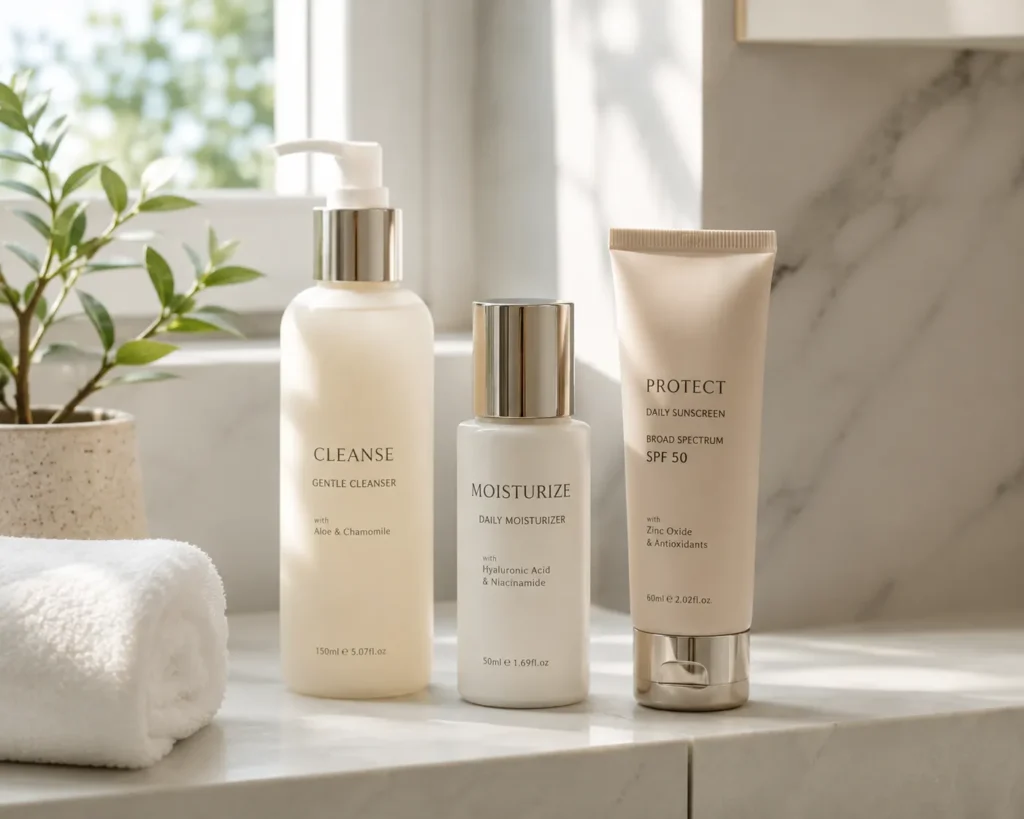
This style shows sunscreen as the last step in a simple morning routine, sitting next to a cleanser and moisturizer on a bathroom shelf. It works because it normalizes SPF as a daily habit instead of something only for beach days.
Most people overlook how much this kind of ad quietly fixes a common mistake, which is skipping sunscreen on cloudy or indoor days. Showing it as step three or four in a routine reminds the reader it belongs in the routine every single morning, not just in summer.
6. The Texture Swatch
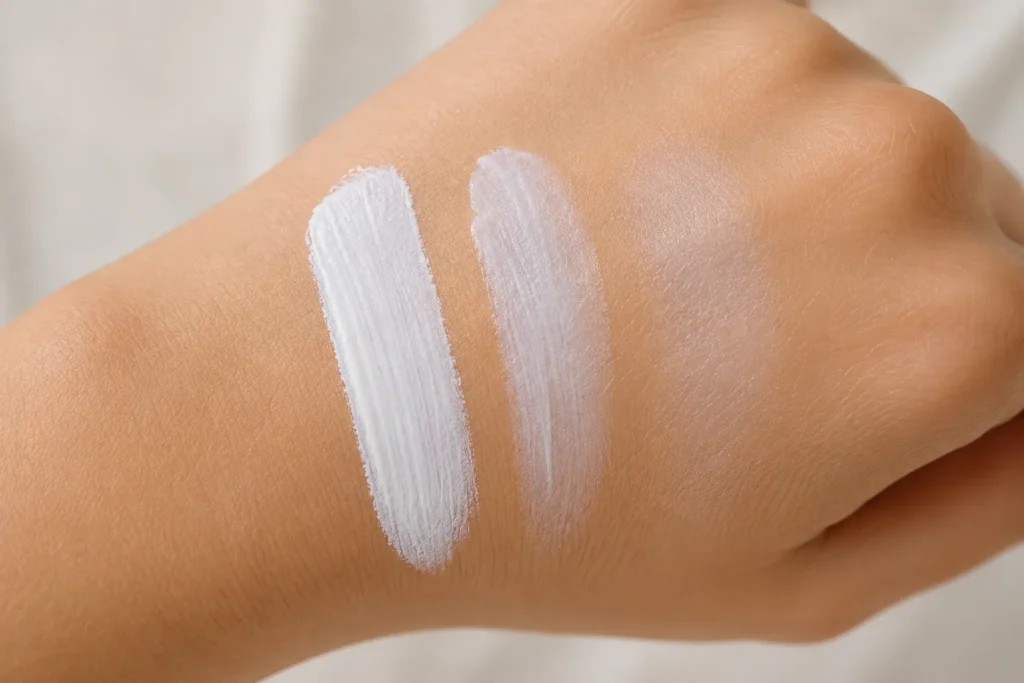
A close up shot of the sunscreen swatched on the back of a hand, showing how it blends from a white cast into an invisible finish, is one of the most saved ad formats out there. Beauty fans want proof a formula will not leave a chalky residue before they buy it.
This is especially useful for readers with deeper skin tones who have been burned before by sunscreens that leave a gray or purple cast. A good texture swatch ad shows the full blend out process, not just the first swipe.
7. The Travel Size Lineup
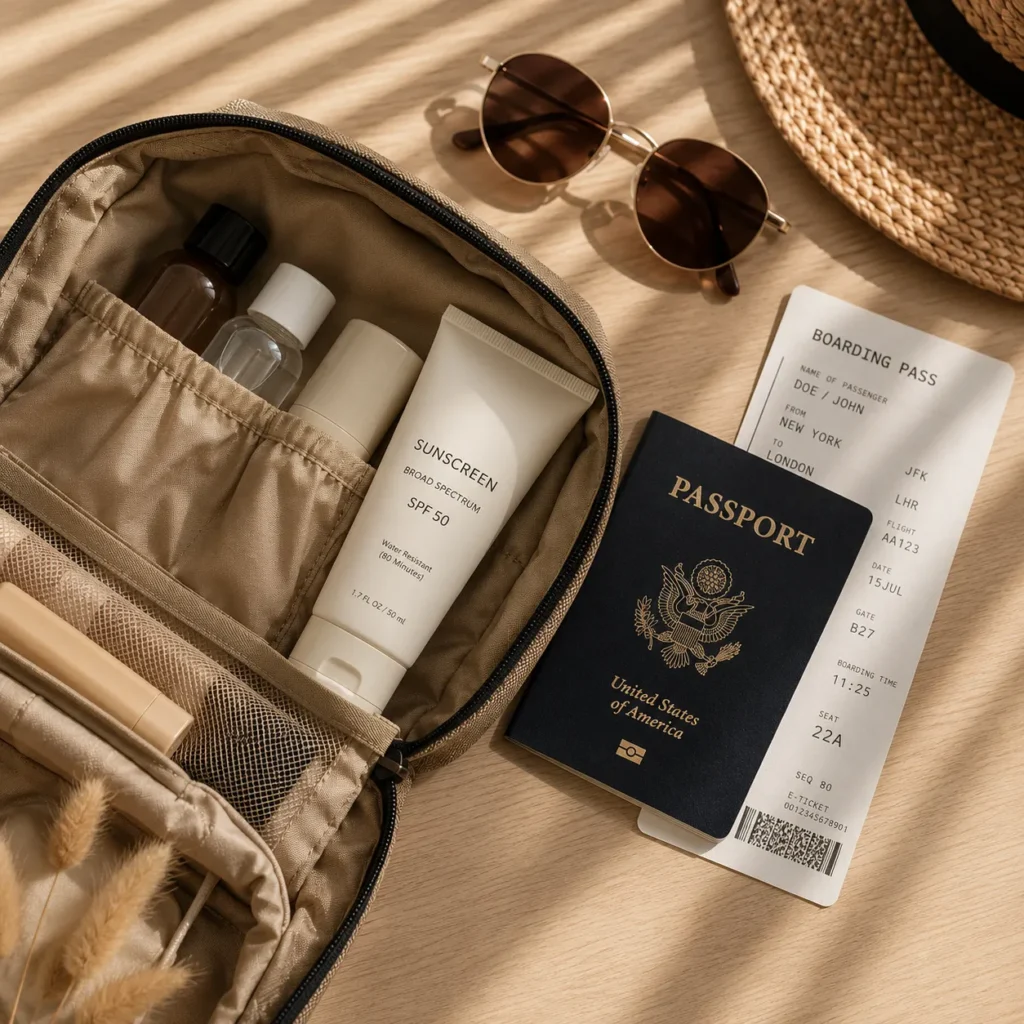
This style lines up mini sunscreen bottles next to a passport, a boarding pass, and a small toiletry bag. It taps into the very specific stress of packing skin care for a flight, and it works because it solves a real problem in one glance.
This idea works especially well for readers planning a carry on only trip, since it shows the product fits airline liquid rules without the reader needing to search that separately.
8. The Family Application Moment
Ads showing a parent applying sunscreen to a child’s shoulder, or two people applying it to each other’s backs, tend to get saved because they feel warm and real instead of staged. This taps into an emotional use case, not just a practical one.
A save worthy detail here is showing the product actually being rubbed in, not just held up for the camera. That small bit of realism is often what makes the difference between an ad that gets scrolled past and one that gets saved for later.

9. The Minimalist Product Shot
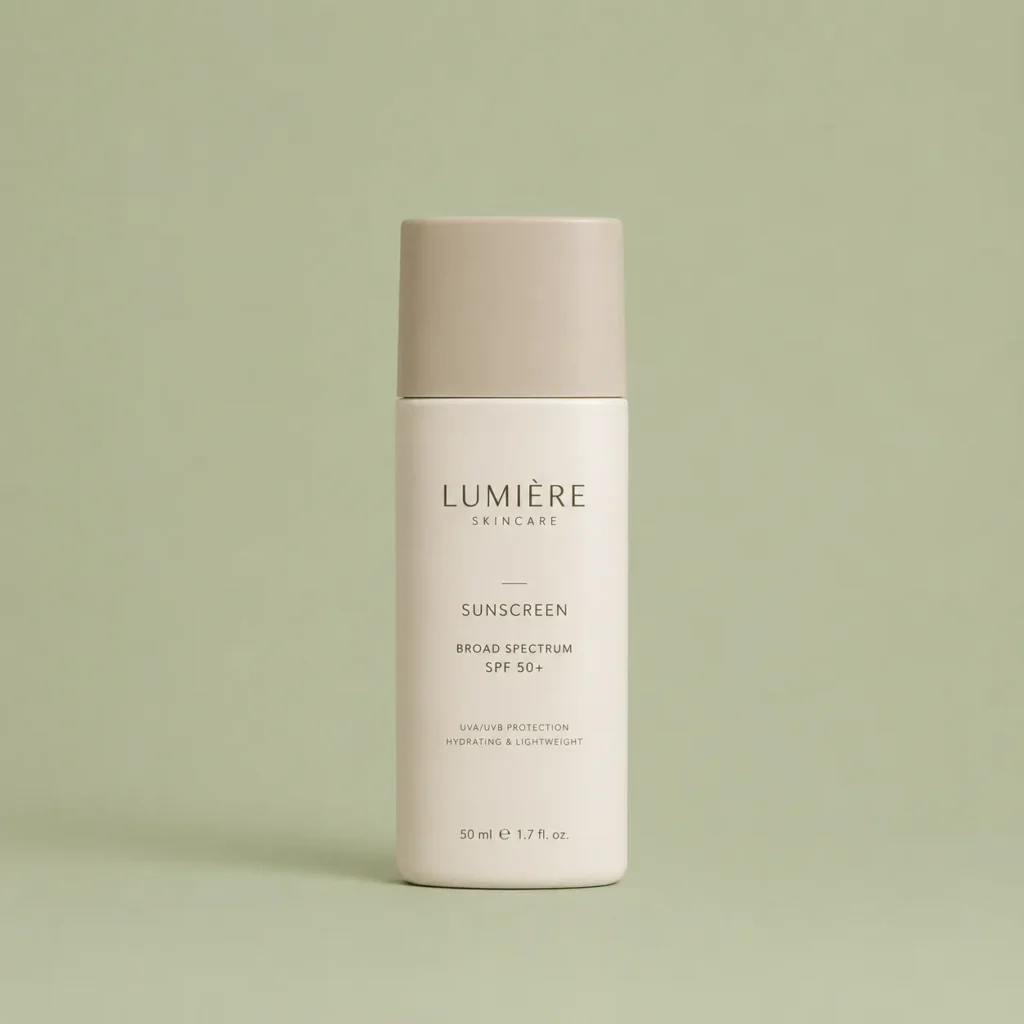
Sometimes the simplest ad wins. A single sunscreen bottle centered on a plain, softly colored background with clean typography can outperform busier, more staged photos because it puts the product front and center with zero distraction.
This style works especially well for readers who are drawn to a clean, editorial aesthetic on their own Pinterest boards. The trick is choosing a background color that complements the bottle instead of competing with it, like a warm terracotta or soft sage.
10. The Reapplication Reminder
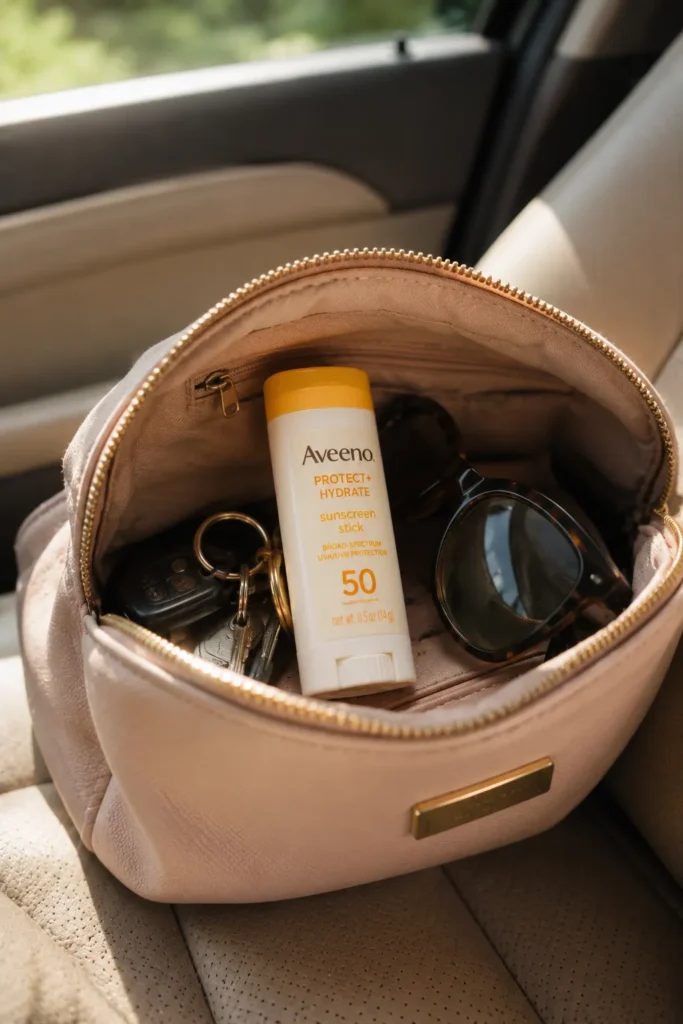
This ad style shows a small stick or spray sunscreen tucked into a purse, gym bag, or car cup holder, reminding the reader that sunscreen needs to be reapplied every couple of hours, not just applied once in the morning. It fixes a mistake almost everyone makes.
[INTERNAL LINK OPPORTUNITY: after sun mistakes that can harm your skin]
The reason this format gets saved so often is that it answers a question a lot of people are embarrassed to ask, which is how to actually remember to reapply during a busy day. Showing the product in a bag or car makes the habit feel realistic instead of aspirational.
Final Thoughts
The sunscreen ads that stick with us are not always the flashiest ones. They are the ones that feel honest, useful, or just genuinely pretty enough to want to look at twice. If you have been putting off finding a sunscreen that actually fits your routine, let one of these ideas be your nudge to finally try something new this week. Save this list, come back to it when you are shopping, and let it guide you toward a sunscreen you will actually enjoy using every single day.
Image Alt Text Suggestions
- Close up of dewy sunscreen coated skin showing a natural glass skin glow in soft window light
- Before and after photo comparison of skin texture with consistent sunscreen use
- Overhead beach flat lay with sunscreen bottle, sunglasses, straw hat, and striped towel
- Sunscreen bottle next to zinc oxide powder with simple ingredient spotlight labeling
- Bathroom shelf skin care routine with cleanser, moisturizer, and sunscreen in order
- Hand swatch showing sunscreen blending from white cast to an invisible finish
- Open toiletry bag with travel size sunscreen next to a passport and boarding pass
- Parent applying sunscreen to a child’s shoulder outdoors in warm natural light
- Minimalist sunscreen bottle centered on a soft sage green background
- Stick sunscreen tucked into an open purse with keys and sunglasses on a car seat
FAQ Section
What makes a sunscreen ad actually effective? The most effective sunscreen ads combine a clear visual promise, like a glowing finish or an invisible blend, with honesty about texture and results. Ads that overpromise with heavy filters tend to lose trust quickly.
Why do before and after sunscreen photos work so well? They give the viewer proof instead of just a claim. Consistent lighting and angles between the two photos make the comparison feel credible rather than staged.
How can I use sunscreen ad ideas for my own Pinterest photos? Try recreating a simple flat lay with your sunscreen and a few everyday items like sunglasses or a book, or do a quick texture swatch on your hand in natural light. Both are easy to shoot with just a phone camera.
Why do minimalist sunscreen ads perform better on Pinterest? Clean, simple product shots are easy to scan quickly while scrolling, and they stand out against busier, more cluttered pins. A calm background lets the product itself be the focus.
How often should sunscreen actually be reapplied based on these ad reminders? Most dermatologists recommend reapplying sunscreen every two hours when outdoors, and immediately after swimming or heavy sweating. Keeping a travel size stick or spray in a bag makes this much easier to remember.
What is the white cast problem shown in texture swatch ads? Some mineral sunscreens leave a visible white or gray tint on the skin, especially on deeper skin tones. Texture swatch ads help shoppers see how a formula blends before they buy it, avoiding an unpleasant surprise at home.


