

12 Sensitive Skin Care Steps for a Fresh Glow
If you have ever bought a product because everyone online loved it, only to watch your face turn red and blotchy an hour later, you already know how frustrating sensitive skin can be. It feels like your skin has a mind of its own, reacting to things that seem totally harmless for everyone else. You are not doing anything wrong. Sensitive skin just needs a different approach, one built on gentleness instead of trends. This article walks you through 12 simple, tested steps to calm your skin, protect its barrier, and bring back that fresh, even glow.
1. Start With a Patch Test Every Single Time
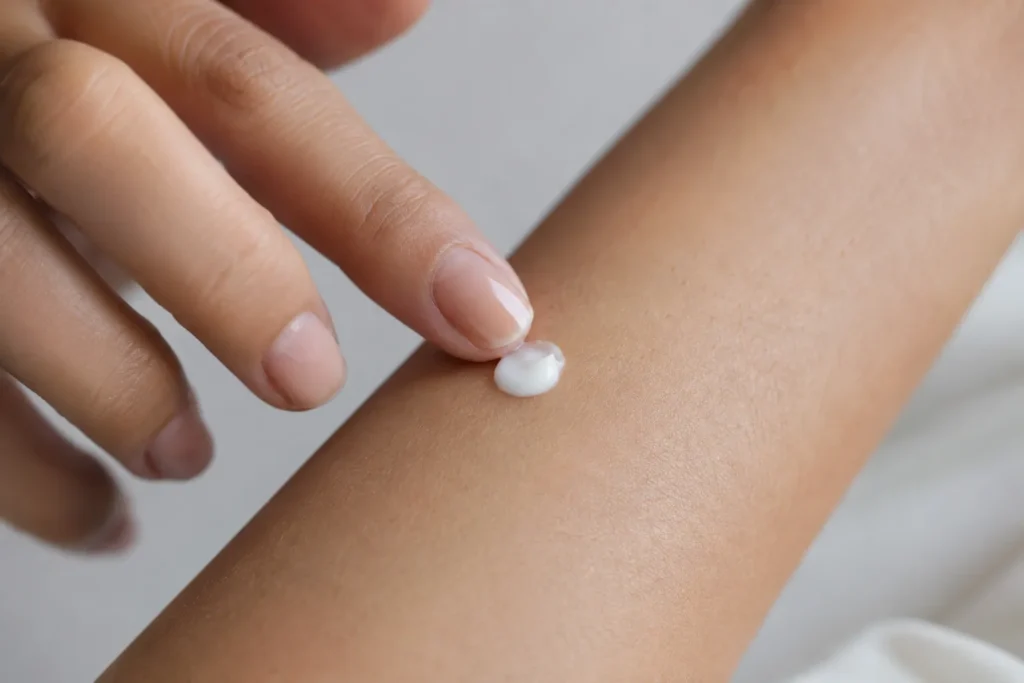
Before any new product touches your face, put a small amount on your inner arm or behind your ear and wait 24 to 48 hours. This one habit prevents most of the surprise breakouts and burning that sensitive skin deals with.
A lot of people skip this step because they are excited about a new serum, then end up dealing with redness for a week. Testing on a small patch of skin first means you catch a bad reaction before it spreads across your whole face. This matters most with active ingredients like vitamin C, retinol, or anything with fragrance added.
2. Simplify Your Routine to Five Products or Fewer
More products does not mean better skin, especially when your skin reacts easily. A cleanser, a hydrating toner or essence, a moisturizer, sunscreen, and one treatment product is plenty for most sensitive skin types.
Think about a rental apartment sized bathroom shelf packed with ten half used bottles. That is what an overloaded routine looks like on your face too, layers of ingredients competing and confusing your skin barrier. When you strip things back to the basics, your skin gets the chance to settle down and show you what it actually needs. Add new products one at a time, not all at once.

[INTERNAL LINK OPPORTUNITY: minimalist skincare routine for beginners]
3. Choose a Fragrance Free Cleanser That Does Not Foam Aggressively
Foaming cleansers often contain sulfates that strip your skin’s natural oils, which leaves sensitive skin tight, dry, and more reactive. Look for a cream or gel cleanser labeled fragrance free, not just unscented, since unscented products can still contain masking fragrance.
A common mistake is grabbing whatever cleanser smells the nicest at the store. That pleasant scent is often the exact thing irritating your skin without you realizing it. Switch to a fragrance free formula and give it two weeks before judging results, since your skin needs time to recover from any previous stripping.
4. Wash With Lukewarm Water, Never Hot
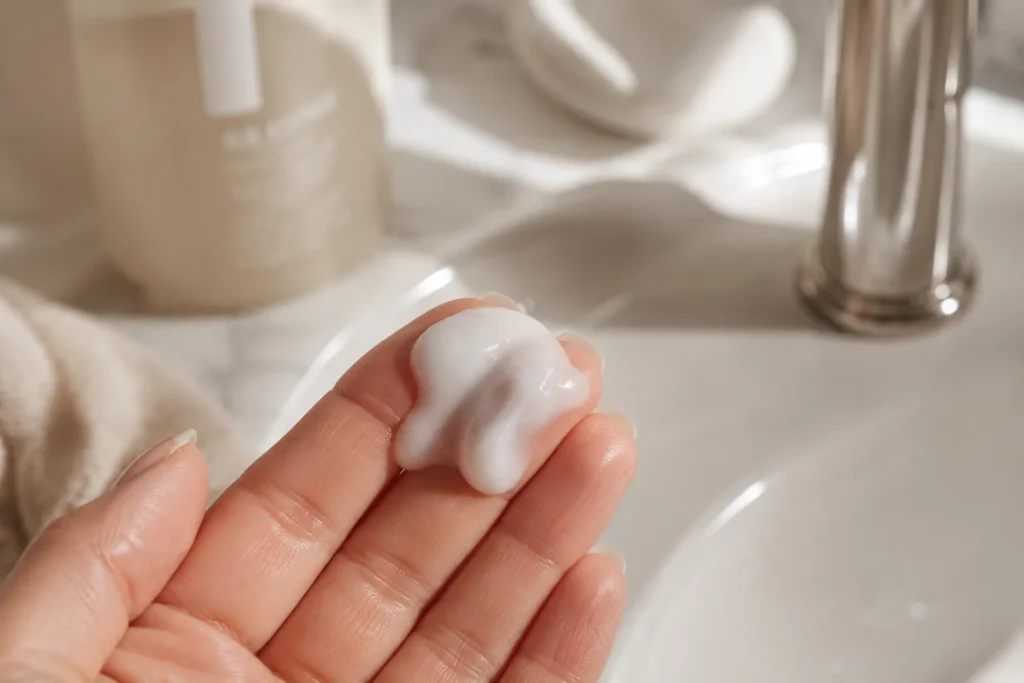
Hot water feels relaxing, especially in the shower, but it breaks down the natural oils that keep your skin barrier intact. Lukewarm water cleans just as well without stripping your face raw.
Picture stepping out of a hot shower with your cheeks bright red and tight, even before you have touched a single product. That reaction is your skin barrier crying out for help. Rinsing with lukewarm water instead, especially on your face, keeps that barrier calm and ready to hold onto moisture.

5. Apply a Barrier Repairing Moisturizer With Ceramides
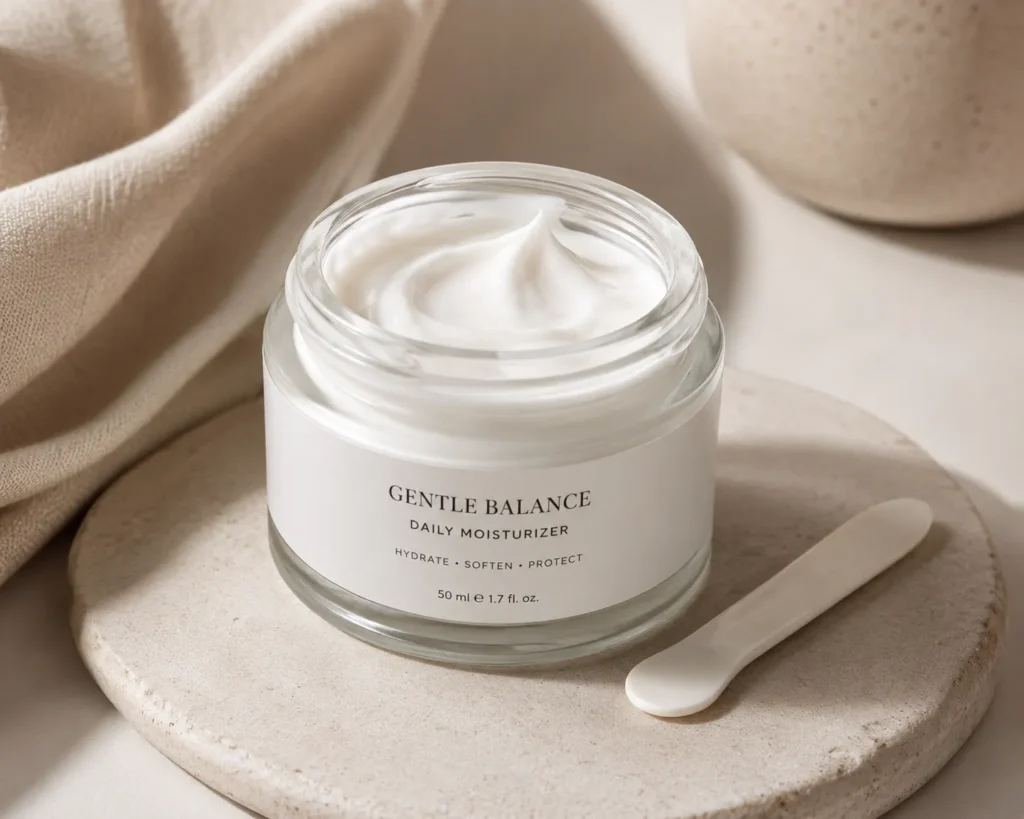
Ceramides are fats that naturally exist in your skin and hold everything together like mortar between bricks. Sensitive skin often has a damaged barrier, so a moisturizer with ceramides helps rebuild that protective layer over time.
Look for ingredients like ceramide NP, ceramide AP, or simply the word ceramide complex on the label. A jar in the fifteen to thirty dollar range from most drugstores usually includes enough of these ingredients to make a real difference within a few weeks. This is one of those quiet steps that will not show instant results, but your skin will thank you a month from now.
6. Introduce Actives Slowly and One at a Time
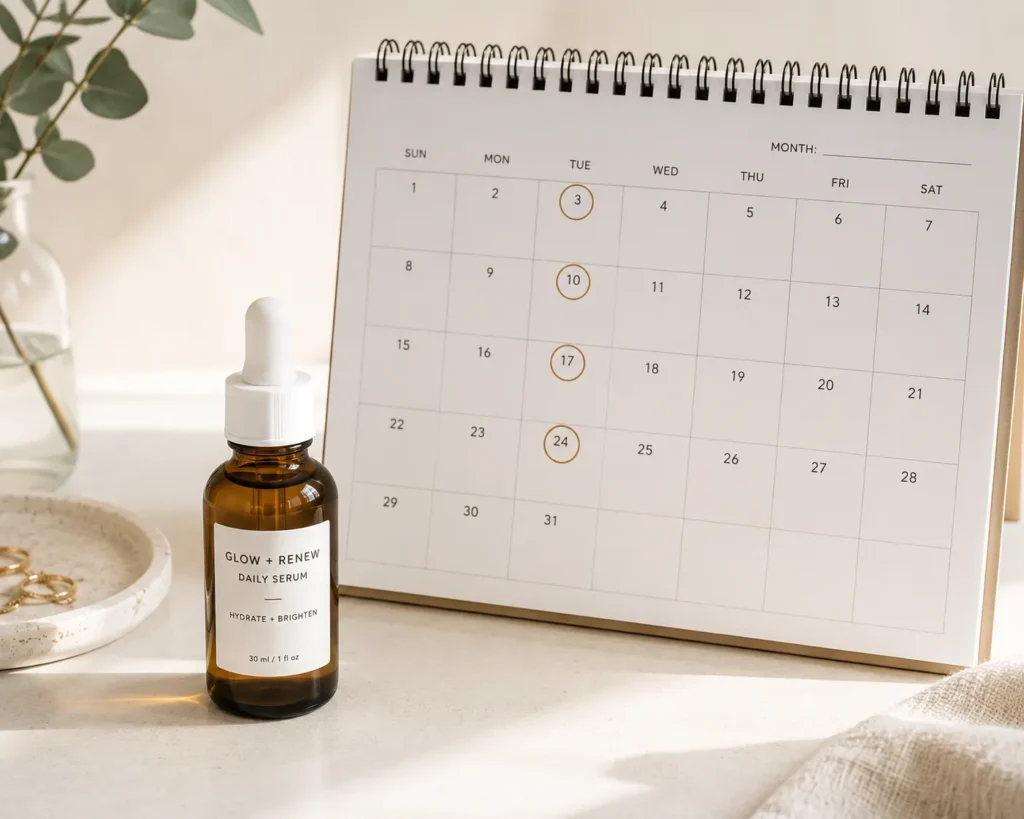
Ingredients like retinol, vitamin C, and exfoliating acids can absolutely help sensitive skin, but only when introduced carefully. Start with the lowest strength, use it twice a week, and wait at least two weeks before adding anything else new.
Most people get excited and layer three new actives in the same week, then cannot figure out which one caused the reaction when their face flares up. Slowing down means you actually learn what your skin tolerates, which saves you money and frustration later. Think of it as building trust with your skin one step at a time.
7. Never Skip Sunscreen, Even on Cloudy Days
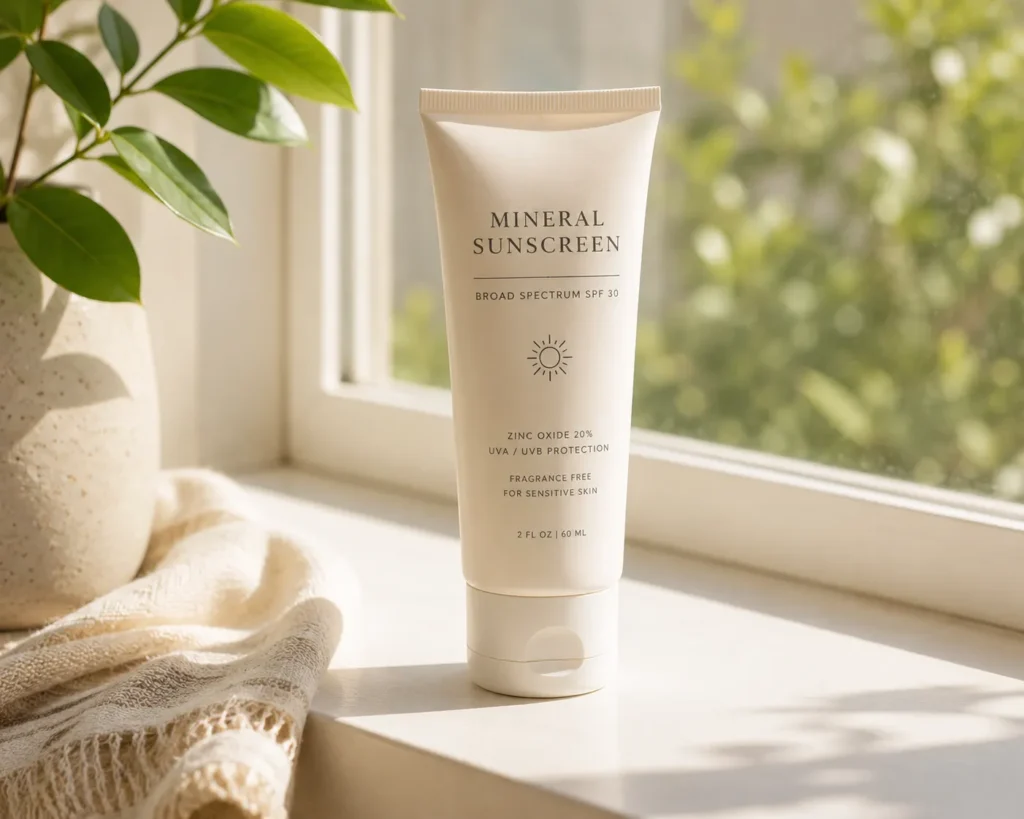
Sensitive skin is often more prone to sun damage because the barrier is already weaker. A mineral sunscreen with zinc oxide or titanium dioxide tends to sit better on reactive skin than chemical formulas, which can sometimes sting.
If you live somewhere cloudy most of the year, it is easy to assume sunscreen is optional. UV rays pass through clouds just fine, which is why consistent daily protection matters no matter the weather outside your window. Apply a broad spectrum SPF 30 or higher every single morning as the last step in your routine.
[INTERNAL LINK OPPORTUNITY: best mineral sunscreens for reactive skin]
8. Use a Cool Compress When Redness Flares Up
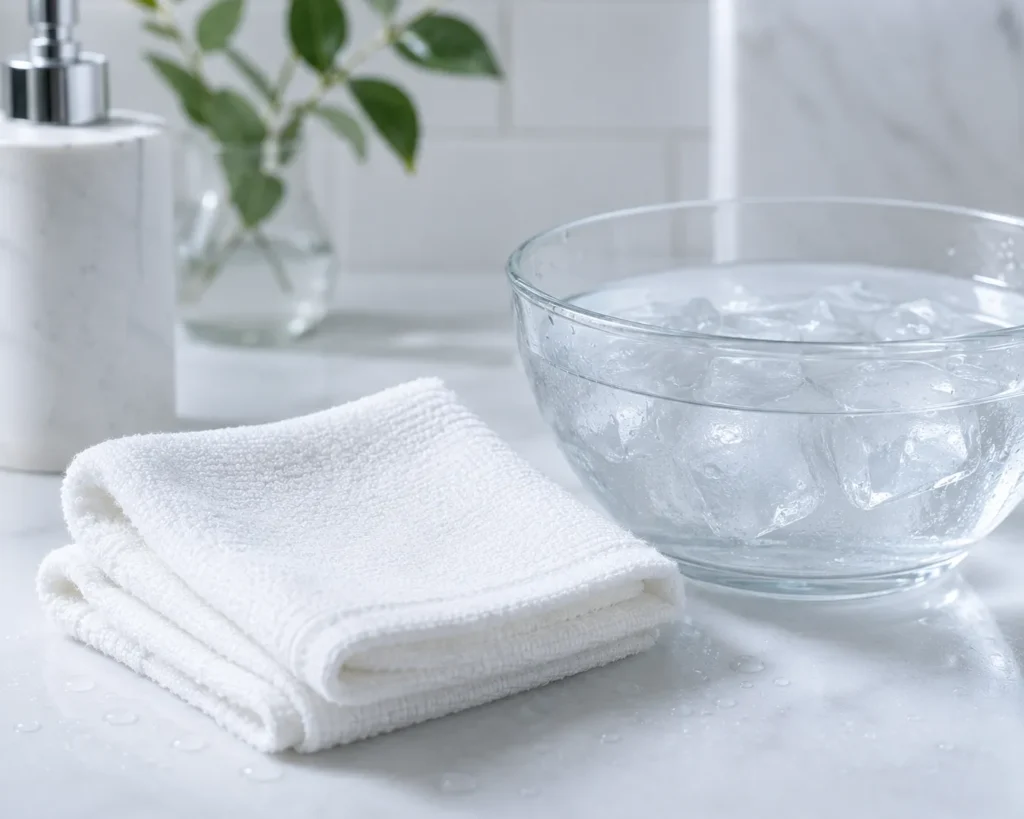
When your skin suddenly turns red or starts stinging, a cool damp cloth held against the area for a few minutes can bring down inflammation fast. This works well after accidental irritation from a new product or a windy day outside.
Keep a soft cotton cloth in the fridge for moments like this. It is a small thing, but having it ready means you are not scrambling when your skin reacts unexpectedly. This trick works especially well for anyone who deals with occasional rosacea flare ups or wind burn during colder months.
9. Avoid Physical Scrubs With Rough Particles
Scrubs with crushed nut shells, sugar, or coarse beads create tiny tears in sensitive skin that you cannot always see right away. These micro tears let irritants in and moisture out, which leads to more redness over time, not less.
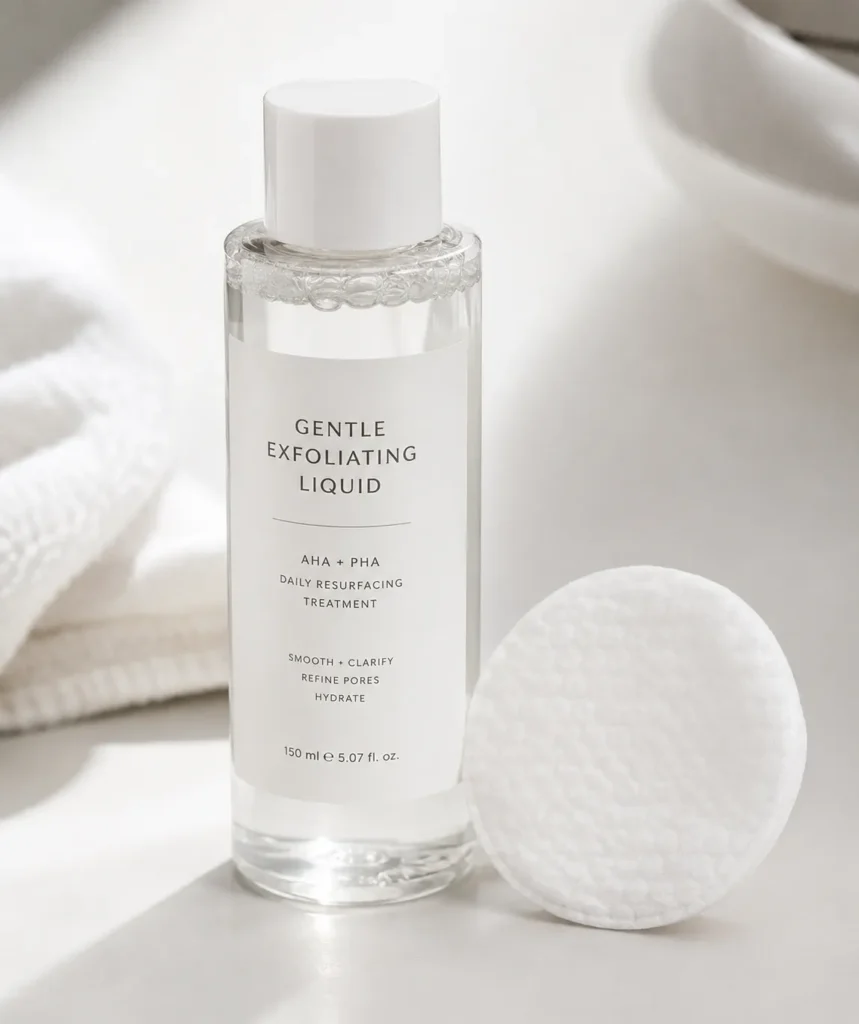
If you want to exfoliate, a gentle chemical exfoliant with a low percentage of lactic acid or PHA is a much softer option. Use it once a week at most, and always follow with a rich moisturizer. Skip anything that promises a deep scrub or intense polish, since those words are a sign the product is too harsh for reactive skin.
10. Sleep on a Clean, Breathable Pillowcase
Pillowcases collect oil, bacteria, and old skincare residue night after night, which can quietly irritate sensitive skin without you connecting the dots. Switching to a clean pillowcase twice a week and choosing breathable cotton or silk makes a noticeable difference.
This is one of those overlooked details that people forget to mention when talking about skincare routines. You can use every gentle product available and still wake up with irritation if your pillowcase is working against you. It costs nothing extra, just a small shift in your laundry habits.

11. Keep a Simple Skin Diary for Two Weeks
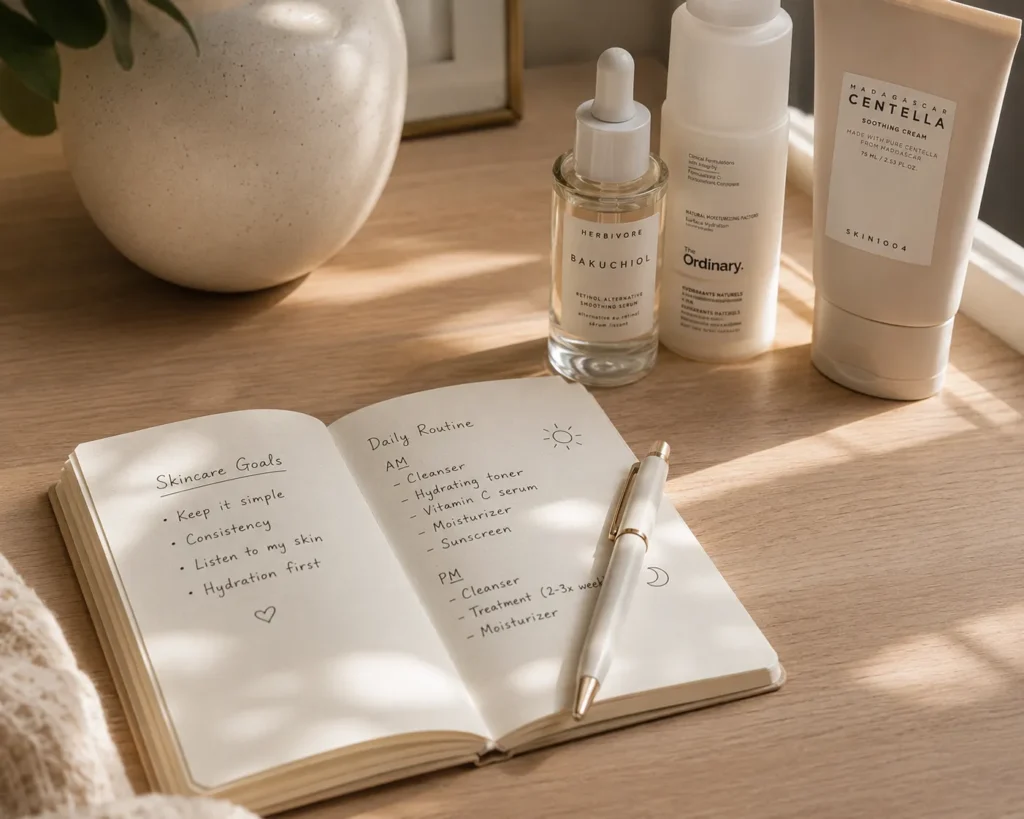
Write down what you use each day and how your skin reacts, even briefly. Patterns show up fast once you have it on paper, patterns you would otherwise miss when juggling a busy schedule.
You might discover your skin reacts every time you use a certain toner, or that flare ups line up with stress or a change in weather. This step takes five minutes a day but gives you real answers instead of guessing. Come back to this diary anytime you introduce something new, since it becomes your personal reference for what works.
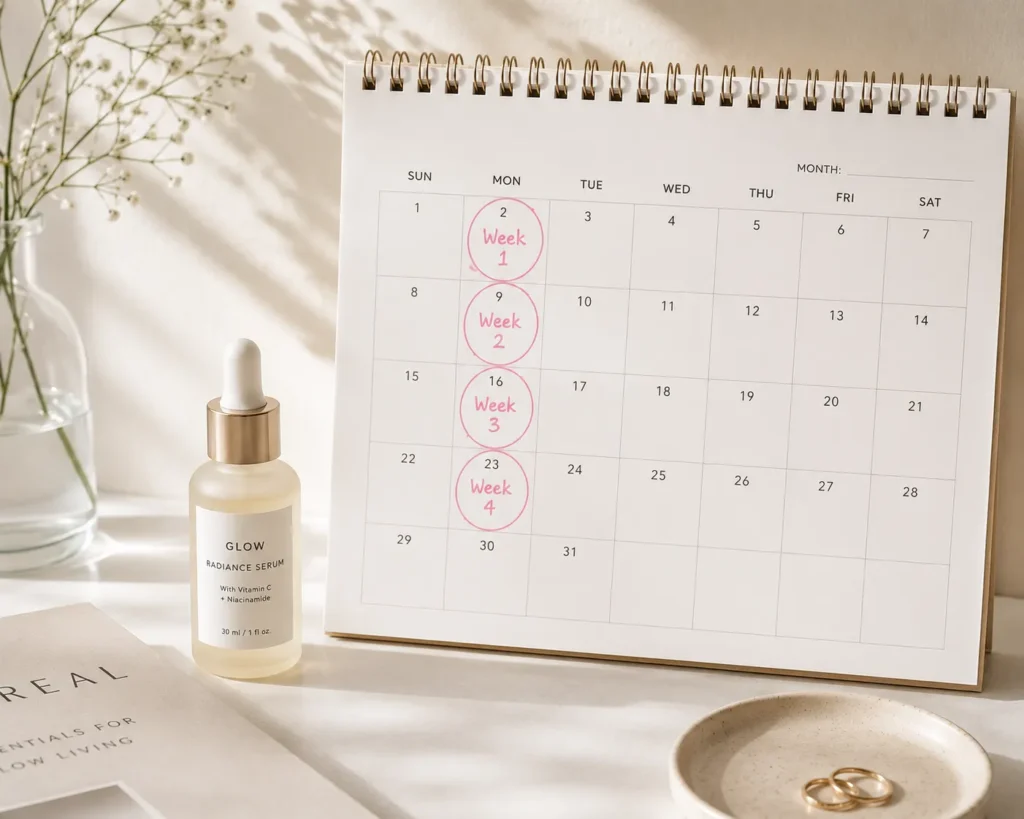
12. Give New Routines at Least Four Weeks Before Judging Them
Sensitive skin takes longer to show visible change than other skin types, since the barrier needs time to rebuild. Four weeks is the minimum window most dermatologists recommend before deciding if a routine is actually working.
It is tempting to switch products after a few days if you do not see instant results, but that constant switching is often what keeps sensitive skin unsettled in the first place. Pick your routine, stick with it, and resist the urge to add anything new during that first month. Patience here pays off with a calmer, more even complexion by the end.
A Fresh Glow Is Closer Than You Think
Sensitive skin can feel like a constant guessing game, but it does not have to stay that way. Once you simplify your routine and give your skin the time and gentleness it actually needs, the redness and irritation start to fade into the background. You know your skin better than any trend does. Pick one step from this list and try it this week, then watch how your skin responds before adding the next.
Image Alt Text Suggestions
- Hand applying a small patch test dot of cream to the inner forearm before full use
- Minimalist bathroom shelf with five simple skincare products for sensitive skin
- Gentle fragrance free cream cleanser being applied with fingertips
- Lukewarm water splashing over cupped hands for a gentle face rinse
- Ceramide moisturizer jar with a small spatula for sensitive skin barrier repair
- Dropper serum bottle beside a calendar tracking twice weekly active ingredient use
- Mineral sunscreen tube resting on a sunlit windowsill for daily sensitive skin protection
- Cool compress cloth beside a bowl of ice water for calming skin redness
- Gentle liquid exfoliant bottle next to a soft cotton pad for sensitive skin
- Clean cotton pillowcase on a neatly made bed to reduce nighttime skin irritation
- Small notebook and pen used as a skin diary next to skincare bottles
- Calendar with four weeks circled to track a new sensitive skin routine
FAQ Section
What is the biggest mistake people with sensitive skin make? Switching products too often is the most common mistake. Sensitive skin needs at least four weeks to show real results, so constant switching keeps the skin barrier unsettled and reactive.
How do I know if a product is truly fragrance free? Check the ingredient list, not just the front label. Unscented products can still contain masking fragrance, so look specifically for the words fragrance free.
Can sensitive skin still use retinol or vitamin C? Yes, but only in low strengths introduced slowly, one at a time, with plenty of time between new additions. Rushing active ingredients is the fastest way to trigger a flare up.
Why does my sensitive skin react to products that work fine for friends? Everyone’s skin barrier and tolerance level is different, often based on genetics, past sun damage, or how the barrier has been treated over time. What works for a friend is not a guarantee for your own skin.
Is expensive skincare better for sensitive skin? Not necessarily. Price does not determine gentleness. A simple, well formulated drugstore moisturizer with ceramides can work just as well as a high end version for calming sensitive skin.
How long before I see less redness with a new routine? Most people notice a difference within two to four weeks of consistent, gentle care. Full barrier repair can take up to two months for skin that has been irritated for a long time.


